




Moving to Austin, Texas in 2026: What You Need to Know
Austin is one of the fastest-growing cities in the country, and 2026 is shaping up to be another big year for newcomers. Whether you're chasing a job offer, a lower tax bill, or just a change of scenery, this guide covers what actually matters before you make the move. Neighborhoods, budgets, traffic, and more. Let's get into it.
Austin's Neighborhoods Each Offer a Very Different Living Experience
This trips people up more than anything else. Someone says they're moving to Austin, but Austin is huge. The neighborhood you pick changes everything about your daily life.
Let's start downtown. The area around Congress Avenue and Rainey Street is dense, walkable, and loud on weekends. You'll find high-rise condos and easy access to restaurants. But grocery runs can be a hassle, parking costs add up fast. It works great for young professionals who want nightlife at their doorstep.
Head south and you hit neighborhoods like Zilker, Barton Hills, and South Lamar. These areas feel more relaxed. Older homes sit on tree-lined streets near Barton Springs Pool and the greenbelt trails. Families love it here. So do people who want a slower pace but still want to be close to everything.
East Austin has changed a lot in the last decade — and moving companies in Austin TX that work this corridor every week have watched that transformation firsthand. The area east of I-35 around Manor Road and East Cesar Chavez used to be one of the most affordable parts of town. That's shifted. Now you'll find trendy restaurants, new construction, and a creative energy that draws artists and small business owners. It still has more character than most parts of the city — and moving companies Austin TX residents trust will tell you that navigating the narrow streets, limited parking, and older building layouts east of I-35 takes local experience that no GPS can replace.
North Austin and the Domain area feel almost like a different city. Big retail centers, corporate offices, tech campuses. If you work for one of the major employers near Parmer Lane or Braker Lane, living up north can cut your commute in half. The trade-off is less of that "weird Austin" vibe people expect.
Then there's the northwest corridor. Neighborhoods like Great Hills, Jester Estates, and the areas near Loop 360 offer larger lots and access to top-rated schools in the Eanes and Round Rock school districts. Families with kids tend to gravitate here. The terrain is hillier, the views are better, the drives are windier.
What about southwest Austin? The Circle C Ranch and Shady Hollow communities are suburban but still inside city limits. You get neighborhood pools, walking trails, and a quieter feel. And you're only about 20 minutes from downtown without rush hour traffic.
We see people make the mistake of picking a neighborhood based on a weekend visit. A Saturday afternoon in South Congress feels magical. But do you want to live there on a Tuesday morning when you need to get to work in north Austin? That's a 45-minute drive on a good day.
Here's a scenario we run into often. A couple falls in love with a place in East Austin, signs a lease, then realizes their office is near the Arboretum. That commute eats an hour each way during peak traffic. They're miserable within two months.
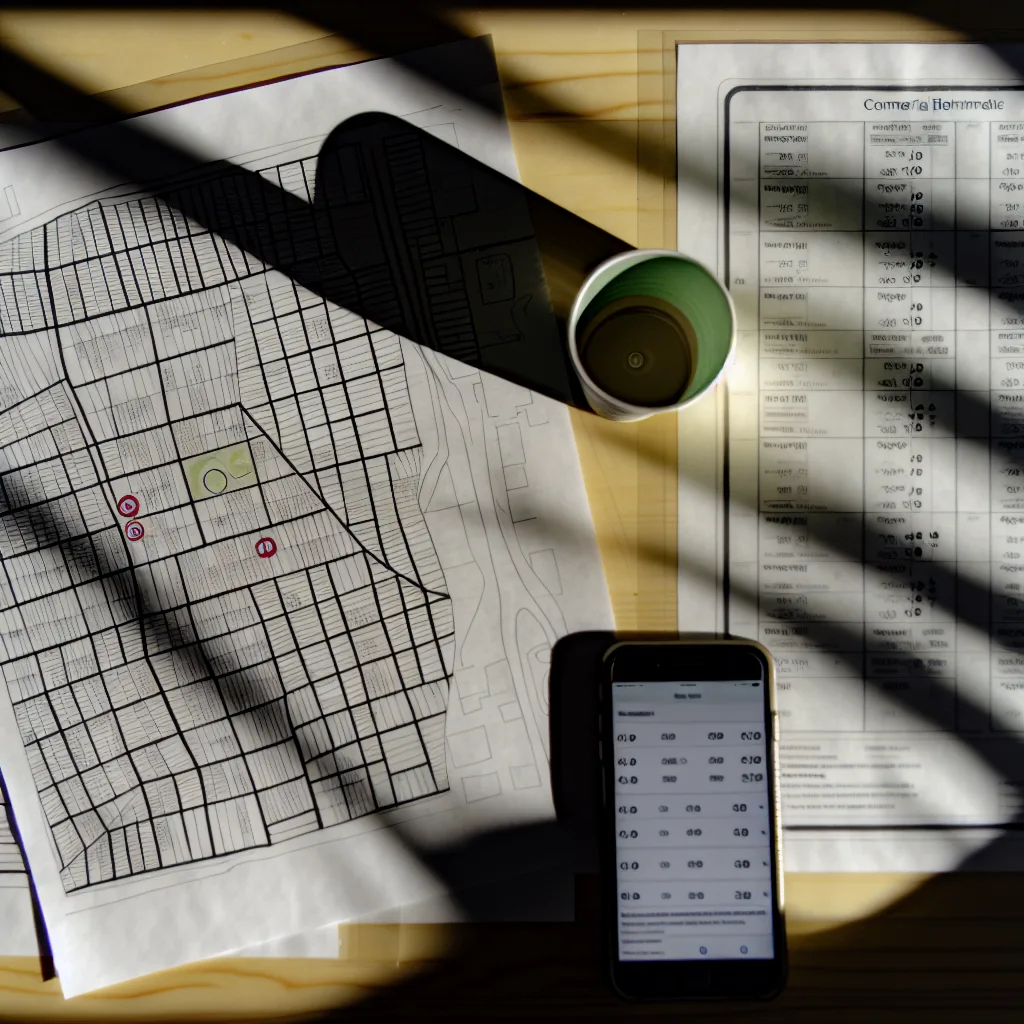
The smartest thing you can do is map your daily routine first. Where will you work? Where will your kids go to school? Where do you want to spend weekends? Then pick the neighborhood that puts you closest to the things you'll do most often.
Every pocket of Austin has its own personality, its own pace, its own quirks. Mueller feels like a planned community with a farmers market. Hyde Park feels like a college town within a city. Westlake feels like the suburbs of a much bigger metro.
Don't just move to Austin. Move to the right part of Austin.
Austin's Cost of Living Has Shifted, Here's What to Budget For
Forget what you heard about Austin being cheap. That era ended years ago. But here's the good news: costs have actually stabilized since the wild spikes of 2021 and 2022. If you're learning everything you need to know before moving to Austin, Texas in 2026, your budget is the place to start.
Housing eats the biggest chunk. The median home price in Austin sits around $450,000 as of early 2025, according to the Austin Board of Realtors. That's down from the peak of roughly $550,000 in 2022. Renters can expect to pay about $1,400 to $1,800 for a one-bedroom apartment in central areas like South Lamar or East Riverside. Move further out toward Pflugerville or Manor, you'll find lower numbers.
We help people plan relocations every single day, and the number one mistake we see is budgeting only for rent or a mortgage payment.
Groceries run about 3 to 5 percent above the national average. Utilities are the real surprise. Texas summers are brutal. Your electric bill from June through September can easily hit $200 to $300 a month for a two-bedroom apartment. And that's not a luxury thing, that's just keeping your home livable when it's 105 degrees outside.
Transportation costs depend on where you settle. Austin's public transit system is growing but still limited. Most people drive. Gas prices tend to hover near the national average. Car insurance in Texas runs higher than many states, so factor that in before you sign a lease across town from your job.
Property taxes deserve their own conversation. Texas has no state income tax. Sounds great, right? But the trade-off is property taxes that average around 1.8 percent of your home's assessed value. On a $450,000 home, that's roughly $8,100 a year. Most people don't realize this until it's too late. It changes the math on what you can actually afford.
Food and entertainment are where Austin really shines. You can eat incredibly well without spending a fortune. Taco trucks along East Cesar Chavez, barbecue spots in the Govalle neighborhood, happy hour deals on South Congress. A night out doesn't have to wreck your wallet.
So what does a realistic monthly budget look like? For a single person living in a central Austin apartment:
- Rent: $1,500 to $1,800
- Utilities and internet: $200 to $350
- Groceries: $350 to $500
- Transportation: $250 to $400
- Dining and entertainment: $200 to $400
That puts you somewhere between $2,500 and $3,450 a month before taxes or savings. Couples and families should scale up, obviously.
But don't let these numbers scare you off. Austin's job market pays well in tech, healthcare, and construction. Salaries here often offset the higher cost of living compared to smaller Texas cities. The key is going in with clear expectations.
One thing we always tell clients: run your budget with summer utility costs, not spring ones. People move here in April, love their $120 electric bill, then panic in August. Plan for the worst month and you'll be fine the rest of the year.
If you're serious about making this move work financially, our complete Austin relocation guide breaks down neighborhood-by-neighborhood costs so you can pick the right fit for your budget.
Getting Around Austin Requires a Plan Before You Arrive
Austin's traffic will test your patience. That's not a warning, it's a promise. The city grew faster than its roads could handle, most newcomers figure this out during their first week.
I-35 runs right through downtown. It's been under major construction for years. The Texas Department of Transportation's I-35 Capital Express project won't wrap up until at least 2028. So you'll be dealing with lane shifts, detours, and slowdowns for a while.

But here's what most people miss. Where you live compared to where you work matters more than anything else in Austin. A 7-mile commute from South Lamar to the Domain can take over 45 minutes during rush hour. Pick the wrong neighborhood and you'll spend 10 hours a week just sitting in your car.
MoPac Expressway is the other main north-south route. It has a toll lane that helps during peak hours. Loop 360 connects west Austin but gets jammed near the Pennybacker Bridge every afternoon. And Highway 183 through north Austin crawls during morning commutes near the Tech Ridge area.
Public transit exists. It's just limited compared to bigger cities.
Capital Metro runs buses across the city. The MetroRail line connects downtown to Leander with a few stops in between. It's useful if you live and work near a station. Most people don't. The new Project Connect plan promises light rail along key corridors like South Congress and Riverside, but construction timelines stretch well into the 2030s.
Rideshare apps work fine here. Expect surge pricing on weekend nights around Rainey Street and Sixth Street. E-scooters and bike-share stations pop up throughout downtown, East Austin, and the university area. They're great for short trips. Not so great in August heat.
We tell people to think about their commute before they even look at homes. Seriously. Someone moving from Round Rock to a job near Zilker might love the house price but hate the daily drive. Another person in Mueller who works downtown has a 15-minute bus ride. Same city, totally different experience.
A few practical tips from watching hundreds of people settle in:
- Test your commute route during actual rush hours before signing a lease
- Download the Capital Metro app early to learn bus routes near your area
- Consider neighborhoods along the future light rail corridors if you're buying
- Keep a backup route for I-35 days when construction shuts down lanes
Biking is growing fast in Austin. The city added protected lanes along parts of Rio Grande Street and Shoal Creek Boulevard. The Ann and Roy Butler Hike-and-Bike Trail connects several central neighborhoods. Some folks bike-commute year round. Others only manage it from October through April when temperatures drop.
And the Austin-Bergstrom International Airport sits southeast of downtown. It's about 20 minutes from central Austin without traffic. With traffic, double that. If you fly often for work, living south or southeast cuts your airport commute in half.
The bottom line is simple. Your transportation plan shapes your quality of life here more than your zip code does. Don't just pick a neighborhood because it looks nice online. Map out how you'll actually get to work, the grocery store, your kid's school. Then decide.
If you're still narrowing down where to land, our complete Austin moving guide breaks down neighborhoods by commute times and walkability so you can make a smart choice before you pack a single box.

Frequently Asked Questions
Is Austin still a good place to move in 2026?
Yes, but go in with realistic expectations. The job market is strong, especially in tech, healthcare, and construction. The cost of living is higher than it was five years ago, but it has stabilized. If your salary supports it and you pick the right neighborhood, Austin is still a great place to land.
What part of Austin is best for families?
The northwest corridor near Loop 360, Great Hills, and Jester Estates tends to draw families because of access to Eanes and Round Rock school districts. Southwest Austin neighborhoods like Circle C Ranch and Shady Hollow are also popular. Both areas offer larger lots, neighborhood amenities, and quieter streets.
How bad is Austin traffic really?
It's bad. I-35 through downtown is one of the most congested stretches of highway in Texas, and construction won't ease up until at least 2028. A 7-mile commute can take 45 minutes during rush hour. The fix is picking a neighborhood close to where you work, not assuming you can drive across the city daily.
Do I need a car to live in Austin?
For most people, yes. Capital Metro buses and the MetroRail line cover some areas, but the network isn't dense enough to replace a car for most daily needs. If you live and work near a transit corridor, you might manage without one. Otherwise, plan on driving.
What should I know about Texas property taxes before buying a home?
Texas has no state income tax, but property taxes average around 1.8 percent of your home's assessed value. On a $450,000 home, that's about $8,100 a year. This catches a lot of buyers off guard. Make sure you factor it into your monthly housing budget before you fall in love with a listing.
When is the best time of year to move to Austin?
Fall and winter are the easiest. Moving trucks and temperatures are both more manageable from October through February. Avoid moving in July or August if you can. Unloading boxes in 105-degree heat is miserable, and your first electric bill will be a shock if you're not prepared for it.




Google Reviews
518 Reviews | 4.9 Avg Rating