





How Far in Advance Should You Book Long‑Distance Movers in Austin?
Picking the right booking window for a long‑distance move from Austin lowers stress, keeps costs steadier, and increases your chance of getting the truck, crew, and services you need. For most household moves, we recommend booking about 6–8 weeks ahead to lock in dates, service options, and clear pricing — and to leave time for permits, specialty handling, and packing coordination. Below we explain why that window works best, when 4–6 weeks can be acceptable, and when you should plan 8–12+ weeks because of peak‑season demand. After outlining timelines, we walk through the factors that change lead time, compare peak vs. off‑peak trade‑offs, and give you a step‑by‑step checklist so you can act with confidence. If you want to move sooner, Mountain Movers is locally owned and serves Central Texas with same‑day and next‑day options — call for a free quote and current availability. With a clear timeline and checklist, you’ll be able to choose the right booking window for your move.
What Is the Ideal Booking Timeline for Long Distance Moves from Austin?
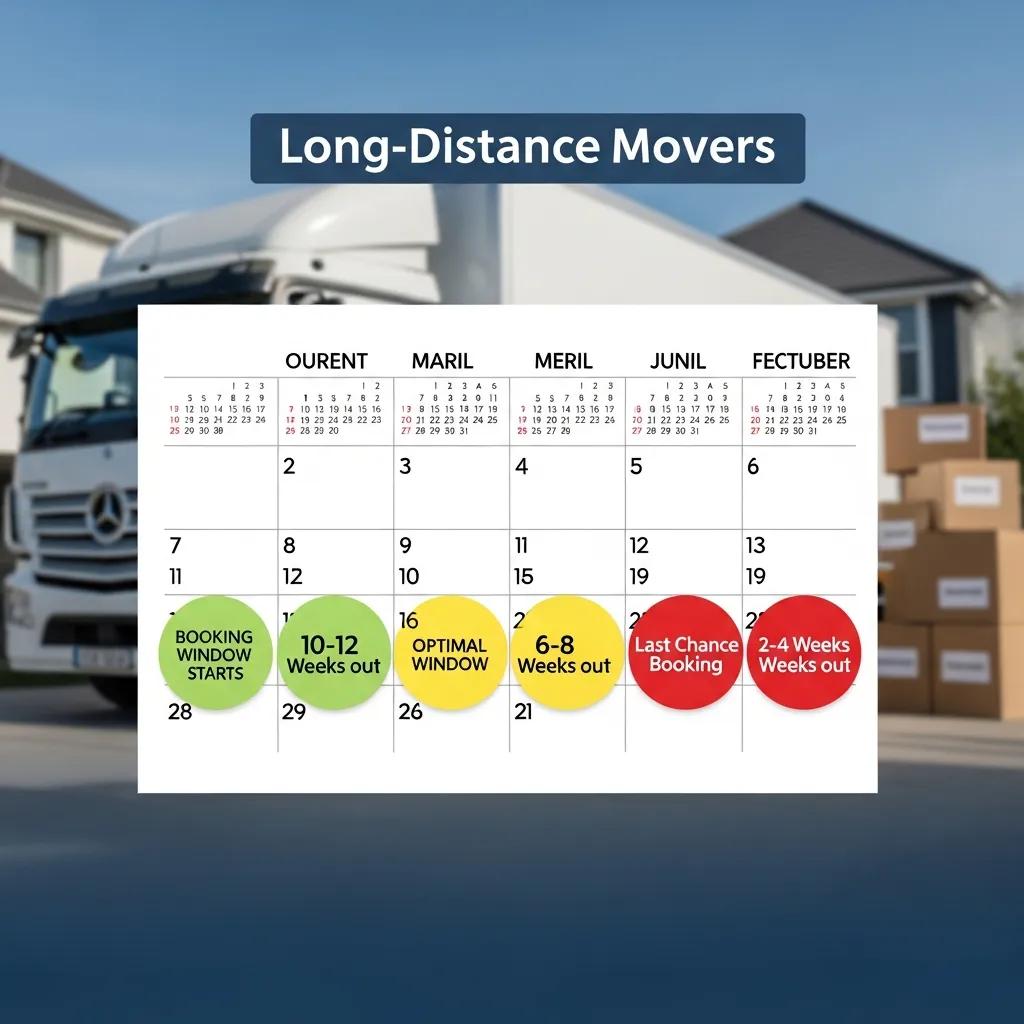
“Booking timeline” means how far ahead you reserve movers before your moving day. It affects availability, pricing predictability, and what logistics are possible. For most Austin households, 6–8 weeks is the sweet spot: it balances flexibility and competitive pricing and gives movers time to plan truck routing and crew assignments. Booking 4–6 weeks out can work for smaller or off‑peak moves, but it narrows choices and raises contingency risk. Knowing these trade‑offs helps you choose a booking horizon based on distance, complexity, and seasonality.
In short: plan to book 6–8 weeks before your long‑distance move to get the best results:
- Secure your preferred moving date and the right truck size before peak demand hits.
- Get accurate, transparent pricing and reduce the chance of last‑minute surcharges.
- Leave time to arrange specialty handling, permits, or storage if needed.
Reserving in that 6–8 week window reduces uncertainty and sets you up for the next steps: why that timing matters and when 4–6 weeks might be acceptable.
Why Book 6‑8 Weeks in Advance for Your Long Distance Move?
Booking 6–8 weeks out gives carriers time to fold your move into routing and crew schedules, which cuts the risk of date conflicts or split crews. That lead time lets movers secure the right truck, plan efficient interstate routing, and arrange permits or parking when necessary — all of which lowers transit delays and handling errors. It also gives you time to get clear, written estimates based on your actual inventory, reducing surprise fees on moving day. Early booking leaves room to add packing help, arrange specialty item handling (pianos, antiques), or reserve short‑term storage if plans change.
Getting your date locked in during this window makes it easier to finish packing, coordinate utilities or building managers, and handle the last‑mile details that affect delivery timing and cost.
How Does Booking 4‑6 Weeks Out Affect Your Moving Options?
Booking 4–6 weeks ahead can be doable — especially off‑season or for smaller loads — but it limits options and increases contingency risk. You may have fewer truck sizes to choose from, less ability to set a tight arrival window, and reduced availability for specialty services like piano moving or full‑service packing. Prices can spike if demand rises or routing becomes less efficient, so flexible dates help your chances of securing a slot. If you must book in this window, confirm truck size, crew make‑up, and any extra fees in writing right away.
If 4–6 weeks is all you have, act fast: finalize your inventory, prioritize essential services, and build contingency plans to avoid last‑minute surprises.
Which Factors Influence When to Schedule Long Distance Movers in Austin?
Several variables change the recommended lead time: move distance, complexity, requested services, and local seasonality or events that spike demand. Longer distances and complex moves need more planning; added services like packing, storage, or specialty handling require coordination and more lead time. Austin‑specific peaks and big local events can also create micro‑peaks that call for earlier booking. Considering these elements together helps you pick a realistic target and avoid common pitfalls.
Below is a quick comparison of how common factors shift recommended lead time and why.
This table shows typical factors that change the suggested booking timeframe and the reason behind each recommendation.
This comparison makes it clear: longer or more complex moves usually need more lead time — use that to guide your scheduling choices.
How Do Distance and Move Complexity Impact Your Booking Timeline?
Longer distance and higher complexity add logistical steps that push timelines out. Interstate and cross‑country moves often need carrier routing and transfer points, meaning scheduling windows, paperwork, and transit reservations should happen earlier. Complex moves — pianos, heavy office equipment, multiple pickups or drop‑offs — require special crews and equipment, so plan for 8–12+ weeks. Larger crews and specific truck types fill up fast during busy periods, so early planning secures the right resources.
Spotting complexity early lets you hire movers experienced with specialty handling and ensures the right equipment and crew are available.
What Role Does Austin’s Peak Moving Season Play in Scheduling?

Austin’s peak moving season — generally late spring through summer and around major holidays — drives demand up, which raises prices and shrinks date flexibility. During these months trucks and preferred crews book quickly, and carriers prioritize routing by volume, which can lengthen transit times. Local events and campus move windows create micro‑peaks that require earlier booking and more coordination for parking or loading zones. To reduce peak‑season friction, consider moving mid‑week or mid‑month, or book 8–12+ weeks ahead to keep options open and lock pricing.
Planning with seasonality in mind helps you avoid premium charges and improves your chances of on‑time delivery despite higher demand.
What Role Does Austin’s Neighborhood‑Level Seasonality Play in Scheduling?
Neighborhood and event‑driven demand add another layer of scheduling constraints, especially in dense or historic districts with narrow streets and limited loading zones. In areas with tight access or strict HOA/building rules, early booking lets movers secure permits, schedule off‑hour loading, and arrange temporary parking. Campus move days and festivals concentrate demand on certain dates, further reducing availability nearby. Mitigation strategies include requesting off‑peak arrival windows and confirming building access rules well in advance to avoid last‑minute delays.
Knowing the micro‑peaks for your neighborhood ensures you schedule the right operations and keep your planned moving date intact.
Why Is Early Booking with Mountain Movers Advantageous?
Booking early with a local, trusted provider reduces uncertainty by locking in crew assignments, clear estimates, and service guarantees that protect your move from surprises. Mountain Movers emphasizes transparent pricing, professional 3‑person crews, a "Worry Free Damage Guarantee," same‑day and next‑day availability, and a 90 percent referral rate — all of which add reliability for long‑distance planning. Reserving in advance with a company that provides written quotes and defined crew composition helps ensure moving day runs smoothly and on the terms you expect. Early booking is a practical way to cut stress, control cost, and improve delivery predictability.
If predictable timing matters to you, get a free quote early and confirm your scope of services in writing to take full advantage of the protections and crew consistency Mountain Movers offers.
How Does Early Booking Secure Your Preferred Date and 3‑Person Crew?
Booking early lets us assign a dedicated 3‑person crew and reserve the right truck so the same team handles pickup, loading, and dispatch. When you reserve well ahead, we can block specific truck sizes and crews for your date instead of cobbling together smaller teams at the last minute. That consistency cuts handling time, lowers risk to fragile items, and improves coordination during loading and unloading. The result is smoother packing, faster transit prep, and fewer surprises on moving day.
Securing a consistent crew early gives you better protection for belongings and a more predictable timeline.
How Does Transparent Pricing Help Avoid Last‑Minute Surcharges?
Transparent pricing makes clear what’s included and what isn’t, calling out common surcharge triggers like extended wait time, unexpected packing needs, or extra stops — so you can plan to avoid them. When a mover provides a detailed line‑item estimate that confirms truck size, estimated hours, and included services in writing, surprise fees are far less likely. To avoid surcharges, report your inventory accurately, schedule needed services ahead of time, and ask the mover to document expected costs for likely contingencies. A written quote creates accountability and makes it easier to resolve or question charges if plans change.
Clear estimates plus early planning keep costs predictable and reduce friction on moving day.
What Are the Best and Worst Times to Book Long Distance Movers in Austin?
The best booking windows balance low demand with scheduling convenience. Off‑peak months and mid‑week, mid‑month dates generally offer the most availability and lowest rates. The worst times are summer weekends, month‑end moves, and dates around major local events when demand spikes and pricing becomes volatile. Picking the right day and month reduces both cost and operational complexity. The table below gives a quick look at availability and likely cost impacts across common timeframes.
This table offers an at‑a‑glance view of seasonal timing, availability, and typical cost effects to guide booking decisions.
Choosing mid‑week, mid‑month dates in off‑peak seasons usually gives you the best combination of availability and price predictability for long‑distance moves.
When Is Off‑Peak Season the Best Time to Schedule Your Move?
Off‑peak months (roughly October through April) typically mean lower rates and more scheduling flexibility because demand drops and trucks and crews have more openings. Routing is often more flexible in these months, which can reduce transit variability and the risk of consolidation delays. Moving mid‑week or mid‑month in off‑peak season usually yields extra savings and a more certain arrival window. If your schedule allows, aiming for these windows is one of the simplest ways to control cost and secure preferred crews and truck sizes.
Off‑peak timing also gives you breathing room to confirm permits or add services before moving day without rushing.
How Does Peak Season Affect Availability and Pricing?
Peak season squeezes demand into a smaller calendar window, cutting availability for preferred dates and increasing the chance of surge pricing as truck capacity and labor get tight. As options narrow, carriers may consolidate loads or change routing, which can stretch transit times and complicate delivery windows. To limit peak‑season impacts, book 8–12+ weeks in advance for summer moves and consider weekday pick‑ups or flexible delivery windows. Early confirmation and proactive scheduling are the best ways to keep costs and timing under control.
Advance planning during peak season preserves more options and reduces the risk of costly last‑minute logistics changes.
Can You Book Long Distance Movers in Austin Last Minute?
Yes — but last‑minute long‑distance moves come with fewer options, higher costs, and greater logistical risk. If you’re short on time, call movers immediately so they can triage available crews and trucks and see whether same‑day or next‑day service is possible. For urgent moves, focus on the essentials: secure transport, protect high‑value items, and confirm access and paperwork. Below are concrete steps to take when time is tight.
Follow these steps to organize a last‑minute long‑distance move and improve your chances of success.
- Call movers right away to check same‑day or next‑day availability and request a short written estimate.
- Prioritize essentials: pick must‑move items, pack a "day 1" kit, and clearly label fragile or priority boxes.
- Confirm access: tell the crew about parking, elevator windows, or permit needs to avoid on‑site delays.
- Document inventory and photograph valuables for records and insurance purposes.
What Same‑Day and Next‑Day Moving Options Does Mountain Movers Offer?
Mountain Movers offers same‑day and next‑day availability when possible and will triage urgent requests to see if a 3‑person crew and the right truck can be dispatched quickly. For emergency requests, we evaluate inventory, access restrictions, and routing feasibility and explain any limits or extra costs up front. Expect the crew to prioritize essentials and to advise on fast packing and staging to speed loading and transit. For immediate help, call our listed phone number to confirm real‑time availability and get a free quote for your emergency move.
Urgent moves can include extra labor or routing fees, so clear communication about scope and access helps us provide an accurate short‑notice plan.
How to Prepare for a Last‑Minute Long Distance Move in Austin?
A last‑minute move needs a short, prioritized checklist to protect essentials and simplify the crew’s job: gather important documents, pack a day‑one bag, and label boxes clearly. Start by collecting IDs, titles, and medical records, and pack toiletries, medications, chargers, and a change of clothes in an essentials bag. Label boxes by priority and fragility, and make a simple inventory to share with the mover for quicker pricing and planning. Tell the crew about access limits — stairs, narrow drives, elevator windows — so they bring the right equipment and allocate enough labor.
These triage steps speed a safe, efficient urgent move and reduce confusion at pickup and delivery.
How to Plan Your Long Distance Move in Austin: Booking Timeline and Checklist
A step‑by‑step, time‑based plan breaks the move into manageable phases so you can book movers and prepare without last‑minute scrambling. Start long‑range planning three-plus months out for interstate or complex moves: get estimates, pick a mover, and reserve your date. One to two months before moving, finalize services, confirm truck and crew, and finish most packing. If time’s tight, follow the last‑minute checklist above to prioritize essentials and arrange immediate service. The table below lists tasks with recommended lead times and notes to help you track progress.
Following this timeline lets you handle major dependencies early and leaves room for adjustments without paying rush fees.
What Are the Key Steps to Take 3+ Months Before Your Move?
Three-plus months out, gather multiple written estimates, compare services, and book your mover to lock in truck and crew availability. Do a full household inventory and flag specialty items that need extra handling or insurance — these affect cost and schedule. If you’ll need storage, reserve it now to align pickup/drop‑off windows with carrier routing. Early choices about downsizing, donating, or disposing of items reduce volume and can lower cost and complexity.
These early actions build a reliable plan and the paperwork you’ll need to avoid last‑minute issues.
How to Manage Packing and Services 1‑2 Months Before Moving Day?
One to two months before the move, finalize services — packing help, piano moving, storage — and confirm the mover’s written estimate, truck size, and crew assignment so the scope is locked. Start or finish most packing, label boxes by room and priority to speed loading and unloading, and set aside an essentials box for arrival day. Confirm permits, building rules, and parking arrangements with local authorities or property managers to prevent delays. Reconfirm timelines and contact info with your mover so everyone is aligned on pickup and estimated delivery windows.
Completing these tasks in this window leaves room for last‑minute tweaks while protecting the availability and pricing you secured earlier.
Conclusion
Booking your long‑distance move from Austin in advance helps you secure better rates, preferred dates, and more reliable service — which cuts stress and uncertainty. By understanding the recommended timelines and the factors that affect them, you can make informed choices that improve your move. Take the next step toward a smooth relocation by contacting Mountain Movers for a free quote today. With the right planning and a trusted local crew, your long‑distance move can be efficient and hassle‑free.