





How Much Does a Cross-Country Move Cost in 2026? A Complete Price Breakdown
Here's what surprises most people. Two families on the same street in Round Rock can get quotes that differ by thousands of dollars. Same distance. Same destination. Totally different costs for a cross-country move.
The reason is simple. Your cross-country move cost depends on a handful of factors that are unique to you. Distance matters, sure. But it's rarely the biggest driver of your final number.
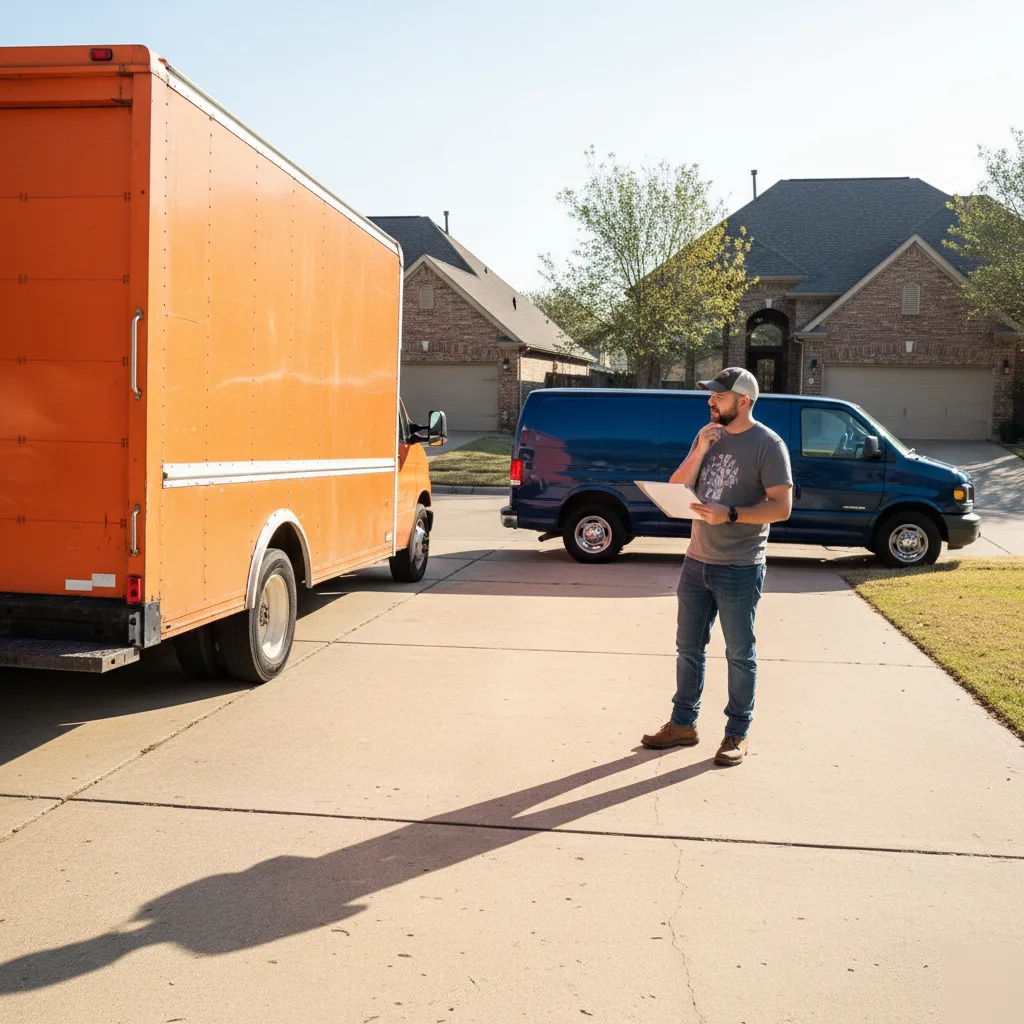
Weight is the real factor.
A one-bedroom apartment heading from Round Rock to Portland might weigh around 2,000 pounds. A four-bedroom home near Old Settlers Park could tip the scales at 8,000 pounds or more. That weight difference alone can double or triple what you'll pay. Most cross-country movers charge based on the total weight of your shipment, not just how far the truck drives.
We see this mistake all the time. Folks assume their move will cost about the same as their neighbor's. Then reality hits during the in-home estimate. That garage full of power tools? Heavy. The upright piano in the living room? Really heavy. Every extra pound adds up fast on a cross-country move.
And timing plays a huge role too when searching for long distance movers near me. Summer months between June and August are peak season for cross-country moves across the country. The American Moving and Storage Association notes that nearly 80 percent of residential moves happen between April and September. Demand goes up, availability goes down, costs follow — which is why locking in long distance movers near me well ahead of your target date is one of the smartest moves you can make before peak season hits.
Think about what else affects your cross-country move cost:
- The total weight of everything you're shipping
- How far your belongings need to travel
- What time of year you're moving
- Whether your pickup or delivery location has stairs, narrow streets, or long carry distances
- Any specialty items like hot tubs, safes, or antique furniture
So what does a typical scenario look like? Picture a family in the Teravista neighborhood. They're moving a three-bedroom home to North Carolina. That's roughly 1,300 miles. Their shipment weighs about 6,000 pounds. They've got standard furniture, some boxes, a few bulky items. Their cross-country move cost will land in a very different range than a single person moving a studio apartment the same distance.
Most people don't realize this until it's too late. The "average" number you find online is just that. An average. Your actual cross-country move cost could be well above or below it depending on your specific situation.
But here's the good news. You have control over several of these factors. Decluttering before your move reduces weight. Choosing a mid-month or mid-week moving date can help. Being flexible with your timeline opens up options.
One thing I always tell folks here in Round Rock is to get an in-home or virtual survey before trusting any number. Phone estimates based on a quick description miss things. That shed out back full of holiday decorations? Those 40 boxes in the attic? A proper survey catches everything so your cross-country move cost reflects reality, not guesswork.
The bottom line is this. Your cross-country move cost is personal. It's shaped by your home size, your stuff, your schedule, and your route. Understanding these variables puts you in a much stronger position before you ever request a quote.
The Biggest Factors That Drive Your Cross-Country Moving Price Up or Down
Most people think distance is the only thing that matters. It's not. Distance plays a role, sure. But we've seen two families move the same number of miles and end up with very different totals. The real story is more interesting than that.
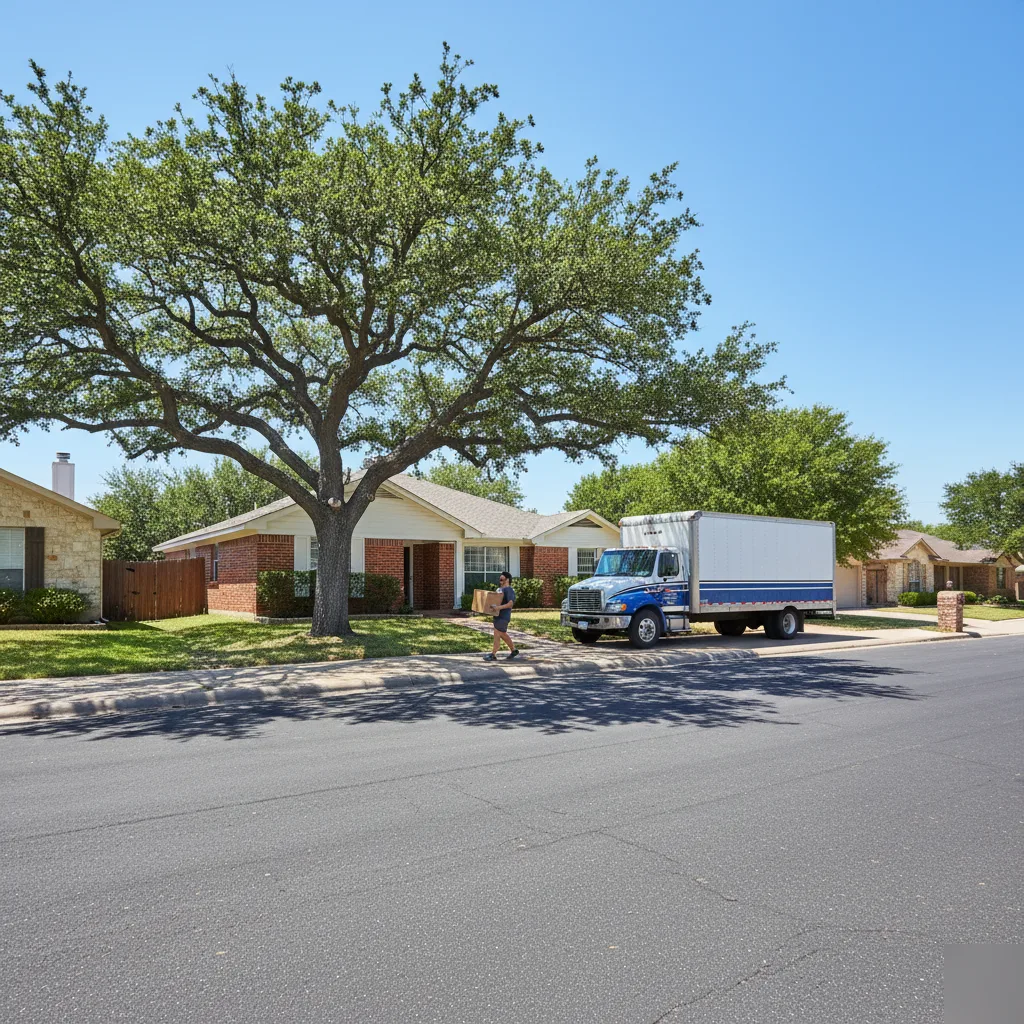
Your total weight is the single biggest factor in a cross-country move cost. Moving companies charge based on how heavy your shipment is. A one-bedroom apartment weighs around 2,000 to 3,000 pounds on average. A four-bedroom home in Round Rock can easily hit 10,000 pounds or more. That difference changes everything.
Think about it this way. Every extra box adds weight. That old treadmill you never use? It's adding real dollars. The garage full of holiday decorations, tools, and kids' bikes? All of it counts. We tell families to sort and purge before they even call for an estimate, it saves more than most people expect.
Time of year matters a lot too. Summer is peak moving season across the country. According to the American Moving and Storage Association, roughly 80 percent of residential moves happen between May and September. That demand pushes costs up. If you can move during October through March, you'll likely see lower rates. Round Rock families with school-age kids don't always have that flexibility. But if you do, off-season moves are worth considering.
Here's one most folks overlook. Access at both ends of the move affects your cost. Can a full-size moving truck park right outside your home? Or does the crew need to carry items a long distance from the truck to your front door? Homes in neighborhoods like Forest Creek or Teravista sometimes have narrow streets or HOA rules about truck access. That can add time and labor.
Stairs, elevators, and long carry distances all factor in. A ground-floor apartment is simpler than a third-floor walkup. Same stuff, same distance across the country, but the labor changes.
Special items bump costs up fast. A piano. A pool table. Antique furniture that needs custom crating. These items require extra handling and sometimes specialty equipment. And they take up more space on the truck.
The services you choose also shift your total. A full-service cross-country move includes packing, loading, transport, unloading, and unpacking. That's the easiest option but the most expensive. You can bring costs down by packing your own boxes or handling the unpacking yourself. Most people don't realize how much control they actually have over the final number.
One more thing. Where you're going matters beyond just mileage. Moving to a major metro area with lots of truck traffic is different from moving to a rural town three hours from the nearest highway. Fuel costs, tolls, and route complexity all play a part.
So before you start stressing about the bottom line, focus on what you can control. Reduce your load. Be flexible on dates if possible. Understand your home's access situation. And get specific about which services you actually need versus which ones you can handle yourself.
But don't guess at any of this. The smartest move is getting a detailed in-home or virtual estimate based on your actual belongings. That's the only way to get a number you can trust.
Full-Service vs. Partial-Service vs. DIY: What Each Option Actually Costs
Three paths exist for your cross-country move. Each one hits your wallet differently. And each one asks something different from your time and energy.
Full-service means a crew shows up, packs everything, loads the truck, drives it across the country, unloads it, and places boxes in the right rooms. You barely lift a finger. This is the most expensive route for a cross-country move, but it saves you weeks of physical labor. For a typical three-bedroom home in Round Rock heading to the East Coast, full-service is the top tier.
Most people don't realize how much work "partial-service" actually shifts onto them.
Partial-service usually means the moving company handles loading, transport, and unloading. You do all the packing and unpacking yourself. That sounds simple enough. But packing a whole house takes most families five to ten days of solid effort. You'll need boxes, tape, packing paper, and bubble wrap. Those supplies add up fast. The trade-off is real, you save on labor fees but spend your evenings and weekends buried in cardboard.
Then there's DIY. Renting a truck, loading it yourself, driving it yourself, unloading it yourself. We see folks attempt this every summer here in Round Rock. Some pull it off just fine. Others call us halfway through, exhausted, with a truck half-loaded in the driveway near Old Settlers Park. A cross-country move by DIY means you're behind the wheel for two, three, maybe four days straight. You're paying for fuel, hotels, food on the road, and the truck rental itself.
So what actually separates the cost between these options?

Labor is the big one. Full-service includes professional packers and movers on both ends. That's the largest chunk of the bill. Partial-service cuts that roughly in half since you're handling the packing. DIY eliminates labor costs entirely but replaces them with your own sweat and time off work.
Fuel matters more than people expect. A 26-foot rental truck gets about six to ten miles per gallon according to U-Haul's published specs. From Round Rock to somewhere like Charlotte, North Carolina, that's over 1,200 miles. Do the math on fuel alone and it's a real number.
But here's the part that catches people off guard. Risk. With full-service, the moving company carries liability for your belongings during transit. With DIY, if you pack a box wrong and your grandmother's china breaks somewhere in Mississippi, that's on you. No coverage. No claim to file.
And there's the hidden cost of time. If you take a week off work to pack and drive, that lost income counts. A lot of families in the Teravista and Forest Creek neighborhoods we've worked with are dual-income households. Taking five days off isn't free.
Here's how we usually frame it for customers. If your cross-country move budget is tight and you've got strong backs and free time, DIY can work. If you want to save some money but don't want to drive a massive truck through Dallas traffic, partial-service hits a nice middle ground. If you want to fly to your new city and have everything waiting for you, full-service is worth every penny.
No single option is "right." It depends on your household size, your timeline, and how much stress you can handle. Want help figuring out which level of service fits your situation? Our long-distance moving page breaks down exactly what's included at each level.
Frequently Asked Questions
What is the biggest factor that affects cross-country moving costs?
The weight of your shipment is the biggest factor in your cross-country move cost. Distance matters, but weight drives the final number more than anything else. A one-bedroom apartment might weigh around 2,000 pounds. A four-bedroom home can hit 10,000 pounds or more. That difference can double or triple your total cost. Decluttering before your move is one of the best ways to lower your price. Our complete price breakdown guide covers how weight affects your quote.
Does the time of year affect how much a cross-country move costs from Round Rock?
Yes, the time of year makes a real difference for Round Rock families planning a cross-country move. Summer months between June and August are peak season. The American Moving and Storage Association says about 80 percent of residential moves happen between May and September. Demand goes up and so do costs. If you can move between October and March, you may find better availability and lower rates. Families near Teravista or Forest Creek with flexible schedules can save by moving off-season.
Do narrow streets or HOA rules in Round Rock neighborhoods affect moving costs?
Yes, access at your pickup location can add to your total cost. Some Round Rock neighborhoods like Forest Creek or Teravista have narrow streets or HOA rules about large truck parking. When a full-size truck can't park close to your home, the crew carries items a longer distance. That extra labor adds time and cost. Always let your moving company know about any access issues before your estimate. A proper in-home or virtual survey catches these details early.
Is the average cross-country moving cost I find online accurate for my situation?
The average number you find online is just that — an average. Your actual cross-country move cost depends on your home size, the weight of your belongings, your moving date, and your specific route. Two families on the same Round Rock street can get quotes that differ by thousands of dollars. Online averages miss details like specialty items, stairs, or long carry distances. Getting an in-home or virtual survey gives you a number based on your real situation, not a guess.
What is a common mistake people make when budgeting for a cross-country move?
One of the biggest mistakes is assuming your move will cost about the same as a neighbor's move. Same distance does not mean same price. A garage full of tools, an upright piano, or 40 boxes in the attic adds serious weight. More weight means a higher cost. Many people don't realize this until the in-home estimate. Sort through your belongings before you call for a quote. Getting rid of heavy or bulky items you no longer need can lower your total more than most people expect.
When should I call a professional mover instead of handling a cross-country move myself?
You should call a professional mover when your shipment is large, heavy, or includes specialty items. Moving a four-bedroom home from Round Rock across the country is not a DIY job. Items like pianos, pool tables, or antique furniture need trained hands and the right equipment. Long-distance moves also involve permits, weight limits, and delivery windows that professionals manage for you. If your move involves more than a few carloads, a licensed cross-country mover is the safer and smarter choice.




Google Reviews
518 Reviews | 4.9 Avg Rating