




How to Choose a Long-Distance Mover in Austin, TX
Most people think a long-distance move is just a longer drive. It's not. The whole process changes once your belongings cross state lines or travel more than 100 miles. Understanding how to choose the best long-distance moving company in Austin, Texas starts with knowing why this type of move is a different animal entirely.
A local move in Austin might take a single day — your stuff goes on a truck in the morning, it's in your new place by dinner. But when you start searching for long distance movers near me in Austin, the timeline shifts dramatically. A long-distance move can take days or even weeks from pickup to delivery. Your belongings might sit in a warehouse. They might share truck space with another family's things. That's normal — it just means you need long distance movers near me Austin families have vetted for exactly this kind of multi-step logistics, not just a company that owns a big truck.
Here's what catches people off guard.
Long-distance moves involve federal regulations. The Federal Motor Carrier Safety Administration requires any mover crossing state lines to carry a USDOT number. Local movers don't need one. This single detail separates the two types of moves more than anything else. A company moving you from South Congress to Round Rock doesn't need federal authority. A company moving you from Austin to Portland absolutely does.
A common mistake is hiring a local crew because they did a great job on a short move across town. Then that crew shows up unprepared for the paperwork, insurance requirements, and delivery timelines a long-distance move demands. Good local movers aren't automatically good long-distance moving companies.
The way your belongings get handled changes too. On a local move, the same crew loads and unloads your truck. On a long-distance move, a completely different team might unload at the destination. So packing quality matters more. Labeling matters more. Inventory sheets matter more. Every box needs to survive being touched by multiple hands across multiple stops.
And then there's the timing issue. Local moves have tight windows. Long-distance moves have delivery spreads. Your company might give you a range of three to ten days for delivery. That's standard across the industry. But if nobody explains this upfront, you're sitting in an empty apartment wondering where your bed is.
Think about Austin's climate for a second. If you're moving during summer, your belongings could spend time in a truck or warehouse hitting temperatures above 100 degrees. Items like candles, vinyl records, certain electronics need special attention. A long-distance moving company that knows Austin understands this. A generic national outfit might not think twice about it.
Storage is another big difference. Long-distance moves sometimes require temporary storage between pickup and delivery. Maybe your new lease doesn't start for two weeks. Maybe the truck route doesn't line up perfectly. Your long-distance moving company should offer clear storage options without surprises.
Liability coverage works differently too. Local movers in Texas follow state rules. Long-distance movers follow federal liability standards. You'll choose between released value protection and full value protection. These aren't just words on a form. They determine what happens if something breaks 800 miles from home.
The bottom line is simple. A long-distance move has more moving parts, more regulations, and more chances for things to go sideways. That's exactly why picking the right company matters so much more than it does for a move across town.
The Credentials Every Austin Long-Distance Mover Must Have
Credentials aren't optional. They're the bare minimum. Any long-distance moving company hauling your stuff across state lines needs federal authorization. That's the law.
The U.S. Department of Transportation assigns every interstate mover a USDOT number. This number is public. You can look it up in seconds on the FMCSA website. If a company can't give you their USDOT number, walk away. No exceptions.
But a USDOT number alone isn't enough. You also want to confirm they carry an active Motor Carrier (MC) number. The MC number means they're authorized to transport household goods across state lines for pay. Some companies have a USDOT number for other purposes, they might haul freight or equipment. The MC number tells you they're specifically licensed for residential moves.
Don't skip this step. Someone hires a mover based on a nice website and a low quote, then halfway through the move, problems start. The company has no real authority to operate. Your belongings sit in a warehouse in Dallas with no clear path forward. Checking two numbers up front prevents that nightmare.
Insurance is the next piece. Federal law requires long-distance movers to offer two levels of liability coverage. Released value protection is the basic option at no extra charge. Full value protection costs more but covers repair or replacement at current market value. Ask every company you're considering which options they provide. Get it in writing before you sign anything.

Here in Austin, you'll also want to check for a Texas DMV registration. The Texas Department of Motor Vehicles regulates movers operating within and out of the state. A registered mover has met state-level requirements on top of federal ones. You can verify this through the Texas DMV's online portal.
So what about professional memberships? Groups like the American Trucking Associations set industry standards. Membership isn't required by law. But it signals a company takes its reputation seriously. It's one more data point in your favor.
And don't overlook bonding. A surety bond protects you if the mover fails to deliver or damages your property. Most people don't realize this until it's too late. Ask directly: "Are you bonded?" A legitimate company will answer immediately.
Here's a real scenario. A family in the Mueller neighborhood hired a mover for a cross-country move to North Carolina. The quote looked great. The reviews seemed fine. But the company had no MC number and no bond. Three weeks after pickup, half their furniture was missing. They had almost no legal recourse.
That story repeats itself across Austin every summer during peak moving season. The fix is simple. Verify credentials before you hand over a single box.
Your checklist should look like this:
- Active USDOT number verified on the FMCSA site
- Active MC number for household goods
- Texas DMV registration
- Proof of liability coverage options
- Surety bond confirmation
Every item on that list takes about five minutes to check. Thirty minutes of research protects thousands of dollars in belongings. If a company makes it hard to verify any of these, that tells you everything you need to know.
Credentials are the foundation. They don't guarantee a perfect move. But they guarantee you're working with a real company that's accountable under the law. Start here, then move on to evaluating experience and reviews.
How to Read a Long-Distance Moving Estimate the Right Way
Most people glance at the bottom number. That's it. They pick the lowest one and call it done. But a long-distance moving company estimate is a document that tells you way more than just cost.
It tells you whether you're about to get burned.
There are three types of estimates you'll see. A binding estimate locks in a final price based on the items listed. A non-binding estimate gives you a rough guess, the actual cost can shift on moving day. And a binding not-to-exceed estimate caps the price but could go lower if your stuff weighs less. The Federal Motor Carrier Safety Administration requires interstate movers to provide written estimates before any move. Know which type you're looking at before you sign anything.
Here's a mistake that happens often. Someone in the Mueller area gets three estimates for a move to Portland. Two are binding. One is non-binding but looks cheaper. They pick the cheap one. Then the final bill comes in 40% higher because the weight was off. That "savings" disappears fast.
Here's what to actually look for on the page. First, check whether the estimate lists every service. Packing, loading, transport, unloading, stair carries, long walks from the truck to your door. If a service isn't listed, it's not included. You'll pay extra for it later. A good long-distance moving company spells out each line item so nothing surprises you.
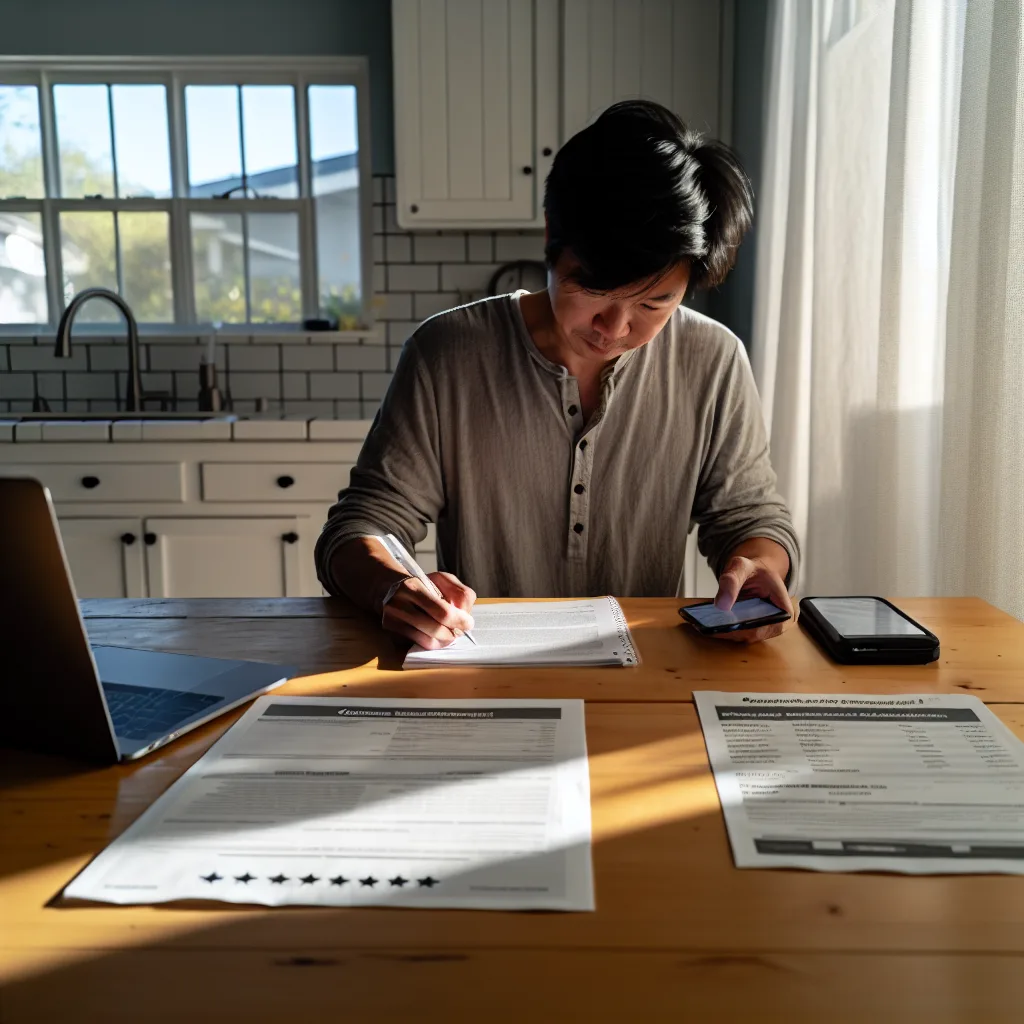
Second, look at how they calculated weight. Did someone come to your home or do a video survey? Or did they just ask you to guess how many rooms you have? Phone-only estimates are almost always wrong. They're low on purpose. An in-home or virtual walkthrough gives the long-distance moving company real data to work with.
Third, find the delivery window. Long-distance moves from Austin to the East Coast can take anywhere from a few days to a few weeks. Your estimate should include a delivery spread. If it says "as soon as possible" with no dates, that's a red flag.
And don't skip the fine print about liability. There's a difference between released value protection and full value protection. Released value costs nothing but covers almost nothing. Full value means the company repairs or replaces items at current value. Your estimate should clearly state which one applies.
One more thing people miss. Extra charges buried in the document. Shuttle fees if the truck can't reach your new home. Storage-in-transit fees if your stuff sits in a warehouse. Fuel surcharges that fluctuate. These aren't scams, they're real costs. But a trustworthy long-distance moving company puts them right on the estimate instead of hiding them.
If you're comparing estimates from different companies, line up the services side by side. Don't just compare totals. One estimate at a higher number might actually include everything, while the lower one leaves out packing and stair fees. The real price only shows up when you read every line.
So grab a highlighter. Mark anything unclear. Call the company and ask them to explain it. If they can't or won't, that tells you everything you need to know about how they'll handle your move.

Frequently Asked Questions
How far does a move need to be to count as long-distance?
Most moving companies define long-distance as anything over 100 miles. Interstate moves, meaning moves that cross state lines, always count as long-distance regardless of the actual mileage. The key difference is that interstate moves fall under federal regulations, not just state rules.
Do I need to be home when the movers arrive?
Yes. Someone authorized to sign documents needs to be present at both pickup and delivery. You'll need to sign the bill of lading at pickup and confirm your inventory at delivery. If you can't be there personally, designate a trusted person in writing ahead of time and notify your moving company.
What happens if my delivery is late?
Long-distance moves come with delivery windows, not exact dates. If your mover misses the agreed window, you may be entitled to compensation depending on your contract. Review your bill of lading for delay terms before your move starts. Keep records of all communication if delays happen.
Is it worth paying for full value protection?
For most people, yes. Released value protection covers only a fraction of what items are actually worth. Full value protection means the company must repair, replace, or reimburse at current market value. If you're moving furniture, electronics, or anything irreplaceable, the added cost is usually worth it.
Can I pack my own boxes for a long-distance move?
You can, but there's a catch. If you pack your own boxes and something inside breaks, most movers won't cover the damage. They call this PBO, or packed by owner. If you want full coverage on the contents, either let the movers pack those boxes or ask your company how they handle PBO claims specifically.
How early should I book a long-distance mover in Austin?
At least six to eight weeks out, especially if you're moving between May and August. Austin's summer moving season fills up fast. Booking early also gives you time to compare estimates properly, verify credentials, and ask questions without feeling rushed.




Google Reviews
518 Reviews | 4.9 Avg Rating