





How to Estimate Moving Costs in Round Rock, TX: A Complete Guide
Most people guess their moving costs. They pick a number that feels right. Then the final bill shows up and it's way off. Understanding what actually drives the cost helps you estimate moving costs with real accuracy.
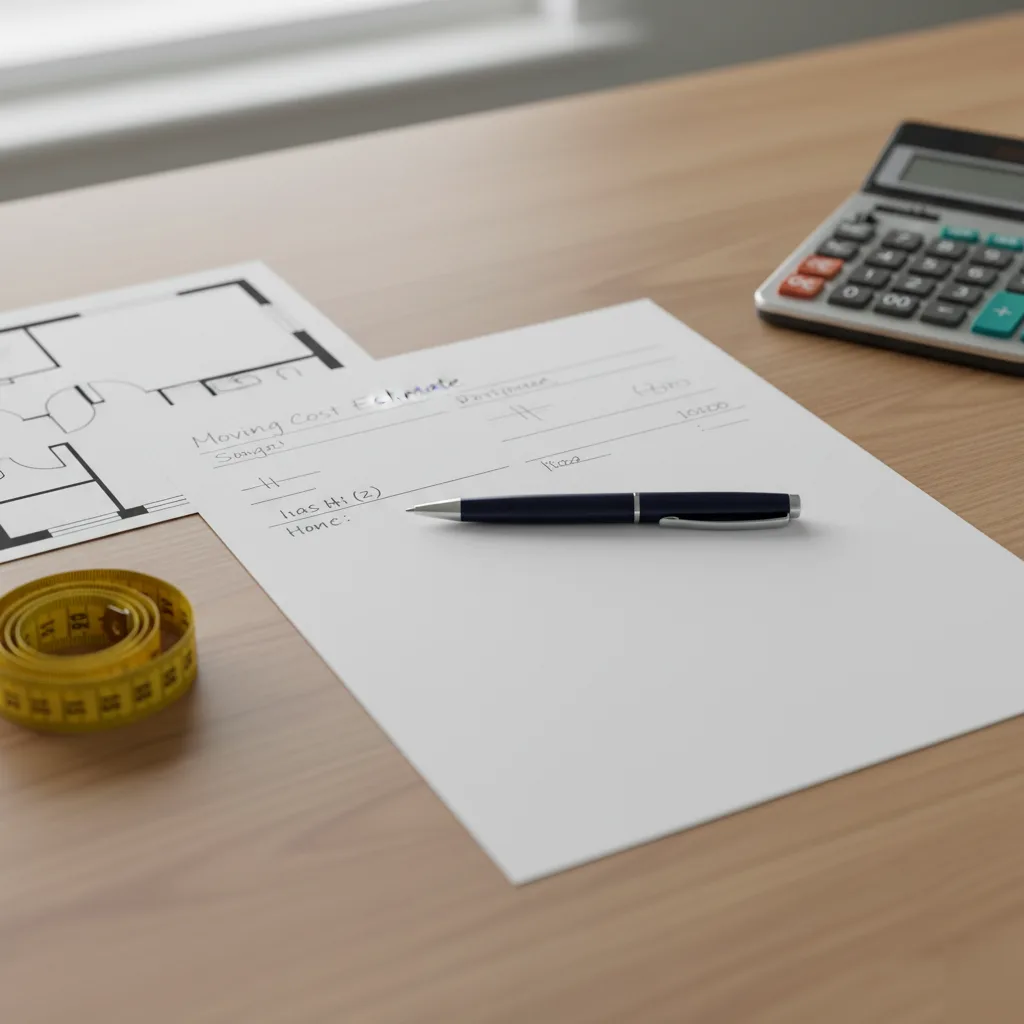
The biggest factor in finding affordable Round Rock movers that fit your budget is the size of your move — but not in the way most people assume. A one-bedroom apartment costs less than a four-bedroom house. That's obvious. But here's what catches people off guard: it's not just the number of rooms, it's the amount of stuff packed into them. We've seen a two-bedroom home in Old Town Round Rock that took longer to move than a three-bedroom place near Forest Creek because the smaller home was floor-to-ceiling full. Affordable Round Rock movers price based on reality, not assumptions — and a walkthrough estimate is the only way to get a number you can actually trust.
Distance matters too. A local move within Round Rock costs differently than relocating to Austin or San Marcos. Local moves are usually charged by the hour. Long-distance moves get priced by weight and mileage. Know which type yours is before you start calling around.
Your move date has a big impact. Summer months are peak season for moving companies everywhere. Nearly half of all moves happen between May and September. Round Rock follows this pattern closely. School calendars in Round Rock ISD push families to move during summer break. That demand drives costs up.
And then there's access. Can the truck park right outside your door? Or does it need to sit across the lot at your apartment complex near University Boulevard? Stairs, narrow hallways, long carry distances from the door to the truck. Each one adds time. Time adds cost.
Heavy or specialty items change things fast. A piano. A gun safe. A pool table. These need extra crew members and special equipment. If you've got items like these, mention them upfront when you estimate moving costs. Surprises on moving day help nobody.
Packing is another factor people forget. Some folks pack everything themselves. Others need full packing services. There's a middle ground too. You pack the easy stuff, the crew handles fragile items and artwork. Each option hits the estimate differently.
The time of month plays a role. Most leases in Round Rock end on the last day of the month. So the final week and first week of any month are the busiest windows. Moving mid-month can sometimes work in your favor.
Here's something we tell every customer: walk through your home with a notepad before you request any estimate. Open every closet. Check the garage. Look in the attic. That storage unit off Sam Bass Road you've been ignoring? Count it. The more honest your inventory, the more accurate your estimate will be.
But don't just think about what you're moving. Think about what you're not. A move is the best time to donate or sell things you don't need. Less stuff means fewer boxes, less truck space, and less labor. It directly lowers your cost.
So to recap the key factors: home size, total belongings, distance, move date, building access, specialty items, packing needs, and timing within the month. Get clear on each one and you'll have a solid foundation for your estimate. Skip any of them and you're just guessing again.
How to Calculate Moving Costs Based on Your Home Size
Your home size is the single biggest factor in estimating moving costs. Not the distance. Not the date. The amount of stuff you own drives everything else.
A one-bedroom apartment in Round Rock usually needs a small crew and a few hours. A four-bedroom home near Old Settlers Park? That's a full-day job with a bigger truck and more hands. The gap between those two scenarios is huge.
Here's how to think about it. Moving companies estimate costs based on the weight of your belongings or the time it takes to load, transport, and unload them. Both methods tie directly back to how much space your home fills. The average household move involves roughly 8,000 pounds of belongings. But that number swings wildly depending on your situation.
Start by walking through every room. Count the big items first. Sofas, beds, dressers, dining tables. These are the pieces that eat up truck space and crew time. Then look at your closets, garage, and storage areas. Most people forget about those, we see it happen constantly.
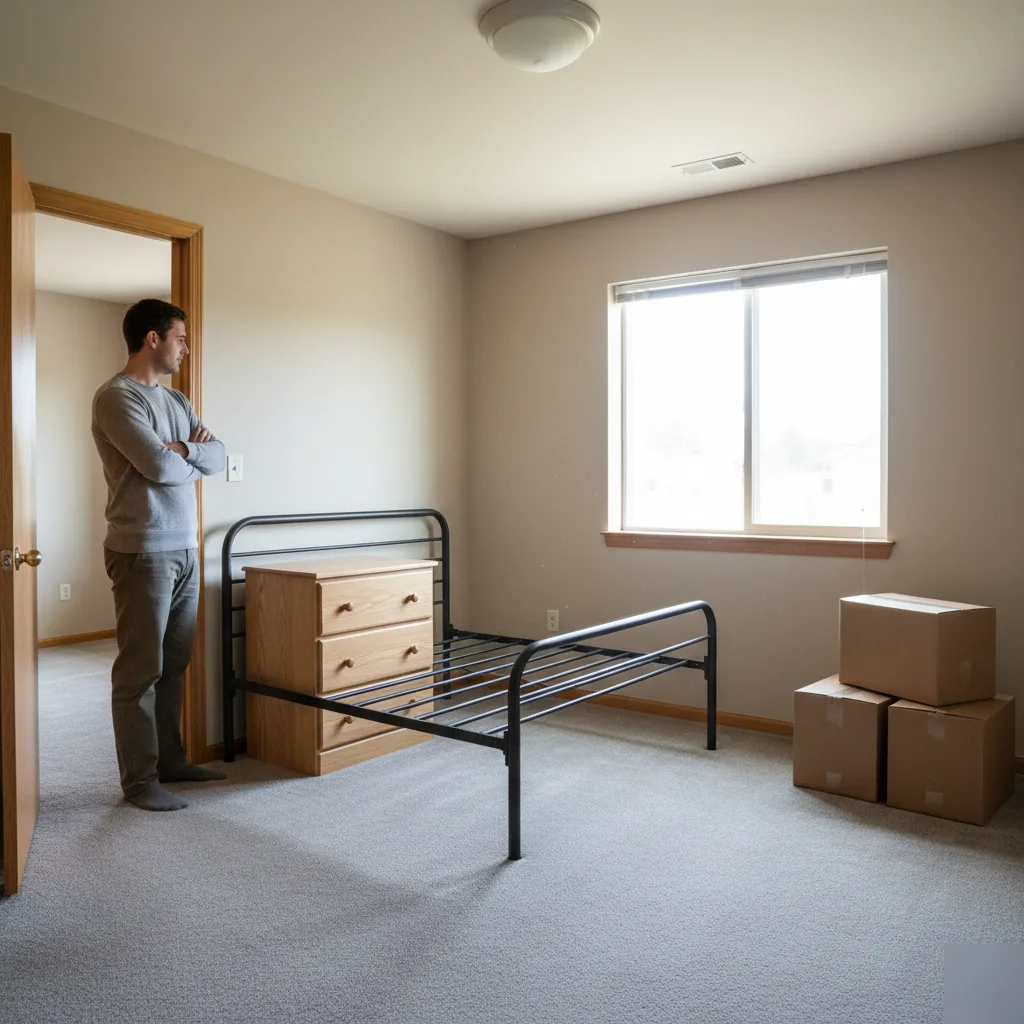
A rough framework looks like this. A studio or one-bedroom home typically fills a small portion of a moving truck. A two-bedroom home fills about half. A three-bedroom home usually requires a full truck. And a four-bedroom home or larger often needs multiple trips or a bigger vehicle.
But square footage alone doesn't tell the whole story.
Think about a couple living in a three-bedroom home in Teravista. They use one bedroom for sleeping, one as an office, one sits mostly empty. Compare that to a family of five in the same size home near Forest Creek. Every room packed, garage full, kids' toys everywhere. Same home size, completely different moving costs.
So don't just count bedrooms. Count belongings. Open every drawer, every cabinet, every bin in the attic. If you haven't touched something in a year, ask yourself if it's worth paying to move it. We tell customers this all the time, decluttering before your move is the easiest way to bring costs down.
Here's a practical step most people skip. Grab your phone and record a quick video walkthrough. Open closet doors. Show the garage. Pan across shelves. This gives any moving company a much better picture than just saying "I have a three-bedroom house." Some Round Rock movers will even give you a virtual estimate based on that video alone.
Weight matters too. A home full of books and cast-iron cookware costs more to move than one filled with lightweight plastic bins. Heavy items need more labor and put more strain on equipment. If you're doing a long-distance move, weight becomes the primary cost driver instead of time.
One more thing people overlook. Outdoor items. Patio furniture, grills, trampolines, storage sheds full of tools. These add up fast. A typical Round Rock backyard has more movable stuff than most folks realize until moving day arrives.
The goal here isn't to get a perfect number on your own. It's to get close enough that you can have a real conversation with a professional moving team. The more detail you bring to that conversation, the more accurate your estimate will be. No surprises on moving day.
Write down your room count, take that video walkthrough, and note any unusually heavy or bulky items. That's your starting point for a solid estimate.
Local vs. Long-Distance Moves From Round Rock Are Priced Differently
This trips people up more than almost anything else. The way movers estimate moving costs changes completely based on distance. A move across Round Rock to Old Settlers Park area? That's priced one way. A move from Round Rock to another state? Totally different formula.
Local moves usually mean anything under 50 miles. Most moves within Round Rock fall into this group. So do moves to nearby areas like Cedar Park, Pflugerville, or Georgetown. For local moves, companies charge by the hour. They count how many movers show up and how long the job takes.
Long-distance moves work differently.
Once you cross that 50-mile mark, weight matters. The moving company weighs your stuff on a truck scale. Then they factor in the total miles. Your estimate depends on how heavy your load is and how far it's going. Industry data shows the average long-distance move covers about 1,225 miles.
Here's a real scenario we see often. A family in Teravista sells their home. They're moving to a neighborhood in north Austin, maybe 20 minutes away. That's a local move. But their neighbor down the street? She's heading to Florida. Same size house, same amount of furniture. Her estimate will look nothing like theirs because the pricing model is completely different.
And the paperwork changes too. Long-distance moves require a binding or non-binding written estimate under federal rules. Local moves in Texas don't have that same requirement, they follow state guidelines instead.
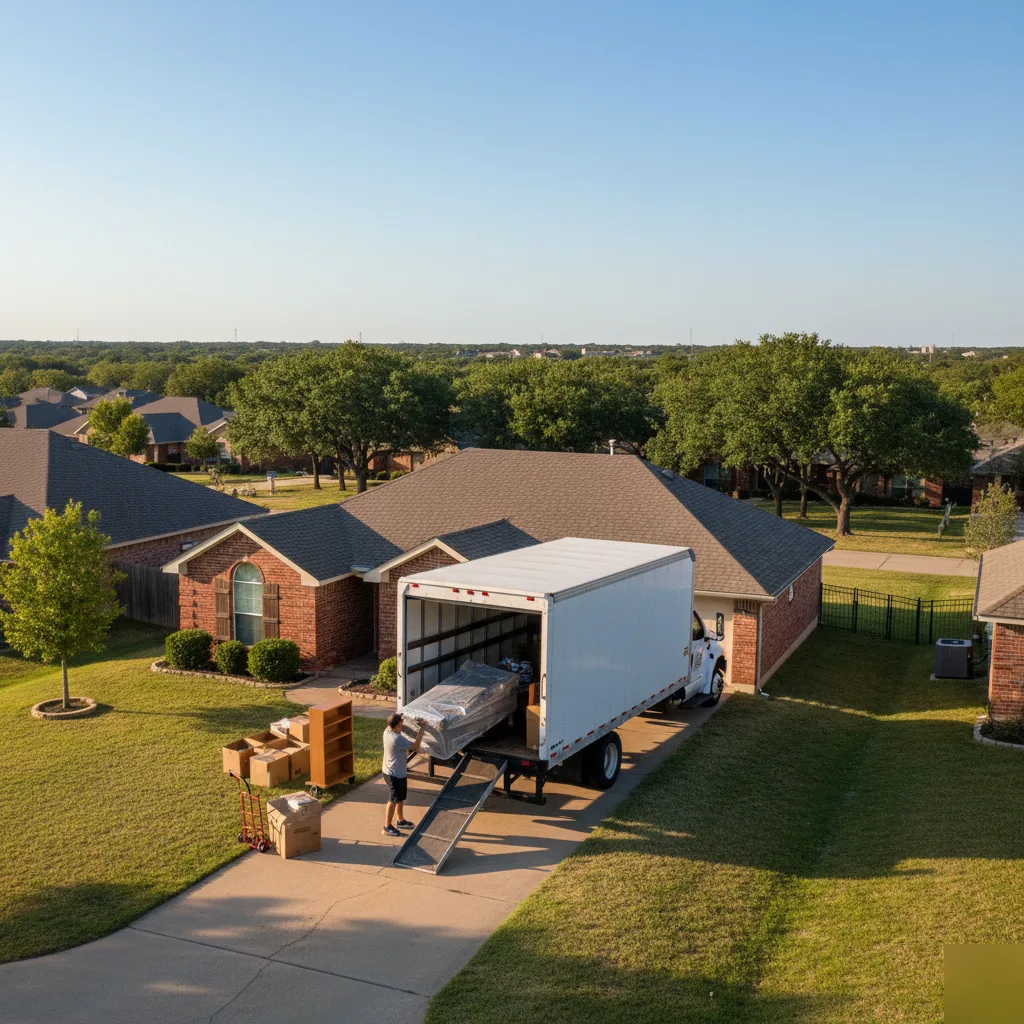
Why does this matter for you? Because you need to know what kind of move you're planning before you start calling for estimates. If you tell a company you're moving locally but your destination is actually 80 miles out, the estimate won't be accurate. We see this mistake all the time with folks moving from Round Rock toward San Antonio or Waco.
A few things to keep in mind. Local moves can surprise you with extra time charges. Stairs, narrow hallways in older Round Rock apartments, long walks from the truck to your front door. All of that adds time. And time is money on a local move.
Long-distance moves have their own surprises. Fuel surcharges pop up. So do fees for delivery windows or storage if your new place isn't ready yet.
Most people don't realize this until it's too late. The best thing you can do is figure out your exact distance first. Use a simple map tool. Measure from your current Round Rock address to your new one. If it's under 50 miles, expect hourly rates. Over 50 miles, expect weight-based pricing.
But don't guess on either one. Get an actual estimate from a mover who can walk through your home or do a virtual survey. That's how you avoid the sticker shock on moving day. If you're ready to get a clear number for your specific situation, our Round Rock moving services page is the fastest way to start.
One more thing. Some companies offer flat-rate estimates for local moves too. That can protect you if the job runs longer than expected. Ask about it when you call. It's a small detail that saves real headaches.
Frequently Asked Questions
What is the biggest mistake people make when estimating moving costs in Round Rock?
The biggest mistake is guessing based on bedroom count alone without checking what's actually inside each room. Two homes with the same number of bedrooms can have very different amounts of stuff. Always walk through every closet, garage, attic, and storage area before you request a quote. The more honest your inventory, the closer your estimate will be to your final bill. Our moving cost guide covers this step in detail.
Does the time of year affect moving costs in Round Rock?
Yes, moving costs in Round Rock go up during summer months. Nearly half of all moves happen between May and September. Round Rock ISD school calendars push many families to move during summer break, which drives up demand. If you can move in the fall, winter, or mid-month, you may find more availability. Moving during the last or first week of any month is also a busy window because most leases end then.
How does building access in Round Rock affect my moving estimate?
Building access directly affects how long your move takes, and time adds cost. If a truck can't park close to your door — like at some apartment complexes near University Boulevard — the crew has to carry items farther. Stairs, narrow hallways, and long carry distances all add time to the job. Before you get an estimate, think about where the truck will park and how easy it is to get from your front door to the street.
Do specialty items like pianos or gun safes cost more to move?
Yes, specialty items almost always add to your moving cost. A piano, gun safe, or pool table needs extra crew members and special equipment to move safely. These items take more time and more labor than standard furniture. Always mention them upfront when you request an estimate. Surprises on moving day can throw off the whole schedule and cost more than if you had listed them from the start.
Is a local move within Round Rock priced differently than a long-distance move?
Yes, local moves within Round Rock are usually charged by the hour. Long-distance moves are typically priced by weight and mileage instead. Knowing which type of move you have before you call companies helps you compare quotes fairly. A move from Old Town Round Rock to a neighborhood near Forest Creek is a local move. A move to Austin or San Marcos crosses into long-distance pricing. Understanding this difference helps you estimate moving costs more accurately.
Should I declutter before getting a moving estimate in Round Rock?
Yes, decluttering before your estimate is one of the easiest ways to lower your moving cost. Less stuff means fewer boxes, less truck space, and less labor time. A move is a great chance to donate or sell things you no longer need. Don't forget outdoor items either — patio furniture, grills, and gear stored in sheds add up fast. A leaner inventory gives you a more accurate estimate and a smaller final bill.




Google Reviews
518 Reviews | 4.9 Avg Rating