





How to Get Help Moving Furniture and Items Inside Your Own Home in Austin
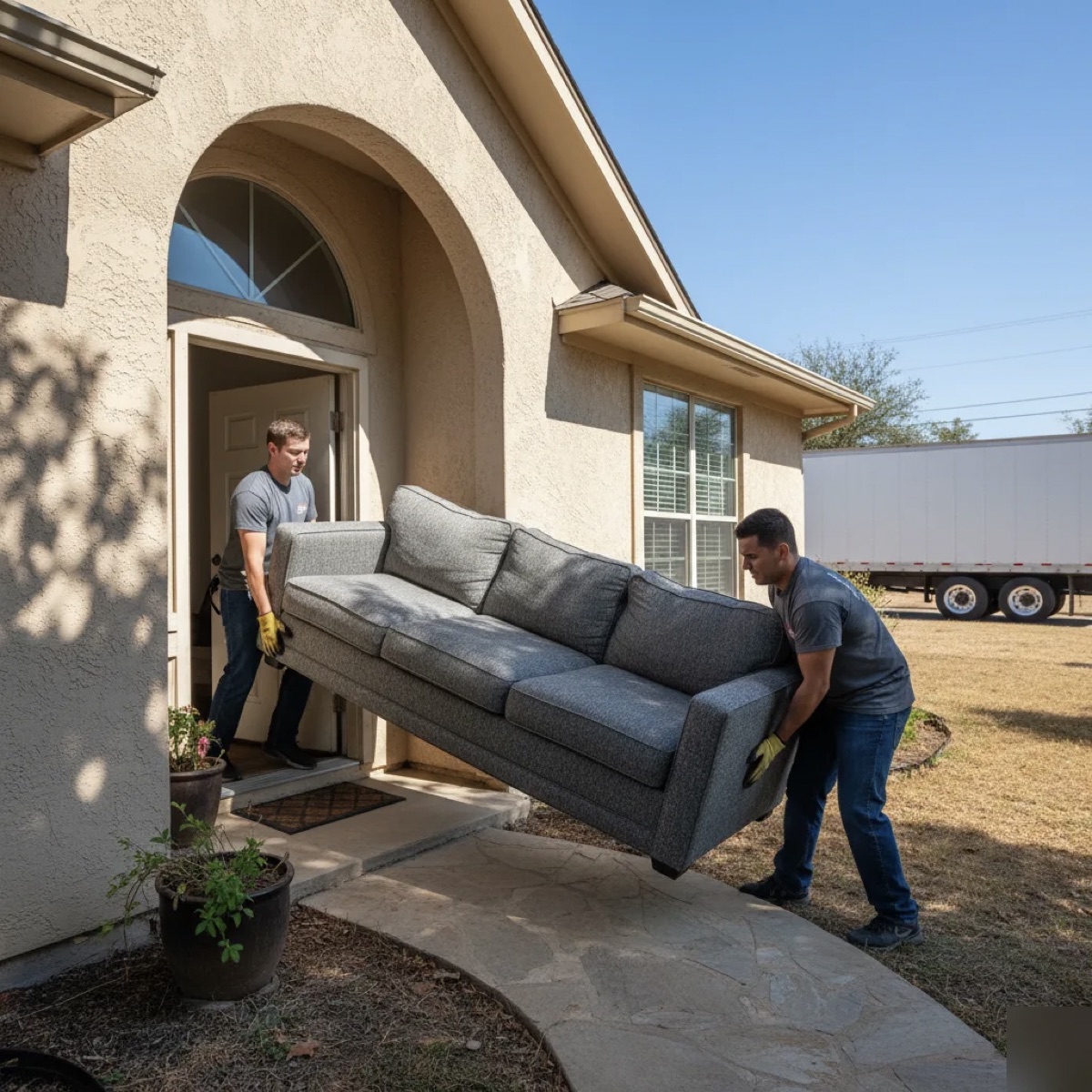
Inside Moves Are More Common Than Most Austin Homeowners Expect
Most people think of moving as something that happens between houses. But getting help moving furniture and items inside your own home is something Austin residents deal with far more often than you'd think. It's rarely because someone just bought new furniture.
Life changes inside the house. A lot. A grown kid moves back home and needs the guest room converted. A parent's health changes and their bedroom needs to shift to the ground floor. Someone finally decides to turn that cluttered spare room into a real home office. These aren't edge cases.
Austin specifically adds a few wrinkles. A lot of homes in the 78704 and 78745 zip codes were built in the 1950s and 1960s with narrow hallways and doorframes that weren't designed for today's oversized furniture. A sectional sofa sometimes has to be partially disassembled just to get it from the living room to a back bedroom — and the house is only 1,200 square feet. The furniture wasn't wrong. The floor plan just wasn't built for it.
Older Austin homes in neighborhoods like Brentwood and Crestview also tend to have finished hardwood floors throughout. That changes everything. Drag something wrong and you're looking at deep scratches that refinishing won't fully fix. Felt pads, furniture sliders rated for the floor type, and knowing the weight distribution of what you're moving — that's what actually protects the floor.
Then there's the staircase problem. Two-story homes in Austin's Mueller and Travis Heights neighborhoods often have staircases that turn mid-flight or have a landing. That 90-degree turn is where most DIY furniture moves fail. A king-size mattress or a tall bookcase hits that turn and stops. People try to muscle it — that's when walls get gouged, banisters crack, or someone gets hurt. Request a free moving estimate MoPac Austin crews provide before move day and you'll know exactly which items need specialized handling before the truck ever shows up.
Here's the part most articles skip over: the reason inside moves feel so hard isn't always the furniture — it's the room setup. A low-hanging ceiling fan in a hallway and a threshold between the original house and an addition can add 45 minutes to a job. Knowing what's between Point A and Point B matters just as much as knowing how heavy the item is.
Inside moves also come up seasonally. Austin summers push people to rearrange rooms to improve airflow or get furniture away from west-facing windows that turn into heat traps by 3 p.m.
Moving furniture inside your home is a real job. It deserves real planning, and sometimes real help.
Trying to Move Heavy Furniture Alone Carries Real Risks
Most people underestimate how dangerous solo furniture moving actually is. A dresser that looks manageable sitting still becomes a completely different problem once it's tilted, off-balance, and halfway down a hallway. Someone decides to slide a couch across the living room before company comes over and ends up with a pulled lower back or a gouge in the hardwood floor they just had refinished.
Back injuries are the number one risk. According to the Bureau of Labor Statistics, overexertion and bodily reaction — which includes lifting and moving heavy objects — accounts for roughly 35% of all workplace injuries in the U.S. That's with trained workers. At home, without proper technique or equipment, the odds get worse.
It's not just your back. Wrists, shoulders, and knees take serious strain when you're trying to carry something that weighs more than you should handle alone. A standard upholstered sofa can weigh between 150 and 300 pounds depending on the frame and cushion fill. A solid wood dining table can easily hit 200 pounds. You can't safely muscle items like that through a tight doorway by yourself.
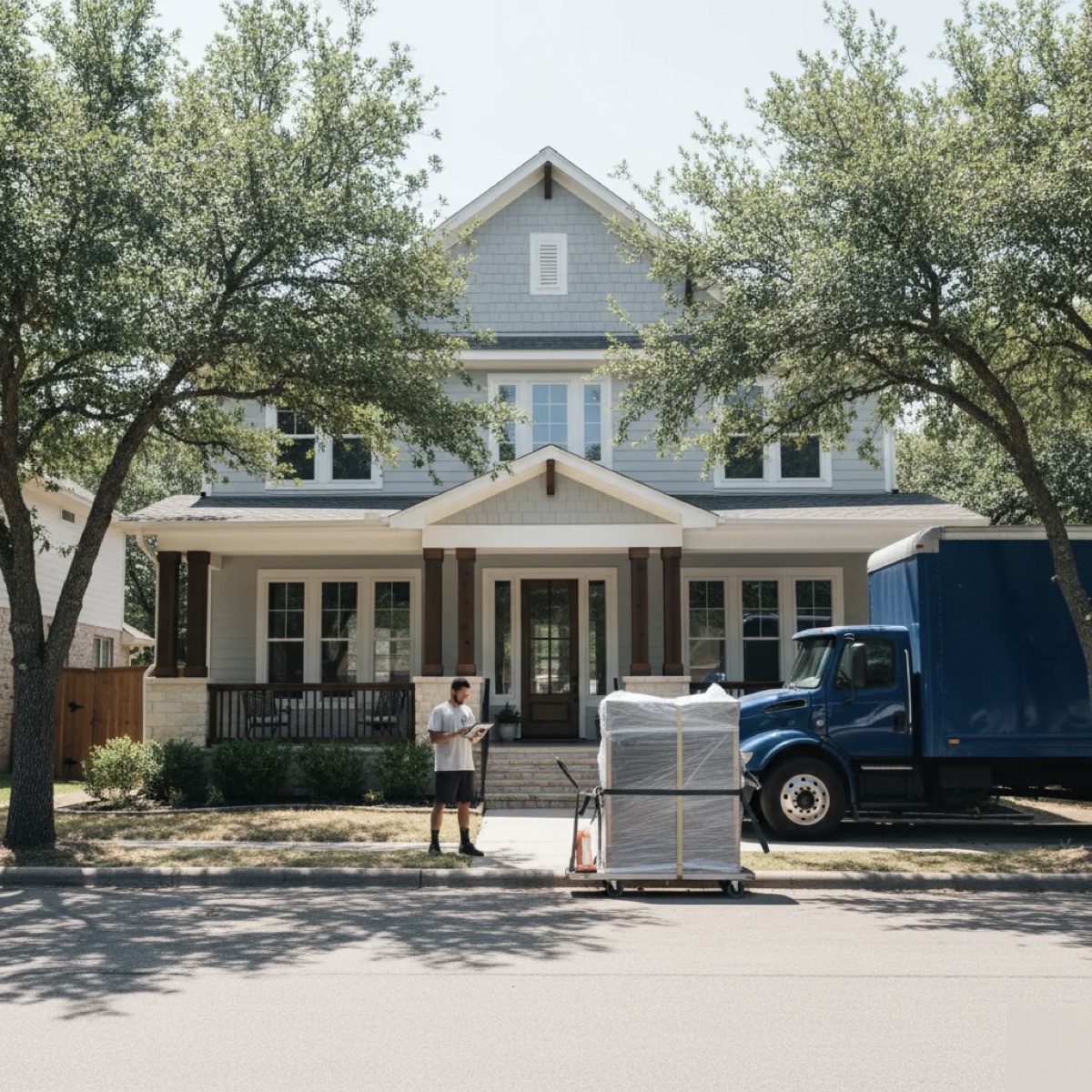
The key issue isn't whether you're strong enough — it's whether you have enough control. Those are two completely different things.
Older Austin homes off South Congress or split-levels in Tarrytown have narrow hallways and doorframes that weren't built with modern furniture in mind. One wrong angle and you're risking injury, damage to door trim, walls, and the furniture itself. There's no safe way to do certain jobs alone.
Floor damage is a bigger deal than most people expect. Dragging furniture, even just a few feet, can scratch hardwood, tear vinyl plank, or compress carpet fibers in ways that don't bounce back. Felt pads help, but they don't solve the problem when you're dealing with something that weighs 200-plus pounds at an awkward angle.
The real issue is leverage and control. Moving furniture alone, you lose both. You can't guide the front and the back at the same time. You can't keep the piece level while also watching where you're stepping. That's how corners catch walls, how legs snap off, how people trip and fall.
How do you know when a job has crossed the line from manageable to genuinely risky? Weight is part of it, but shape and path matter just as much. If you can't see where you're stepping, can't keep the piece level, and can't protect the walls at the same time — that's the line.
There's also a category of damage that doesn't show up right away: compressed discs, micro-tears in muscle tissue, a shoulder that feels fine for two days and then locks up completely.
Pro tip: before you move anything heavy, walk the entire path first. Open every door, measure every tight spot, and identify anything at floor level that could catch a wheel or a leg. Five minutes of planning prevents most of the problems that require a call for help afterward.
Professional Movers Can Handle Inside-Only Jobs Without a Full Move
You don't have to be moving out of your home to hire movers. That's one of the biggest misconceptions that comes up constantly in Austin.
You can hire a professional moving crew just to rearrange furniture inside your house. No truck, no boxes, no moving day chaos required. These jobs are called labor-only or inside-only moves. You're paying for hands and muscle, not transportation. The crew shows up, moves what you point at, and leaves.
Furniture that looks manageable often isn't. A solid wood dining table, a cast-iron bed frame, a sectional sofa — these things are heavy and awkward. Getting them through doorways, around corners, and up or down stairs without scratching your floors or gouging your walls takes real technique. It's not about being strong. It's about knowing how to angle, pivot, and protect surfaces while you move.
Weight matters, but geometry matters more. Most guides assume you only need help if the item is extremely heavy. That's wrong. Items that weigh less than 100 pounds can be genuinely difficult because of their shape or the layout of the home. A tall armoire going up a narrow staircase in an older Bouldin Creek bungalow is a puzzle, not a weight problem.
So what does a professional crew actually bring to an inside job? Moving blankets protect your furniture and your walls. Furniture dollies let one person move something that would take three without one. Shoulder straps redistribute weight so stairs become manageable. Plastic corner guards and door jamb protectors go up before anything moves. These aren't extras — they're standard on any professional job.
Inside-only jobs also make sense when you're staging a home for sale, rearranging after a renovation, or making space for a new piece of furniture being delivered. A two-person team for two or three hours handles most inside jobs without any issue.
One thing most people don't realize until it's too late: the damage from a DIY inside move usually happens in the first five minutes, before anyone's tired, before anything feels hard. It happens because there was no plan and no protection on the floors and walls before the first piece moved.
Professional movers working inside your home protect your property the same way they would on a full move. Floor runners go down before the job starts. Corners get padded. Nothing gets dragged. A one-room furniture shuffle gets treated the same as a full household move, because your floors and walls don't know the difference.
If you've been putting off rearranging a room because you don't have the help or the equipment, an inside-only moving service is the straightforward answer. You get professional results without turning it into a whole-day project or risking an injury trying to do it yourself.
Frequently Asked Questions
When should I call a professional instead of moving furniture myself?
Call a professional when the item is too heavy, the path is too tight, or the floor is too valuable to risk. If a piece weighs over 150 pounds or needs to go around a staircase turn, DIY gets dangerous fast. Austin homes — especially older bungalows near South Congress or split-levels in Tarrytown — have narrow hallways that make solo moves nearly impossible.
What's the biggest mistake people make when moving furniture inside their home?
The biggest mistake is focusing only on the furniture and ignoring what's between Point A and Point B. A low ceiling fan, a door threshold, or a 90-degree staircase turn can stop a move cold. Walk the full path before you lift anything. Measure every doorframe, check for obstacles, and know the weight of what you're carrying. A half-inch lip between two rooms can add 45 minutes to what seemed like a simple job.
How does Austin's housing stock make inside furniture moves harder?
A lot of Austin homes — especially in zip codes like 78704 and 78745 — were built in the 1950s and 1960s with narrow hallways and small doorframes. Today's furniture is much bigger than what those homes were designed for. Neighborhoods like Brentwood and Crestview also have original hardwood floors that scratch easily. One wrong drag with a heavy dresser can leave marks that refinishing won't fully fix. Knowing your floor type and door widths before you start matters here more than in newer builds.
Is it safe to move heavy furniture by yourself?
It's rarely safe to move heavy furniture alone, and the risk isn't just about strength — it's about control. A sofa can weigh between 150 and 300 pounds. A solid wood dining table can hit 200 pounds. The Bureau of Labor Statistics reports that overexertion accounts for roughly 35% of all workplace injuries — and that's with trained workers using proper equipment. At home, without the right tools or technique, the risk is higher. Back, shoulder, and knee injuries are common when people try to muscle heavy items through tight spaces alone.
Do I need special equipment to move furniture inside my home without damaging the floors?
Yes — the right equipment makes a real difference, especially on hardwood or vinyl plank floors. Felt pads help, but they're not enough for heavy items. You need furniture sliders rated for your specific floor type and an understanding of how to distribute weight evenly. Dragging a 200-pound piece even a few feet can scratch hardwood, tear vinyl plank, or permanently compress carpet. Austin homes in areas like Hyde Park and Travis Heights often have original wood floors that are irreplaceable — protecting them takes more than a moving blanket.
Why do inside furniture moves in two-story Austin homes get so complicated?
Staircases with mid-flight turns are the main reason. Homes in neighborhoods like Mueller and Travis Heights often have staircases that turn 90 degrees at a landing. A king mattress or tall bookcase hits that corner and stops. People try to force it, and that's when walls get gouged, banisters crack, or someone gets hurt. The physics of moving large objects around corners isn't obvious — it's one of the most common reasons homeowners call for help mid-job, after something has already gone wrong.




Google Reviews
518 Reviews | 4.9 Avg Rating