





Is Austin's Moving Boom Over? 2026 Migration Trends
Here's the headline nobody wants to read carefully. Austin's growth rate dropped. That's true. But the city is still growing. Those are two very different stories.

Between 2020 and 2023, the Austin metro area added roughly 180,000 people. That pace was wild. It put Austin near the top of every "fastest-growing cities" list in the country. According to the U.S. Census Bureau, the metro area grew by about 4.2% in just one year during that peak stretch.
Now? The rate has cooled off. We're seeing something closer to 2% annual growth heading into 2026. That's a slowdown, not a stop. And it still puts Austin ahead of most major metros in the U.S.
Think of it this way. A car going 90 mph that slows to 55 mph is still moving fast. You'd still need to steer it.
So what changed? A few things happened at once. Remote work policies tightened up at some big tech companies. Housing costs jumped hard between 2021 and 2024, pricing out some of the people who would've moved here. Interest rates made buying a home feel impossible for a lot of folks. All of that cooled the frenzy.
But people are still coming.
We see it every week in our work as an Austin moving company. Families relocating from the West Coast to neighborhoods like Circle C and Avery Ranch. Young professionals settling into East Austin apartments. Retirees downsizing from homes up north and landing in communities around Pflugerville and Round Rock, right on Austin's border. Every one of those moves looks different — and an Austin moving company that's handled all of them brings a level of situational awareness that a national chain simply can't match.
The difference now is the type of growth. During the boom years, it felt like everyone moved here at once. Now the pace is steadier, more predictable. That's actually better for people planning a move. Less competition for housing. More time to find the right neighborhood. Fewer bidding wars.
And the job market still pulls people in. Tesla's Gigafactory, Samsung's chip plant in Taylor, Apple's campus in North Austin. These aren't going anywhere. The economic engine that drove the boom is still running, it just isn't redlining anymore.
One thing most people don't realize is that net domestic migration tells only part of the story. International migration into the Austin area has actually ticked up. So has natural population growth from births outpacing deaths. The metro isn't just attracting transplants. It's expanding from within too.
Here's what matters for you. If you're asking whether Austin's moving boom is over, the honest answer is the frenzy phase ended. The growth phase didn't. People are still packing boxes and heading this direction every single day.
That means moving companies in Austin stay busy year-round now. Not just during the crazy summer surges. If you're planning a move into, out of, or within Austin, the smart play is booking early and working with a team that knows the area's current rhythm.
The boom didn't die. It just grew up.
Where People Are Moving From, and Why Austin Still Wins
California still leads the pack. That hasn't changed in years. But the mix of origin states is shifting in ways most people don't expect.
Back in 2021 and 2022, the story was simple. Remote workers from San Francisco and Los Angeles flooded into Austin. They wanted more space, lower taxes, and a tech scene that felt familiar. That wave was massive, it reshaped entire neighborhoods like East Riverside and Mueller practically overnight.
Now the picture looks different.
According to U.S. Census Bureau migration data, California still sends the most people to Texas. But we're seeing more arrivals from the Midwest and Southeast. Cities like Chicago, Atlanta, and Nashville are feeding Austin's growth in 2025 and into 2026. The reasons vary. Some folks are chasing job opportunities in Austin's semiconductor and biotech corridors. Others want to escape harsh winters or rising insurance costs back home.
And here's something we notice on the ground every week. The new arrivals aren't just tech workers anymore. We're helping teachers, nurses, retirees, and small business owners get settled. The profile of who's moving to Austin has gotten way more diverse. That's a good sign for long-term stability.

So why does Austin keep pulling people in when other Texas cities are growing too? A few things stand out. The job market stays strong across multiple industries. The University of Texas creates a steady pipeline of talent and energy. Cultural offerings in areas like South Congress and the Domain give Austin a personality that Houston and Dallas can't quite match.
Cost of living matters too. Yes, Austin got more expensive. But compared to where most newcomers are leaving, it's still a bargain. A family moving from the Bay Area can often cut their housing costs by 30 to 40 percent. Someone coming from Chicago saves on state income tax immediately.
But it's not just about money.
People tell us they picked Austin over San Antonio or Dallas because of the lifestyle. The trails around Lady Bird Lake, the live music, the food scene in East Austin. These things sound like marketing until you realize they're the actual tiebreaker for families choosing between cities.
We also see a pattern with boomerang movers. These are people who left Austin during the pandemic price spike and are now coming back. They tried Phoenix or Boise, realized the grass wasn't greener, and returned. This group knows exactly what they want, they tend to move fast once they find the right place.
One thing worth noting. International migration into Austin is ticking up as well. Tech visa holders and their families are choosing Austin over traditional landing spots like the Bay Area. Samsung's chip plant in nearby Taylor and Tesla's Gigafactory in southeast Travis County are big magnets for this group.
If you're planning a move to Austin or relocating within the city, understanding where the demand is coming from helps you time things right. The moving boom isn't over. It just grew up. And that means you need a moving plan that accounts for busier corridors, popular neighborhoods, and seasonal demand spikes that hit hardest from May through September.
Curious how all of this affects your specific move? Our Austin moving services page breaks down exactly how we help people navigate this market right now.
Out-Migration Is Real, Here Is What the Data Actually Shows
People are leaving Austin. That's not a rumor. The U.S. Census Bureau's 2024 American Community Survey shows Travis County's net domestic migration turned negative for the second year in a row. More people moved out than moved in from other U.S. locations.
But here's the part most headlines skip.
The number of people arriving is still huge. Austin added roughly 25,000 new residents from international migration and natural growth in the same period. The city isn't shrinking. It's just not growing at the wild pace we saw in 2021 and 2022. We help families move in and out of Austin every single week, the trucks are still rolling both directions.
So where are people going? According to Texas Demographic Center data, the top destinations for Austin leavers include San Antonio, Dallas-Fort Worth, and Houston. Some head to smaller Texas cities like New Braunfels or Georgetown. A chunk moves out of state entirely, often to Phoenix, Denver, or Nashville. The reasons vary. Housing costs pushed some families toward more affordable metros. Remote work flexibility let others chase lower cost of living without changing jobs.
Here's what we actually see on the ground. A couple in the Mueller neighborhood sells their home, pockets the equity, buys something twice the size near San Marcos. Or a tech worker in East Riverside gets laid off, decides Portland makes more sense for their next chapter. These aren't panic moves. They're calculated decisions by people who did the math.
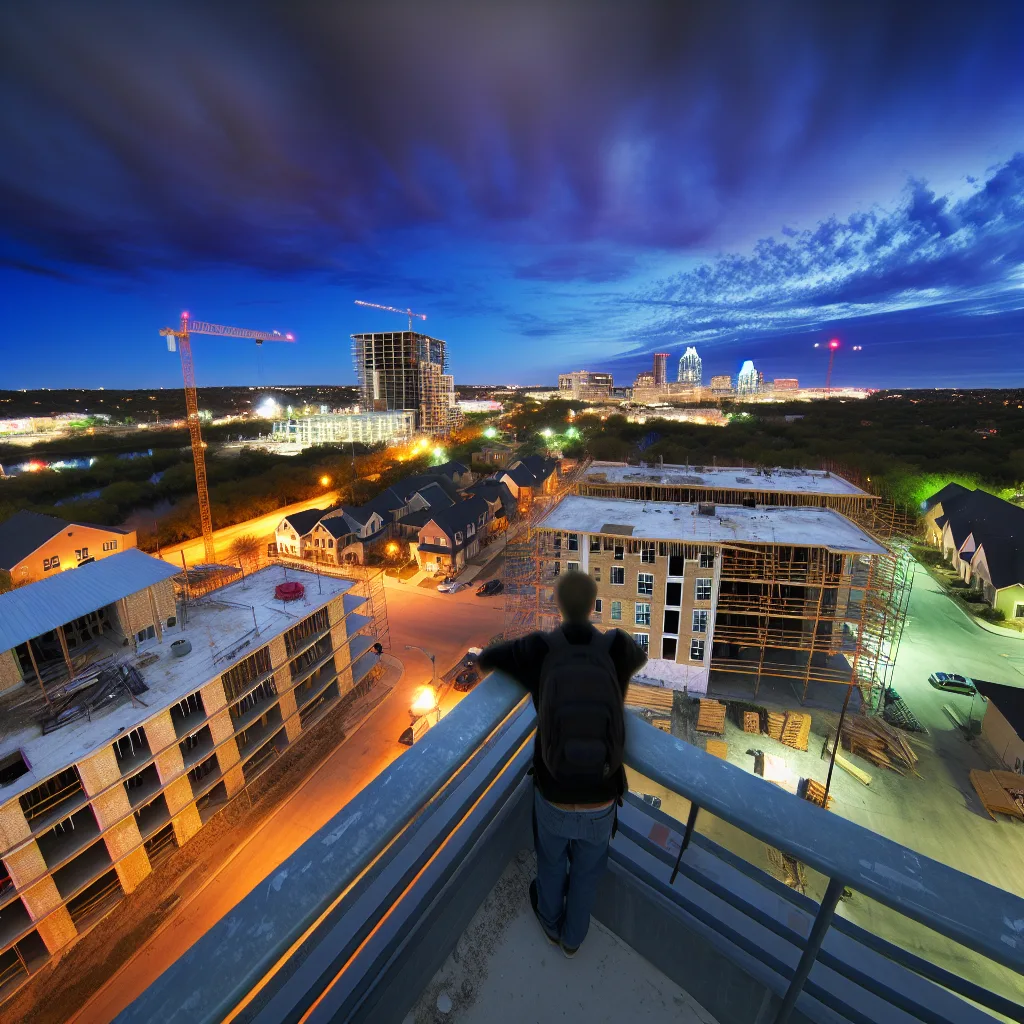
The out-migration numbers look dramatic until you zoom out. Travis County lost about 14,000 residents to domestic migration in 2023. That sounds like a lot. But the metro area still grew by over 50,000 people total when you count international arrivals and births. Austin remains one of the fastest-growing large metros in the country.
And the people leaving aren't all long-time residents. Many are folks who moved here during the pandemic boom and found it wasn't the right fit. Short-term transplants cycling back out, that's a pattern we've noticed since late 2023.
Round Rock, Pflugerville, and Cedar Park are telling a different story altogether. These suburbs keep absorbing families who want Austin-area jobs without Austin-area rent. The growth just shifted outward. It didn't disappear.
Most people don't realize this until it's too late, moving during a migration shift changes your timeline. Demand for local moving in Austin stays steady even when population growth slows. You're competing with fewer buyers but also fewer available movers during peak months. Planning ahead matters more now than it did two years ago.
One more thing worth noting. The people moving to Austin in 2025 and 2026 tend to be higher earners. They're relocating for specific jobs at Tesla, Apple, Oracle, or Samsung. That's different from the 2021 wave of remote workers chasing vibes and barbecue. The incoming crowd is more intentional, they've done their homework on neighborhoods like South Congress, Bouldin Creek, and North Loop.
So is the boom over? Not exactly. The frenzy cooled down. But Austin's population story in 2026 looks more like a steady current than a tidal wave. That's actually healthier for everyone trying to plan a move here or away from here.

Frequently Asked Questions
Is Austin still growing in 2026?
Yes, but at a slower pace. Annual growth has settled around 2%, down from the 4%+ peak years. The city is still adding residents through international migration and natural growth even as domestic in-migration has cooled.
Where are most people moving to Austin from?
California remains the top source state. But arrivals from the Midwest and Southeast, especially Chicago, Atlanta, and Nashville, have increased noticeably heading into 2026.
Why are people leaving Austin?
Housing costs and cost of living are the main drivers. Many leavers are heading to nearby Texas cities like San Antonio or smaller suburbs like New Braunfels and Georgetown where their dollar stretches further.
Are Austin's suburbs still growing?
Yes. Round Rock, Pflugerville, Cedar Park, and Georgetown are absorbing a lot of the demand that used to go straight into Travis County. Families want access to Austin jobs without Austin-level rent.
Does the migration slowdown affect moving timelines?
It can. Demand for movers stays steady even when population growth slows, especially from May through September. Booking early is still the smart move if you want flexibility on your date.
Who is moving to Austin now compared to the boom years?
The profile has shifted. The 2021 wave was heavy on remote workers chasing lifestyle. The 2025 and 2026 arrivals tend to be higher earners relocating for specific roles at companies like Tesla, Apple, Samsung, and Oracle. More intentional, more targeted.




Google Reviews
518 Reviews | 4.9 Avg Rating