




Moving to Austin, Texas in 2026: What You Need to Know
Moving to Austin, Texas in 2026: Everything You Need to Know Before You Go is exactly what this guide covers. Austin is growing fast, the cost of living has shifted, traffic is a real factor, and picking the wrong neighborhood can cost you months of frustration. Read this before you pack a single box.
Austin's Neighborhoods Have Very Different Feels, Pick the Right One First
This is where most people moving to Austin in 2026 get it wrong. They pick a neighborhood based on price alone. Then six months later, they hate their commute or feel totally disconnected from the vibe they wanted.
Austin isn't one big uniform city. Each area has its own personality, its own pace, its own crowd. We see this mistake all the time with folks relocating from out of state.
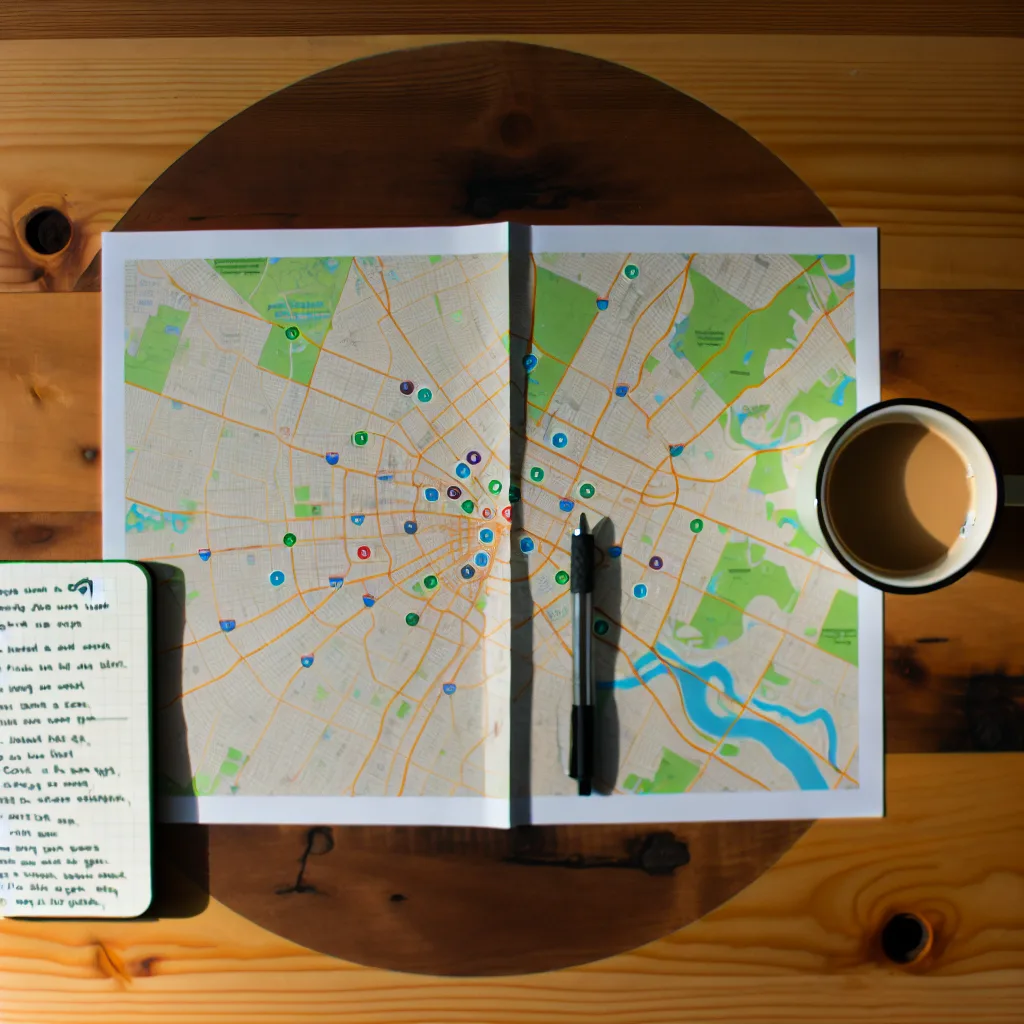
Let's break down some of the major areas so you can narrow things down fast.
Downtown and East Austin sit close to the action. Live music, food trucks, nightlife. East Austin especially has changed a lot over the past decade. It's walkable in spots and draws a younger crowd. But it's loud, it's busy, and parking can be a real headache. If you want energy and don't mind tight spaces, this part of town delivers.
South Lamar and Zilker feel a bit more relaxed. You're still close to Barton Springs and plenty of restaurants. Families and young professionals mix here. The tree cover is nice. Streets feel calmer than downtown but you're only minutes away from the core of the city.
North Austin around the Domain area is a totally different world — and full-service local movers who know the difference make the transition significantly smoother. It's more suburban, more structured. Big retail, newer apartment complexes, corporate offices. If you're working in tech up near the Parmer Lane corridor, living in this area saves you a brutal commute south. With high-rise apartments, gated complexes, and loading dock requirements common throughout the Domain, full-service local movers who've worked these buildings know exactly what to expect before the truck ever pulls up.
Cedar Park and Round Rock sit just north of Austin's border. They're technically separate cities but feel connected. Families love these areas for the schools and the extra square footage. The trade-off? You're 30 to 45 minutes from downtown on a good traffic day.
Then there's South Austin below Ben White Boulevard. It's quirky. It's proudly weird. Bumper stickers and breakfast tacos define the culture down here. You'll find more established homes, older lots, and a strong sense of community identity.
So how do you actually choose?
Start with your commute. According to the U.S. Census Bureau's American Community Survey, Austin's average one-way commute sits around 26 minutes. That number jumps fast if you pick the wrong side of town relative to your job. I-35 congestion alone can add 20 minutes during rush hour.
Next, think about your daily life. Do you want to walk to coffee shops? Do you need a big yard for dogs or kids? Are you okay being 20 minutes from a grocery store if it means more space? These questions matter more than people realize.
Most people don't realize this until it's too late, but Austin's east and west sides feel like different cities. West of MoPac you get hills, limestone, and higher price points. East of I-35 is flatter, more urban, more eclectic. Neither is better. They're just different.
One thing we always tell people is to visit your top two neighborhoods on a Saturday morning and a Tuesday at 5 PM. Saturday shows you the lifestyle. Tuesday rush hour shows you the reality.
And don't just trust online reviews. Drive the streets yourself. Walk the blocks. Eat at the local spots. That's how you feel whether a neighborhood fits your life or just looks good on a map.
If you're still narrowing things down, our full guide to moving to Austin covers how to match your budget and lifestyle to the right part of town.
Austin's Cost of Living Is High, Here's What to Budget Before You Arrive
This one catches people off guard. Austin isn't the cheap Texas city it was ten years ago. Not even close.
The median home price in Austin sits around $450,000 as of early 2025, according to the Austin Board of Realtors. That's dropped from the 2022 peak, but it's still a big number. Renting isn't much easier. A one-bedroom apartment in central areas like Downtown or South Congress runs $1,500 to $2,000 a month. Move further out toward Pflugerville or Round Rock and you'll save a few hundred.

But housing is just the start.
Groceries cost about 5 percent more here than the national average. Dining out adds up fast in a city that loves its food scene. A casual meal for two in the East Riverside or Mueller neighborhoods? Budget $50 to $70 with drinks. We see people plan their housing budget carefully, then get blindsided by how much they spend eating out in the first three months.
Texas has no state income tax. That sounds great on paper. And it is a real benefit. But property taxes make up the difference. Travis County's effective property tax rate hovers around 1.8 percent. On a $450,000 home, that's roughly $8,100 a year. If you're moving from a state with income tax but low property taxes, the math might surprise you.
Utilities deserve their own line item. Austin summers are brutal. Your electric bill from June through September can easily hit $200 to $350 for a three-bedroom house. Austin Energy is the main provider, it's city-owned and rates vary by season. Most newcomers underestimate how much air conditioning costs here.
Transportation is another budget category worth planning. Austin's public transit system is growing but limited. Most people drive. Gas prices tend to stay near the national average, but car insurance in Texas runs higher than many states. If you're settling in areas like Cedar Park or Buda, expect a daily commute of 30 to 45 minutes into central Austin.
Here's a rough monthly snapshot for a household of two:
- Rent or mortgage: $1,800 to $2,500
- Utilities: $150 to $350
- Groceries: $500 to $700
- Transportation: $400 to $600
- Dining and entertainment: $300 to $500
That puts you somewhere between $3,150 and $4,650 a month before savings or extras. It's manageable on two incomes, tight on one.
One thing most people don't realize until it's too late? The cost gap between neighborhoods is huge. Living in Tarrytown or Zilker costs dramatically more than living in North Austin near the Domain. Same city, very different price tags. A 15-minute drive can save you $500 a month in rent.
So before you pack the truck, build a real budget. Not a hopeful one. Factor in the property taxes, the summer electric bills, the $16 breakfast tacos at the trendy spot on South Lamar. Austin is worth the cost for a lot of people. You just need to walk in with your eyes open.
If you're starting to map out your move, our full Austin moving guide breaks down neighborhoods, timelines, and everything else you'll need to land on solid ground.
Austin Traffic and Transportation Will Shape Your Daily Life More Than You Expect
Here's what nobody tells you before moving to Austin, Texas in 2026. The commute changes everything. Where you live, where you work, how you spend your evenings. Traffic touches all of it.
Austin grew faster than its roads could handle. The Texas A&M Transportation Institute ranked it among the most congested mid-size metros in the country. That was years ago. It's only gotten worse since then.
I-35 runs right through downtown. It's the spine of the city, and it's under massive construction through 2026. The I-35 Capital Express Central project is rebuilding the highway from US 290 East to US 290 West/SH 71. That means lane shifts, detours, and slowdowns for years. If your daily route touches I-35, plan extra time. Every single day.
MoPac (Loop 1) is the other major north-south route. It moves better than I-35, but "better" is relative. Rush hour on MoPac between Parmer Lane and Slaughter Lane can still eat 45 minutes of your life.
So where does that leave you?

Most people we talk to underestimate this. They pick a home in Round Rock or Buda because it's affordable. Then they spend two hours a day in the car. That's not a commute, that's a part-time job.
The good news is Austin's transit options are growing. Capital Metro runs bus routes across the city. The MetroRail Red Line connects downtown to Leander with stops in places like Crestview and Lakeline. And Project Connect is bringing light rail to major corridors. The first phase targets routes along Riverside Drive, the East Riverside area, and up through the North Lamar corridor. Construction is underway, but full service is still a few years out.
Biking is real here too. Not just for exercise. The Lance Armstrong Bikeway, Shoal Creek Boulevard, and trails along Lady Bird Lake give commuters actual options. Austin's flat-ish east side makes pedaling practical for short trips.
But let's be honest. Most Austin residents still drive. A lot.
If you're working in the Domain area, living near Pflugerville or Wells Branch cuts your commute big time. Working downtown? Look at neighborhoods like East Austin, South Lamar, or Zilker. The closer you are, the less traffic controls your schedule.
One thing that surprises newcomers is how spread out Austin really is. It's not compact like some cities. Getting from Cedar Park to South Congress can take over an hour during peak times. That distance shapes your social life too. You won't drive 40 minutes for a Tuesday dinner with friends. You just won't.
Remote work changes the math completely. If you only commute two or three days a week, living farther out makes more sense. Many people moving to Austin right now are building their housing search around a hybrid schedule. Smart move.
Here's a quick way to think about it. Before you pick a neighborhood, drive the route during rush hour. Not on a Saturday. Not at noon. Drive it at 7:45 AM on a Wednesday. That one test will tell you more than any online map estimate.
And don't forget parking downtown. It's tight and it's expensive. Street parking near South Congress or the Warehouse District fills fast. If your job is downtown, factor in a garage pass or a transit option.
We see this mistake all the time. Someone falls in love with a house, signs a lease, then realizes the commute is brutal. Planning your transportation first saves you from that regret. If you're still figuring out which part of Austin fits your life, our full Austin moving guide breaks down neighborhoods by commute time and lifestyle.
Frequently Asked Questions
Is Austin still a good place to move in 2026?
Yes, but go in with realistic expectations. The job market is strong, especially in tech, healthcare, and government. The food scene and outdoor options are genuinely great. The cost of living is higher than it used to be, and traffic is a real daily factor. People who research before they arrive tend to settle in much faster than those who show up and figure it out later.
What is the cheapest area to live near Austin?
Pflugerville, Manor, and Buda tend to offer the most affordable housing while still keeping you connected to Austin. Round Rock and Cedar Park are slightly pricier but still cheaper than central Austin. The trade-off with all of these is commute time. You'll save on rent but spend more time in the car.
How much money do I need to move to Austin?
Plan for first month's rent, last month's rent, and a security deposit upfront. That's roughly $4,500 to $6,000 for a one-bedroom in a mid-range area. Add moving costs, utility deposits, and a buffer for the first few months of higher-than-expected expenses. Most financial advisors suggest having three months of living expenses saved before a major relocation.
Does Austin have good public transportation?
It's improving but still limited compared to larger cities. Capital Metro covers a lot of ground with buses, and the MetroRail Red Line is useful if you live along that corridor. Project Connect will expand light rail options over the next several years. For now, most people need a car. If you're car-free by choice, stick to central neighborhoods where biking and walking are realistic.
What should I know about Austin summers before moving?
They are hot. Genuinely, consistently hot. Temperatures above 100 degrees are common from June through August. The humidity is lower than Houston but still noticeable. Budget for high electric bills during those months. Most outdoor activity shifts to early morning or evening. Barton Springs Pool becomes a local lifeline. If you're moving from a cooler climate, give yourself a full summer to adjust before deciding how you feel about it.
When is the best time of year to move to Austin?
Fall and spring are the most comfortable. October through November and March through April give you mild weather, which makes moving logistics much easier. Avoid moving in July or August if you can help it. Carrying furniture in 105-degree heat is miserable, and moving companies book up fast during peak summer months. If you have flexibility, aim for a fall arrival and use the cooler months to explore neighborhoods before committing long-term.




Google Reviews
518 Reviews | 4.9 Avg Rating