




Moving to Round Rock, TX? Everything You Need to Know Before You Arrive
Not all parts of Round Rock feel the same. Each neighborhood has its own vibe, its own pace. Picking the right one matters more than most people think.
Let's start with Old Settlers Park area. Families love it here. You're close to trails, sports fields, and open green space. Homes range from newer builds to places with a bit of history. It's the kind of spot where kids ride bikes after school and neighbors actually wave.
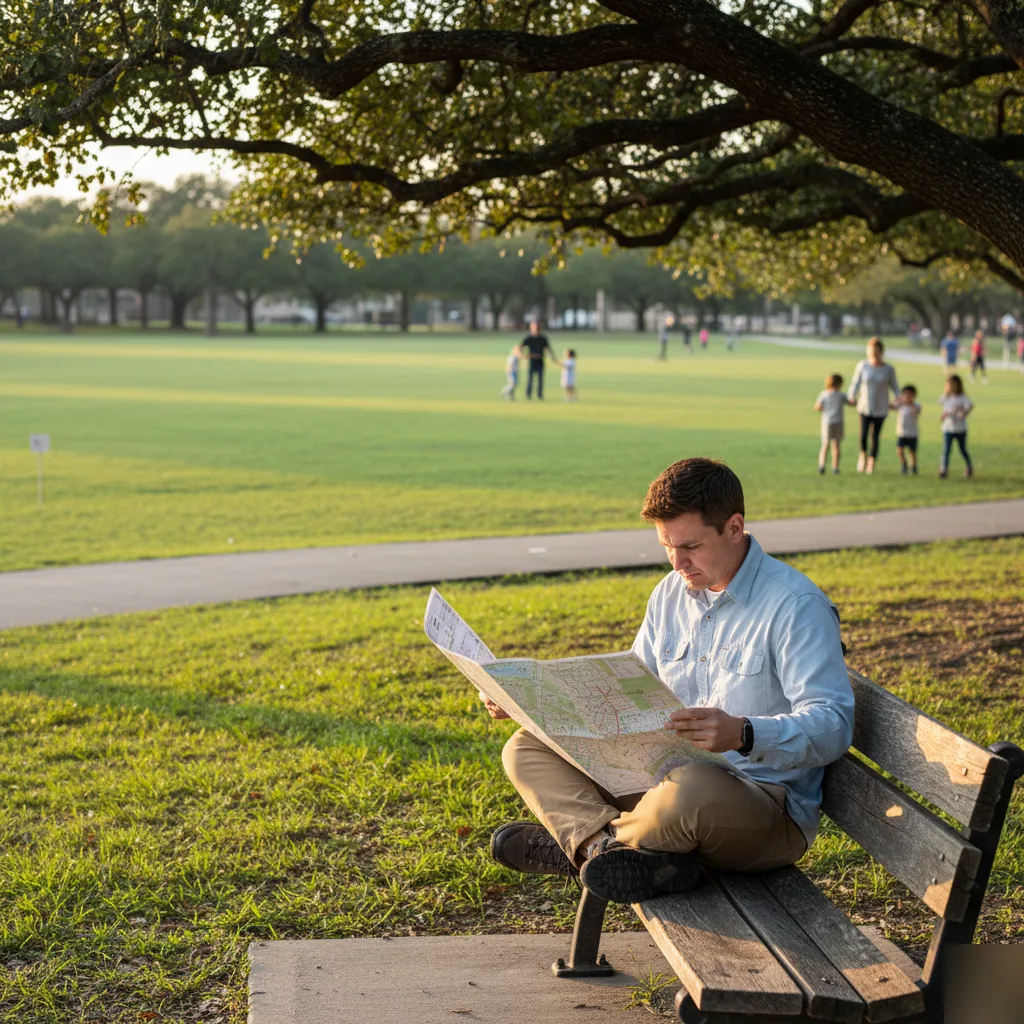
Then there's Teravista. It's a master-planned community in the eastern part of Round Rock. You'll find a golf course, pools, and playgrounds built right in. The streets are wide, the yards are kept up. We've helped a lot of families move into Teravista, it's one of the most requested areas we see.
Cat Hollow sits in the northern part of town. Quiet streets. Good schools nearby. It draws people who want space without being too far from stores and restaurants along IH-35. But here's what catches newcomers off guard. Some of the older sections have smaller lots than you'd expect.
Paloma Lake is another master-planned neighborhood worth a look. It's near Highway 79 in the northeast corner of the city. There's a community center, splash pads, and walking trails. Younger families tend to gravitate here. And the homes are relatively newer compared to other parts of Round Rock.
Forest Creek has been around longer than most neighborhoods in the area. It's got a golf course running through it and mature trees everywhere. The feel is more established. If you want a neighborhood that doesn't look like it was built last year, Forest Creek delivers that.
So what about downtown Round Rock? It's small but growing fast — and for Round Rock Texas movers, it presents its own unique set of challenges. You'll find local restaurants, coffee shops, and weekend events along Main Street. Living close to downtown means walkability, which is rare in most of Central Texas. But inventory is limited, so homes here don't sit on the market long, and when you're ready to move you'll want Round Rock Texas movers who know the neighborhood layouts, parking constraints, and tight access points that come with older downtown streets.
Brushy Creek runs along the western edge of Round Rock. Some parts technically cross into Cedar Park. The creek itself is a big draw. People jog along it, let their dogs splash in it. Homes in this corridor tend to be mid-size with decent yards.
One thing most people don't realize until it's too late: school zones vary a lot between neighborhoods. Two streets apart can mean two different elementary schools. Round Rock ISD covers most of the city, but boundaries aren't always intuitive. Check the district's boundary map before you commit to a home.
Here's a scenario we run into often. A family falls in love with a house in one neighborhood but assumed their kids would attend a school in a different zone. That mix-up causes real stress during a move. A little research upfront saves a lot of headaches.
Traffic patterns matter too. Neighborhoods near IH-35 or Highway 45 give you faster access to Austin. But morning commutes from neighborhoods on the far east side can add 15 to 20 minutes depending on the route. Think about your daily drive before you pick a spot.
If you're still narrowing down where to land, our Round Rock moving guide breaks down what to expect from the city as a whole. It'll help you connect the dots between neighborhoods, schools, and daily life here.
What the Round Rock Cost of Living Actually Looks Like Day to Day
Forget the national averages for a second. What does your wallet actually feel like here? That's the question most people ask us right before moving to Round Rock.
Groceries run about 3 to 5 percent below the national average. A gallon of milk costs around $3.50. A dozen eggs hover near $2.80 on a normal week. H-E-B is the go-to grocery store here, and their prices beat most chains we've seen in other states. You'll notice the savings fast.
Housing is the big one. The median home price in Round Rock sits around $400,000 according to the U.S. Census Bureau's 2023 estimates. That's lower than Austin proper. A two-bedroom apartment typically runs $1,400 to $1,700 a month near areas like Teravista or Old Settlers Park. But here's the thing most people miss: property taxes in Texas are higher than many states. There's no state income tax, the trade-off hits your property tax bill instead. Expect rates around 2 percent of your home's assessed value.
We see this surprise people all the time.
Someone moves here from California, thrilled about no income tax. Then January rolls around and that property tax bill arrives. It's not a dealbreaker. You just need to plan for it. Your monthly budget should account for roughly $600 to $800 in property taxes on a $400,000 home.
Utilities tell their own story. Summer electric bills can hit $200 to $300 easily. Round Rock gets hot from May through September. Air conditioning runs hard. Water bills average $50 to $80 a month depending on your yard size. If you're coming from the Northeast, your winter heating costs will drop to almost nothing.

Gas prices stay close to the national average. Usually a few cents under. A tank of gas costs around $40 to $55 for most sedans. You'll drive more here than in a big walkable city, so factor that in. Most errands mean a 10 to 15 minute drive along I-35 or A.W. Grimes Boulevard.
Dining out is reasonable. A sit-down meal for two at a mid-range restaurant runs $45 to $70. Fast casual spots near La Frontera or the Round Rock Premium Outlets charge $10 to $15 per person. Coffee shops price lattes around $5 to $6.
And childcare? That's a big line item for families. Full-time daycare in Round Rock averages $900 to $1,300 a month per child. It varies by age and facility. Infant care costs more than toddler programs.
Here's a real scenario we walked through with a family last year. A couple moved from Denver with two kids. Their combined household income was $120,000. After removing Colorado state income tax and factoring in Round Rock's lower housing costs, they had about $800 more per month in take-home pay. Property taxes ate some of that back, but they still came out ahead by roughly $400 a month. Not life-changing money, but enough to feel the difference.
So is Round Rock cheap? No. But it's manageable. Your dollar stretches further here than in Austin, Dallas, or most West Coast cities. The key is understanding where the costs hide. If you're planning a move and want help thinking through the real numbers, our Round Rock moving guide breaks down everything you'll need before arrival day.
Most people don't realize this until it's too late: budgeting for a new city isn't about one big number. It's about fifty small ones that add up every week.
Getting Around Round Rock: Roads, Traffic, and Commute Realities
Round Rock sits right along the I-35 corridor. That's the biggest thing you need to know about getting around here. This one highway shapes daily life for thousands of residents.
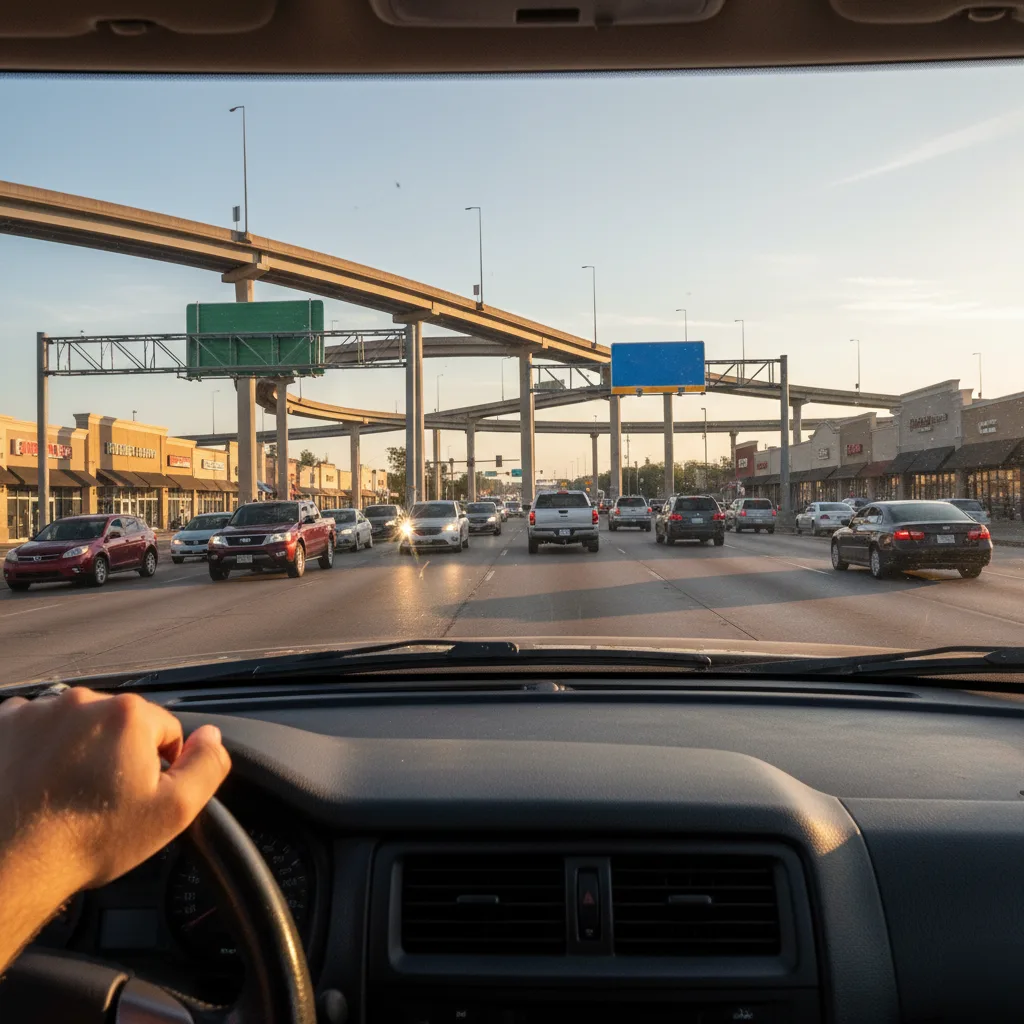
I-35 runs straight through the heart of the city. It connects you to Austin in about 20 minutes without traffic. But here's the catch. "Without traffic" is doing a lot of heavy lifting in that sentence.
Morning rush starts around 7 a.m. and runs until 9:30. The southbound lanes toward Austin get packed. We see people surprised by this every single week. They visit Round Rock on a Saturday, love it, move here, then hit their first Monday commute. It's a different experience.
Evening rush flips the script. Northbound I-35 backs up from about 4:30 to 6:30 p.m. as workers head home. The stretch between Highway 45 and University Boulevard can crawl during peak hours. Plan for 35 to 45 minutes to reach downtown Austin on a bad day.
So what do locals actually do?
Toll roads. That's the real answer. The 45 Toll and 130 Toll cut around the eastern side of the city. They save serious time. Highway 130 runs parallel to I-35 and stays wide open most days. You'll pay a few dollars each way, but many commuters say it's worth every penny.
Surface streets inside Round Rock work pretty well. A.W. Grimes Boulevard runs north-south on the east side. Red Bud Lane handles a lot of neighborhood traffic near Old Settlers Park. University Boulevard and Gattis School Road are your main east-west connectors. Most errands stay within a 10-minute drive.
Public transit is limited, that's the honest truth. Capital Metro's bus service reaches parts of Round Rock, but coverage isn't as dense as in Austin proper. Most residents rely on personal vehicles. The Texas Department of Transportation has ongoing I-35 expansion projects aimed at easing congestion through the area.
And biking? It depends on where you live. Some newer neighborhoods near Brushy Creek have great trail access. The Brushy Creek Regional Trail stretches over 6 miles. It's perfect for recreation but not really built for commuting to work.
One thing most people don't realize until it's too late. Where you live within Round Rock matters more than the city itself for commute times. A home near the 45 Toll interchange could cut 15 minutes off your daily drive compared to a home just three miles west.
If you're moving to Round Rock and planning to work in Austin, pick your neighborhood carefully. The east side gives you faster toll road access. The west side puts you closer to Cedar Park and the 183A corridor. Both work, they just serve different commute routes.
Parking is easy here. Almost everywhere has free lots. No meters. No garages to navigate. That alone feels like a luxury if you're coming from a bigger city.
Round Rock is also growing fast. New road projects pop up regularly. The intersection at I-35 and SH-45 has seen major improvements in recent years. Construction zones are part of life here right now, but they're building toward better flow.
But don't let traffic scare you off. Most Round Rock residents handle daily life without ever touching I-35. Grocery stores, restaurants, schools, doctors - they're all within the city. You only hit the highway when you need Austin.
If you're still figuring out the best part of Round Rock for your lifestyle and commute, our complete guide to moving to Round Rock breaks down neighborhoods by location and what each one offers.
Frequently Asked Questions
Is Round Rock, TX a good place to move for families?
Yes, Round Rock is one of the most family-friendly cities in Central Texas. Neighborhoods like Old Settlers Park, Paloma Lake, and Teravista all have parks, trails, and community amenities built in. Round Rock ISD serves most of the city and has a strong reputation. The cost of living runs lower than Austin proper. If you want more detail on what daily life looks like here, our <a href='#'>Round Rock moving guide</a> covers the full picture.
What should I know about property taxes before moving to Round Rock?
Texas has no state income tax, but property taxes are higher than most states. In Round Rock, expect a rate around 2 percent of your home's assessed value. On a $400,000 home, that works out to roughly $600 to $800 per month. Many people moving from states like California or Colorado are surprised by this. Plan for it before you move, not after your first January tax bill arrives.
How do I pick the right neighborhood in Round Rock?
Start with your daily routine, then match it to a neighborhood. Teravista and Paloma Lake are great for younger families who want planned communities with amenities. Forest Creek suits people who want mature trees and an established feel. Cat Hollow draws buyers who want quiet streets close to IH-35. One thing most people miss: school zone boundaries vary street by street. Always check the Round Rock ISD boundary map before you commit to a home.
What is a common mistake people make when moving to Round Rock?
The most common mistake is assuming school zones match neighborhood names. Two houses on different streets can fall in completely different elementary school zones. Families often fall in love with a home and assume their kids will attend a nearby school, only to find out the zone is different. Check the Round Rock ISD boundary map early in your search. It saves a lot of stress during an already busy move.
How hot does Round Rock get, and how does that affect my monthly budget?
Round Rock gets very hot from May through September. Air conditioning runs almost constantly during those months. Expect electric bills between $200 and $300 during peak summer. Water bills also climb if you have a yard to maintain. If you're moving from the Northeast or Midwest, your winter heating costs will drop significantly. Budget for summer utilities before you arrive so the first bill doesn't catch you off guard.
Is downtown Round Rock worth living near?
Yes, if walkability matters to you. Downtown Round Rock has local restaurants, coffee shops, and weekend events along Main Street. It's one of the few walkable areas in Central Texas. The trade-off is limited housing inventory. Homes near downtown sell fast and don't sit on the market long. If you want that urban feel without Austin prices, it's worth looking into early in your search.




Google Reviews
518 Reviews | 4.9 Avg Rating