





The Hardest Room to Pack When Moving | Guide
Ask any mover in Austin what takes the longest to pack. They'll say the kitchen. Every single time. And once you understand why, you can plan around it instead of getting blindsided on moving day.
The Kitchen Is Usually the Biggest Packing Challenge
We've packed thousands of homes across neighborhoods like Mueller, Circle C, and South Lamar. The kitchen always eats up the most hours.
It's not just one thing that makes it hard. It's everything at once.
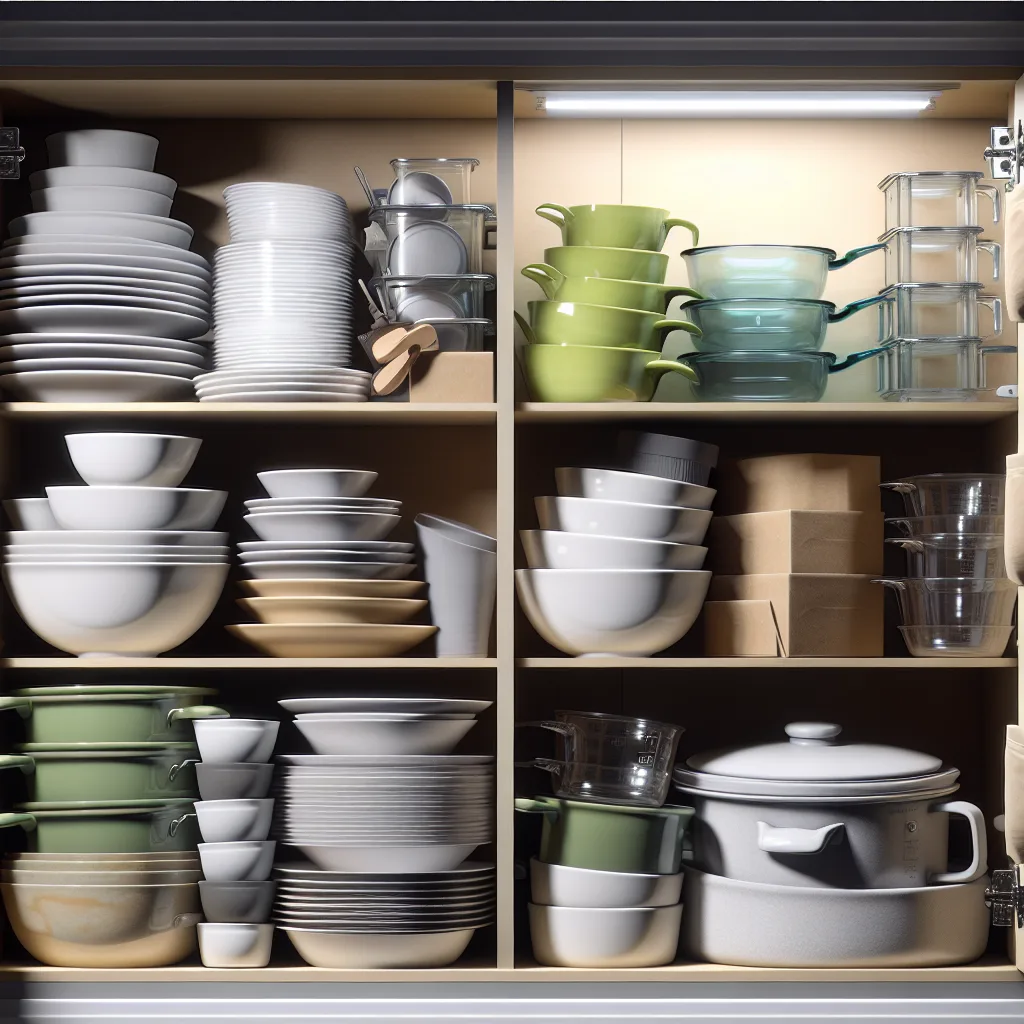
Think about what's actually in there. You've got heavy cast iron pans stacked next to thin wine glasses. A junk drawer full of batteries and twist ties. Half-open spice jars. Knives that can slice through cardboard. Appliances with weird shapes that don't fit neatly into any box. And then there's the fridge, which is its own disaster waiting to happen.
The kitchen holds more breakable items than any other room in your home. The American Moving and Storage Association found that kitchen items account for the most packing-related damage claims during residential moves. That tracks with what we see on the job every week.
Most people don't realize how many small pieces they own until they open every cabinet — and Austin movers see this play out on nearly every job. One client in the Crestview area had 47 coffee mugs. She had no idea. But that's pretty normal. Kitchens collect things over years. Gadgets you used once. Serving platters from holidays. That bread maker still in its original box. Experienced Austin movers build time for exactly this kind of surprise into every estimate, because the kitchen is almost always the room that takes longest to pack.
So why is it really such a challenge? Three big reasons.
First, the variety. No other room has such different types of items crammed together. Fragile glassware sits next to heavy ceramic dishes. Liquids are near electronics. Sharp objects are everywhere. Each category needs its own packing method. You can't just toss it all in a box and hope for the best.
Second, the sheer volume. A typical Austin kitchen has 200 to 300 individual items. That number comes from our own crew counts over the years. Bedrooms might have 50 to 80 items. Living rooms around the same. The kitchen blows past everything else.
Third, the emotional weight. People care about their kitchen stuff. Grandma's pie dish. The espresso machine you saved up for. That handmade pottery bowl from the Austin Flea market. Breaking something in the kitchen feels worse because these items get used daily. They're part of your routine.
Here's a scenario we run into a lot. A family in East Austin starts packing the weekend before their move. They knock out the bedrooms in a couple hours, feel great about their progress. Then they open the kitchen cabinets on Sunday night. Panic sets in. There's no way they'll finish in time.
That's the trap. The kitchen looks manageable until you start pulling things out.
But knowing this gives you an advantage. Start there first. Give yourself twice as much time as you think you'll need. Stock up on extra packing paper and small boxes before you even begin.
And if the whole process feels overwhelming, that's exactly what professional residential moving help is for. Having a crew that knows how to wrap, pad, and box a kitchen properly can save you hours of stress and a lot of broken dishes.
The rest of this guide breaks down exactly how to tackle it yourself, step by step.
How to Pack Kitchen Cabinets Without Breaking Everything
Start with the cabinets above the stove. That's where most people shove their most fragile stuff. Tall wine glasses, ceramic mugs from that trip to Fredericksburg, the gravy boat you use once a year. Pull everything out first. Don't pack directly from the shelf into a box.
We see this mistake all the time.
People grab a plate, wrap it once, and toss it in a box. Then they wonder why half their dishes arrive cracked. The trick is sorting before you wrap. Group items by size and fragility. Heavy stoneware bowls go in one box. Thin glass cups go in another. Mixing them is how things break.
Wrap each plate individually with packing paper. Not newspaper, it leaves ink stains on everything. Stand plates on their edges inside the box like records in a crate. Plates stacked flat crack easier under pressure. This one change saves more dishes than any amount of extra bubble wrap.
But what about all those odd-shaped things? The blender base, the food processor blade, the colander that doesn't nest with anything. Wrap sharp parts in thick paper or old towels. Stuff the inside of the blender pitcher with paper so it won't collapse if something shifts. And label that box clearly so nobody reaches in blind later.
Here's a real scenario we dealt with last month in the Mueller neighborhood. A family packed their entire kitchen in one afternoon without sorting. Forty-two boxes. They couldn't tell spices from stemware. Three boxes of glasses ended up under a case of canned beans in the truck. You can guess what happened.
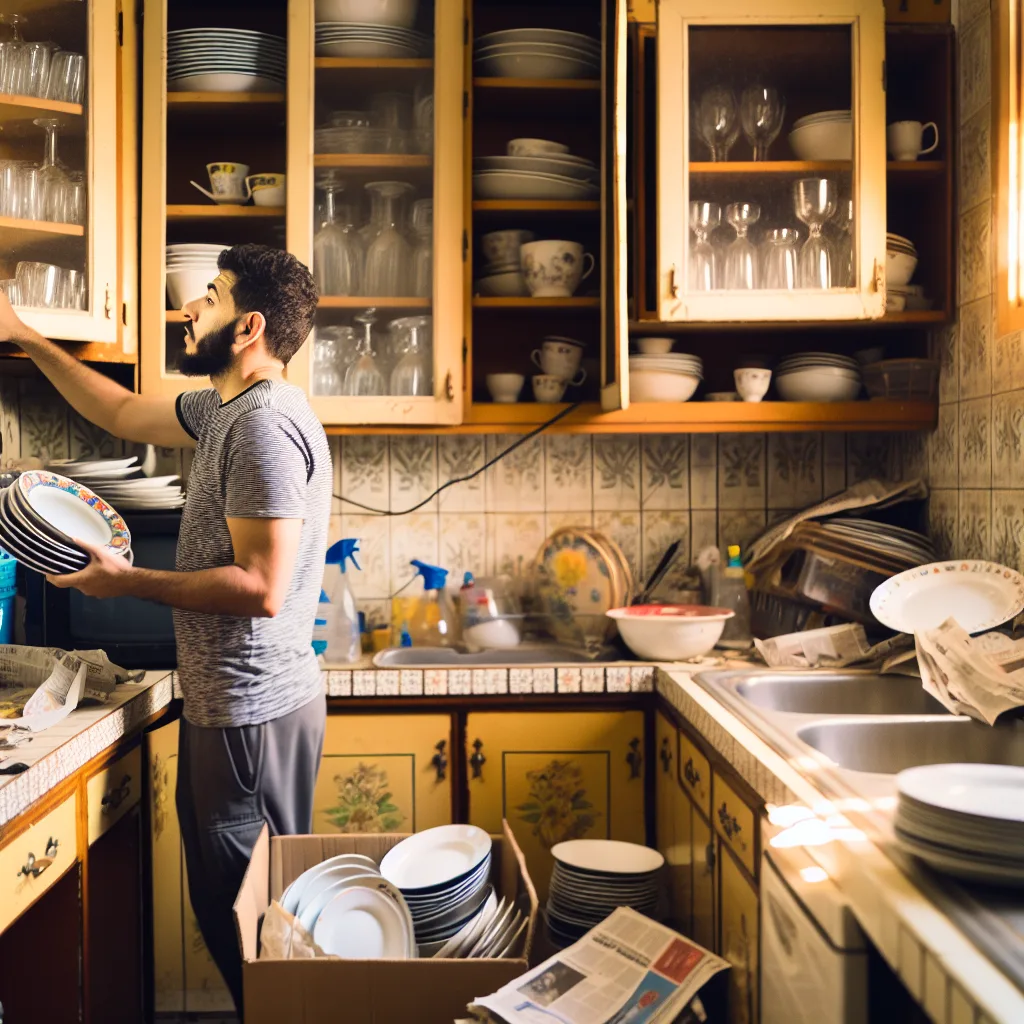
So here's the system that works. Empty one cabinet at a time. Sort into four groups: fragile glass, heavy ceramics, lightweight plastics, and pantry items. Pack the heaviest boxes first, they go on the truck floor. Fragile boxes get loaded last and placed on top.
Use small boxes for heavy items like plates and mugs. A big box full of dishes will weigh fifty pounds. According to United Van Lines, overloaded boxes are the top cause of breakage during a move. Small boxes keep weight manageable and reduce shifting.
Fill every gap inside every box. Crumpled paper works great. So do clean dish towels you're packing anyway. Dead air space is the enemy, it lets things slide around during the drive. Austin roads between downtown and neighborhoods like East Riverside aren't exactly smooth either.
Don't forget the stuff stuck in the back of lower cabinets. Slow cookers, cast iron pans, that waffle maker still in its original box. These heavy items need their own boxes with extra padding on the bottom. Cast iron can crack other things if it shifts even an inch.
And one more thing people skip. Tape your boxes on the bottom with an H-pattern. One strip down the center seam, one strip across each side. A single strip of tape won't hold twenty pounds of coffee mugs. We've watched boxes blow out at the bottom in driveways. Not fun.
If this sounds like a lot, that's because kitchen cabinets hold more stuff than any other storage in your home. Most Austin kitchens we've packed have between fifteen and twenty-five cabinet boxes worth of contents. Taking it one cabinet at a time makes the whole process feel manageable instead of overwhelming.
Need help getting your kitchen packed the right way? Our full-service packing team handles cabinet-by-cabinet packing so nothing gets left behind or broken along the way.
Packing Small Appliances and Bulky Kitchen Items Takes a Different Strategy
Your blender isn't fragile like a wine glass. But it's awkward, heavy, and has parts that detach. That's a whole different packing problem.
Most people wrap small appliances the same way they wrap dishes. Big mistake. A stand mixer doesn't need bubble wrap around the bowl. It needs the bowl removed, packed separately, and the base stabilized so it doesn't shift. We see cracked mixer housings all the time because someone just tossed it in a box with towels around it.
Here's what actually works. Take every appliance apart before you pack it. Blender blades unscrew from the jar. Food processor bowls lift off the base. Toaster crumb trays slide out. Coffee maker carafes separate from the heating unit. Each piece gets its own wrapping.
And those cords? Don't let them dangle. Coil each cord, secure it with a rubber band, then tape it to the appliance body. Loose cords snag on other items inside boxes. They pull things around during the drive.
Bulky items like slow cookers and Instant Pots need medium-sized boxes. People grab the biggest box they can find, throw three appliances in, then can't lift it. A box with two heavy appliances can easily hit 50 pounds. That's how backs get hurt on moving day in Austin's summer heat.
One trick our crews use: nest smaller items inside larger ones. Put your measuring cups inside your slow cooker insert. Tuck a hand mixer inside a stock pot. Fill dead space with clean dish towels or oven mitts. You save boxes, you save space in the truck.
Now the really bulky stuff. Cast iron skillets, Dutch ovens, large baking sheets. These are dense and heavy. Never stack cast iron directly on top of anything breakable. Pack cast iron flat in small boxes with packing paper between each piece. A single box of cast iron shouldn't weigh more than 30 pounds.
Baking sheets and cutting boards stand upright best. Slide them along the sides of a box like file folders. Crumple packing paper between each one so they don't clank together.

Here's a scenario we ran into last month helping a family move from the Mueller neighborhood. They had 14 small appliances on their countertops alone. Air fryer, waffle maker, espresso machine, the works. They'd packed everything in three oversized boxes with no dividers. The espresso machine's steam wand snapped clean off. That's a $200 part on most machines.
So what should they have done? One appliance per box section. Use cardboard dividers or even cut up old boxes to create walls inside larger boxes. Label each box with exactly what's inside, not just "kitchen stuff."
If you still have original boxes for any appliance, use them. Manufacturers design that packaging to protect during shipping. It works even better for a local move across Austin.
But most of us tossed those boxes years ago. No problem. Just match box size to appliance size. Snug fit matters more than padding volume. An appliance that can't shift inside its box won't break.
The real strategy shift here is simple: treat every appliance like it has breakable parts, because most of them do. Glass carafes, plastic clips, detachable blades, electronic displays. They all need individual attention.
If the kitchen packing process feels overwhelming, that's normal. Our full-service residential moving team handles kitchen packing daily and knows which items need special boxes and which ones travel fine with just paper and a snug fit.
Frequently Asked Questions
How far in advance should I start packing the kitchen before a move?
Start at least a week out, not the night before. The kitchen takes longer than any other room. Begin with items you rarely use, seasonal serving dishes, specialty gadgets, extra mugs. Pack daily-use items last, ideally the morning of the move.
What supplies do I actually need to pack a kitchen safely?
Small and medium boxes, packing paper (not newspaper), rubber bands for cords, permanent markers for labeling, and strong packing tape. Dish boxes with built-in dividers are worth buying if you have a lot of glassware. Skip the oversized boxes for anything heavy.
Should I pack my pantry food or toss it before moving?
Toss anything open, expired, or that won't survive a move. Sealed canned goods and dry goods are fine to pack in small boxes. Liquids like oils and vinegars should go in zip-lock bags inside a box in case they leak. Most Austin movers won't transport open containers.
Is it worth hiring professional packers just for the kitchen?
Yes, especially if you have a lot of glassware, expensive appliances, or a large kitchen. Many Austin moving companies offer partial packing services where they handle just the kitchen. It usually takes a two-person crew two to three hours and can prevent hundreds of dollars in broken items.
How do I pack a refrigerator for a local Austin move?
Empty and defrost it at least 24 hours before the move. Remove all shelves and drawers, wrap them separately in packing paper, and pack them in a box. Tape the doors shut with moving tape, not regular tape that leaves residue. Keep it upright during transport and wait two hours before plugging it in at the new place.
What's the most common kitchen packing mistake movers see?
Overpacking boxes. A box stuffed with dishes or appliances that weighs 60 pounds is a back injury waiting to happen and breaks more easily when dropped. Keep boxes under 30 to 35 pounds. If you can't lift it comfortably with both hands, split it into two boxes.




Google Reviews
518 Reviews | 4.9 Avg Rating