





Top Long-Distance Movers Leaving Austin | Mountain Movers
Finding the right mover for a long-distance move out of Austin takes more than a quick Google search. This guide covers what to look for in a trustworthy company, the right questions to ask before you book, and how the actual move process works from start to finish. Use it as a practical checklist before you commit to anyone.
What Makes a Long-Distance Moving Company Trustworthy for Austin Moves
Trust isn't a feeling. It's a checklist. And most people skip the checklist because they're too stressed about the move itself.
The first thing you need to check is a USDOT number. Every long-distance moving company that crosses state lines must register with the FMCSA. No USDOT number means no legal authority to move your stuff. You can verify any company's number in about 30 seconds on the FMCSA website. We see people skip this step all the time, then wonder why their belongings end up on a random truck with no tracking.
Licensing is just the start, though.
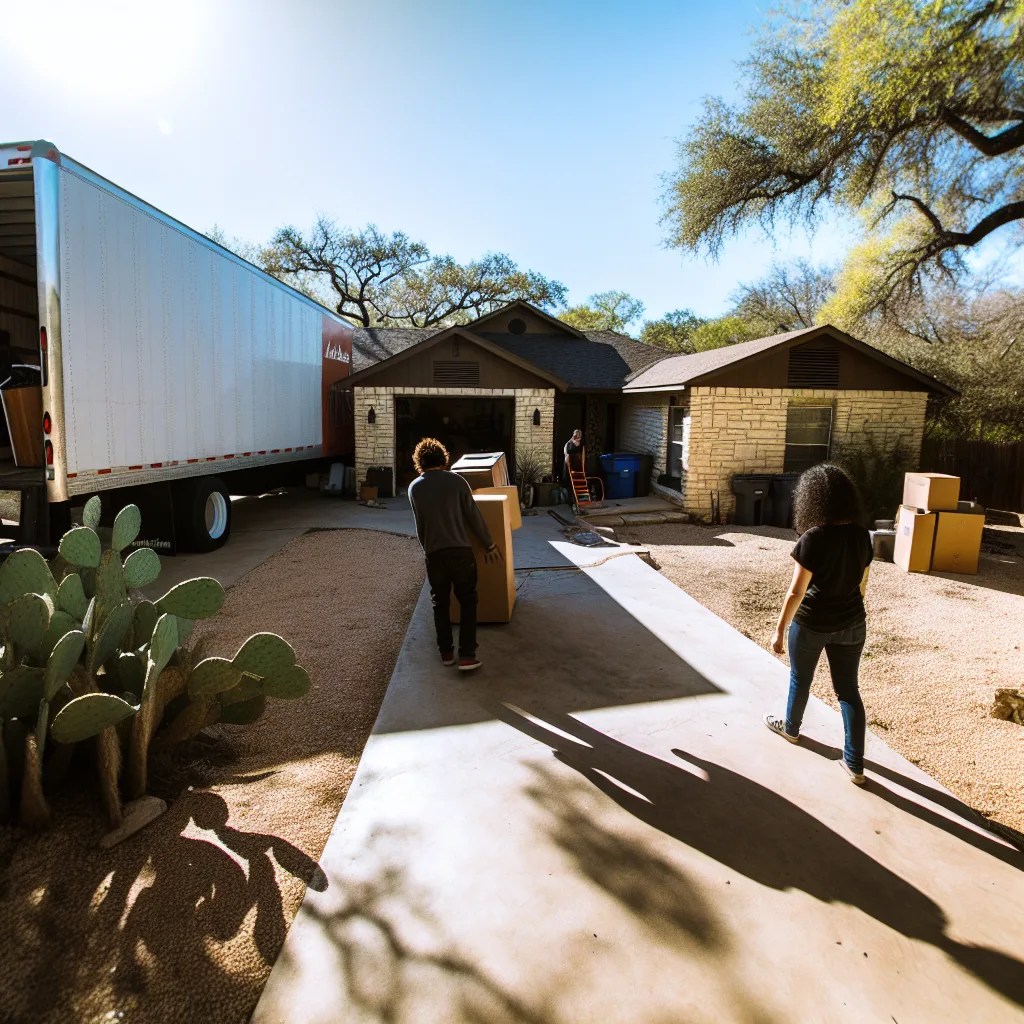
A trustworthy option among long distance moving companies in Austin also carries proper insurance — and knowing the difference before you book matters more than most people realize. There's a big difference between released value protection and full value protection. Released value costs nothing but covers almost nothing. Full value means the company is responsible for replacing or repairing damaged items at current market value. Ask about this before you sign anything. The long distance moving companies Austin families trust will walk you through both options without waiting to be asked — not after your grandmother's china shows up in pieces.
Here's something most people don't realize until it's too late. The estimate process tells you a lot about a company's honesty. A long-distance moving company that gives you a binding quote over the phone without seeing your home is a red flag. Good companies send someone to your place or do a detailed video walkthrough. They need to see what's in your closets, your garage, your attic space in South Austin or your storage unit near the Domain. Sight-unseen quotes almost always end up higher on delivery day.
So what else should you look for? Reviews matter, but read them carefully. A long-distance moving company with 5,000 five-star reviews and zero complaints is suspicious. Real companies have a few bad reviews. What matters is how they respond. Did they fix the problem? Did they ghost the customer? That response pattern tells you more than any star rating.
And check how long they've been operating. A company that's handled moves out of Austin for ten or fifteen years has dealt with the unique challenges here. They know that summer moves between May and September are brutal because of the heat. They know which apartment complexes near downtown have loading dock restrictions. They understand that moving from a fourth-floor walkup in East Austin requires different planning than a single-story home in Circle C.
One scenario we run into often: a family books a long-distance moving company based on a friend's recommendation from another state. That company has no experience with Austin's traffic patterns, parking rules, or building access issues. The crew shows up unprepared, the timeline falls apart, and suddenly a two-day move becomes four days of chaos.
Local knowledge isn't a bonus. It's a requirement.
But here's the thing that ties it all together. A trustworthy long-distance moving company communicates clearly from day one. They tell you exactly what's included. They explain the timeline. They give you a point of contact who actually answers the phone. If you're chasing your mover for updates, that's a problem you could've avoided.
Before you start calling around, it helps to know what questions to ask and what answers to expect. Our long-distance moving page breaks down the full process so you can walk into those conversations prepared.
Trust is built before the truck ever shows up. Do the homework now, save yourself the headache later.
Key Questions to Ask Before Hiring a Long-Distance Mover in Austin
Most people call a mover, get a quote, and stop there. That's a mistake we see all the time. The quote tells you almost nothing about the actual experience you'll have.
Start with licensing. Ask for their USDOT number. Every long-distance mover crossing state lines needs one. You can verify it on the FMCSA website in about 30 seconds. If they can't give you that number, hang up.
Then ask about their claims process. Not "do you have insurance?" Everyone says yes. Ask what happens when something breaks. Who do you call? How long does it take? What's the payout based on? Full replacement value or weight-based? These details matter more than the coverage itself.
Here's one that catches people off guard. Ask if they use subcontractors. Some companies book your move, then hand it off to a crew you've never spoken to. Your stuff ends up on a truck with other shipments, handled by people the company barely knows. That's not always bad, but you deserve to know upfront.
Ask about the timeline. A long-distance move from Austin to, say, Portland might take five days or fifteen. The spread can be huge. Get a delivery window in writing. "We'll get there when we get there" isn't a plan.

And ask what's not included. Will they disassemble your bed frame? Your standing desk from that home office in South Lamar? Do they handle bulky outdoor furniture or leave it for you? Some crews won't touch anything mounted to a wall. Others won't move plants or open food. You need to know before moving day, not during it.
One question people forget: what happens if your stuff needs to sit in storage between pickup and delivery? Ask where it's stored. Ask if you'll be charged. Ask if it's climate-controlled, because items sitting in a non-cooled warehouse during an Austin summer can warp, melt, or mildew fast.
We always tell folks to ask about the walk-through process too. A reputable long-distance mover will want to see your home before quoting. Virtual walk-throughs work, but someone should be looking at your actual belongings. If a company quotes you over the phone based on bedroom count alone, that estimate will change on moving day. Guaranteed.
Finally, ask for references from customers who moved a similar distance. A five-star review from someone who moved across town doesn't tell you much about a cross-country operation. You want to hear from people who shipped a full household 1,500 miles and got everything intact.
Write these questions down. Bring them to every call. The company that answers them clearly and quickly is usually the one worth hiring. If you're ready to start comparing your options, our long-distance moving page breaks down exactly what to look for in Austin.
How Long-Distance Moves Out of Austin Are Typically Structured
Most people picture one big truck showing up and driving straight to the new place. That's rarely how it works. Long-distance moves have more steps than local ones, and knowing the structure helps you avoid surprises.
Here's the typical flow. A moving company sends an estimator to your home first. They walk through every room. They look at heavy items like pianos, gun safes, or oversized furniture. Then they give you a weight-based or cubic-foot-based estimate. This part matters a lot because it sets your expectations for the whole move.
After you book, the crew arrives on your scheduled pack day. Some folks in the Mueller or East Riverside areas live in apartments with tight stairwells and no elevators. We see this cause delays all the time. The crew needs to know about access issues before they show up. Tell them about narrow hallways, gated entries, or parking restrictions.
Once everything's loaded, your belongings might not go straight to the destination. This surprises people.
Long-distance carriers often consolidate shipments. Your stuff could sit in a warehouse near Austin for a day or two. Then it gets loaded onto a larger truck with other shipments heading the same direction. This is standard practice for moves over 400 miles. It keeps costs down, but it means your delivery window is a range, not a single date. Interstate movers are required by federal regulation to provide you with a written delivery spread before you sign anything.
So what does the timeline actually look like? For a move from Austin to somewhere on the East Coast, expect 7 to 14 business days. Moves to neighboring states like Colorado or New Mexico are usually faster. Maybe 4 to 7 days. Moves to the West Coast fall somewhere in between.
And here's something most people don't realize until it's too late. The delivery crew at your new home might be different from the crew that packed you up. That's normal with long-distance moves. A local crew at the destination handles the unload. They've never seen your stuff before, they're working from an inventory sheet.
Before anything leaves your Austin home, you'll get a detailed inventory list. Every box gets a number. Every piece of furniture gets a sticker. This inventory is your proof if something goes missing or arrives damaged. Check it carefully. Don't rush through it.
One scenario we run into often: a family in South Lamar books a move to Chicago. They assume the truck leaves Monday and arrives Wednesday. But the actual delivery window is the following Monday through Thursday. That gap creates real problems if you haven't planned for temporary housing or kept essentials with you. Always ask about the delivery spread before you sign anything.
The pickup process itself usually takes 4 to 8 hours for a three-bedroom home. Larger homes in neighborhoods like Circle C or Steiner Ranch with bonus rooms and garages full of gear can take a full day.
If you're exploring your options, our long-distance moving page breaks down what to expect at each stage so you can plan with confidence.
But the big takeaway is simple. A long-distance move out of Austin isn't one event. It's a chain of events spread over days or weeks. Understanding that chain puts you in control of the process instead of reacting to it.

Frequently Asked Questions
How do I know if a long-distance moving company is legally allowed to move me out of Austin?
Check their USDOT number before you do anything else. Every company that moves across state lines must register with the FMCSA. You can look up any company's number on the FMCSA website in about 30 seconds. No USDOT number means they have no legal authority to haul your belongings. This one step protects you from unlicensed movers who have no accountability if something goes wrong.
What is a common mistake people make when hiring a long-distance mover in Austin?
The biggest mistake is accepting a phone quote without a walk-through. A company that quotes you over the phone without seeing your home is guessing. That guess almost always goes up on delivery day. Good movers visit your home or do a detailed video walk-through first. They need to see your closets, garage, and storage areas. Skipping this step is how people end up with surprise charges after the truck is already gone.
Does Austin's climate affect a long-distance move?
Yes, and it matters more than most people expect. Summer moves between May and September in Austin are hard on your belongings. Items left in a non-cooled truck or warehouse can warp, melt, or grow mildew fast. Ask any mover if storage between pickup and delivery is climate-controlled. Austin heat is no joke, and a company with local experience will already have a plan for it.
What should I ask a long-distance mover about subcontractors?
Ask directly if they use subcontractors to handle your move. Some companies book your job and then hand it off to a crew you have never spoken to. Your belongings may end up on a shared truck with strangers handling the work. That is not always a deal-breaker, but you deserve to know upfront. A company that is honest about this is easier to trust than one that avoids the question.
How does moving from a specific Austin neighborhood affect the moving process?
It can change the whole plan. Moving from a fourth-floor walkup in East Austin is very different from a single-story home in Circle C. Some apartment complexes near downtown have loading dock rules or elevator time limits. A mover with Austin experience already knows these things. One without it shows up unprepared, and your two-day move can turn into four days of problems. Local knowledge is not a bonus — it changes the outcome.
Where can I learn more about how the long-distance moving process works from start to finish?
Our long-distance moving page walks you through the full process so you know what to expect before you make a single call. It covers licensing, estimates, delivery windows, and what questions to ask. Reading it first puts you in a much stronger position when talking to any company. The more you know going in, the less likely you are to get caught off guard on moving day.




Google Reviews
518 Reviews | 4.9 Avg Rating