





What Furniture Isn't Worth Moving in Austin? A Practical Guide to Cost‑Smart Choices

Moving is expensive—and small choices add up fast. This guide helps you decide which furniture to keep, sell, donate, store, or leave behind so your Austin move is smoother and cheaper. You’ll get a simple decision checklist for valuing items, clear categories of furniture we usually recommend skipping, local options for unwanted pieces, when pros should handle specialty items, and practical tips to cut your moving bill. We weave in Austin‑specific options—charities, resale tips, junk removal, and storage—and show how to compare itemized moving estimates with replacement costs so each piece finds the right next step.
How Do You Determine If Furniture is Worth Moving in Austin?
Start by comparing the cost to move an item with the cost to replace or repair it, and factor in logistics like size and access. Our quick framework balances three things: the item’s value (market or sentimental), the moving cost (labor, time, surcharges), and any repair or sanitation work it needs. When moving costs near or exceed replacement prices, replacing locally is often the better choice. This method also highlights the pieces worth hiring pros for. Below we break down the attributes that affect value so you can run the numbers with confidence.
What factors affect the value of your furniture?
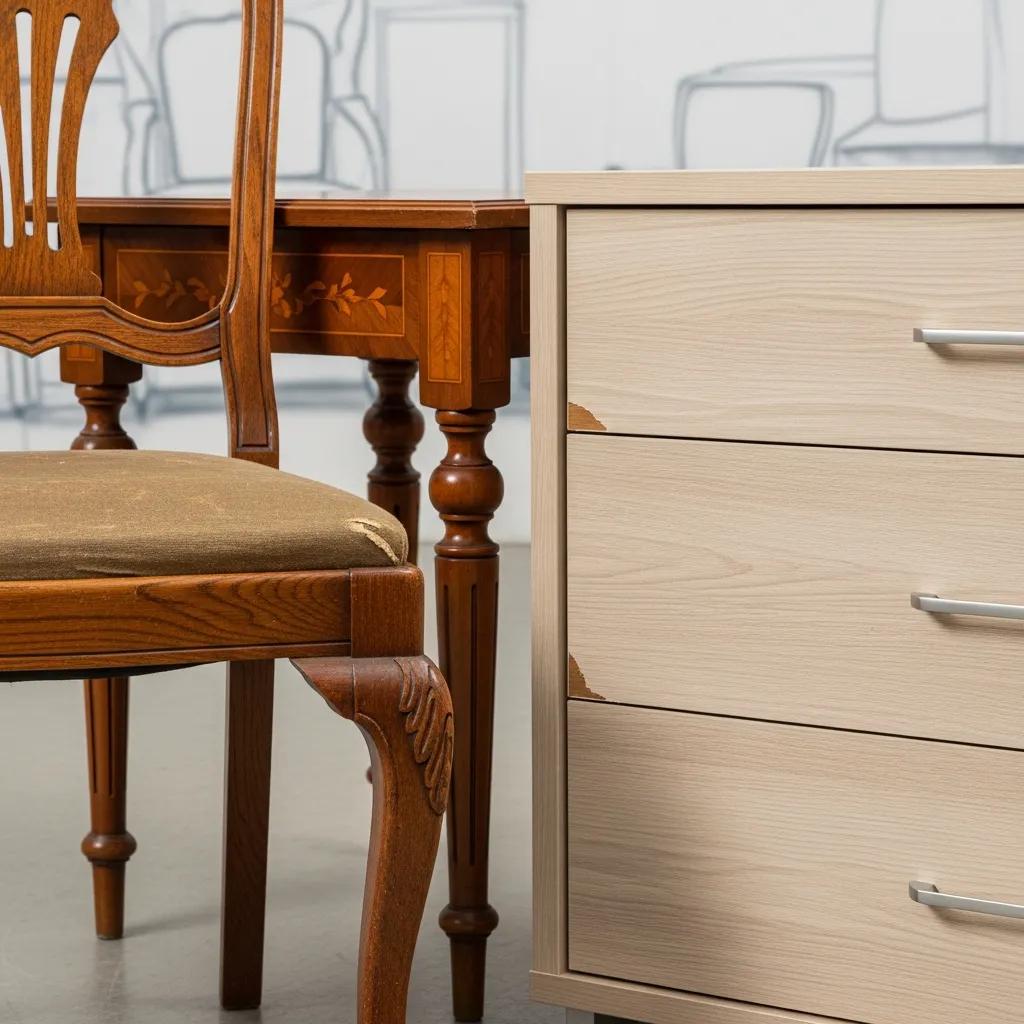
Material, build quality, brand, and condition drive resale and replacement value. Solid wood and vintage pieces tend to hold value and often justify moving costs. Particle‑board and mass‑produced items lose value quickly. Local demand matters too—Austin buyers often prefer mid‑century and artisan pieces—so that affects whether something is worth taking with you. Sentimental or one‑of‑a‑kind items can outweigh pure dollar logic, but remember sentimental value doesn’t change moving surcharges. Once you spot these traits, you can compare moving versus replacing more clearly.
How do moving costs compare to replacement prices in Austin?
Get an itemized moving estimate and line it up against local replacement or resale prices to decide whether to move, sell, donate, or dispose. The compact table below reflects typical Austin ranges and helps you see when replacing is the smarter financial move.
Table: Typical moving cost vs replacement cost for common items
Rule of thumb: if the lower bound of the moving cost is roughly 50–70% of replacement, replacing locally usually wins. Use your itemized quote to compare side‑by‑side and prioritize pieces that keep value or are irreplaceable.
Which Types of Furniture Should You Avoid Moving?
Most moves get easier and cheaper when you leave behind items that are cheap to replace, costly to transport, or need expensive repairs. Avoid moving heavily damaged pieces, low‑value mass‑produced furniture, items with major restoration needs, and bulky pieces that won’t fit the new space. This approach cuts labor, lowers surcharge risk, and reduces damage chances in transit. Below are the main categories to watch and recommended next steps for each.
Why avoid moving heavily damaged or broken furniture?
Repairing heavily damaged furniture often costs more than replacing it, and damage can worsen in transit. Items with structural failure, mold, persistent odors, or severe water damage are usually best recycled, stripped for parts, or hauled away. Donation and consignment programs rarely accept items with hygiene or safety issues, so junk removal or recycling is the practical choice. Choosing disposal over moving frees up time, minimizes risk, and leaves truck space for pieces that matter.
What makes low-value, mass-produced items not worth moving?
Particle‑board and cheap modular furniture have low resale value and a high likelihood of suffering damage during moving. Since replacements are inexpensive locally, the cost to move these items often exceeds their remaining worth. Better options: sell locally with pickup, donate if they’re in good shape, or recycle if worn out. Instead, focus the moving budget on solid‑wood, well‑made, or custom pieces that keep value and travel better.
Table: Common furniture conditions and recommended action
Compare item conditions against these recommended actions during your pre‑move declutter to decide what truly deserves a spot on the truck.
What Are Your Alternatives to Moving Unwanted Furniture in Austin?

If moving isn’t justified, Austin has four practical alternatives: donate, sell, hire junk removal, or use short‑term storage. Each balances cost, convenience, and environmental impact differently—pick based on item condition, how fast you need it gone, and whether you want money back or a tax receipt. Below are local strategies and a quick cost/notes table to help you choose.
Where can you donate old furniture in Austin?
Several local charities and thrift stores accept furniture donations and some offer pickup for larger items; always check each organization’s rules before scheduling. Clean items, fix small issues, and take photos so donation centers can confirm acceptance quickly. Most won’t take mattresses or heavily damaged pieces. Donating usable furniture supports the community and can yield a tax receipt when handled properly—often a better option than paying disposal fees.
How can you sell used furniture for maximum return?
Sell locally on classifieds, neighborhood apps, or through consignment shops to get the most back. Use clean, well‑lit photos, list dimensions and condition, and be clear about pickup logistics—buyers often want quick pickup. Highlight solid‑wood or mid‑century attributes that Austin buyers look for. Offer local delivery or bundle smaller items to increase appeal. Quick local sales save moving costs; higher‑value pieces can go to consignment shops that handle pickup for a commission.
Table: Alternatives for unwanted furniture — service types and typical cost/notes
How Can Professional Services Help With Furniture Disposal and Moving?
Professionals simplify the hard parts: movers manage safe transport and logistics, junk haulers clear out non‑sellable items fast, and pickup services handle charity donations. Hire pros when items are heavy, valuable, or need special handling. Use junk removal for quick disposal and movers for belongings you plan to keep. When you ask for transparent, itemized quotes, you’ll reduce risk, save time, and make better financial choices. The sections below outline when each service makes sense and what to look for locally.
What junk removal options are available in Austin?
Junk removal companies offer scheduled or same‑day pickups billed by volume or truckload and will often take appliances, mattresses, and broken furniture for disposal or recycling. They’re ideal when donation or resale isn’t practical. Many providers try to donate usable items first—ask where they send donations and recyclables to minimize landfill. Junk removal is the fastest way to clear space before a move when speed matters most.
How does Mountain Movers support moving and storage needs?
At Mountain Movers, we handle local and long‑distance moves across Central Texas with professional crews and on‑site storage options so you can decide what to move, store, or discard. We give transparent, no‑surprise pricing and free estimates (NO obligation) so you can compare itemized moving costs to replacement or disposal choices. Our standard 3‑person crews handle specialty items like pianos and large appliances, and our Worry Free Damage Guarantee includes $10,000 full value coverage. We also offer same‑day or next‑day service when timing is tight.
What Special Considerations Apply to Heavy or Specialty Furniture?
Heavy or specialty items—pianos, pool tables, large antiques, or built‑in appliances—need special equipment and crew experience. That raises moving costs but reduces the risk of damage. Evaluate these pieces by monetary value, replacement difficulty, and sentimental importance. If extra equipment or crew are required, the price goes up—but for rare or costly items, moving can still be the right call. The sections below explain when specialty moves are worth it and how dimensions and weight affect feasibility.
When is moving a piano or appliance worth the cost?
Move a piano or large appliance when it’s costly or difficult to replace, has strong sentimental value, or when replacement plus disposal costs outstrip specialized moving charges. Professional piano movers use piano boards, straps, and trained crews to protect structure and finish; oversized appliances may need hoists or appliance dollies. Compare specialized moving quotes to local replacement and installation costs and include disconnection/reinstallation fees. If replacement is comparable or more expensive, hiring pros is usually the safer choice.
How do size and weight impact moving decisions in Austin?
Stairs, narrow doors, elevator access, and carry distances affect labor time and surcharges. Movers price based on time and complexity, so bulky or heavy items often cost more to move. Measure door widths, stair runs, and long carries before you get a quote and disclose obstacles so estimates are accurate. Disassembly, partial dismantling, or short‑term storage can lower surcharges; if disassembly isn’t possible, selling or recycling the oversized piece may be cheaper. Planning and clear communication help avoid surprise fees.
How Can You Make Smart Furniture Decisions to Save on Moving Costs?
Begin with decluttering, get itemized quotes, and use storage strategically so you don’t move low‑priority pieces. Put high‑value, sentimental, or hard‑to‑replace furniture on the truck and sell, donate, or discard the rest. Ask moving companies for per‑item pricing and a breakdown of surcharges so you can compare those costs to replacement and disposal prices. That side‑by‑side comparison is the foundation of a cost‑effective move. The next sections cover storage’s role and how to use transparent quotes to finalize decisions.
What role does storage play in managing furniture during a move?
Short‑term storage is a useful middle ground when you’re undecided—store items while you sell, donate, or decide without paying to move them into your new home. Storage ranges from basic units to climate‑controlled options; choose based on sensitivity to humidity, temperature, and pests. Using storage lowers immediate truck volume and lets you delay choices until after you settle, often saving on premium moving rates for heavy or specialty pieces. Strategically used, storage preserves options while limiting upfront moving costs.
How can transparent quotes help you decide what to move?
An itemized quote turns guesswork into clear numbers by showing what each piece costs to move, including labor, packing materials, and surcharges for stairs or long carries. Ask for per‑item pricing, clear surcharge definitions, and written insurance or damage‑guarantee terms so you can compare moving costs to replacement estimates. Mountain Movers offers free estimates (NO obligation) and straightforward pricing to help you test move vs. replace vs. store scenarios before you commit. Use those quotes alongside replacement and storage costs to make the best choice for each item.
Request a free estimate (NO obligation) from Mountain Movers to get itemized pricing and compare moving costs against replacement and storage options. Our transparent quotes, 3‑person crews, same‑day and next‑day service, storage facility, and $10,000 Worry Free Damage Guarantee give you practical protection when deciding what to move, store, or leave behind. Contact Mountain Movers by phone at (737) 230-6190 or visit our office at 901 S MoPac Expy Suite 300, room 317, Austin, TX 78746 to schedule a no‑obligation estimate and plan your most cost‑effective move.
Checklist: Steps to minimize moving costs before movers arrive:
- Measure large items and doorways so you avoid surprise surcharges.
- Declutter and decide which items to sell, donate, or recycle.
- Request itemized quotes from movers and compare them to replacement prices.
- Consider short‑term storage for uncertain items to delay the final decision.
Key decision rules to apply when triaging items:
- If moving cost > 50–70% of replacement, prefer replace.
- Avoid moving items with structural or hygiene issues.
- Prioritize solid‑wood, vintage, or sentimental pieces for professional moves.
- Use storage when value warrants preservation but immediate moving is costly.
Table: Quick reference—when to move, sell, donate, or discard
Local selling and donation tips (short list):
- Take clear photos and measure items before listing.
- Be upfront about condition and pickup requirements.
- Bundle smaller items to increase buyer interest.
- Prepare items for donation with cleaning and minor repairs when possible.
These simple steps speed sales, improve donation chances, and cut what you pay to move.
Request a free quote or book Mountain Movers to turn your plan into action: call (737) 230-6190 for a no‑obligation estimate to discuss local moving, piano moves, storage, and how our $10,000 Worry Free Damage Guarantee protects high‑value pieces. Our transparent pricing and experienced crews help you decide whether to move, store, sell, or dispose so you only pay for what makes sense.
Conclusion
Thoughtful choices about what to move can shave hundreds off your Austin relocation and make moving day less stressful. Weigh moving costs against replacement, repair, donation, and storage options, and prioritize the pieces that matter most. Declutter where you can, use storage strategically, and bring in professionals for heavy or valuable items. If you want help running the numbers, Mountain Movers offers free, no‑obligation estimates to guide your plan—call us and we’ll help you map the most cost‑effective move.