





What Is the Cheapest Way to Move Long Distance? 8 Money-Saving Options
Most people guess wrong about what makes a long distance move expensive. They think it's the truck. It's not. The truck is actually one of the smaller costs. The real money drains are less obvious, and they stack up fast.
Let's break it down.

Labor eats the biggest chunk when hiring reliable long distance movers near me. You're paying crews to load at your Round Rock home. Then you're paying a second crew to unload at your destination. That's two full teams, sometimes working four to six hours each. According to the American Moving and Storage Association, labor accounts for roughly 40 to 50 percent of a typical long distance move — which is why finding reliable long distance movers near me who staff and schedule both crews efficiently can make a measurable difference in your final bill.
Fuel comes next. A loaded moving truck gets about six miles per gallon. Think about that for a second. If you're moving 1,000 miles, that's a lot of diesel. And diesel prices in central Texas have stayed high over the past two years. So fuel alone can run into hundreds of dollars before you even factor in tolls.
Then there's the weight factor. Long distance moves are priced by how much your stuff weighs. Not how many boxes you have. A three-bedroom home near Old Settlers Park might have 8,000 pounds of belongings. A studio apartment might have 2,000. That weight difference changes the total cost dramatically.
We see this surprise people all the time.
They pack everything they own. Old furniture they don't use. Boxes of stuff from the garage they forgot about. Every extra pound costs money on a long distance move. But most folks don't realize this until they get the final bill.
Insurance and liability coverage add another layer. Basic coverage is included with most moves, but it only covers pennies per pound. Want real protection for your grandmother's antique dresser? That costs more. And on a long haul where your items ride in a truck for days, the risk of damage goes up.
Timing matters too. Summer is peak moving season across Round Rock and the rest of the country. Demand spikes from May through September. Crews are booked solid. That means higher rates across the board. Moving in January or February? You'll likely spend less for the same service.
Here's one people miss entirely. Access fees. If your new place has stairs, a long walkway, or no elevator, movers charge extra. Same goes if the truck can't park close to your front door. These small charges add $100 to $400 depending on the situation.
And packing materials aren't free either. Boxes, tape, bubble wrap, mattress covers. A typical household needs 30 to 60 boxes for a long distance move. That adds up quick.
So where does all the money actually go? Roughly half to labor. About 20 to 25 percent to fuel and transport. The rest splits between materials, insurance, and access fees. Knowing this breakdown helps you figure out where to cut costs.
That's the whole point of understanding what drives the price. You can't save money if you don't know where it's being spent. Once you see the breakdown clearly, the money-saving options in the rest of this guide will make a lot more sense.
If you're already feeling overwhelmed, take a breath. There are real ways to bring these costs down. Our long distance moving page walks through exactly how we help Round Rock families keep more money in their pockets during big moves.
The 8 Cheapest Ways to Move Long Distance Without Sacrificing Your Stuff
Here's where it gets practical. These eight options work for real people on real budgets. We've helped Round Rock families use every single one of these.
1. Rent a portable moving container. A company drops a container at your home. You load it on your own timeline. They pick it up and drive it to your new city. You save big because you handle the labor yourself.
2. Use a moving trailer you tow yourself. If you've got a truck or SUV that can handle it, this cuts costs fast. You rent the trailer, hitch it up, and go. It takes more effort but the savings are real.
3. Ship your boxes through a freight carrier. Most people don't realize this is an option. You pack everything into boxes, palletize them, and a freight company moves them across the country. It's slower but surprisingly affordable for smaller loads.
4. Downsize before you move. This one's free. Every item you get rid of means less weight and less space. Sell furniture on local Round Rock marketplace groups. Donate clothes to nearby drop-off spots along University Boulevard. The less you move, the less you spend. Period.
5. Book a shared or consolidated truck. Your stuff shares truck space with other shipments heading the same direction. Think of it like carpooling for your furniture. The trade-off is a flexible delivery window, you might wait a few extra days.
6. Move during the off-season. Late fall and winter are slow months for moving companies. Demand drops, so rates drop too. According to the American Moving and Storage Association, summer moves can cost more than off-peak months. If your timeline is flexible, this alone can save you hundreds.
We see this mistake all the time. Families in Round Rock plan moves for June because school just ended. But even shifting to early September makes a difference.
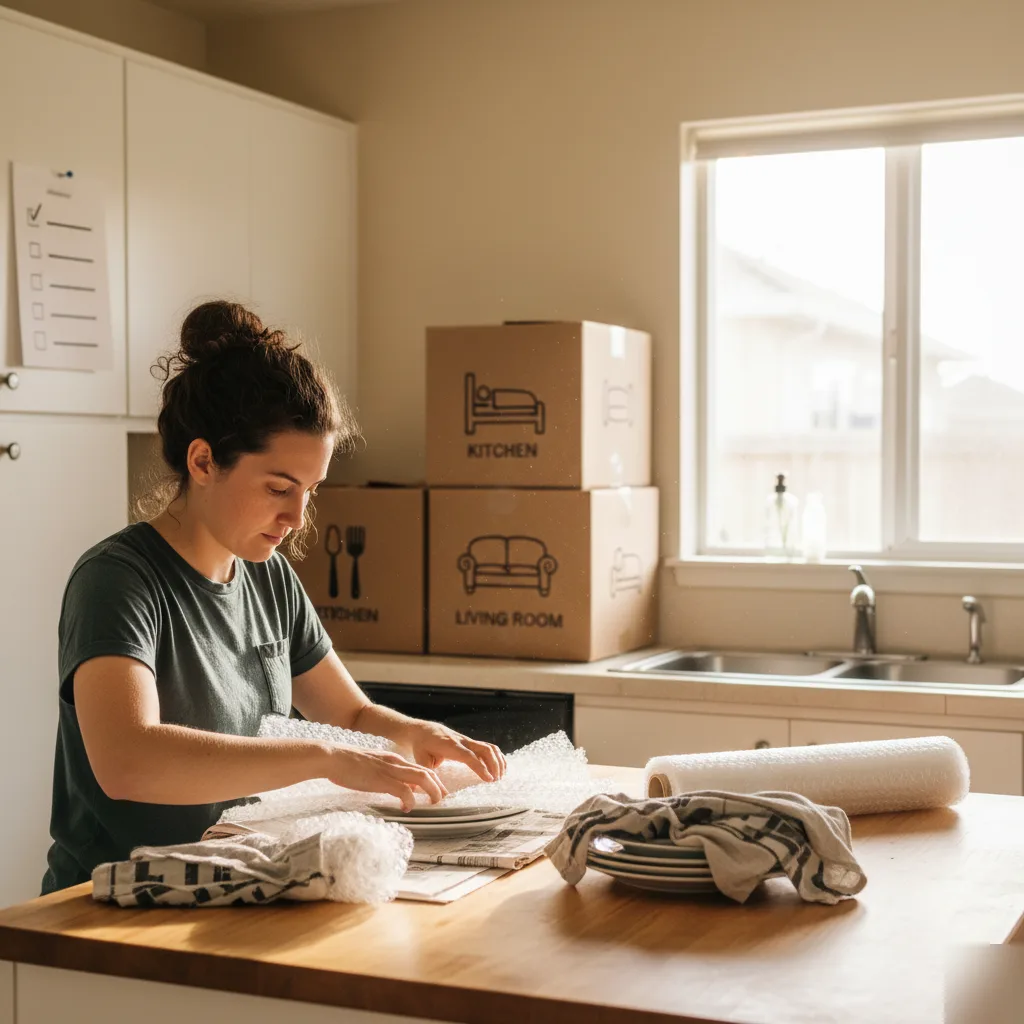
7. Get free packing supplies. Stop buying boxes. Ask local stores along IH-35 for their leftover shipping boxes. Use towels and blankets as padding instead of bubble wrap. Grocery stores, liquor stores, bookshops, they all have sturdy boxes they're throwing away.
8. Hire labor-only help for loading and unloading. You rent the truck or container yourself. Then you hire local movers just for the heavy lifting. This hybrid approach gives you professional muscle without the full-service price tag.
So which option fits your situation? That depends on how much stuff you're moving, how far you're going, and how much time you have. Most Round Rock residents we talk to end up combining two or three of these methods.
For example, one family near Old Settlers Park rented a portable container, downsized their garage by half, and packed with free boxes from a local retailer. They cut their moving costs dramatically compared to a full-service quote.
But here's the thing. Cheap doesn't have to mean risky. Every option on this list protects your belongings if you plan it right. The key is matching the right method to your move size and distance. If you're not sure where to start, reach out and we can help you figure out which approach fits your budget and timeline.
DIY vs. Hiring Movers: Which Is Actually Cheaper for a Long Distance Move
Most people assume renting a truck and doing it yourself is always the cheapest way to move long distance. It's not that simple.
A DIY move has hidden costs that add up fast. Truck rental is just the start. You'll also pay for fuel, insurance, tolls, packing supplies, and food on the road. If you're driving from Round Rock to another state, fuel alone can run into the hundreds. And don't forget lodging if it's a two-day drive.
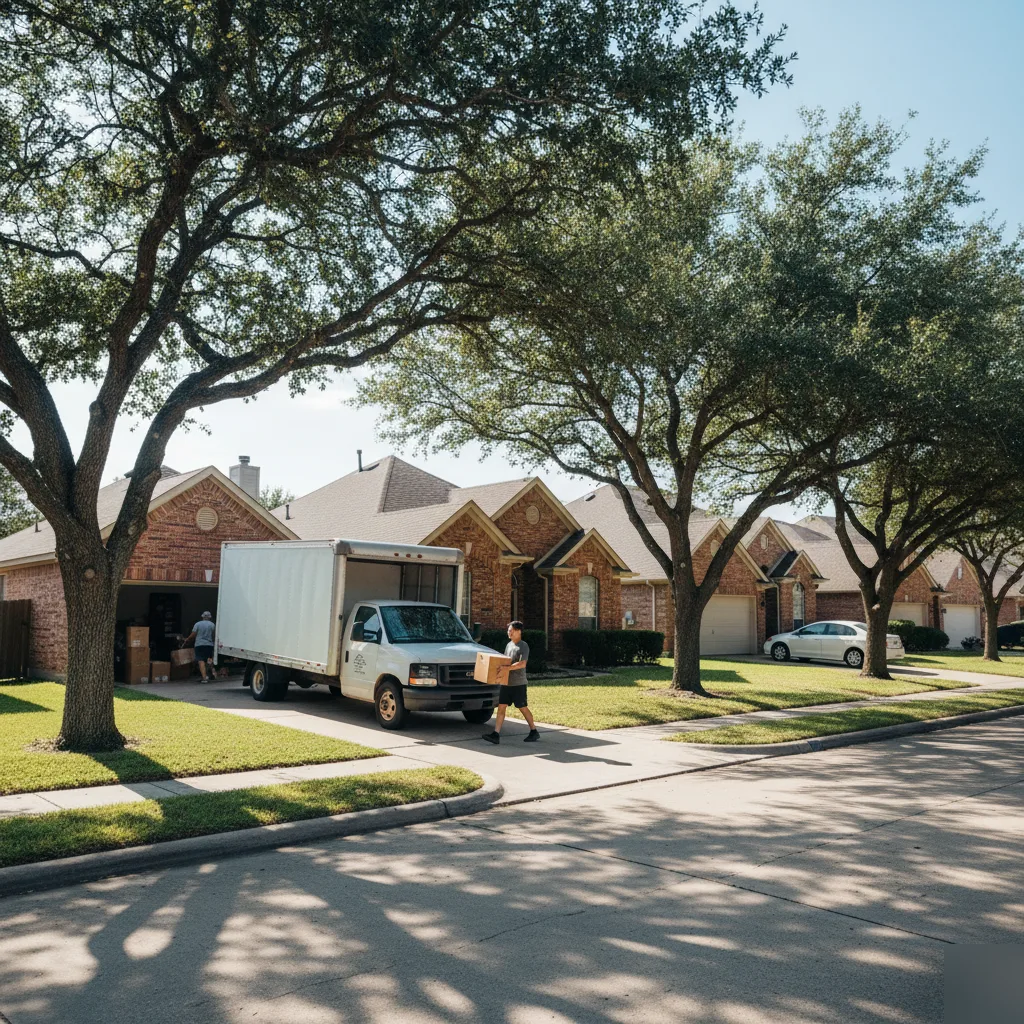
Then there's the physical toll. We see this all the time with families loading up a 26-foot truck in the Texas heat. Someone pulls a muscle. A couch gets stuck in a doorway. The timeline slips by a full day. That lost time has real value, especially if you're missing work.
Here's a scenario we've watched play out dozens of times. A family near Old Settlers Park rents a big truck for a move to Colorado. The rental looks affordable at first glance. But they spend a full weekend loading, buy $200 in boxes and tape, fill the tank three times, and eat out for every meal on the road. By the end, the "cheap" move costs nearly as much as hiring help.
So when does DIY actually save money? It works best for smaller moves. If you have a studio apartment or just a few rooms of furniture, a rental truck or cargo trailer can keep costs low. It also helps if you have friends who can load and unload for free. But be honest with yourself about that one.
Hiring movers makes more sense when you have a full household. Professional crews load faster. They protect your stuff better. And they handle the heavy lifting so you don't end up in an urgent care clinic.
The real answer depends on three things. How much stuff you have. How far you're going. And how much your time is worth.
But here's what most people don't realize until it's too late. There's a middle ground. You can hire movers just for loading and unloading, then drive the truck yourself. Or you can use a portable container service where a company drops off a unit, you pack it on your own schedule, and they haul it to your new city. These hybrid options often hit the sweet spot between cost and convenience.
We help Round Rock residents figure out the right fit every day. A young couple moving out of a Teravista apartment has different needs than a family leaving a four-bedroom home in Forest Creek. The cheapest option changes based on your situation.
One quick tip from years of doing this. Get at least three quotes before you commit to anything. Compare the total cost of a DIY move against the quotes you receive. Write down every expense you can think of, gas, supplies, meals, hotel stays, time off work. The number that surprises you is usually the real one.
The cheapest way isn't always the one that looks cheapest on paper. It's the one where you don't get blindsided by costs you didn't plan for.
Frequently Asked Questions
How far in advance should I book a long distance move from Round Rock?
Book at least six to eight weeks out during summer months. If you're moving between October and February, four weeks is usually enough. The earlier you book, the more flexibility you have on dates, and flexibility often means lower rates.
Is it cheaper to move mid-week instead of on a weekend?
Yes. Most moving companies charge more on Fridays, Saturdays, and Sundays because that's when demand is highest. Booking a Tuesday or Wednesday move can shave money off your total, sometimes $100 to $200 depending on the company.
What's the cheapest way to move just a few large items long distance?
Freight shipping is often the best answer here. You can ship a couch, a dining table, and a few boxes on a freight pallet for less than renting a full truck. It takes longer, usually five to ten business days, but the cost savings are real for small loads.
Should I tip long distance movers?
Tipping isn't required but it's appreciated. A common range is $20 to $50 per mover for a long distance job. If the crew worked especially hard or handled a tricky situation well, tipping on the higher end is a nice way to recognize that.
How do I avoid getting overcharged on a long distance move?
Get a binding estimate in writing before anything is loaded. A binding estimate locks in your price based on the inventory list you provide. Non-binding estimates can change after the truck is weighed. Always ask which type of estimate you're receiving.
Can I pack my own boxes to save money on a long distance move?
Absolutely. Packing your own boxes is one of the easiest ways to cut costs. Just make sure boxes are packed tightly so nothing shifts during transport. Movers may not cover damage to boxes you packed yourself, so use plenty of padding and label everything clearly.




Google Reviews
518 Reviews | 4.9 Avg Rating