

Best Movers in Austin, TX 2026: Top-Rated Moving Companies to Hire





What Separates a Good Moving Company From a Bad One
A good moving company shows you proof, not promises: real licensing, trained crews, and clear communication before the truck ever shows up. A bad one hides details until moving day, when it's too late to back out.
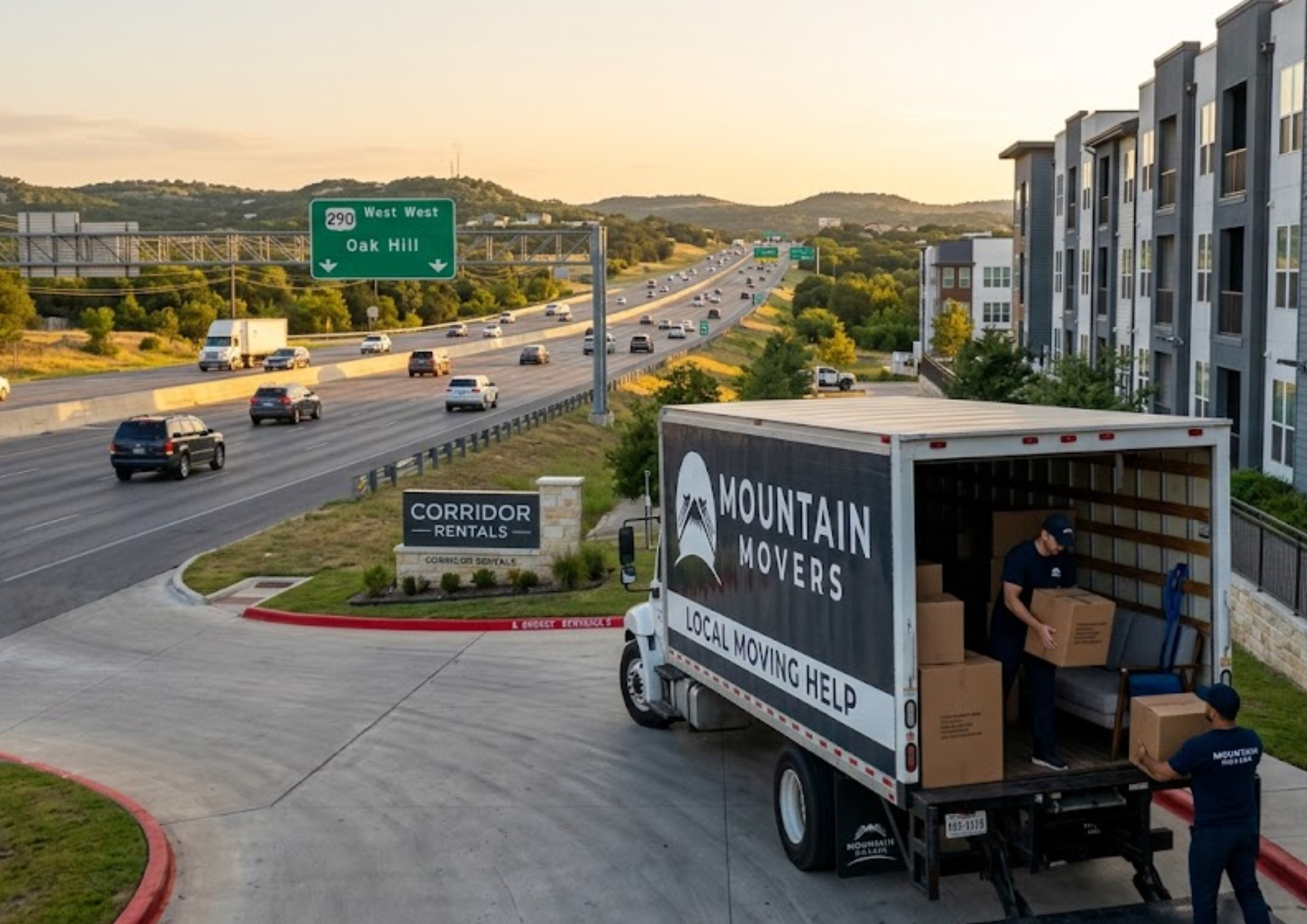
Anyone can put 'movers' on a truck. That's the honest truth. So what makes one crew worth trusting and another worth avoiding? It usually comes down to a handful of things you can check before you sign anything.
We've walked into homes in Hyde Park and Travis Heights where a previous mover left gouges in hundred-year-old door frames because nobody measured the hallway first. That's not bad luck. That's a crew that didn't plan. This is exactly where working with one of Austin’s top movers makes the difference.
- Licensing and insurance you can verify, not just a name on a flyer
- A crew that shows up with the right equipment: dollies, furniture pads, straps, ramps
- Clear communication about timing, especially during Austin's summer heat when schedules shift for crew safety
- Experience with the specific job, like a downtown high-rise freight elevator or a narrow Bouldin Creek street
- Willingness to walk your space before moving day, not just quote you over the phone
Here's a scenario we see often. A family moving into a Cedar Park subdivision has a tight HOA move-in window, maybe two hours total. A weak mover shows up late, scrambles, and leaves boxes stacked in the garage. A solid crew calls ahead, confirms the dock or driveway access, and works the clock like it matters. Because it does.
Bad movers also tend to lowball the job size on the phone, then pad the bill once your stuff is already on the truck. That's a classic bait-and-switch move. Good movers walk through your home or ask detailed questions upfront, so the estimate matches what happens on moving day.
And don't overlook how a company handles the boring stuff. Do they wrap furniture before it touches the truck? Do they label boxes room by room? Do they protect floors and doorframes in older East Austin homes with original hardwood? These small habits tell you everything about how a crew treats your home when you're not watching every move.
One more thing worth checking: how a company handles the unexpected. Austin traffic during SXSW, a surprise thunderstorm, a piano that won't fit through a doorway the way the movers assumed. Good crews problem-solve on the spot. Bad ones stall, argue, or just wing it.
None of this is complicated, but it does take a few extra minutes to check before you hire anyone.
Local Movers vs. Long-Distance Movers: Why the Rules Change
A move across Austin isn't the same animal as a move to Dallas or out of state. Local moves usually get billed by the hour. Long-distance moves get billed by weight and distance. That single difference changes almost everything about how a company plans your day, who shows up, and what paperwork you sign.
Here's the part people miss. Texas doesn't require a special state license for moves that stay inside Texas, but once you cross state lines, federal rules from the Federal Motor Carrier Safety Administration kick in. That means an interstate mover needs a USDOT number. If a company can't give you one for a cross-country job, that's a red flag worth walking away from.
We get calls all the time from folks moving from Cedar Park to a new build in Georgetown who assume they need the same kind of quote as someone moving to Colorado. They don't.
- Local moves (within Austin, Round Rock, Cedar Park, Pflugerville): priced by crew hours and truck size, usually done in a single day
- Long-distance moves (out of state or 100+ miles): priced by weight and mileage, may involve a delivery window instead of a fixed date
- Local moves rarely require a written binding estimate, long-distance moves almost always should have one
- Local crews can often adjust your timeline same-week, long-distance moves need more lead time for scheduling and route planning
- Storage needs differ too, a local move might need short-term storage for a few days, a long-distance move sometimes needs longer term storage while you close on a house
So which one are you planning? If you're staying inside the Austin and Round Rock area, you're looking at a local move even if it feels like a big one. Moving a household from South Congress to a new office building near the Domain still counts as local. It's the state line that flips the rules, not the size of your furniture.
There's also a scheduling piece that catches people off guard. Long-distance moves often share truck space with other customers' shipments, so your delivery date can shift by a few days. Local moves don't have that problem, your stuff goes on the truck and comes off the truck the same day. And that's exactly why local movers can offer more flexible booking, especially outside of peak summer months.
Austin's summer heat adds its own wrinkle here too. A long-distance move in July means your belongings could sit in a hot trailer for days. A local move means less time in transit, less time in the heat, less risk to things like electronics or wood furniture. If you're moving in June through September, that's one more reason a local move carries less risk than a long haul.
Getting this distinction right before you start calling companies saves you time. It also helps you ask smarter questions during a moving estimate, because a company quoting your interstate move by the hour instead of by weight is doing it wrong.
How Moving Estimates Are Calculated
A lot of folks think an estimate is just a guess. It's not. A real estimate comes from a handful of specific details about your move, and if a crew skips these questions, that's a red flag.

We ask about square footage, number of bedrooms, stairs, and how far the truck has to walk from the door. And we ask what's in the home, because a house full of furniture moves different than one with mostly boxes.
- Total volume and weight of your belongings, including large or heavy items
- Distance between pickup and drop-off, local move or long-distance
- Access issues like stairs, narrow streets, or a freight elevator booking downtown
- Packing needs, including whether you want packing services or plan to pack yourself
- Special items like pianos, which need their own separate quote and sometimes a moving consultation
- Storage needs if your move-in date doesn't line up with your move-out date
Access matters more in Austin than people expect. A move in a Steiner Ranch home with a long driveway is easy. A move out of a downtown high-rise with one freight elevator and a loading dock schedule is a different animal entirely. So is a narrow street in Hyde Park or Travis Heights, where a full-size truck just can't park close.
This is where a phone quote falls apart. Anyone who gives you a number without asking about stairs, distance, or item count is guessing. We'd rather walk through it with you, even if it's over the phone with photos, than hand you a number that changes on move day.
Here's the honest truth: the estimate process should feel like a conversation, not a form you fill out alone.
Most reliable estimates follow a similar path from first call to final number.
- You describe your home size, move dates, and origin/destination
- The mover asks about access points, stairs, and any oversized items like pianos or heavy furniture
- You mention if you need packing services, unpacking help, or short term storage
- The mover calculates labor hours, truck size, and crew count based on your answers
- You get a written estimate that spells out what's included, not just a single number
One thing we see all the time: people underestimate how much stuff they own. A two-bedroom apartment in Mueller or Bouldin Creek almost always takes longer than the homeowner thinks. That's not us padding the job, that's just what happens when boxes stack up in closets nobody mentioned on the phone.
Summer moves add another wrinkle. Texas heat from June through September slows crews down and changes how we schedule the day, which is part of why an honest estimate accounts for the season, not just the square footage.
If you want a number that holds up on move day, start with a real conversation about your home, not a quick guess based on bedroom count alone.
Frequently Asked Questions
How do I know if I need professional movers or if I can move myself?
You need professional movers if your move involves stairs, heavy furniture, tight timelines, or long distances. A DIY move can work for small studio apartments with few belongings. But once you factor in HOA move-in windows, narrow streets in areas like Bouldin Creek, or heat exposure during Austin summers, a trained crew reduces risk to your stuff and your back. If you're unsure, our moving services page walks through what a full-service crew handles.
What's the biggest misconception people have about moving companies?
The biggest misconception is that any company with a truck and a phone number can do the job right. Licensing, insurance, and trained crews matter more than a low quote over the phone. A good mover walks your space, asks detailed questions, and gives an estimate that matches moving day. A bad one lowballs the estimate, then pads the bill once your things are on the truck.
How does Austin's summer heat affect a moving day?
Austin's summer heat can slow down schedules and raise safety risks for crews carrying heavy furniture outdoors. Good moving companies build in extra time for breaks and may adjust start times to avoid the hottest part of the day. Heat also affects your belongings, since wood furniture and electronics can suffer if they sit in a hot truck too long. This matters most for long-distance moves, where items travel farther and sit in transit longer.
What's the difference between a local move and a long-distance move in Austin?
A local move stays within Texas and is usually billed by crew hours, while a long-distance move crosses state lines and is billed by weight and distance. Moving from Cedar Park to Georgetown is local, even if it feels like a big job. Crossing into another state triggers federal rules and requires a USDOT number. Knowing which type applies to your move helps you ask the right questions before hiring anyone.
Why do movers ask so many questions before giving an estimate?
Movers ask detailed questions because a real estimate depends on specifics, not guesswork. Square footage, number of bedrooms, stairs, and distance from the door to the truck all change how long a job takes. A home full of furniture moves differently than one with mostly boxes. If a company skips these questions, the estimate probably won't match your actual moving day.
What should I check before hiring a moving crew in Austin?
Check that the crew is licensed, insured, and shows up with real equipment like dollies, furniture pads, and ramps. Ask if they'll walk through your home before moving day instead of quoting blind over the phone. Experience with Austin-specific challenges, like downtown freight elevators or older East Austin homes with original hardwood floors, tells you a lot. You can find more on what separates a solid crew from a risky one on our moving services page.