

Expert Guide to Packing Necklaces for Moving



Expert Guide to Packing Necklaces for Your Move — Protect and Secure Your Jewelry
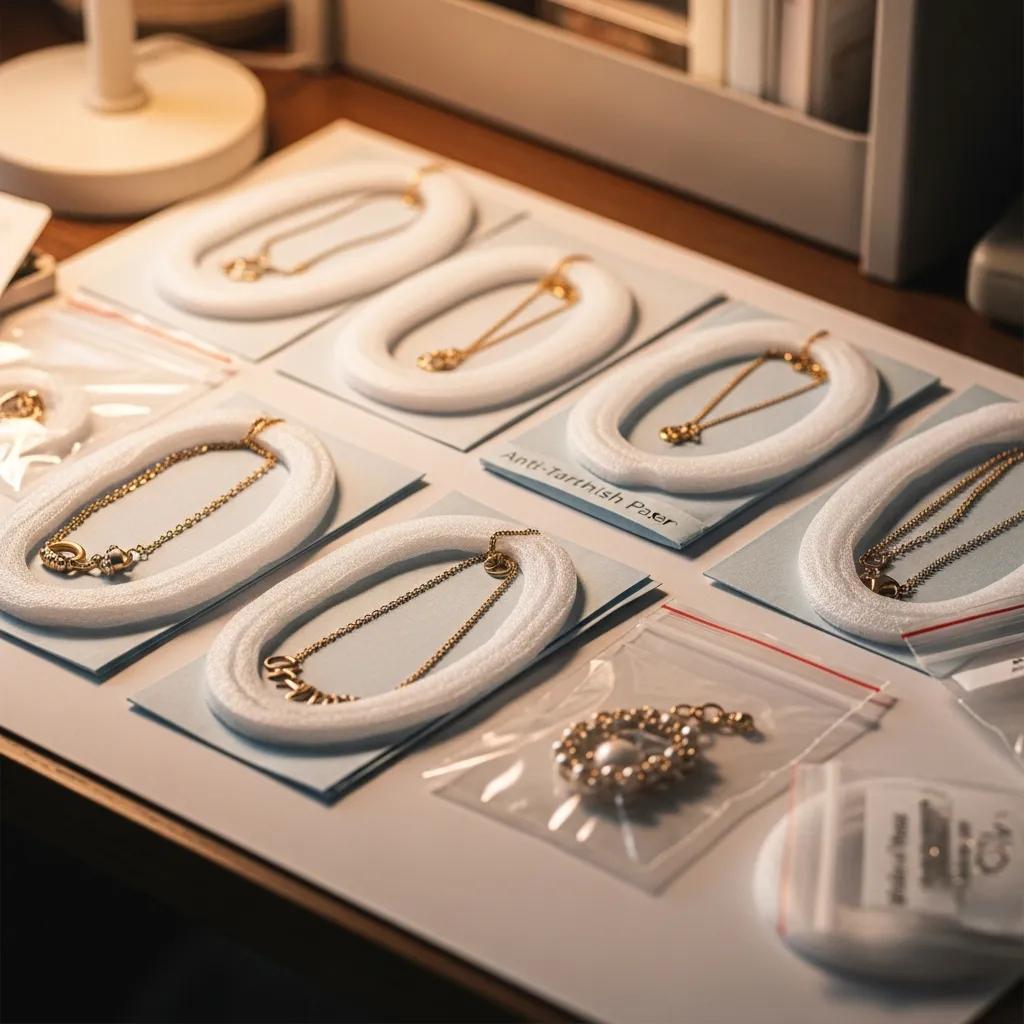
Necklaces are small and fragile — easy to tangle, scratch, or get lost during a move. Packing them the right way prevents knots, surface damage, and expensive repairs.
This guide gives clear, practical steps: a supplies checklist, side-by-side material comparisons, and simple rules to decide whether to pack jewelry yourself or hire pros. You’ll learn quick DIY tricks (the straw-through-chain tip and zip-top separation), how to make an inventory for insurance, and when professional handling makes sense for valuable or sentimental pieces. We also point to local options in Austin so you can weigh convenience and risk. Keep reading for step-by-step instructions, recommended materials, inventory templates, and an easy path to request expert packing from Mountain Movers if you choose to let professionals handle it.
Why Is Proper Necklace Packing Essential for a Safe Move?
Packing necklaces properly means separating chains, stabilizing pendants, and cushioning metal surfaces so pieces resist tangling, abrasion, and loss in transit. When you pack with intention, your jewelry arrives in the same condition it left, which cuts repair costs and saves time and stress when you unpack. This section explains the common risks and shows how materials like anti-tarnish paper, compartmentalized boxes, and padding reduce wear and mechanical stress.
Knowing those risks points you to practical prevention steps and helps you choose between DIY methods and professional packing support.
Necklaces face three main risks during a move:
- Tangling that creates tight knots and strains clasps.
- Surface abrasion and scratches from metal-to-metal contact or rough packing materials.
- Loss of small parts that fall into voids or under padding in packed boxes.
These risks make a clear case for an inventory and a deliberate packing plan before you box any jewelry for relocation.
What Risks Do Improperly Packed Necklaces Face During Moving?
Poorly packed necklaces often tangle into stubborn knots that stress delicate links and can break clasps when forced apart. Chains rubbing against other metal or rough materials pick up scratches that lower resale value and require polishing or repair. Small pieces — clasps, jump rings, tiny pendants — can detach and disappear into box padding if not contained. A quick example: a layered jewelry box moved without compartments ended with three chains knotted together and two bent clasps after someone tried to pull them apart — a perfect snapshot of mechanical damage that also carries emotional cost.
Those common failure modes show why separation, padding, and clear labeling matter — and they set up how professional packers reduce these risks with specialized processes.
How Does Professional Packing Reduce Moving Stress and Damage?
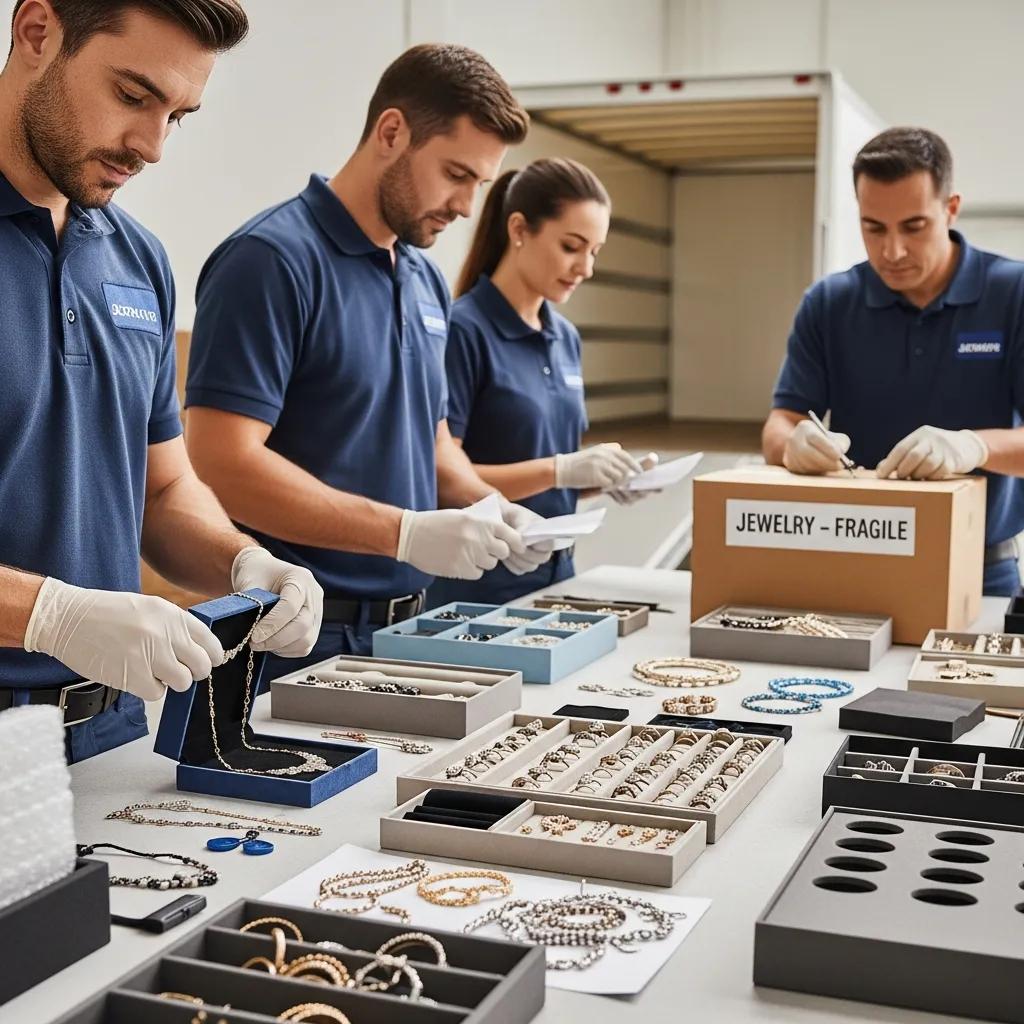
Professional packing cuts stress and damage by combining trained handlers, repeatable procedures, and higher-grade materials so each piece is protected and its condition documented. Packers use itemized inventories and custom padding — compartment inserts, rigid jewelry boxes, and anti-tarnish wraps — to keep pieces from contacting each other and to maintain chain alignment. Hiring pros also saves you time on a busy moving day and gives reliable, consistent care for delicate items.
The same operational steps professionals follow — inventory, tailored padding, and secure transport — also guide which materials work best for different necklace types.
What Are the Best Materials for Packing Delicate Necklaces?
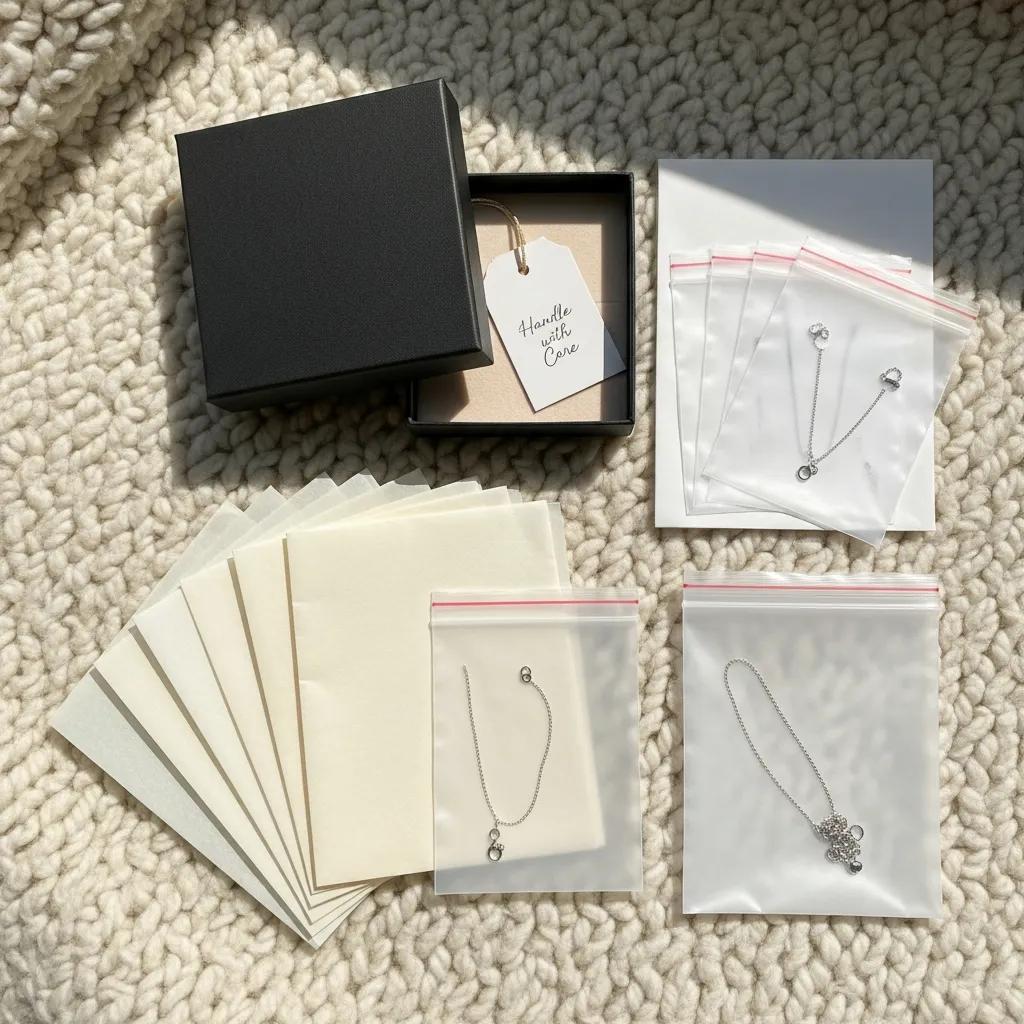
The most useful materials for delicate necklaces are anti-tarnish paper, individual zip-top bags, rigid jewelry boxes, soft liners, and drinking straws — each addresses a specific risk like tangling, scratching, or tarnish. Anti-tarnish paper reduces oxidation on silver and sensitive alloys, while rigid boxes protect against crushing. Which combo you choose depends on the necklace construction — fine chain, beaded strand, or heavy pendant — and on how the items will be handled. If you’d rather skip DIY, Mountain Movers can provide and apply these professional-grade materials as part of our packing services.
Here’s why each material matters:
- Anti-tarnish paper: blocks chemical discoloration for silver and plated pieces.
- Rigid jewelry boxes: prevent crushing and limit chain abrasion.
- Individual zip-top bags: isolate pieces and stop movement that causes tangles.
- Soft liners and tissue: cushion pendants and prevent metal-to-metal contact.
- Drinking straws: hold single chains straight to avoid knots.
These options match common use cases. The table below compares protective properties and recommended uses for typical necklace materials.
Different packing materials protect necklaces in different ways and suit specific situations.
Pairing materials — for example, anti-tarnish paper inside a rigid box — gives layered protection that addresses chemical, mechanical, and handling risks.
Which Packing Supplies Prevent Necklace Tangling and Damage?
Stop tangles and damage by isolating chains and stabilizing pendants so they can’t rub, loop, or swing during transport. The most reliable anti-tangle supplies are drinking straws for single chains, small zip-top bags for separating items, and compartment inserts or jewelry rolls for multi-piece sets. Soft tissue, foam, or felt liners protect finishes and add shock absorption; anti-tarnish strips help silver hold its shine. A simple combined approach — thread a chain through a straw, put it in a labeled bag, and lay it flat in a padded compartment — prevents most moving-day problems.
These anti-tangle tactics lead directly to choosing boxes and bags that keep pieces immobilized and visible while they travel.
How to Choose the Right Jewelry Boxes and Bags for Moving?
Pick boxes and bags based on rigidity, compartment size, padding, and tamper-evidence so each necklace stays immobilized and cushioned through handling and stacking. Rigid jewelry boxes with foam inserts are best for heirlooms and high-value pieces because they resist compression and offer individual slots. Soft pouches and jewelry rolls work for short chains and when you need a compact solution for lower-value items. For transit, prefer containers with secure closures and avoid overstuffing, which creates pressure points. Choosing the right containment reduces unpacking time and lowers the risk of mid-move damage — so inventorying and labeling those boxes is the next must-do.
With containment and materials chosen, you can use the DIY packing techniques below before moving day.
How to Pack Necklaces Yourself: Step-by-Step DIY Methods
Packing necklaces yourself is safe and efficient when you gather the right supplies and follow clear steps that limit handling. Start with the checklist, then pick the method that suits each piece — straw-through-chain for fine chains, zip-top bag separation for smaller items, and jewelry rolls for grouped pieces. The numbered instructions below are ready to follow so you can act quickly and reduce risk before moving day.
Supplies checklist to gather before you start:
- Drinking straws and small scissors.
- Zip-top bags (small size) and anti-tarnish strips.
- Rigid jewelry boxes or small acid-free boxes.
- Soft tissue paper, foam padding, and labels/marker.
After you have supplies, use one of these methods for most necklaces.
- Close each clasp and lay the chain flat on a clean surface.
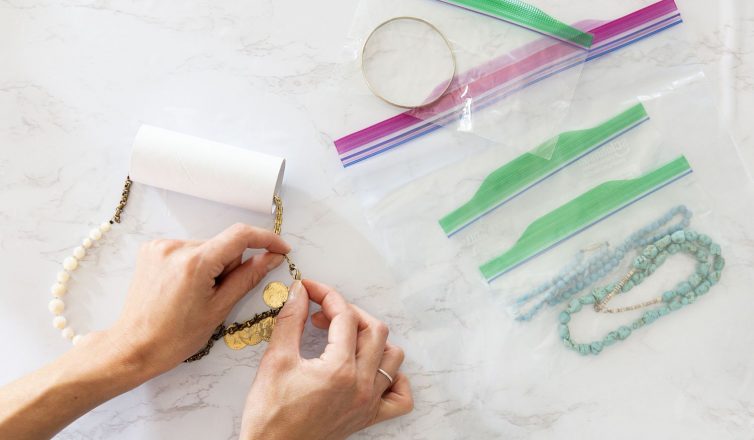
- Thread the chain through a drinking straw and fasten the clasp outside the straw.
- Wrap pendants in tissue for padding, then place the straw-stabilized chain into a labeled bag.
- Put labeled bags into a rigid, compartmentalized box with padding between sections.
Those steps keep chains from tangling and make unpacking easier. The troubleshooting tips in the following H3s cover common questions and alternatives.
How to Use Drinking Straws to Prevent Necklace Tangles?
The straw-through-chain trick creates a small, rigid channel that keeps a fine chain straight and separate from other items, reducing knots and clasp stress. Thread the chain through a straw, close the clasp on the outside, and trim the straw to match chain length so heavy pendants rest on padded tissue instead of inside the straw. For long chains, link longer straw sections carefully; for very delicate chains, wrap the pendant area in soft tissue before threading to avoid pressure points.
Once threaded, place the stabilized chain into a labeled zip-top bag to stop the straw from sliding and keep the piece isolated.
This is a quick, low-cost solution for many fine chains. Beaded, heavy, or mixed-material necklaces often need other methods.
What Are Other Effective DIY Techniques for Necklace Packing?
Other effective DIY options include flattening chains in zip-top bags, using padded jewelry rolls for sets, and small pill organizers or bead boxes for tiny parts. Press'n Seal or plastic wrap can secure multi-piece sets flat, but avoid adhesive touching metal or stones to prevent residue. For heavy pendants, use individual padded boxes with foam cutouts to cradle the piece and limit swinging; for beaded necklaces, add tissue between beads to reduce abrasion. Match techniques to construction and value — combine methods for layered protection and label each package for insurance and easy unpacking.
These DIY choices help you decide when professional packing is the safer, faster route.
When Should You Opt for Professional Jewelry Packing Services?
Hire professional jewelry packers when pieces have high monetary or sentimental value, when you don’t have time to inventory and pack a large collection, or when your insurer requires documented condition and professional handling. Professional services are worth the cost when the risk of damage or loss exceeds the price of specialized packing. Trained teams use custom crates, dedicated padding, and chain-of-custody documentation to reduce both physical and administrative risk. Think about quantity, complexity (mixed materials or fragile beads), and whether you need appraisal-ready inventories when weighing DIY versus pros. The checklist below helps you decide.
Decision checklist for choosing professional packing:
- High monetary value or family heirlooms are present.
- Large collections that would take many hours to pack safely.
- Need for documented inventories and insurance-ready condition reports.
Choosing professionals in these situations lowers the chance of costly repair or loss and gives you a provider who accepts responsibility for careful handling.
What Are the Benefits of Mountain Movers Specialized Packing?
Mountain Movers is a top-rated moving company based in Austin, TX, serving Central Texas. We offer local and long-distance moves, residential and commercial services, and professional packing tailored to valuables. Our core promises are stress-free moves, transparent pricing with no hidden fees, and a family-owned approach that treats your belongings with respect. Our local track record and 5-star reviews make it easier to trust us with delicate collections.
Those benefits — careful handling, clear costs, and a dependable local team — help jewelry owners decide whether to bring in professional packing for sensitive pieces.
How Does Professional Packing Ensure Secure Valuables for Relocation?
Professional packing protects valuables through three main steps: a documented inventory, custom packing with the right materials, and careful load/unload protocols that preserve chain-of-custody and condition. First, packers itemize each piece with photos and notes to document pre-move condition. Second, they choose tailored solutions — crating, padded boxes, anti-tarnish wraps — based on vulnerability. Third, trained handlers place boxed valuables in secure areas of the truck and log handling for accountability. This workflow supports faster, clearer insurance claims and reduces disputes by providing evidence of professional care at every stage.
Knowing how professionals operate also helps you organize your inventory whether you DIY or prepare for a packer’s visit.
How to Organize and Inventory Your Necklaces Before Moving?
Inventorying necklaces means photographing every piece, noting material and value, labeling packaging, and storing digital backups so you can support insurance claims and speed unpacking. Use a consistent naming system (number labels linked to a digital spreadsheet) to make ID fast. Close-up photos of hallmarks and clasps show pre-move condition. Group similar items — beads, chains, pendant-heavy — so packing methods match needs. The table below shows a simple format you can copy to support insurance and tracking.
Use this inventory table format to record type, material, estimated value, and photo reference for each necklace.
This compact table helps you compile records insurers accept and gives packers a quick checklist to verify items at pickup — a solid foundation for a defensible claim if damage happens.
What Are Best Practices for Documenting Jewelry Collections?
Start with high-resolution photos showing the front, back, hallmark, and clasp of each piece. Add written notes on metal type, gemstone details, and any existing wear. Keep physical receipts or appraisals and store digital copies in the cloud and on an external drive. Number physical labels to match digital entries for easy cross-reference. For very valuable items, get a professional appraisal and keep that with your inventory. Thorough documentation reduces disputes and speeds insurance payouts, whether you pack yourself or hand precise records to a professional packer.
Good documentation ties directly to stronger insurance claims and faster settlement if loss or damage occurs during the move.
How Does Inventory Help in Insurance and Damage Prevention?
An organized inventory supports insurance and damage prevention by giving objective pre-move condition evidence, which speeds claims and improves reimbursement outcomes if something goes wrong. Insurers look for timestamped photos, appraisals, and itemized lists to establish pre-existing condition and value; without those, claims take longer and can be contested. Clear labels that match your inventory also discourage rough handling by making fragile contents obvious. Good documentation and labeling reduce physical risk and increase the chance of a full, efficient insurance recovery.
Having a prepared inventory also makes it easier to request professional packing or to give accurate details when getting a free quote.
How to Request Expert Packing Services from Mountain Movers in Austin, TX?
Ask for expert packing by gathering key details — move date, inventory size, origin and destination — then contact Mountain Movers via our website or business profile for a free quote. Tell us how many and what types of jewelry items you have, whether you want full-service packing or valuables-only handling, and any insurance or appraisal documentation to note. As a local, top-rated Austin mover serving Central Texas, we emphasize careful handling and transparent pricing with no hidden fees. A clear inventory up front helps us give a faster, more accurate estimate and makes packing day smoother.
Follow these easy steps when you’re ready to book professional packing:
- Prepare move basics: date, origin/destination, and an inventory estimate.
- Request a free quote via Mountain Movers website or our business profile.
- Share jewelry inventory details and any special handling instructions.
- Confirm scheduling and review proposed materials and pricing before packing day.
These steps speed booking and make sure both sides agree on protection and expectations before movers arrive.
What Makes Mountain Movers the Trusted Local Jewelry Packing Expert?
Mountain Movers serves Austin and Central Texas with a client-first, family-owned approach that treats your belongings like our own. We offer full moving services including professional packing, and we stand behind transparent pricing with no hidden fees. Our local presence and 5-star Google Business Profile help customers feel confident choosing a nearby, accountable team. Those trust signals — local know-how, family care, clear billing, and strong reviews — give jewelry owners peace of mind that delicate items will get the attention they deserve.
How to Get a Free Quote and Book Professional Packing Services?
To get a free quote and book packing, gather details about your move and jewelry collection, then request a quote through Mountain Movers online contact options or our business profile. Include your move date, an approximate count and types of jewelry items, and whether you need inventory documentation or specialized crating for high-value pieces. After you submit the request, expect a transparent estimate that outlines services, suggested materials, and scheduling options so you can compare cost against risk.
Confirm the booking by accepting the written quote and scheduling the packing appointment. Having agreed materials and documentation on file ensures a coordinated plan for packing day.
Providing full inventory details and any scheduling constraints up front shortens response time and produces a more precise, transparent quote.
Conclusion
Packing necklaces the right way protects their condition and saves you the hassle and expense of repairs during unpacking. Using the right materials and simple techniques keeps your jewelry secure and organized through the move. If you prefer professional help, Mountain Movers offers expert packing tailored to protect valuable items. When you’re ready, reach out to explore our services and take the next step to safeguard your jewelry.