

How Much Do Movers Cost in Austin, TX? (2026 Pricing Guide)




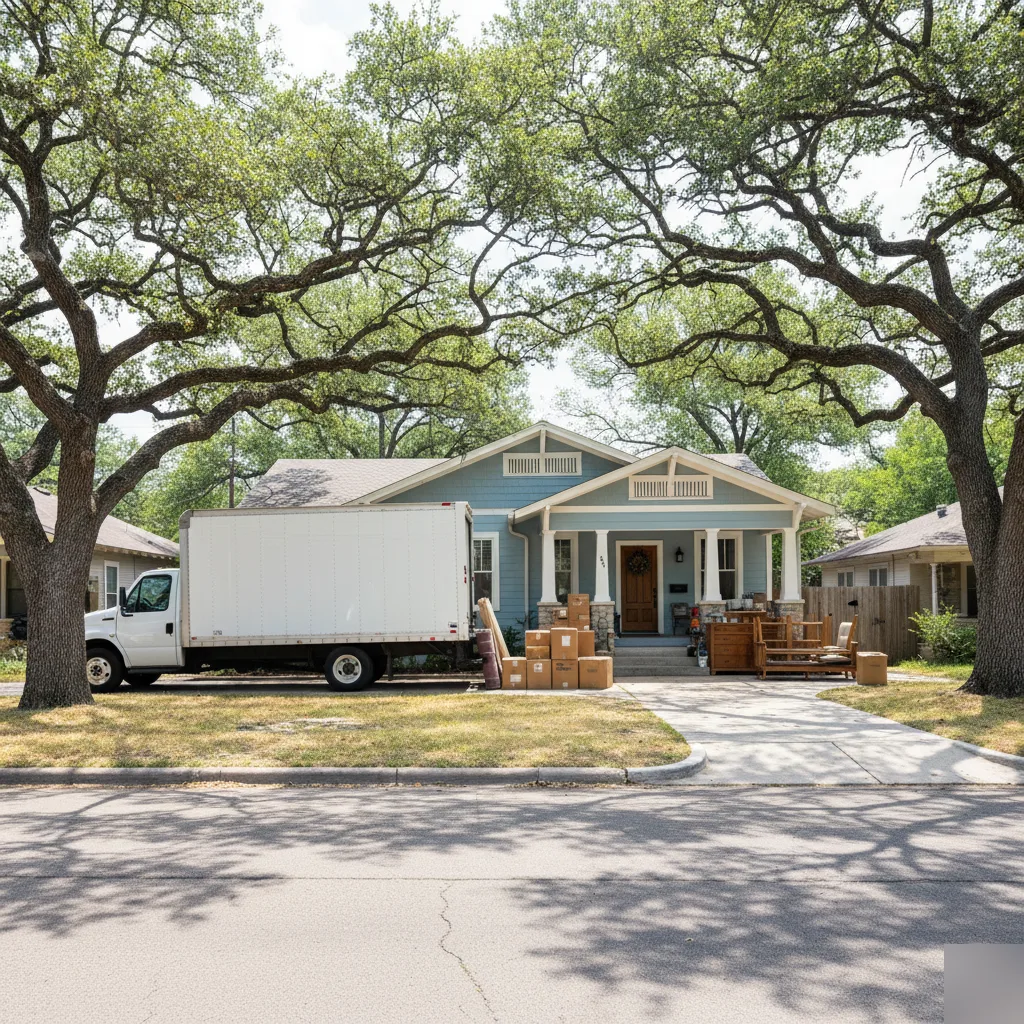
If you're asking "how much do movers cost in Austin, TX?", you're not alone. That's the main question we hear from folks. It comes up whether you're moving across East Riverside or heading out to Cedar Park. The quick answer is it changes. But you can get a real idea of the price before you call us.
Most local moves here in Austin run by the hour. A two-person crew works for a studio or a small one-bedroom place. A 3-person crew covers bigger homes, usually two or three bedrooms. For even larger houses or for moving heavy items, you'll need four movers or more. That hourly rate includes the people, the truck, and basic gear. Think dollies and plenty of moving blankets.
What Actually Drives the Cost
People often think how big their place is matters most. It's not the main thing. We see this often. A 900-square-foot apartment can be packed to the rafters. That costs more to move than a half-empty 1,500-square-foot house. What you own and its weight makes the biggest difference.
Here are the big things that change your final bill:
- How much stuff you actually have, not just the size of your space
- The drive between your old home and your new one
- Stairs, narrow walkways, or long carries from the door to the truck
- What time of year or day you're planning your move
- Special things like a piano, family antiques, or really big furniture
A third-floor walkup near the UT campus always takes longer than a single-story place in Circle C. Those extra minutes add up fast. And if you're moving during peak season, roughly May through September in Austin, our crews stay busy, demand stays high.
Local vs. Long-Distance: Two Different Animals
Local moving services in Austin typically mean any move under 50 miles. That's our standard hourly-rate setup. Once you go into long-distance moving, the way we figure the price changes. It switches to weight and mileage. The American Moving and Storage Association says the usual cost for moving across state lines bases things on about 7,400 pounds of stuff. So, a cross-country move from Austin to, say, Portland looks nothing like a move from South Lamar to Pflugerville.
Don't get these two mixed up when you're comparing quotes. A long-distance quote and a local one are very different. They aren't the same type of pricing.
Packing Services Change the Equation
Here's a point most neighbors don't consider until it's too late: packing takes forever. Really. It takes much longer than you'd ever guess. If you add packing and unpacking to your move, the total cost will go up. But so will your peace of mind. We've seen customers try to save money by doing all their own packing. Then they spend three stressful weekends buried under bubble wrap. It's your call. Just know it's an option with Mountain Movers.
A guaranteed quote gives you the clearest picture of what you'll pay. Professional movers do a walkthrough or a virtual look at your home. They count boxes. They note any tricky stairs. They'll flag that baby grand piano in your living room. That's how we help you avoid zero surprises on moving day.
But here's a truth many guides won't tell you. A quote is only as reliable as the company that gives it. A number that seems too good to be true might grab your attention. It won't protect your wallet when the final bill actually arrives. Always ask how a company calculates their time. Ask about travel fees. Ask what happens if the move takes longer than expected.
Before you finalize your moving budget, it helps to budget for moving costs ahead of time so you're not caught off guard by the full picture of what a move involves financially.
If you want a real, transparent pricing number based on your actual home and your actual belongings, request a guaranteed quote from our team. We're licensed and insured. We'll walk through everything with you. You'll know what to expect before the truck ever shows up.
Austin is a one-of-a-kind city for moving. There are the hills of Westlake, the tight parking for downtown condos, and that summer heat that slows every crew down. Local knowledge is important. The numbers you see on a big national website won't always match what happens here on the ground with us. We're a locally owned company, so Central Texas.
What the Hourly Rate for Movers Actually Covers
Most people just see an hourly rate. They think it's just paying someone to carry boxes around. It's not just muscle. That number covers a lot more than just lifting.
When you call Mountain Movers in Austin, your hourly rate covers a 3-person crew or more. It includes the moving truck. It includes basic equipment like dollies and furniture pads. And it includes the fuel to get our crew between your old place and your new home. That's the basic setup. But we like to break it down. You should know exactly where your hard-earned money goes.
Labor and Crew Size
The biggest part of your hourly rate is for our professional movers. Our crew shows up trained and ready. They know how to lift heavy furniture. They know how to move through tight stairwells. They load a truck so nothing shifts during the drive. We see a lot of apartments near Downtown Austin and in areas like Mueller. Doorways there are often narrow. Parking can be really tricky. That kind of work needs skill, not just strength. It needs careful care.
A two-person crew can handle most one-bedroom moves. Three or four movers make more sense for bigger homes. More people on the crew means a bit higher hourly rate. But the job usually finishes faster. So, the total cost often evens out in the end.
Truck, Fuel, and Equipment
You aren't renting the truck separately from us. It's part of your upfront pricing. The gas to drive across Central Texas is also included. Whether you're moving from South Lamar to Round Rock or staying in the same Austin zip code, that's covered. Mountain Movers also brings furniture pads, stretch wrap, and dollies. There's no extra charge for those things in most cases. We want zero surprises.
Here's what's typically included in that hourly rate:
- A moving truck sized right for your home
- Plenty of furniture blankets and padding to keep your belongings safe
- Hand trucks, dollies, and simple tools for taking things apart and putting them back
- Fuel costs for one trip between your places
- Basic liability coverage, as Texas law requires
And here's what's usually not included: special packing services, handling really unique items (like a piano moving service), long-term storage, or extra stops along the way. Those are add-ons. Knowing the difference helps you avoid sticker shock on moving day. It keeps our pricing transparent.
Travel Time and Minimums
One detail that sometimes catches neighbors off guard is travel time. Most Austin movers, including us, start the clock when our crew leaves the warehouse. Not when they pull up to your door. Some companies might use a flat travel fee instead. Either way, it's a piece of the overall cost.
There's almost always a minimum charge too. Often two or three hours. Even if your move only takes 90 minutes, you'll still pay for that full minimum. This is standard in our industry. It protects our professional movers' time. It helps keep our locally owned business running smoothly.
A lot of folks call us confused about a small move quote that seems high, it's often that minimum charge. Once they understand that part, the no-surprise pricing makes sense.
What You're Really Paying For
Think about it this way. You're paying for a team that knows how to protect a nice couch. The people here will carry it down three flights of stairs in the blistering July heat. Austin summers are truly brutal on any moving crew. That kind of experience has real value.
You're also paying for insurance. You pay for workers' compensation. You pay for truck maintenance. You pay for our company's daily operating expenses. A licensed and insured mover, registered with the Texas Department of Motor Vehicles (TXDMV #008843498C), has real costs. That's what separates a reliable, trusted crew like ours from just two guys with a pickup truck.
But the hourly rate alone doesn't tell the whole story. The total cost really depends on how long the move takes. It depends on what add-on services you need. And it depends on factors like stairs or long carry distances. If you want a clearer picture of what your specific move might run, check out our moving estimate page. You'll get a number based on your actual situation. No guesswork involved.
Understanding what's covered in that hourly rate puts you in control. No surprises. No hidden fees. Just a clear picture. You know what you're getting for every dollar you spend with Mountain Movers.
Factors That Drive Your Moving Cost Up or Down
Your final bill comes down to a few real things. We don't have mystery fees. There's no guesswork. It's about the actual details of your home, your stuff, and your timeline.
We can look at the big ones together.
Distance and Location
Moving across Austin costs less than moving across the state of Texas. That seems obvious. But even local moves change in price based on exactly where you're going. A third-floor walkup near the UT campus takes a lot longer. That's compared to a single-story ranch house in Circle C. We see this all the time. The distance on paper might look short. But the actual labor tells a much different story.
Tight parking spots near downtown Austin or South Congress add time too. If our professional movers have to park a whole block away and carry everything, that means more hours on the clock. It's just simple math.
How Much Stuff You Own
This is truly the biggest factor for your final cost. A one-bedroom apartment is a completely different job. So is a four-bedroom house. More furniture means we need a bigger truck. More fragile items mean more packing materials. More weight means more hands on deck. Our 3-person crews are ready for anything, but volume matters.
Most people really underestimate how much they own. It catches them by surprise every single time. That "junk drawer" you have? Multiply its contents by twenty. The garage packed full of holiday decorations, sports gear, and tools? That space alone can fill half a truck sometimes.
If you want a more accurate quote, walk through every single room. Count all the big pieces. Open up all the closets. Be honest about your garage contents. It really helps us give you transparent pricing.
Time of Year and Day of Week
Austin's busiest moving season runs from May through September. The summer heat doesn't slow anyone down here. Leases turn over. Families relocate before school starts up again. And UT students flood the market every single August. We've noticed how crazy the 78705 zip code gets then.
Moving mid-week in February? You'll likely have more choices for scheduling. Moving on a Saturday in July? That's peak demand for movers. The American Moving and Storage Association says nearly 80 percent of residential moves happen between April and September. We certainly see that here in Central Texas.
And here's something else most folks don't think about. Dates at the end of the month are packed solid. That's when most leases expire. The first and last week of any month are usually the hardest slots for us to book. Plan ahead if you can.
Special Items and Extra Services
Do you have a baby grand piano? How about an antique armoire that weighs 400 pounds? Moving heavy items and providing piano moving service means we need extra professional movers. It means special equipment. These aren't standard items on every move. They require careful care.
The same goes for our packing services. If you want our crew to handle your dishes, your artwork, and your bookshelves, that means additional labor. Some neighbors pack everything themselves to save some money. Others hand it all off to us. They would rather spend that Saturday with their kids. Both are perfectly fine choices. We're here to help.
Here's a quick list of things that usually push costs a bit higher:
- Stairs, narrow hallways, or no easy elevator access
- Long carry distances from your door to the truck
- Bulky or fragile specialty items like pianos or glass tables
- Booking last-minute during our peak season
- Needing storage between your move-out and move-in dates
But some things work in your favor too. Downsizing your belongings before you move saves hours off the job. Having all your boxes packed and labeled helps our crew work faster. Choosing a weekday or an off-peak month gives you more scheduling flexibility. We're proud to offer same-day and next-day moves sometimes, but planning ahead helps.
One scenario we encounter frequently in Austin: a customer is moving from an apartment in East Riverside to a house in Pflugerville. The distance is short. But the apartment has three flights of stairs and a narrow hallway. The house has a long, winding driveway. That "easy" local move often takes just as long as something twice the distance.
The way to truly know where you stand? Get a guaranteed quote based on your actual situation. Not just a ballpark figure you found on the internet. We offer transparent pricing, always.
Frequently Asked Questions
Does the size of my home actually determine what I'll pay movers in Austin?
Does the size of my home actually determine what I'll pay movers in Austin?Home size is not the main factor — what you own and how much it weighs matters more. A packed 900-square-foot apartment near the UT campus can cost more to move than a half-empty 1,500-square-foot house in Circle C. Stairs, long carries, narrow doorways, and heavy specialty items like pianos all add time to your move. Time is what drives your final bill on a local hourly-rate move in Austin.
What is the difference between a local move and a long-distance move in Austin?
What is the difference between a local move and a long-distance move in Austin?Local moves in Austin are typically anything under 50 miles and are priced by the hour. Long-distance moves switch to a weight-and-mileage pricing model — a completely different calculation. A move from South Lamar to Pflugerville looks nothing like a move from Austin to another state. Never compare a long-distance quote to a local one. They are not the same type of pricing, and mixing them up can lead to real budget surprises.
How does Austin's geography affect moving costs compared to other Texas cities?
How does Austin's geography affect moving costs compared to other Texas cities?Austin's hills, heat, and dense neighborhoods make moving here different from flat Texas cities. The hills of Westlake add physical strain and slow crews down. Downtown condos often have tight parking and narrow elevators. Summer heat from May through September keeps demand high and slows every crew down. A third-floor walkup near campus always takes longer than a single-story home. Local knowledge of Austin's layout matters more than a generic national price estimate.
Does adding packing services always make a move more expensive?
Does adding packing services always make a move more expensive?Yes, packing services add to your total cost — but they also add real peace of mind. Packing takes far longer than most people expect. Many homeowners try to save money by doing it themselves, then spend three stressful weekends buried under bubble wrap. If your time and stress level matter to you, professional packing may be worth the added cost. Before you decide, it helps to budget for moving costs so you understand the full financial picture of your move.
What is a common mistake people make when comparing moving quotes in Austin?
What is a common mistake people make when comparing moving quotes in Austin?The most common mistake is choosing the lowest number without asking how it was calculated. A quote that looks great upfront may not account for travel fees, extra time, or heavy specialty items. Always ask how a company measures their time, what happens if the move runs long, and whether the quote is guaranteed. A guaranteed quote — based on a real walkthrough of your home — gives you the clearest, most reliable picture of what you'll actually pay.
What does an hourly moving rate in Austin actually include?
What does an hourly moving rate in Austin actually include?Your hourly rate covers more than just labor. It typically includes the crew, the moving truck, fuel, dollies, and furniture pads. You are not renting equipment separately. In Austin neighborhoods like Mueller or Downtown, where parking is tight and doorways are narrow, that crew also brings the skill to handle tricky conditions safely. More movers on a crew means a slightly higher hourly rate, but the job usually finishes faster — so the total cost often balances out.