

How to Pack Mugs for Moving




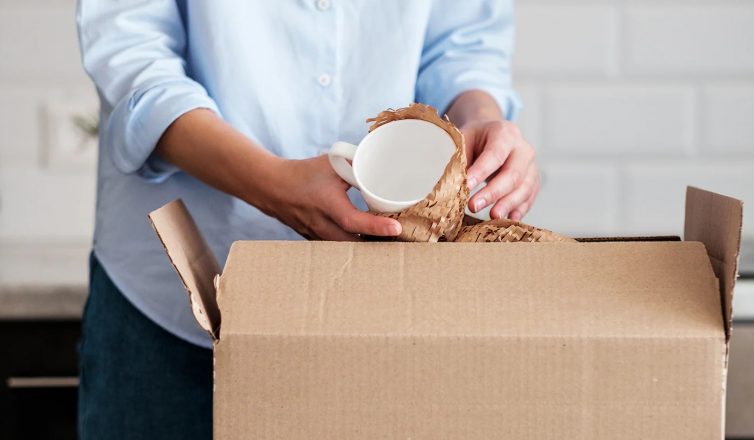
How to Pack Mugs for Moving: Simple, Safe Steps to Protect Your Mugs

Packing fragile kitchenware—especially mugs—can feel stressful, but a few reliable techniques will keep your favorite cups safe. This guide walks you through the supplies you’ll need, how to wrap each mug, the best way to set up boxes, and when it makes sense to hire pros. Scroll for step-by-step wrapping and boxing instructions, material comparisons, and quick answers to common questions like whether mugs should travel upright or sideways. Prefer a hands-off option? Mountain Movers offers professional packing, and you can get a free quote to compare convenience and protection. Follow these practical tips and checklists to make packing mugs for a local or long-distance move straightforward and worry-free.
What Essential Packing Supplies Do You Need to Pack Mugs Safely?
Start by gathering the basics: sturdy boxes, cushioning, strong tape, and clear labels. The right materials reduce shifting, absorb shocks, and keep handles and rims from hitting hard surfaces—so getting them ahead of time saves time and headaches on packing day. Below is a short list of essentials and why each one matters.
Packaging plays a key role in keeping items safe during shipment—a practical principle used across logistics and distribution.
Mechanical Protection in Corrugated Packaging for Shipment
Packaging is essential to move consumer goods safely. It protects items during transport, communicates handling needs, extends product life, and supports recycling efforts. A well-designed corrugated box balances mechanical protection with production cost so goods survive handling without adding unnecessary expense.
Mechanical design of corrugated packaging box, D Prisecaru, 2021
- Bubble wrap or packing paper: cushions fragile surfaces and fills gaps.
- Dish pack boxes or small, sturdy boxes: keep weight down and lower crushing risk.
- Packing tape and a tape dispenser: secure seams and reinforce box bottoms.
- Markers and “FRAGILE” stickers: tell handlers to treat the box with care.
- Dividers, towels, or clothing: add separation and eco-friendly padding options.
These items form a reliable starter kit—collect them before you begin so you’re not improvising at the last minute. Next, we compare cushioning materials so you can pick what works best for your mugs and your move.
Which Packing Materials Protect Fragile Mugs Best?

Protection level, cost, and availability vary by material. Bubble wrap gives strong impact protection—ideal for thin porcelain or delicate painted pieces—while packing paper offers lightweight, flexible cushioning for general use. Towels, clothing or fleece are eco-friendly stand-ins but need more bulk to match bubble wrap. Foam sleeves and corrugated dividers work great for sets, keeping mugs separated and handles from knocking together. For most moves, wrap each mug on its own, pad handles and rims, and layer cushioning at the box bottom and top to absorb vertical pressure.
In short: choose higher-protection materials for long trips or fragile pieces; for short, local moves, layered paper and towels can work if packed carefully. The next section covers picking the right box to match your cushioning choices.
How to Choose the Right Moving Boxes for Dishes and Mugs?
Boxes make a big difference. Small-to-medium sturdy boxes—or purpose-made dish pack boxes—limit movement and are easier to carry. Single- or double-wall corrugation is fine depending on weight and distance; newer boxes hold up better than worn ones. Cell or divider boxes are ideal for multiple mugs because each cell keeps items separate and makes loading simpler. Avoid oversized boxes that let things shift—several smaller boxes beat one heavy, awkward box. Always check box bottoms and add extra tape if you see any sagging to prevent collapse during transport.
Knowing how corrugated boxes behave under different conditions helps you pick the right container and avoid damage during transport.
Corrugated Packaging Safety Factors for Transport & Storage
This study reviews the safety factors that matter for corrugated packaging—especially during transport and storage in challenging conditions like high humidity or extreme temperatures. It covers key strength measures (compressive strength, burst strength, edge crush ratings) and explains why those tests matter when protecting items in transit.
Evaluating safety factors in corrugated packaging for extreme environmental conditions, T Garbowski, 2023
How Do You Prepare and Wrap Mugs to Prevent Damage During Moving?
Start each mug clean and dry, then choose a wrapping method that protects the most vulnerable spots: the handle, rim, and any painted details. Drying prevents trapped moisture, and wrapping carefully keeps protective layers from rubbing or sticking to finishes. The basic prep steps are: clean and dry, pick the right cushion, and wrap with special attention to handles and rims.
- Clean and dry each mug so no residue or moisture is trapped.
- Wrap from base to rim, using minimal tape and keeping it away from decorations.
- Add padding to the handle and place the mug upright in the box with cushioning around it.
That routine lowers immediate breakage risk and prepares mugs for boxing, where spacing and gap-filling stop movement. The following subsections give specific wrapping methods and tips for protecting handles.
What Are the Best Ways to Wrap Mugs Safely for Transport?
Three dependable wrapping methods balance protection and speed: paper wrapping, bubble wrap, and towel/linen wrapping. Paper wrapping uses crumpled packing paper wrapped snugly to form a flexible cushion and keep surfaces from rubbing. Bubble wrap provides the most shock absorption—use at least two layers and tape lightly away from decorations—best for delicate ceramics or long hauls. Towel or clothing wrapping is budget- and planet-friendly; use soft fabrics plus paper inside handles to keep shape. Pick the method that matches the mug’s fragility and the trip length, and double-wrap especially valuable or sentimental pieces.
How Should You Protect Mug Handles and Delicate Parts?
Handles and rims are the spots most likely to break, so treat them as priority zones. For handles, tuck a small roll of paper or foam into the curve for support, then wrap the outside with a soft layer to prevent snapping from side impacts. Rims and delicate finishes need a non-abrasive inner layer—avoid tape directly on decorative surfaces and use tissue or paper closest to the finish. If a mug has removable parts or lids, pack those separately in labeled small bags and secure them inside the same box so they don’t rattle. Targeting protection to handles and rims eliminates the most common failure points.
What Is the Step-by-Step Process to Box Mugs Securely for Moving?

Boxing mugs follows a clear sequence: cushion the box bottom, place individually wrapped mugs upright, fill any gaps, add top cushioning, then seal and label. This approach keeps items from shifting and spreads weight onto protective layers rather than fragile rims. Use the checklist below when packing an entire set so you don’t miss a step.
- Line the box bottom with 2–3 inches of cushioning (crumpled paper, bubble wrap, or a quilted pad).
- Place each wrapped mug upright or in dividers, spacing them so handles don’t touch.
- Fill voids with crumpled paper, foam peanuts, or folded towels to stop shifting.
- Add a 2-inch top layer of cushioning, close and tape the box securely, then label it FRAGILE with orientation arrows.
Following these steps spreads forces and prevents rims from bearing the weight of stacked boxes. The short table below summarizes tools and time estimates for each task.
If you’re short on time, dealing with lots of fragile items, or want guaranteed protection for high-value pieces, consider professional packing help—Mountain Movers offers packing services for fragile kitchenware and can get you a free quote to assess your needs and timing.
How to Cushion and Arrange Mugs Inside Moving Boxes?
The best layout uses vertical placement, even spacing, and layered cushioning so each mug gets a protective column around it. Upright placement reduces side pressure on handles and rims because stacking compresses cushioning rather than pushing mugs together. Use dividers for sets or give each wrapped mug at least an inch of padding; this keeps handles from levering on neighboring cups. Add a soft top layer so the top mug isn’t crushed by items above—this prevents chips from top-to-bottom pressure. Thoughtful arrangement prevents the common causes of breakage during handling and transport.
Why Is Labeling and Filling Empty Spaces Important for Fragile Items?
Clear labeling tells movers how to orient and handle boxes, and filling empty spaces prevents internal movement that causes damage—both are essential for fragile packing. Mark boxes with orientation arrows and “FRAGILE” on multiple sides so instructions remain visible no matter how boxes are stacked. Fill gaps with crumpled paper, towels, or foam—pick materials that complement the inside padding to avoid hard-to-hard contact. Skipping these steps often leads to hidden damage that only shows up when you unpack, so spend a few extra minutes to protect your mugs and reduce stress at the new place.
When Should You Consider Professional Packing Services for Fragile Items?
Hiring pros makes sense when volume, value, or travel distance raises the risk or time of DIY packing. Common reasons to call in professionals include moving many fragile dishes, transporting antiques or high-value mugs, having limited packing time, or making a long-distance move with more handling. Movers bring consistent materials and trained techniques that lower breakage risk and speed up the process. Below are typical scenarios where professional packing is worth considering.
- Large quantities of fragile kitchenware: saves hours and reduces packing mistakes.
- Valuable or sentimental pieces: pros add extra-layer protection and careful handling.
- Time-constrained moves: professionals pack faster and more reliably.
- Long-distance relocations: experts choose materials suited for extended transit.
Hiring pros is an investment in convenience and protection. The table below outlines service options, their benefits, and when each makes sense so you can choose what fits your move.
Want an on-the-record estimate or help matching services to your move? Mountain Movers — a top-rated, family-owned moving company serving Central Texas — offers transparent pricing and careful handling; call (737) 230-6190 or get a free quote to discuss packing options and scheduling.
What Are the Benefits of Hiring Experts Like Mountain Movers?
Working with professionals gives you consistent materials, trained handlers, and a repeatable process that together reduce breakage and save time on moving day. Mountain Movers focuses on stress-free moves and careful handling; their full-service packing covers everything from supplies to secure boxing so you can concentrate on other things. Clear pricing and local experience in Austin and Central Texas help avoid surprises during booking and moving. For peace of mind, request a free quote and compare the cost of pro packing with the time and replacement risk of DIY—you may find the convenience is worth it.
How Do Professional Packing Services Ensure a Stress-Free Move?
Professional packers use a standard workflow—inspect items, make an inventory, wrap with appropriate materials, and label crates—to create predictable results and simplify claims if needed. They select materials based on item type and distance, and they distribute weight across boxes to avoid overloading. Trained handlers also load the truck with fragile boxes placed where they’ll face the least shifting and pressure. These practices speed up your move and reduce the usual anxiety around fragile items, letting you focus on settling in rather than worrying about broken dishes.
What Are Common Questions About Packing Mugs for Moving?
People often want quick answers about bubble-wrap alternatives and the right orientation for mugs. This section gives short, actionable responses you can use when you’re short on time. Below are common questions with clear, practical answers.
How Can You Pack Mugs Without Bubble Wrap?
You can pack mugs without bubble wrap by using packing paper, towels, clothing, or foam alternatives—key is layering to mimic bubble wrap’s shock absorption. Start by stuffing the mug with paper or tissue for interior support, then wrap the outside with multiple tight layers of packing paper and add a soft towel or clothing layer for extra padding. If you nest mugs, use a divider or paper cones between faces to stop rubbing and chipping; make sure the nest is stable and handles are cushioned. For long trips, don’t skip higher-protection options entirely—combine paper and towels or add foam sleeves for your most fragile pieces.
Should Mugs Be Packed Upright or Sideways?
As a rule, pack mugs upright to reduce side pressure on handles and rims—vertical placement lets cushioning absorb stacking forces instead of levered impacts on handles. Upright packing is especially important for delicate materials and painted finishes. The exception is when mugs are designed to nest safely with dividers and padding—in that case, sideways placement can save space if separation is secure. Whatever orientation you choose, pair it with enough cushioning and clear labeling so handlers know how to treat the box.
Want help choosing DIY vs. professional packing, or ready to book full-service packing for fragile kitchenware? Request a free quote or contact Mountain Movers to schedule—call (737) 230-6190 to speak with local experts for Central Texas moves.
Conclusion
Packing mugs carefully protects your favorite pieces and removes a lot of the moving-day stress. With the right supplies and these simple techniques, each mug can arrive at your new home intact and ready to use. If you’d rather skip the packing, professional services that specialize in fragile items can save time and worry. Explore your options today to make your move smoother and more reliable.