

Movers Near South Hills Conservation Area, Austin



How Movers Handle Renter-Heavy Apartment Communities
About 79% of households in this South Hills Conservation Area part of Austin rent. So, movers near South Hills Conservation Area focus on apartment logistics. That means we're ready for stairwells, elevators, and narrow halls.. We handle studio moves, roommate splits, and quick lease-turnover jobs. People here often have good furniture and electronics (median household income is near $101,936). We use extra padding and careful care in those tight apartment spots. We treat your belongings like family, always.
Single-family homes are rare here, less than 1% of the housing stock. We rarely load a truck from a garage. Most jobs start in a parking lot. Or a loading zone. Then through a lobby. This means either a stairwell or a shared elevator. Our professional movers plan for this. We bring dollies sized for narrow hallways. Protective corner guards for doorframes are always with us. Our shorter loading ramps work for raised curbs, not long driveways. We see this all the time.
The most common job here is a studio or one-bedroom move. We often finish it in a single afternoon. Our 3-person crews get it done. Roommate splits happen a lot, too. Folks share units, then get their own leases. These moves mean careful item sorting. Shared furniture, kitchenware, electronics - they all get divided correctly. Sometimes to two new addresses on the same day.
Lease-turnover season adds demand. Many renters move in and out in a 48- to 72-hour window. This makes booking early really important. Our trusted movers know the area. We coordinate directly with property management. We confirm elevator reservation windows, loading dock hours, and insurance needs. All before move day. Zero surprises.
- Elevator and stairwell scheduling is coordinated with building management upfront. No move-day delays.
- Furniture pads and shrink wrap are used generously. Many units here have higher-value items.
- We use smaller, maneuverable dollies and hand trucks. Bigger gear just won't fit through apartment doorways.
- We offer flexible short-notice booking. This helps with tight lease-turnover deadlines.
- Clear item labeling for roommate splits is crucial. Belongings get separated accurately.
Many renters in this area own higher-end furniture. And better electronics. We always take extra time. Wrapping televisions. Securing glass tabletops. Protecting upholstered pieces. Especially when moving through shared common areas. This careful care matters in buildings with shared spaces. A single scuff or delay affects other residents. We don't want that for our neighbors.
How Our Team Reaches the South Hills Conservation Area
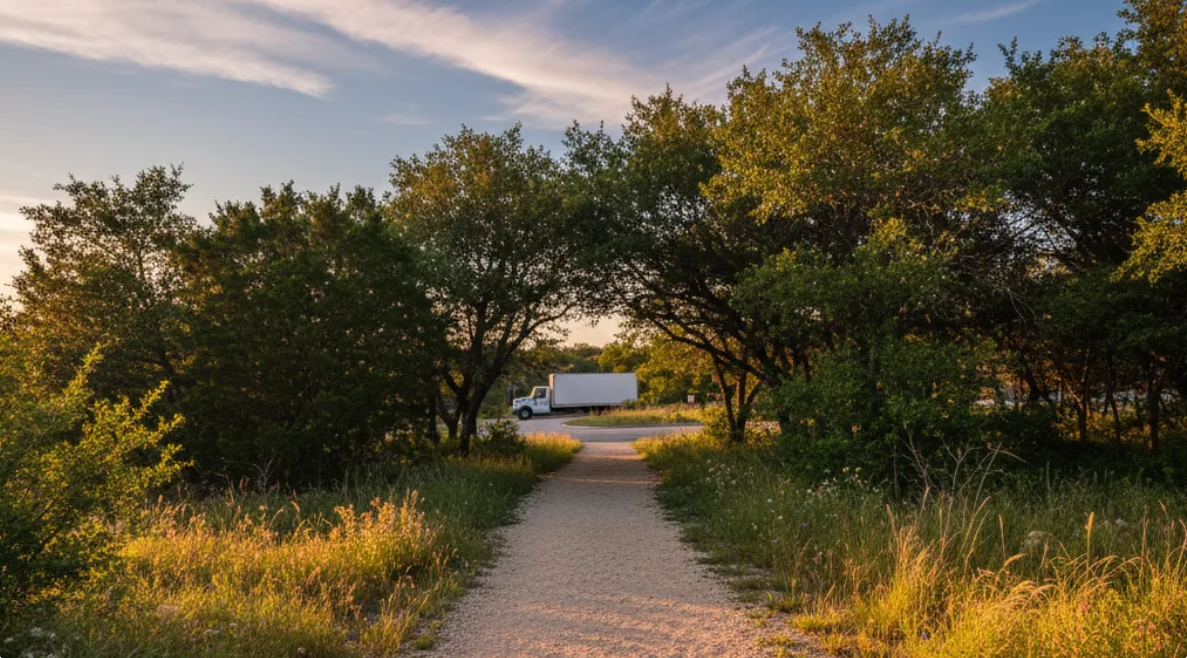
Our dispatch point is at 901 S MoPac Expy Suite 300. It's just a few miles north of the South Hills Conservation Area. This makes it a convenient service zone for us in South Austin. A typical run starts with a straightforward shot south on MoPac Expressway. We exit toward Slaughter Lane. Then head west until the road meets Manchaca Rd. From there, our crews turn south. We follow the winding residential streets that border the greenbelt trails. Eventually, we reach the apartment communities and homes around the conservation land. Honestly, we know these roads like the back of our hand.
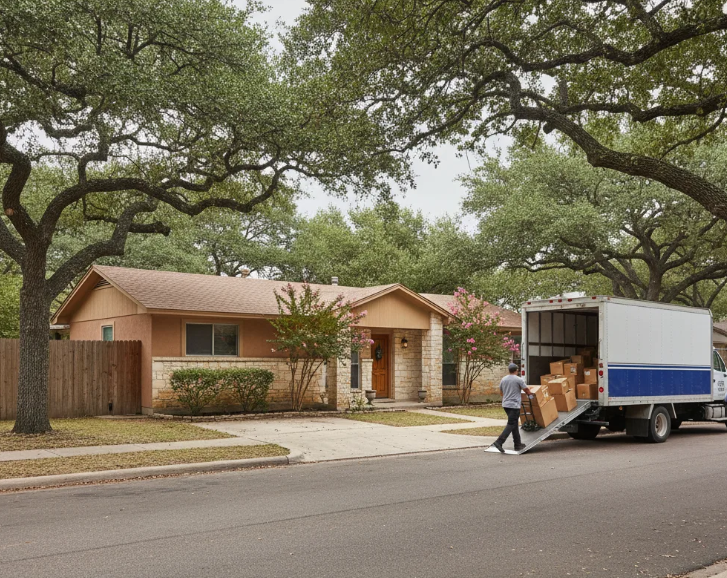
On a normal weekday morning, this drive is about fifteen to twenty minutes. Not much changes. The real challenge hits during the afternoon rush. Between 4 and 6 p.m., MoPac southbound traffic backs up. Especially near the Slaughter Lane and William Cannon interchanges. Crews going to a late-day move sometimes see that trip stretch to thirty-five or forty minutes. We build extra buffer time into any job scheduled during peak hours. This avoids rushing the walk-through or initial truck placement. We want zero surprises.
Once we arrive near the conservation area, the big obstacles aren't usually on the highway. They're on the final few hundred feet. Several apartment complexes here have narrow internal roads. They were designed for daily resident traffic, not full-size moving trucks. Guest parking is often limited. A handful of spots. Those fill up fast on weekends. Residents and trail visitors both compete for the same curb space. It's a real pain point we see often.
- We scout apartment access roads before move day. This is key if a property has a reputation for tight turns or low-clearance carports.
- Our crews confirm loading zone rules directly with property management. Many multi-family buildings here need advance notice for freight elevators or loading docks.
- We ask clients in these buildings to reserve a nearby guest spot or request a temporary parking pass.
- Drivers plan alternate drop-off points on the street. That's for when a complex's loading area is blocked or under maintenance.
This extra coordination really matters for renters. A blocked loading zone or unexpected parking restriction adds real delay. It changes a smooth moving day into a headache. We treat that upfront legwork as part of the job. It keeps the truck close to the door. And it keeps your move on schedule. That's our promise.
What 1976-Built Complexes Near the Conservation Area Mean for Move Day
The census tract around South Hills Conservation Area has a median construction year of 1976. This means a lot of the apartments and condos are nearly fifty years old. Buildings from this era followed different code requirements. Typically, this means narrower stairwells. Smaller, slower elevators. Tighter turning radii in hallways and entryways. A couch that fit easily into a newer build across town? It can become a genuine puzzle in these older complexes. Movers who haven't worked this specific pocket of Austin sometimes underestimate the extra time these constraints add. We see it happen all the time.
Owner-occupied units are only about 21.02 percent of housing here. Most moves are handled by a property management office. Not an individual homeowner. This matters on move day. Most complexes have their own insurance requirements. Designated loading zones. Elevator reservation windows. And specific move-in or move-out time slots. Skipping this step is a common reason for delays. Confirming these rules a few days ahead? It's worth the extra phone call.
- Ask the property office if elevator use needs a reservation or protective padding.
- Confirm if they require an insurance certificate from the moving company before move day.
- Check for a designated loading dock. Or if street parking is the only choice.
- Verify any restrictions on move-in or move-out hours, especially weekends.
- Measure doorway and hallway widths if your unit is in an older building.
The median resident age here is 34.8. This means more working-age folks. More single professionals and shared households. Fewer large families. So, many moves involve smaller crews. They handle one or two-bedroom units. Not big family homes. But the pace still needs to be quick. Renters often have tight turnaround windows between lease dates. Our Mountain Movers crew frequently juggles multiple smaller jobs in the same day within this area. We're reliable, always.
Tighter doorways in these older buildings make furniture disassembly more common. Bed frames, big dressers, sectional sofas. They often need to come apart. This helps them clear a hallway turn. Or a narrow bedroom entrance. Reassembly on the other end takes real time. A crew prepared with the right tools expects this step. They move faster. They also avoid wall dings. Or door frame damage. That happens when someone tries to force something too big. Our professional movers avoid that for you.
Frequently Asked Questions
How fast can movers reach apartments near South Hills Conservation Area?
We typically arrive in fifteen to twenty minutes on a normal weekday. Our dispatch point is just a few miles north on MoPac Expressway. During afternoon rush hour, especially near Slaughter Lane and William Cannon, that trip can stretch to thirty-five or forty minutes. We build extra buffer time into late-day bookings so your move never feels rushed.
Why do moves take longer in the older buildings near South Hills Conservation Area?
Many complexes here were built around 1976, before modern building codes. That means narrower stairwells, smaller elevators, and tighter turning radii near entryways. A couch that fits easily in a newer building can become a real puzzle here. Our crews plan extra time and bring smaller dollies made for these tighter spaces.
How do you handle move-day access in a renter-heavy building near the conservation area?
We coordinate directly with property management before move day. Since about 79% of homes here are rentals, we confirm elevator windows, loading dock hours, and any lease-turnover deadlines in advance. We also ask renters to reserve a nearby guest parking spot, since curb space fills up fast on weekends near the trails.