

Moving Company Near Unity Church of Austin, Austin



How High-Rise and Mid-Rise Moves Differ From House Moves
Moving in this part of Austin doesn't look like a typical house move. That's because single-family homes barely make up 0.68% of the housing here. Most folks live in mid-rise or high-rise buildings, so moving companies near Unity Church of Austin work with elevators and loading docks instead of driveways. Many of these structures went up around 1976. This means narrower hallways and older elevators. It all needs careful planning before we even start.
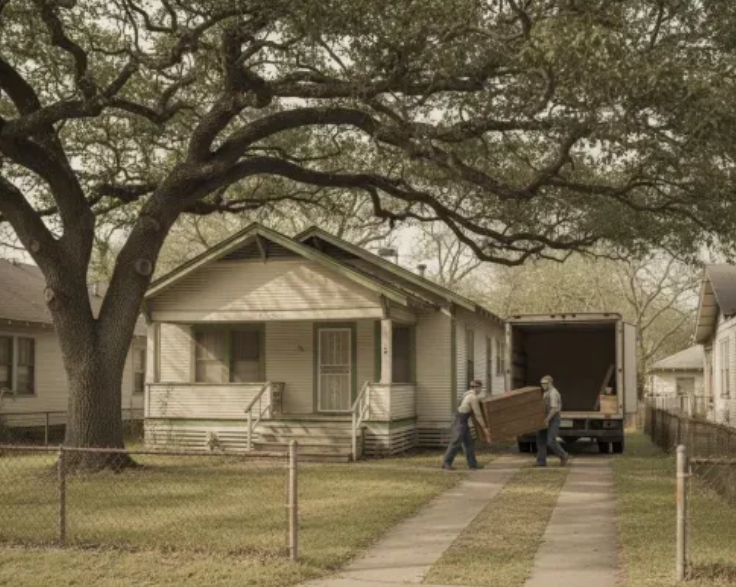
A house move usually means backing a truck right into a driveway. You walk furniture through the front door. You load up at your own speed. That simply doesn't fly here. With detached homes making up less than one percent of the local housing stock, we're almost always dealing with shared building spaces. This means every move starts with a call to building management. Not just a truck pulling up on move day.
Elevator and loading dock access needs to be reserved early. Usually, the property manager gives you a specific time window. Buildings with just one freight elevator might only allow two or three-hour blocks per resident. Showing up without a confirmed reservation is a real headache. Mountain Movers knows these buildings. We coordinate elevator scheduling and dock access long before the truck ever leaves our warehouse. No surprises when we arrive.
- Confirm elevator reservation windows and loading dock access with building management several days ahead.
- Measure elevator cabin dimensions and hallway widths in advance. Many buildings from around 1976 have tighter corridors than newer ones.
- Use furniture pads and corner protectors on elevator walls and hallway corners. This avoids damage in older buildings.
- Plan for slower load times if the elevator is shared with other residents during your move window.
- Bring extra padding and crating materials. Higher-value furniture, artwork, and fragile decor are common in these homes.
- Break down large furniture pieces that won't fit through older elevator doors or narrow stairwells.
The age of these buildings adds another layer of trickiness. Structures built in 1976 often have slower elevators. Hallways were designed before big furniture became common. A couch that fits a modern doorway might need tilting. Or maybe disassembling. Sometimes, it means carrying it up stairs. Our professional movers regularly work in these Austin buildings. We know which units are tougher to access. We plan our crew size and equipment for it.
Higher household incomes in this area also mean we're often handling more furniture, art, and fragile items. Way more than a typical apartment move. Extra wrapping, custom crating for artwork, and careful inventory tracking are standard here. Not optional. Replacing damaged high-value pieces costs a lot more than with an average move.
How Our Team Reaches the Unity Church of Austin Area
Getting a moving crew to this part of Austin on time? It takes more than just plugging an address into a phone. Our dispatch team maps every job way ahead of time. We factor in Austin's wild traffic patterns, those constant construction zones, and the tighter streets around the mid-rise buildings near Unity Church of Austin. We start from our staging point at 901 S MoPac Expy Suite 300, room 317, Austin, TX 78746. Crews review the route the morning of the move, just to double-check. No last-minute closures or events that could cause delays.
- Route planning: crews take a direct path across town. We avoid unnecessary turns near move-heavy buildings, where double-parked trucks and pedestrians can really slow things down.
- Arrival protocol: before unloading one box, crews check in with building management. We confirm loading dock hours or reserve the freight elevator. This keeps the move from stalling in a lobby.
- Parking strategy: street parking near mid-rise buildings fills up fast, especially weekday mornings. Our crews scout and reserve a short-term loading zone in advance. That way, our truck isn't circling the block while your clock runs.
This kind of route and access planning really matters here. Narrow side streets, shared parking, limited loading zones are all common. A crew that shows up without a plan? They often burn thirty minutes or more just finding a legal place to park. Or waiting on a slow elevator. Mountain Movers builds that buffer into your schedule ahead of time. Not on the fly. This keeps your move on the guaranteed quote you were given.
We also keep a running list of building-specific quirks for properties near this Austin corridor. We note which entrances allow truck access, which management offices need a heads-up, and where freight elevators tend to have long wait times during peak hours. That local knowledge goes to every crew on the job. Even a new driver on this route arrives with the same info as someone who's made the trip a dozen times.
What Long-Term Renters Near Unity Church of Austin Should Know
This neighborhood looks a little different from most of the city when it comes to housing. Renters occupy 78.98% of homes in this stretch. Most moves here aren't because of a home sale. They're due to a lease ending. Or a renewal notice. Or a new job pulling someone across town. That's a real distinction. Renters usually work with tighter timelines than homeowners. They often need to vacate and settle into a new unit in days, not weeks. This puts real pressure on scheduling reliable professional movers.
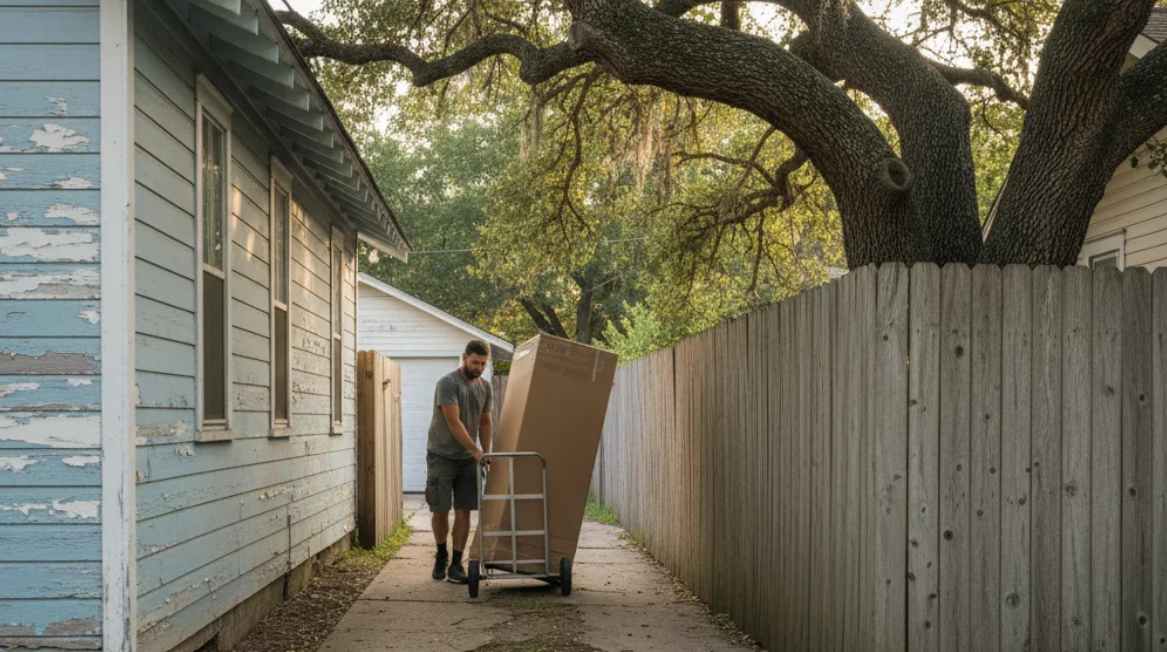
The median household income here is close to six figures. That lines up with the upscale rental buildings along this part of Austin. Higher earners tend to rent nicer units. They have more built-in furniture and electronics. Sometimes, building move-in and move-out policies are stricter too. We're talking scheduled elevator access or loading dock reservations. Mountain Movers is familiar with this part of the city. We ask about building-specific rules before moving day. This saves renters from last-minute surprises with property management.
Home values average in the mid-$400,000s here. This keeps ownership out of reach for many. It reinforces the area's rental-heavy vibe. And it keeps rental turnover competitive. Fewer people are buying. More are just moving from one lease to another. Desirable units get snapped up fast. We often need to work around narrow move-out and move-in overlap windows. Sometimes, we're coordinating same-day transitions between two nearby buildings.
The median resident age sits in the mid-30s. This adds another layer to the picture. Moves at this life stage often tie to career changes. Or promotions requiring relocation. Or just a lease renewal deadline that didn't fit. These moves tend to be leaner than family moves. Often fewer heavy furniture pieces. But more time-sensitive logistics. A missed moving slot can mean paying rent on two units.
- Book your professional movers as soon as a lease renewal notice arrives. Competitive turnover means moving slots fill quickly here.
- Confirm building-specific move policies. This includes elevator reservations and loading zone restrictions, which are common in upscale rental properties.
- Plan for tight overlap windows between move-out and move-in dates. Don't assume you'll have extra buffer days.
- Ask your movers about their experience with mid-rise and high-rise rental buildings, which are typical for this area.
- Keep an inventory of higher-value items. Income levels in the area often mean more electronics and furniture per move.
This mix of high income, a big renter share, and almost no single-family housing stock is pretty unique to this part of Austin. Renters here really benefit from a moving company that gets lease-driven timelines and building logistics. Not one geared just toward traditional home sales.
Frequently Asked Questions
Why does my move near Unity Church of Austin take longer than a typical house move?
Because almost none of the homes here are single-family houses, just 0.68% are detached. Most buildings went up around 1976, so elevators are slower and hallways are narrower than newer construction. We measure elevator cabins and hallway widths ahead of time and plan for extra load time, so your move stays on schedule.
I'm renting near Unity Church of Austin. How does that affect my move date?
Renters make up nearly 79% of homes in this area, so most moves here follow a lease deadline instead of a closing date. That means tighter timelines and less flexibility. We confirm your building's elevator or loading dock reservation early so your move-out and move-in line up with your lease dates, not the other way around.
Do I need to reserve parking or a loading zone for my move near Unity Church of Austin?
Yes, street parking fills up fast around the mid-rise buildings in this area, especially on weekday mornings. Our crews scout and reserve a short-term loading zone before your move date. We also check in with building management ahead of time to confirm freight elevator or dock access, so your truck isn't stuck circling the block.