

The Smartest Ways to Save Money on a Move in Austin




Why the Smartest Tip Depends on Your Home, Not a Checklist
The best way to save money on a move depends on your home type, distance, and timeline, not a one-size-fits-all checklist. A downtown Austin condo move faces different cost factors than a house move in Round Rock. Matching your strategy to your actual situation saves more than generic tips ever will.
Here's the thing nobody tells you. A generic list of ten money-saving moving tips won't fit your move. It can't. Your studio apartment on South Congress has different cost drivers than a four-bedroom house out in Steiner Ranch. We see this mistake all the time: someone reads a national blog post, tries every tip, and still overspends because half those tips didn't apply to them. Getting a plan from local Austin movers who know your neighborhood beats guessing from a generic checklist.
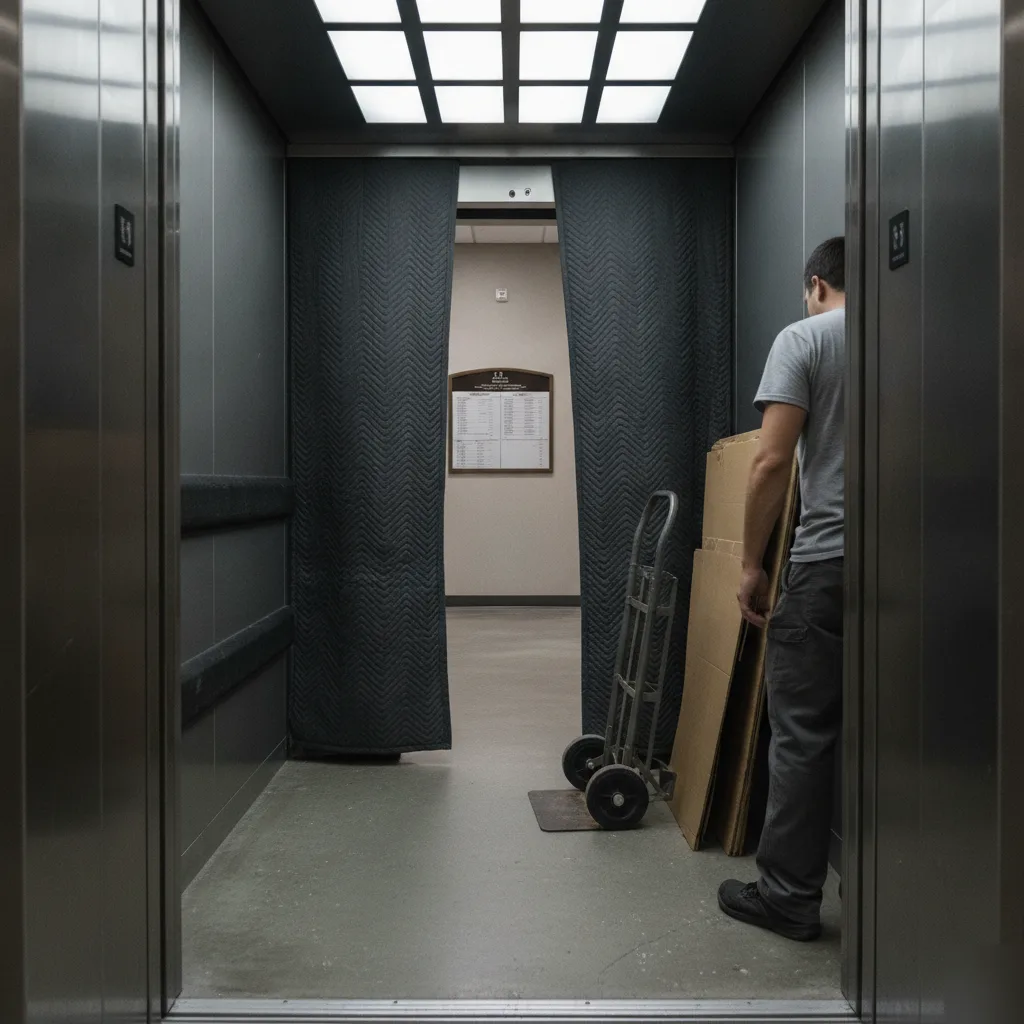
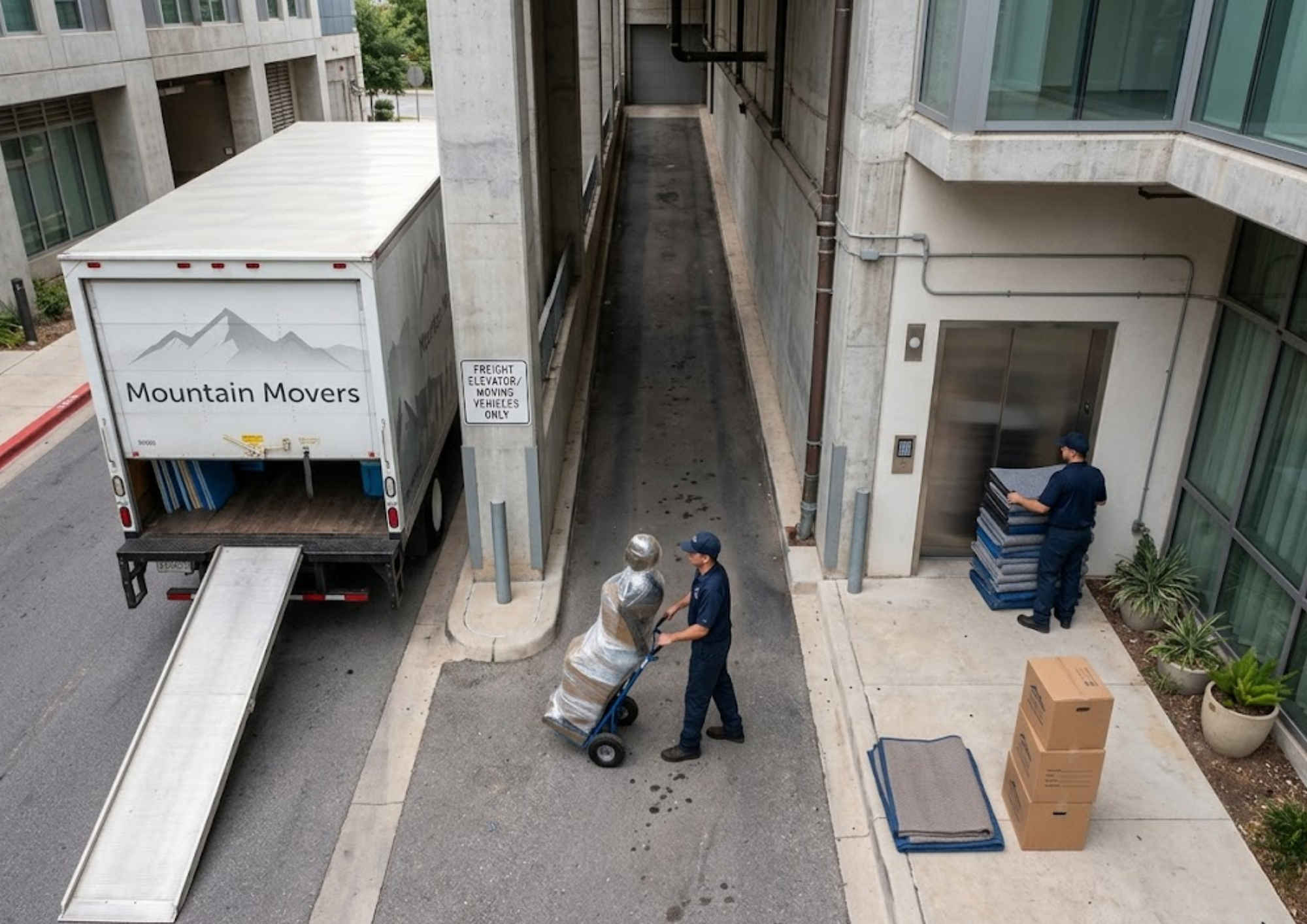
Think about a high-rise condo move downtown. The biggest cost risk isn't boxes or bubble wrap. It's the freight elevator. If you don't book a loading dock slot in advance, your crew sits around waiting, and that wait costs you money. Compare that to a move in an older neighborhood like Hyde Park or Travis Heights, where narrow streets and no driveway access mean the truck has to park a block away. That adds labor time too, just for a totally different reason.
So what changes the math? A few things.
- Home type: apartments, condos, and houses each create different labor and access challenges
- Distance: local moves within Austin price differently than long-distance or cross-country moves
- Timing: HOA move-in windows in Round Rock and Cedar Park can force early morning or weekday slots
- Season: June through September heat in Austin means crews work at a different pace, and that can shift your schedule options
- What you're moving: a piano, large furniture, or heavy items need extra hands and sometimes extra equipment
A family moving from a Mueller townhome to a house in Georgetown has a totally different cost picture than a renter moving between two apartments in East Austin. One might benefit most from doing their own packing. The other might benefit more from booking early to dodge peak summer rates. Neither tip helps the other person much.
This is why we always start with a real conversation, not a script. We ask about your building, your street, your stuff, your timeline. Then we tell you where the savings are for your move.
That's the difference between a checklist and a plan built around your actual address.
Decluttering Before the Estimate, Not After
Most people wait until the week of their move to start sorting through closets. That's backwards. If you're wondering about the smartest ways to save money on a move, this is one of the biggest ones. Your moving cost is tied to weight, volume, and time on the truck. So every box you don't need to pack is money you don't need to spend.

Here's the thing most folks miss: your estimate gets built around what you tell us you have. If you declutter after the walkthrough, your quote doesn't shrink. It just means the crew shows up to move less than what was planned for, and you've left savings on the table.
We had a family in Circle C last spring who called us out for a full estimate, then spent a weekend clearing out a garage full of old furniture before we ever showed up. Their final load was lighter, faster to pack, and cheaper to move than the original quote. That's not luck. That's timing.
- Walk through every room and separate items into keep, donate, sell, or toss piles before you request pricing
- Tackle storage areas first, garages, attics, and closets usually hide the most dead weight
- Sell bigger furniture pieces locally if you won't need them in the new place
- Donate usable items to a local Austin charity instead of paying to haul them across town
- Get your estimate only after this sorting is done, so the number reflects your real load
Old furniture, boxes of college textbooks, kitchen gadgets you forgot you owned, this stuff adds up fast. And in a lot of Austin homes, especially older ones near Travis Heights or Hyde Park, storage space is tight to begin with. People pack it all anyway, out of habit or guilt. We see this mistake all the time, and it costs real money on moving day.
So ask yourself before your walkthrough: have I gone through everything, or am I just assuming I need it all? That one question saves more money than any negotiating tactic ever will.
A lighter load also means a faster load. Fewer boxes means less time on the truck, which matters even more during Austin's brutal summer months when crews are working to keep pace and stay safe in the heat.
DIY Move vs. Hiring Movers vs. a Hybrid Labor-Only Option
Most folks think their choice is simple. Do it yourself, or hire a full crew. But there's a third option that a lot of Austin renters and homeowners don't know about, and it can save real money in the right situation.
DIY moving means you rent the truck, load it, drive it, and unload it. You control the schedule completely. But you also take on every risk. And in a city like Austin, that risk is bigger than people expect.
Think about a move out of a third-floor walk-up near UT campus, or a place in Hyde Park with a narrow driveway and no real parking. Add in July heat, and a DIY move can turn into a long, exhausting day. We've had customers call us mid-move because a friend backed out or a rented truck was too small. That happens more than you'd think.
Full-service movers are the other end of the spectrum. A trained crew handles the loading, hauling, and unloading. Some also offer packing services, so you're not spending your weekend wrapping dishes. This route costs more upfront, but it protects your time and your back. And it lowers the odds of damaged furniture or a strained relationship with the friend who helped you move that couch.
Labor-only moving sits right in the middle. You rent your own truck or POD, and a crew shows up just to load and unload it. This works well for people who want to cut costs on the truck rental piece but still need muscle for the heavy lifting.
- Choose DIY if you have very few items, a short distance, and friends who can commit the whole day
- Choose labor-only moving if you already have a truck or storage container and just need help loading heavy furniture
- Choose full-service moving if you're short on time, moving long-distance, or dealing with stairs, a piano, or a downtown high-rise with a freight elevator
- Consider your building rules too. Some Round Rock and Cedar Park HOA communities have strict move-in windows that make a scheduled crew safer than a DIY plan
Here's something people miss. The cheapest option on paper isn't always the cheapest option in real life. A DIY move that leads to a broken TV or a hurt back costs you more than you saved. So the real question isn't which option is cheapest. It's which option matches your move.
A one-bedroom apartment move in East Austin is a different job than a four-bedroom house move out to Georgetown. And a piano moving job is its own category entirely, since pianos need trained hands and the right equipment every single time.
Frequently Asked Questions
How do I know if I should declutter before or after getting a moving estimate?
Declutter before your estimate, not after. Your quote is built around what you tell the mover you have, so clearing out closets and garages first gives you a number based on your real load. If you sort through items after the walkthrough, your quote stays the same even though you're moving less. Go room by room and sort into keep, donate, sell, or toss piles before you request pricing. This one step often saves more than any other moving decision.
Is a DIY move cheaper than hiring movers in Austin?
Not always, once you factor in your time, effort, and risk. DIY moves can cost less on paper, but Austin's older neighborhoods with narrow streets, walk-ups, and no driveway access add hours of extra work. Summer heat makes this worse. Many renters end up calling for help mid-move when a truck is too small or a friend backs out. A hybrid labor-only option often protects your budget and your back better than going fully solo.
Why does my Austin neighborhood affect how much my move costs?
Your neighborhood affects labor time, and labor time affects cost. A downtown condo needs a loading dock slot booked in advance, or your crew waits around on the clock. A house in Hyde Park or Travis Heights often means the truck parks a block away, adding time just to carry items to the door. These are two different problems with two different fixes, which is why a plan built around your actual street saves more than a generic checklist.
Does moving in the summer cost more in Austin?
Summer moves can cost more because of demand and heat-related pacing. June through September, Austin crews often work at a slower, safer pace in the heat, which can shift your available time slots. Booking early helps you avoid getting squeezed into peak summer scheduling. If your move date is flexible, ask about off-season timing before you lock anything in.
What's the difference between full-service movers and labor-only help?
Full-service movers handle loading, hauling, and unloading, sometimes packing too, while labor-only crews just load and unload a truck or POD you've already rented. Labor-only sits in the middle of DIY and full-service. It works well if you're comfortable driving but want help with the heavy lifting. Your best fit depends on your home type, your stuff, and how much time you have. Getting a moving estimate is the easiest way to see which option fits your situation.
Do HOA rules in places like Round Rock or Cedar Park affect moving costs?
Yes, HOA move-in windows can force early morning or weekday time slots, which limits your scheduling flexibility. If your new home is in a community with strict move-in rules, you may not get to choose your ideal moving day or time. This can bump you into a less convenient slot that affects crew availability. Checking your HOA's rules before you book helps you avoid surprises on moving day.