

Typical Cost of Hiring Movers in Austin, Texas in 2026





Why There's No Single 'Average' Moving Cost
There's no flat rate for the Typical Cost of Hiring Movers in Austin, Texas in 2026 because your home size, distance, and timing all change the math. A studio move across Zilker costs nothing like a four-bedroom haul from Steiner Ranch to Georgetown. The real answer comes from a walkthrough or detailed inventory, not a generic chart.
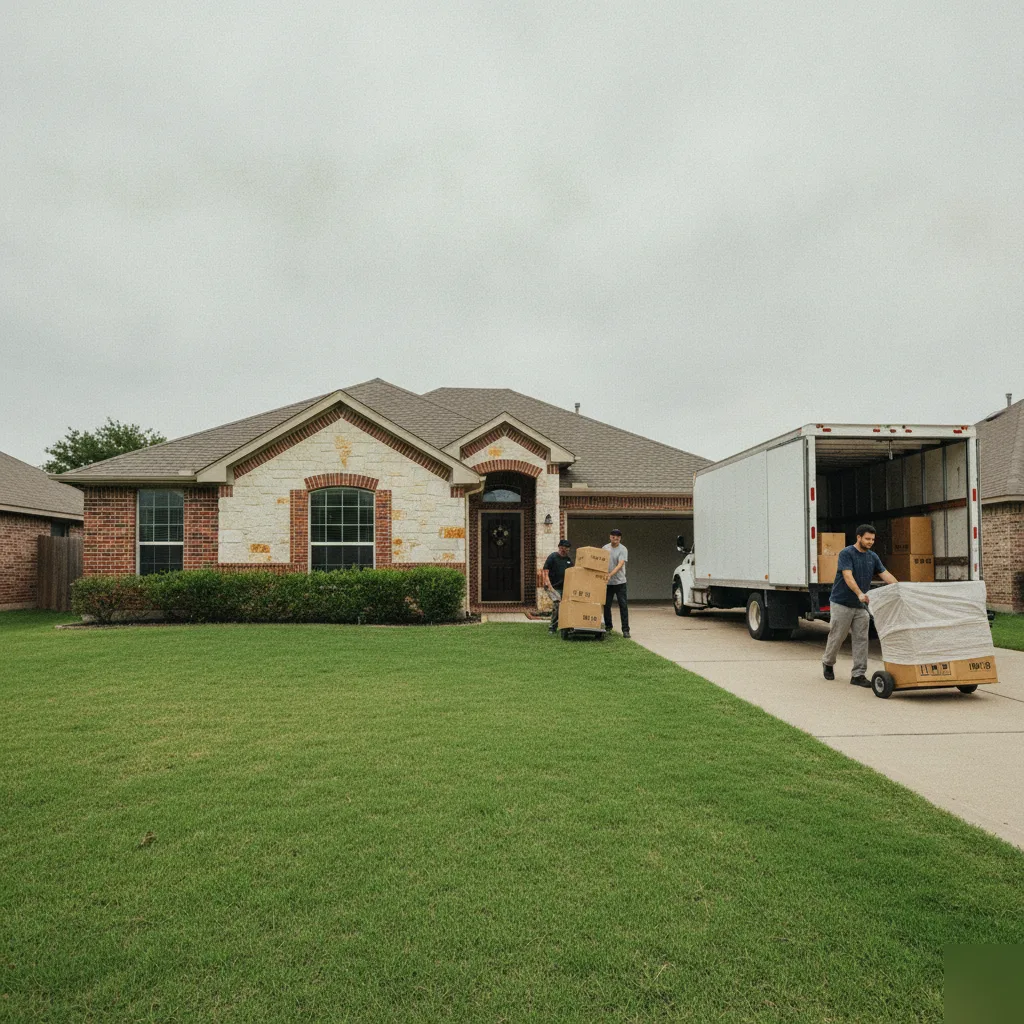
People ask us for a number all the time. We get it. But here's the honest truth: any flat price you see online is a guess, not a quote. Two three-bedroom homes can cost totally different amounts to move. One has a narrow staircase in a Hyde Park bungalow. The other has a freight elevator downtown that needs a reserved loading dock window. Same square footage, different job entirely.
Weight and volume matter more than bedroom count. A one-bedroom apartment packed with a home gym and a piano weighs more than a sparsely furnished three-bedroom. And distance changes everything too. A local move across Round Rock isn't priced the same way as a cross-country haul to Denver. Local jobs often run on crew hours and truck size. Long-distance moves factor in weight, mileage, and how many stops the truck makes along the way. This is exactly why getting quotes from reliable Austin movers matters more than trusting a flat number online.
- Home size and total item weight or volume
- Distance traveled, whether it's local, in-state, or cross-country
- Access issues like stairs, narrow historic streets, or downtown loading docks
- Time of year, with summer months from June through September booking up fast
- Extra services like packing, unpacking, or short term storage
Timing plays a bigger role than most folks expect. So does the calendar. Austin's growth means summer is packed with tech transplants and lease turnovers, and that demand pushes crews to book weeks out. Try to move during a September ACL weekend with no parking permit and you'll see the price and hassle jump fast. A move scheduled on a random Tuesday in February looks completely different on paper than one crammed into a Saturday in July.
We've walked into homes expecting a quick two-hour job that turned into five because of a piano nobody mentioned, or a third-floor walk-up with no elevator in an older East Austin building. That's why we always recommend a real walkthrough or detailed inventory list before locking in a number. Guessing costs everyone time and money.
Local Moves vs. Long-Distance Moves: What Changes the Math
Here's something a lot of folks don't realize until they start calling around. A local move and a long-distance move don't get priced the same way. Not even close. A local move, say from Circle C to Steiner Ranch, usually gets billed by the hour. Crew size, truck size, and how many hours the job takes drive the number. A long-distance move, like someone relocating from Austin to Denver, gets priced differently. Movers look at total weight and the miles between homes.

So why does this matter for your wallet? Because a heavy move across town might cost less than a light move across three states. Distance changes the whole formula.
- Local moves: priced by hourly rate, crew size, and truck fee, with most jobs wrapping up in a single day
- Long-distance moves: priced by weight and mileage, often with a binding or non-binding estimate locked in ahead of time
- Local moves give you more flexibility to add packing or extra labor same-day without blowing up the timeline
- Long-distance moves usually require a firmer date since the truck may be shared with other shipments along the route
- Storage needs often pop up more with long-distance moves, since closing dates rarely line up perfectly
We see this mix-up constantly. Someone moving from Mueller to Georgetown expects a huge bill because it's technically a different city. But that's still a local move by industry standards. Same day, same crew, same hourly logic. Meanwhile, someone shipping a two-bedroom apartment out to Phoenix is surprised their in-town neighbor paid less for a bigger house. Weight and miles beat city limits every time.
There's also a scheduling difference worth knowing. Local moves in Austin and Round Rock can usually get booked within a week or two, outside of peak season. Long-distance moves need more lead time. Trucks get routed, other stops get planned, and dates get less flexible once they're set.
Texas heat plays a role too. Summer months bring higher demand for local moves since families try to beat the school year. Long-distance moves don't swing the same way, but crews still plan routes and load times around the worst of the June through September heat to keep things safe and on schedule.
One more thing that trips people up. Storage. A local move rarely needs it. A long-distance move often does, especially when a lease ends before a new home is ready. That's a real cost factor, not just a nice-to-have.
If you're still not sure which category your move falls into, that's normal. Most people aren't sure until they talk it through with someone who does this daily.
The Factors That Drive Your Quote Up or Down
Two homes with the same square footage can get totally different quotes. Why? Because square footage isn't the whole story. A moving crew looks at weight, access, and time on site. Change any one of those, and the number moves with it.
We walk through this with families all the time. A three-bedroom in Circle C with a driveway and no stairs moves fast. A similar-sized condo downtown with a loading dock and a freight elevator booking window? That's a different job entirely, even if the boxes are the same.
- Distance and access: A long carry from your door to the truck, or a narrow street in Hyde Park or Travis Heights, adds time and labor.
- Stairs and elevators: Walk-ups without elevators slow everything down. High-rises often need scheduled elevator access, which can add wait time.
- Total weight and volume: More furniture and boxes mean more truck space and more hands needed to move them.
- Special items: Pianos, gun safes, and large appliances need extra care and sometimes extra crew.
- Move date and season: Weekends, month-end dates, and the peak summer season (June through September) tend to book up fast in Austin.
Building type matters more than most people expect. Older homes in East Austin or Bouldin Creek sometimes have tight hallways or steep front steps. Newer builds in Round Rock's Forest Creek area or Cedar Park often come with strict HOA move-in windows, meaning your crew has a set time to load and go. Both situations take planning, and both can shift your quote.
Texas heat plays a role too. A move scheduled for a July afternoon needs a crew that paces itself, hydrates, and protects your furniture from a hot truck bed. That's not a cost gimmick, it's just how you move safely in an Austin summer.
So what drives labor time up on moving day? Packing readiness is a big one. If your boxes are sealed and labeled before the truck shows up, the crew moves quicker. If they're still packing your kitchen when the truck arrives, that's hours added to the job.
Parking is another factor people forget about, especially downtown or near events like ACL and SXSW. No-parking zones and permit requirements can force a longer carry from truck to door. Our crews plan around this in advance whenever we know the date and address ahead of time.
This is exactly why a real walkthrough or detailed conversation beats a guess over the phone. Once we know your layout, your stairs, and your move date, we can give you a number that holds up on moving day.
Frequently Asked Questions
How do I know if my move counts as local or long-distance?
It depends on the distance between homes, not the cities involved. A move from Mueller to Georgetown still counts as local because it's priced by hourly rate and crew size. A move to another state gets priced by weight and mileage instead. If you're unsure which category fits your situation, a walkthrough can clear it up fast and help you plan around the right pricing model.
Why do two similar-sized homes get such different moving quotes?
Weight and access matter more than square footage. A condo with a narrow staircase or a freight elevator booking window takes longer than a home with a driveway and no stairs. A packed one-bedroom with heavy furniture can outweigh a sparsely furnished three-bedroom. This is why a real inventory list beats a generic size-based guess every time.
Does moving during Austin's busy season really change the cost?
Yes, timing shifts demand a lot. Summer months from June through September bring tech transplants and lease turnovers, so crews book up weeks ahead. Events like ACL weekend add parking and access headaches downtown. Scheduling a move on a slower weekday, rather than a summer Saturday, usually means more availability and fewer surprises.
What's a common mistake people make when estimating moving costs?
The biggest mistake is trusting a flat online number instead of getting an actual walkthrough. Two three-bedroom homes can cost very differently depending on stairs, elevators, or hidden items like a piano. Crews have walked into jobs expecting two hours that turned into five. A detailed inventory or walkthrough avoids that guesswork and gives you a real number to plan around.
How does living in an older Austin neighborhood affect moving costs?
Older neighborhoods like Hyde Park or East Austin often have narrow streets, walk-ups, or buildings without elevators. These access issues slow down loading and add labor time, even if the home itself is small. Downtown high-rises add another layer, since freight elevators often need a reserved window. These details matter more than the address itself.
When does a move need storage, and when doesn't it?
Local moves rarely need storage since everything usually happens in one day. Long-distance moves often need it because lease dates and closing dates don't always line up. If your move involves a gap between homes, it helps to plan for short-term storage early. Talking through your timeline on a moving estimate call can help you figure out if storage fits your situation.