

What Costs the Most When Relocating to a New Home in Austin





The Biggest Cost Categories in a Home Relocation
Labor and truck time usually eat up the biggest chunk of a moving budget, followed by distance, total volume of stuff, and any specialty items like pianos or large furniture. Packing materials and short-term storage can add up too, especially during Austin's tight closing windows. Knowing these categories ahead of time helps you plan smarter and avoid surprise costs.
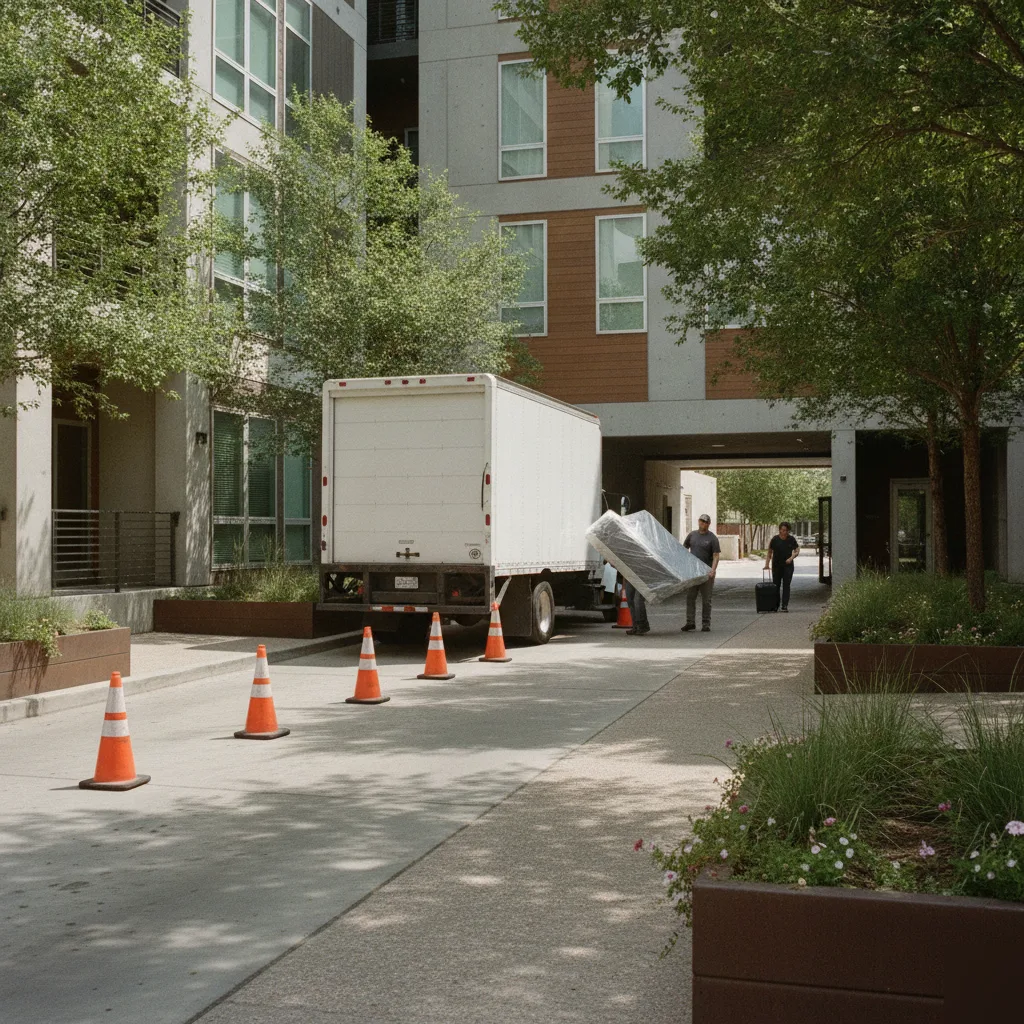
Let's talk about where the money goes. Most people picture a moving truck and a couple of guys carrying boxes. That's part of it. But the real cost breakdown has more layers, and once you see them, the whole thing makes a lot more sense.
Labor is usually the biggest line item. You're paying for a crew's time, their skill, and the equipment they bring. A well-run crew moves fast because they've done this hundreds of times. We've walked into homes in Circle C and Steiner Ranch where the owner packed everything themselves and still needed four hours of labor just for the heavy stuff. That's normal. Homeowners who want it done right the first time often turn to experienced Austin movers for the heavy lifting.
- Labor and crew size - more hands mean faster work but more cost per hour
- Distance and drive time - a move from South Congress to Round Rock costs less than a long-distance haul
- Total volume - a one-bedroom apartment moves faster and cheaper than a four-bedroom house in Mueller
- Specialty items - pianos, gun safes, and large furniture need extra care and sometimes extra crew
- Packing materials and services - boxes, tape, and wrap add up fast if you're not prepping ahead
Distance matters more than people expect. A local move across Austin is a different animal than a long-distance move out of state. Fuel, drive time, and overnight logistics all stack onto that second category. And if you're moving from a downtown high-rise, add in freight elevator scheduling and loading dock permits. Those add time, and time costs money.
Volume is the next big driver. More rooms, more furniture, more boxes - it all adds hours to the job. A studio apartment in East Austin might take a two-person crew three hours. A five-bedroom home in Georgetown could take a full day with a larger crew. There's no way around it: more stuff means more labor.
Specialty items deserve their own mention. Pianos are a great example. A baby grand isn't just heavy, it's awkward, delicate, and needs the right equipment to move safely. We treat piano moving as its own skill set, not an afterthought bolted onto a regular move. Same goes for antiques, gun safes, and oversized furniture that won't fit through a standard doorway.
Packing is the category people underestimate the most. Boxes, tape, wrap, blankets, it adds up. Some folks pack everything themselves to save money. Others hire out the packing and unpacking so moving day goes faster. Either way works, but it's worth deciding ahead of time instead of scrambling the night before.
If you're not sure where your move will land on these categories, that's exactly what a walkthrough or moving estimate is for.
Why Moving Day Costs Are Not the Whole Story
Most people think about what costs the most when relocating to a new home the same way: the truck, the crew, the gas. That's the visible part. But we've loaded thousands of homes across Austin and Round Rock, and the biggest budget surprises almost never show up on moving day itself. They show up before and after.
Here's a scenario we see a lot. A family in Circle C sells their house and books a crew for the big day. They feel ready. Then the closing gets pushed back two weeks, and suddenly they need short term storage for a full house of furniture. That wasn't in their plan. It's not rare, either.
So what adds up outside the truck rental and labor hours?
- Storage gaps between move-out and move-in dates, especially common with new construction in Georgetown and Pflugerville
- Packing materials and boxes if you're not doing packing services through your mover
- Specialty item handling, like a piano or heavy antique furniture that needs extra care
- Deposits or fees tied to loading dock permits and freight elevator booking for downtown high-rise condos
- Cleaning, repairs, or touch-ups at both the old and new place
Notice something? None of these are moving day line items. They're the gaps around moving day. And that's exactly why a mover who only quotes the truck and the hours can leave you short on your real budget.
We had a client moving from a Hyde Park bungalow into a Round Rock rental last spring. The move itself went fine, three hours, tight crew, no drama. The real cost crunch hit when her new place wasn't ready for another ten days. She needed a place to put her furniture that wasn't her driveway.
That's where storage services stop being an afterthought and start being part of the actual moving plan. Climate controlled storage matters here too, Austin summers get brutal, and furniture left in a hot garage or metal unit can warp or crack. We've seen it happen.
Timing gaps are the quiet cost. A move that looks simple on paper can turn expensive if you don't plan for the days between homes.
This is exactly why we walk every customer through the full picture, not just the loading and driving part, before we hand over a moving estimate.
The Hidden Costs That Hit at the Same Time as Your Move
Here's the thing nobody tells you. Your moving bill isn't the only bill. It just happens to be the one you booked first. We've watched families in Circle C get a great rate on the truck and crew, then get stunned two weeks later by everything else stacking up at once.

Most of these costs land in the same 10-day window. That's what makes them hurt. Your old lease deposit isn't back yet, your new place wants first and last month, and suddenly you're paying for two homes at once.
- Deposits and holding fees for the new place, due before you get your old deposit refunded
- Utility setup and connection fees for water, gas, and internet at the new address
- Cleaning costs for the old home, especially if you want that deposit back in full
- New furniture or repairs for items that don't fit or don't survive the move
- Storage fees if your new home isn't ready the same day your lease ends
That last one trips up a lot of Round Rock buyers. Closing dates slip. Contractors run late. And suddenly you need somewhere to put your furniture for two or three weeks. This is exactly why we offer short term storage and long term storage, so your stuff isn't sitting in a garage or a rented truck while you wait.
Piano owners face their own surprise costs too. A piano needs its own climate controlled storage if there's any gap between homes, since Austin humidity swings can warp wood and throw off tuning fast.
Then there's the stuff you can't put a number on until moving day itself, like a high-rise move downtown needing a freight elevator slot you didn't book in advance.
We had a client moving into a downtown condo who forgot the building required a loading dock reservation. The move got delayed three hours, the crew had to stay late, and the whole day cost more time and money than it should have. A quick call to the building management office would've solved it.
So how do you avoid the pile-up? Start by mapping out every date, your old lease end, your new move-in, your closing date, and see where the gaps are. If there's even a two-day gap, plan for storage now instead of scrambling later. And if you're packing yourself to save money, remember packing services exist for a reason, boxes take longer than people think.