

What's Driving Residents to Leave Austin, Texas?



.png)
Why Some Austin Residents Are Deciding to Move
Rising housing costs, traffic, and property taxes are pushing some Austin residents toward the suburbs or out of state. Others are simply chasing more space or a slower pace after years of rapid city growth. Understanding your own reason helps you plan the right kind of move.
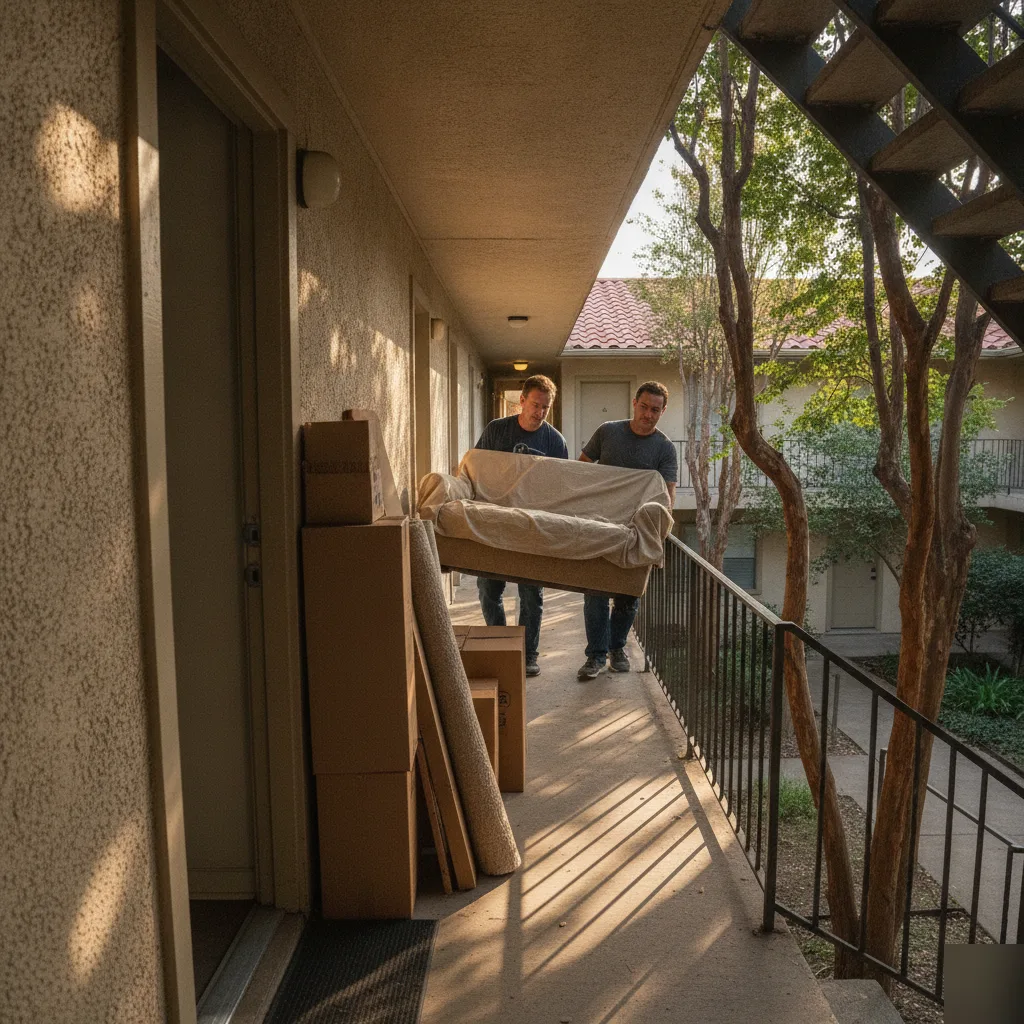
Austin has grown fast. Real fast. What's driving residents to leave Austin, Texas? It's usually not one big thing. It's a stack of smaller pressures that build up over a year or two until moving just makes sense.
We talk to a lot of Austin families packing up their homes. And the same handful of reasons keep coming up, no matter the neighborhood. Many of these families end up relying on trusted Austin movers to handle the heavy lifting.
- Home prices and property taxes have climbed faster than paychecks in many parts of Austin, especially near South Congress and Zilker.
- Traffic on I-35 and MoPac has gotten heavier as more people move into the metro area for tech jobs.
- Some families want bigger yards or newer construction, which pulls them toward Round Rock, Cedar Park, or Georgetown.
- Remote work lets folks live farther from downtown without giving up their Austin paycheck.
- A few just want quieter streets after years of watching their block change block by block.
Here's a scenario we see a lot. A family in Bouldin Creek bought their home eight years ago. Back then it was affordable. Now their property tax bill has doubled, and their street is packed with short-term rentals during ACL and SXSW. They still love Austin, they just can't justify staying in that specific spot anymore.
Other moves are less about running from something and more about running toward it. Young professionals who moved to East Austin for the nightlife sometimes outgrow it once they start a family. They want a garage, a school district, maybe a cul-de-sac in Pflugerville. That's not a complaint about Austin, it's just a different life stage.
Some moves stall out because of bad timing, and most people don't realize this until it's too late.
HOA move-in windows in newer Round Rock and Cedar Park developments can be strict. Miss the window and you're stuck paying for temporary storage while you wait. So planning matters more than people expect, especially if you're moving from a downtown high-rise where freight elevators need to be booked in advance.
Steiner Ranch, Mueller, Hyde Park, each area comes with its own quirks. Older neighborhoods like Hyde Park and Travis Heights have narrow streets that make parking a truck tricky. Newer suburbs come with paperwork and scheduling rules instead.
No matter the reason behind the move, the logistics tend to look similar.
If you're weighing a move within Austin, out to Round Rock, or somewhere out of state entirely, it helps to talk through the details with a crew that's handled all three types of moves before. That's really where planning starts.
Rising Housing Costs and Property Tax Pressure
A lot of it comes down to money, and specifically, what a house costs to keep. Home values shot up fast here over the last several years. Travis Central Appraisal District has reported sharp jumps in assessed values across Austin neighborhoods, and that pushes property tax bills up right along with them. Even folks who bought years ago at a lower price are getting hit with tax bills that feel out of step with their paycheck.
We see this play out on moving day more than people think. A family in Circle C bought their house for a reasonable price back in 2015. Now their tax bill has doubled. They're not moving because they hate Austin, they're moving because the math stopped working.
Here's what's stacking up on homeowners and renters alike right now:
- Property tax bills rising faster than wages in many Austin zip codes
- Home insurance premiums climbing due to Texas weather risk and rebuilding costs
- Rent increases in growth corridors like Mueller and East Austin outpacing older, established areas
- HOA fees in newer Round Rock and Cedar Park developments adding another monthly cost
- Refinancing at higher interest rates making move-up homes less affordable
None of these show up as one big bill. They creep in slowly, then all at once it's too much. And that's the part that catches people off guard. A homeowner in Steiner Ranch might handle one tax hike fine. Two years in a row? That's a different story.
So where do people go? Some stay in the region but move to Georgetown or Pflugerville where land and taxes stretch a little further. Others leave Texas altogether for states with lower overall cost of living. We've packed up plenty of households making both choices. The reasons are rarely simple, but the tax bill is almost always part of the conversation.
Most people don't realize how much a move can cost until they're already deep into packing boxes and canceling utilities.
This is where planning ahead saves money. If rising costs are pushing your decision, you're probably also weighing what to keep, what to sell, and what to store during the transition. A short-term or long term storage plan can buy you breathing room, letting you sell your current place without rushing into a new one at the wrong price.
Traffic, Growth, and Infrastructure Strain
Austin added residents faster than almost any city in the country over the past decade, according to U.S. Census Bureau data. And that growth caught up with the roads. Commutes that took 20 minutes in 2015 can take 45 now, especially along I-35 and MoPac during rush hour. Ask anyone who's tried to get from Cedar Park to downtown on a Friday afternoon. It's rough.
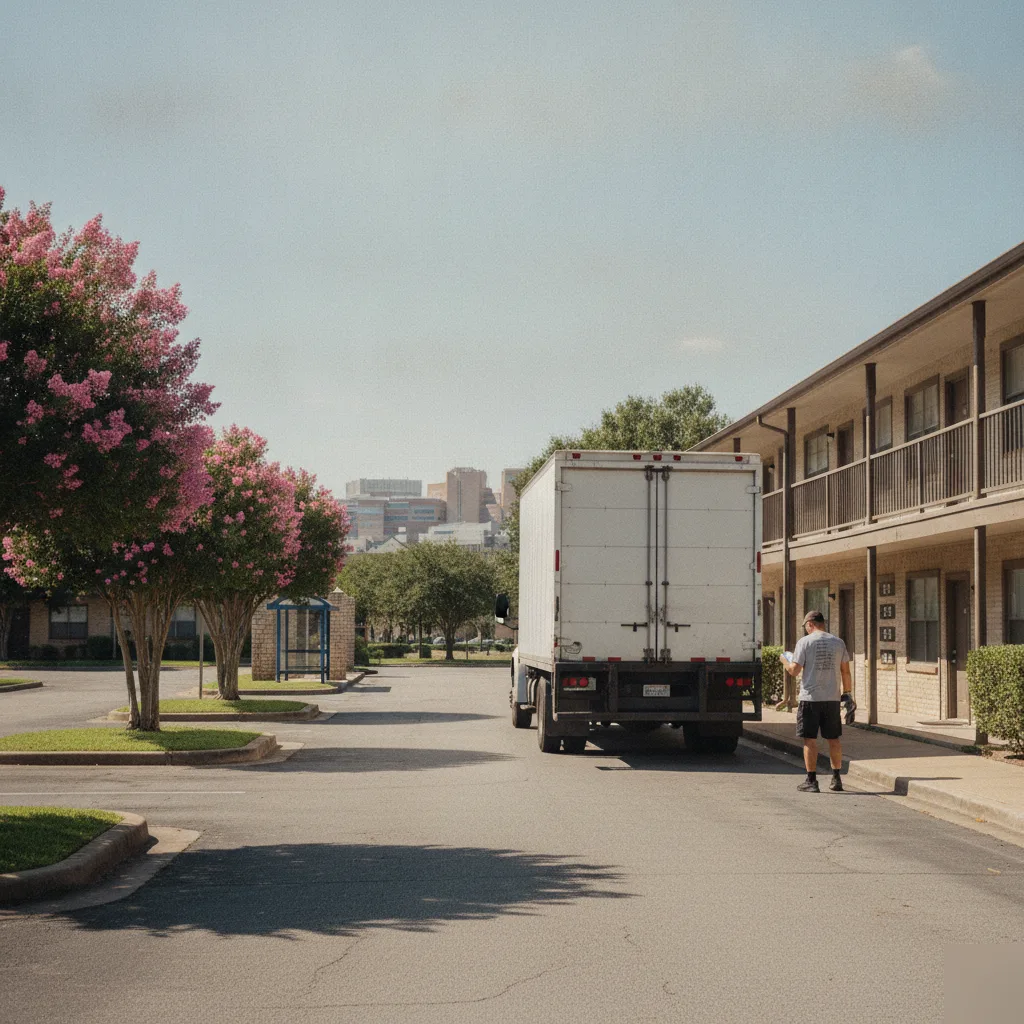
We hear this a lot from clients booking moves out of Austin: the traffic wore them down before anything else did. It's not one bad drive. It's every single day, stacking up.
Growth doesn't just mean more cars. It means construction cones on every other block, water main work in older neighborhoods like Hyde Park, and slower emergency response times in some fast-growing suburbs. Infrastructure takes years to catch up to population, and Austin's still catching up.
- Longer commutes on I-35, MoPac, and 183 during peak hours
- Ongoing road construction and lane closures across the metro
- Crowded schools in high-growth areas like Circle C and Pflugerville
- Utility and water system strain during high-demand summer months
- Limited parking and loading access in dense areas like South Congress and East Austin
That last point matters more than people expect once moving day arrives. Downtown high-rise moves need freight elevator reservations and loading dock permits booked in advance. Miss that window, and your whole day gets pushed back. We've walked plenty of clients through this exact scramble.
Older neighborhoods add their own wrinkle. Travis Heights and Hyde Park have narrow, tree-lined streets that weren't built for 26-foot moving trucks. A crew that doesn't know these streets will burn an hour just finding a spot to park legally. One that does know them plans around it before the truck even leaves the yard.
Newer developments in Round Rock and Cedar Park bring a different headache: strict HOA rules about move-in windows, sometimes limiting trucks to a two-hour slot on weekdays only. Miss it, and you're rescheduling.
None of this is a reason to panic. But it is a reason to plan your move with a crew that already knows Austin's traffic patterns, parking quirks, and HOA paperwork. That local knowledge saves hours, sometimes an entire day, and it's part of what separates a smooth move from a stressful one.
Frequently Asked Questions
Why are so many people leaving Austin right now?
Most people leave because of a mix of rising property taxes, higher home prices, and traffic that's gotten worse each year. It's rarely one single reason. A family near South Congress might handle one tax hike fine, but two years in a row changes the math. Others are chasing bigger yards in Round Rock or Georgetown, or just want quieter streets. Once you know your own reason, planning the move gets a lot easier.
Is it better to move within Austin or leave the metro area entirely?
It depends on what's pushing you to move. If it's mainly about cost, staying close in Pflugerville or Cedar Park often keeps you near your job while stretching your budget. If traffic or pace of life is the bigger issue, moving further out or out of state might fit better. Either way, the logistics look similar. Talking through your options with movers who've handled both local and long-distance Austin moves helps you plan the right kind of move from the start.
How do I know if rising property taxes mean I should move?
If your tax bill has jumped two years in a row and it's outpacing your paycheck, that's a sign worth taking seriously. Many Austin homeowners near Circle C and Steiner Ranch bought at fair prices years ago, but rising assessed values changed the math fast. One increase might be manageable. A second one often tips people toward moving to lower-tax areas like Georgetown or leaving Texas altogether.
What's the biggest mistake people make when planning a move out of Austin?
The biggest mistake is underestimating how fast timing and paperwork pile up. Newer developments in Round Rock and Cedar Park often have strict HOA move-in windows, and missing one can mean paying for storage while you wait. Downtown high-rises add another layer, since freight elevators need booking in advance. Planning these details early, instead of after the boxes are packed, saves you time and stress on move day.
Does traffic really cause people to move away from Austin?
Yes, traffic is one of the top reasons residents give for leaving. Commutes that took 20 minutes in 2015 can take 45 now, especially on I-35 and MoPac during rush hour. It's not usually one bad drive that pushes someone out. It's the daily grind stacking up over months. Combined with construction and slower emergency response in fast-growing suburbs, traffic wears people down faster than they expect.
Should I sell my Austin home before or after finding my next place?
Selling first often gives you more breathing room, especially if rising costs are part of your decision to move. Rushing into a new home just to avoid a gap can mean settling for the wrong price or location. A short-term storage plan lets you sell on your timeline without pressure. If you're weighing this trade-off, it helps to talk through short term storage options before you list your house.