




How Austin’s Summer Heat Affects Long‑Distance Moves — Essential Tips & Solutions
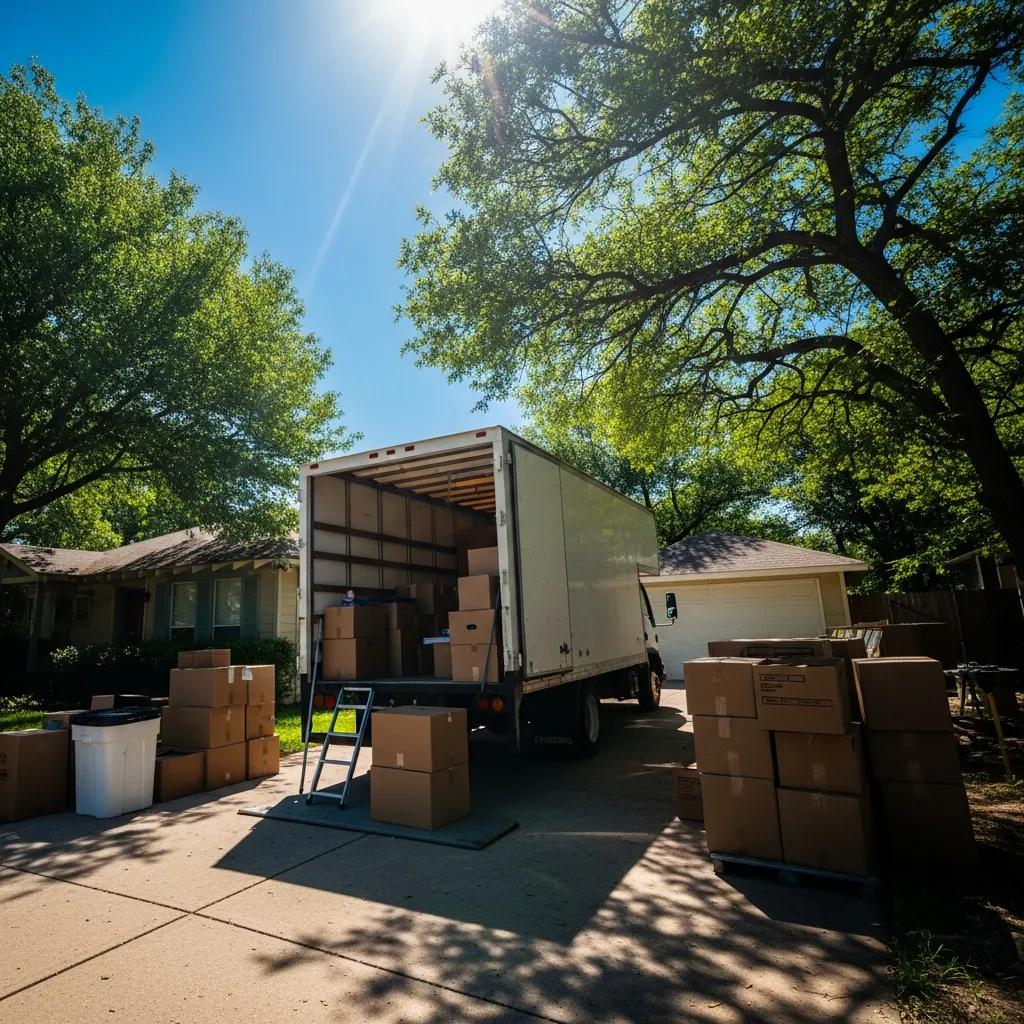
Austin summers bring high daytime temperatures and muggy humidity that can put a long‑distance move at real risk — from damaged items to slowed transit and crew safety concerns. This guide breaks down how heat, humidity, and prolonged sun exposure affect packing, scheduling, transport, and storage, and it gives practical, proven steps to protect both your belongings and the people doing the move. You’ll learn which items are most heat‑sensitive, how to schedule an interstate or long‑distance move around peak heat, when to choose climate‑controlled storage, and how to keep movers and your household safe on moving day. Mountain Movers knows Austin heat and offers long‑distance moving and climate‑controlled storage options to limit exposure and protect what matters — request a free quote to see your tailored options.
What Are the Characteristics of Austin's Summer Heat and Its Impact on Moving?
Austin summers commonly reach the 90s and often top 100°F, with humidity that makes conditions feel even hotter and stresses materials in transit. That combination speeds up deterioration of sensitive items, raises the chance of thermal expansion and warping in wood and plastics, and increases the likelihood of heat‑related delays for crews and drivers. Knowing these local climate factors helps you prioritize timing, protective packing, and climate‑controlled solutions to avoid damage. The quick facts below explain why long‑distance moves in Austin during summer need adjusted logistics, better packing materials, and crew safety plans.
Austin summer heat creates these top impacts on long distance moves:
- Greater risk of heat damage to electronics, artwork, and vinyl from high temperatures and humidity.
- Slower loading/unloading and worker fatigue that can push schedules and raise labor risk.
- Elevated interior temperatures in trucks and standard storage units that can warp wood, melt plastics, and degrade cosmetics or adhesives.
This snapshot of local conditions explains the planning choices we cover next.
How Hot and Humid Is Austin During Summer Months?
Summer in Austin—typically June through August—sees regular daytime highs in the 90s and many days above 100°F, with warm nights that limit overnight cooling for stored items. Humidity can push heat‑index values much higher, adding thermal stress to organic materials, finishes, and electronics during loading, transit, and staging. Recent patterns of prolonged heat waves matter because repeated exposure while staging or on a truck can compound damage over a long itinerary. Recognizing these temperature and humidity trends helps movers pick early‑morning windows, shaded staging spots, and climate‑controlled storage to reduce cumulative exposure and protect sensitive belongings.
Which Household Items Are Most Vulnerable to Heat Damage During Transit?

Certain household items are much more vulnerable to heat and humidity because of materials, adhesives, or delicate electronics. Electronics can fail internally from high heat; artwork and framed pieces can warp or suffer glue failure; vinyl and some plastics can soften or warp; candles and cosmetics may melt or separate; and wood furniture can expand, crack, or lose finish integrity. Simple protections — insulated packing for electronics, desiccants with artwork, rigid boxes and thermal padding for melt‑prone goods — reduce the risk during a long move. The table below compares common heat‑sensitive items, how they’re affected, and recommended protection so you can prioritize climate control or special packing.
Before the table: use this comparison to decide what to protect first when time or budget are limited.
This table shows which items to protect first and how climate control or selective packing prevents the most common heat‑related failures.
How Can You Strategically Plan a Long Distance Move in Austin's Summer Heat?
Smart planning for a long‑distance summer move reduces exposure by syncing timing, staging, transport choices, and professional help to limit cumulative heat impact. Practical steps include early‑morning loading windows, off‑peak routing, and using climate‑controlled staging to break long transit legs into cooler segments. Coordinate carrier timelines, prepare heat‑protective packing for vulnerable items, and build hydration and break schedules for crews to reduce delays and damage risk. The scheduling table below breaks down trade‑offs between common move windows and suggests best practices for your itinerary.
Intro to scheduling comparison: use this table to turn scheduling choices into actionable recommendations.
This comparison makes it easier to pick a schedule that minimizes heat risk on long routes.
Here’s a short checklist to use when booking and coordinating a long‑distance summer move:
- Reserve early‑morning pickup windows to avoid midday heat and cut on‑site exposure.
- Stage heat‑sensitive items in climate‑controlled storage when there are daytime gaps in transit.
- Confirm shaded loading areas with carriers and build contingency days for heat‑related delays.
Summary: these scheduling steps cut direct heat exposure and lower the chance of damage or crew fatigue.
What Are the Best Times and Scheduling Tips to Minimize Heat Exposure?
Prioritize early‑morning loading and, when feasible, night driving paired with daytime climate‑controlled staging. Early starts ease the temperature load on items and crews; avoiding midday and late‑afternoon windows keeps exposure to the hottest hours down. For multi‑day transit, plan intermediate climate‑controlled staging or route through cooler regions during daytime legs to avoid repeated heat cycles. Clear communication with carriers about arrival windows, shaded access, and heat contingencies keeps crews efficient and reduces delays caused by safety pauses.
How Do Professional Movers Mitigate Heat Risks During Summer Moves?
Professional movers use operational protocols to limit heat risk: larger crews to shorten loading windows, shaded staging, climate‑controlled transport or storage, and crew safety routines like scheduled hydration breaks. For example, three‑person crews finish loading and unloading faster than smaller teams, cutting the hours items spend exposed. Specialized packing for heat‑sensitive goods, insulated transport containers, and desiccants are common protections. Mountain Movers highlights transparent pricing, three‑person crews, climate‑controlled storage, and a Worry Free Damage Guarantee as concrete measures to lower heat‑related risk and deliver predictable results for long‑distance summer moves.
What Packing and Storage Solutions Protect Your Belongings from Austin's Heat?
Picking the right packing materials and storage strategy is key to preventing heat damage on long moves in Austin. Insulated packing, thermal wraps, layered foam, rigid containers, and desiccants reduce temperature transfer and humidity effects during transit and staging. The decision between direct transport and climate‑controlled storage comes down to timing: if your move includes waiting periods or long daytime stops, climate control prevents the cumulative heat exposure that standard units or trailers can cause. The table below compares heat‑sensitive items with recommended protective solutions so you can decide which items need climate control or specialized packing.
Intro to EAV packing table: compare items, vulnerabilities, and protections to guide your packing choices.
Summary: use this table to prioritize climate control and apply specialized packing where full climate protection isn’t available.
Practical packing solutions and when to choose them:
- Insulated packing and thermal wraps for electronics and small valuables during short transit windows.
- Climate‑controlled storage for artwork, vinyl, premium wood furniture, and long staging periods.
- Professional packing services for delicate or high‑value items to ensure best‑practice protection and secure loading.
Final thought: layered protection — insulated packing plus selective climate‑controlled staging — is the most reliable way to defend against Austin’s summer heat.
Which Packing Strategies Are Essential for Heat‑Sensitive Items?
Packing heat‑sensitive items is about materials and order. Start by isolating melt‑prone goods in rigid, insulated containers and wrap electronics with foam and anti‑static protection. Add desiccant packets to boxes with paper, textiles, or artwork to buffer humidity swings. Put candles and cosmetics in small rigid boxes with separators and keep them away from batteries or heat‑generating appliances. Label boxes clearly as “Heat‑Sensitive” and tell the moving crew so those boxes are prioritized for climate‑controlled staging or placed in the truck’s coolest areas.
How Does Climate‑Controlled Storage Safeguard Items During Summer Moves?
Climate‑controlled storage keeps temperature and humidity within a stable range, preventing the thermal and moisture swings that damage finishes, artwork, electronics, and vinyl. When a long‑distance move introduces staging delays or multi‑day transit, climate‑controlled units act as a buffer that stops cumulative exposure while logistics are sorted. Look for units with monitored temperature/humidity control, clear access rules, and secure handling — those features reduce the heat‑related risks specific to Austin summer moves.
How Can You Ensure Safety and Comfort on Moving Day in Extreme Austin Heat?
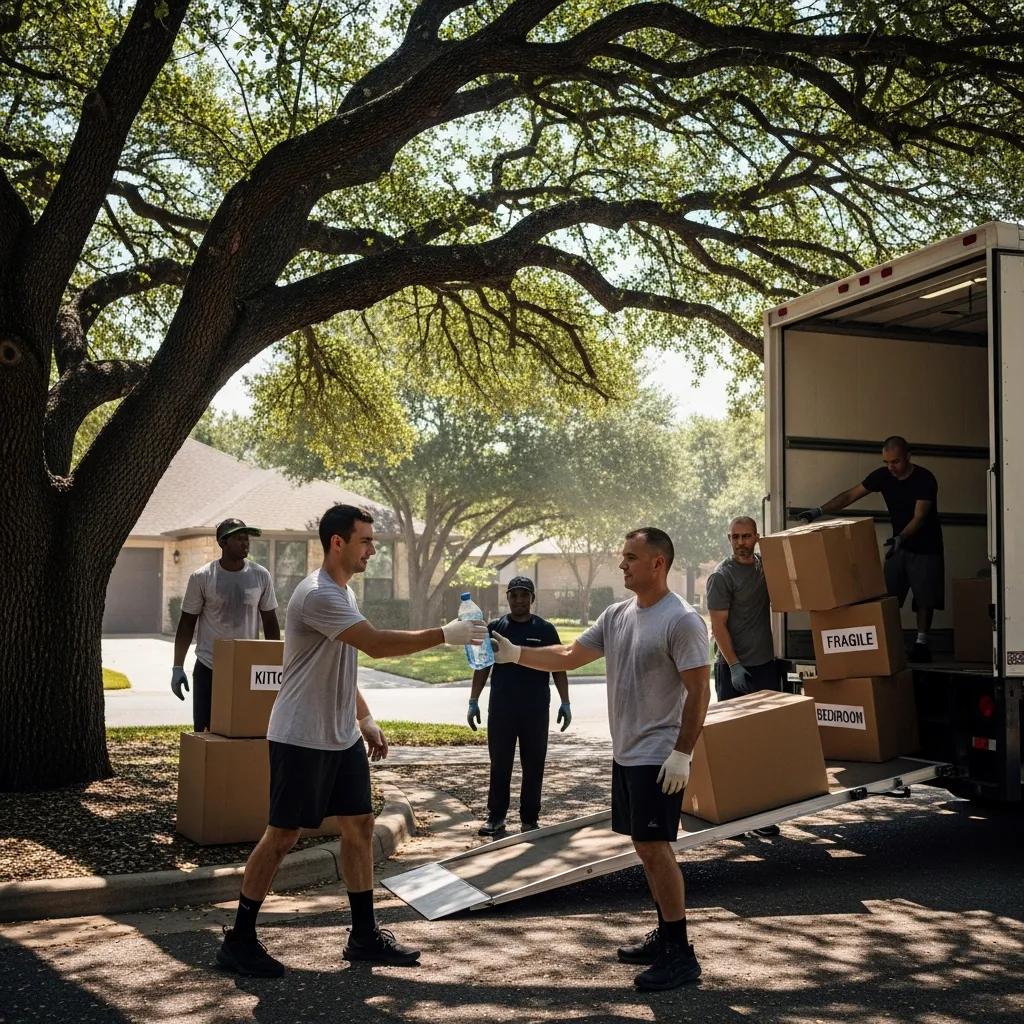
Keeping people safe and comfortable on moving day takes both planning and good on‑the‑ground execution: schedule cooler hours, provide shade and hydration, and watch crews and household members for early signs of heat illness. Shading an occupied home and keeping the truck interior cool lowers the physical strain on workers and reduces sudden temperature spikes that can harm sensitive items. Getting the destination home cooled before arrival also helps unpacking proceed without exposing fragile things to sustained heat. Below is a short hydration and heat‑exhaustion checklist crews and customers can follow.
Intro to hydration checklist: quick, actionable steps to prevent heat illness during the move.
- Set up a water station with electrolyte drinks for crew and household members, and schedule drink breaks every 20–30 minutes.
- Rotate heavy tasks among crew members to avoid long periods of exertion in direct sun.
- Watch for early symptoms — dizziness, extreme fatigue, nausea — and stop work immediately if they appear.
Summary: these hydration and rotation practices protect people and keep the move on track.
What Are Effective Hydration and Heat Exhaustion Prevention Tips?
Start with a water‑and‑electrolyte plan and enforce regular rest cycles during peak heat. Drink before you feel thirsty and take scheduled shade breaks. Lightweight, breathable clothing and cooling towels help manage core temperature, and supervisors should look for early signs of heat exhaustion like clammy skin, rapid pulse, or confusion. If a crew member shows symptoms, move them to shade, offer cool fluids, and seek emergency care for signs of heat stroke. Clear pre‑move instructions about these protocols keep everyone aligned and the move safer.
How Should You Prepare Your New Austin Home for Immediate Comfort?
Preparing the destination home ahead of arrival lowers exposure and lets you set up essentials fast. Run the air conditioning at least an hour before arrival if possible and check the thermostat. Clear walkways and pre‑stage a bedroom with cool bedding to make the first night comfortable. Have key appliances and window coverings ready to reduce solar gain. Unpack climate‑sensitive items into cooled rooms first and avoid opening all boxes at once in an unconditioned house. These steps make the transition smoother and protect fragile items during initial unpacking.
Why Choose Mountain Movers for Your Summer Long Distance Move in Austin?
When summer heat is a major operational risk, pick a mover that aligns services and guarantees to reduce exposure and protect goods across long routes. Mountain Movers is locally owned and operated in Austin and focuses on transparent pricing, professional three‑person crews, climate‑controlled storage, and a Worry Free Damage Guarantee to limit both physical and financial risk. The company is licensed with TXDMV (#008843498C) and fully insured, giving predictable outcomes for interstate and long‑distance moves that confront summer heat. The table below maps key services to the customer benefits that matter most in hot‑weather moves.
Intro to company EAV table: this table shows how specific services translate into practical benefits during hot‑weather moves.
Summary: these service‑to‑benefit mappings show how heat‑aware practices reduce material and scheduling risk during Austin summer moves.
What Unique Services and Guarantees Does Mountain Movers Offer?
Mountain Movers combines heat‑relevant services: three‑person crews that move faster than typical two‑person teams, climate‑controlled storage to bridge staging gaps, transparent pricing for clear planning, and a Worry Free Damage Guarantee to cover unexpected handling issues. Together, larger crews and climate‑controlled staging reduce the time items spend exposed and lower the chance of heat‑related material stress. Licensed under TXDMV (#008843498C) and fully insured, the company provides operational safeguards and contract clarity to help customers make confident decisions for summer long‑distance moves.
How Do Customer Testimonials Reflect Successful Summer Moves?
Customer feedback often praises on‑time service, careful handling of fragile items, and smooth coordination on long routes — outcomes that matter when heat complicates logistics. While individual testimonials give deeper proof, common themes highlight reliable delivery and protection of high‑value items when climate control and professional packing were used. For prospective customers, those results show the value of expert packing, climate‑controlled staging, and efficient crew deployment in hot weather.
What Are Common Questions About Moving in Austin's Summer Heat?
Short answers to common questions help you decide quickly when planning a summer long‑distance move. These PAA‑style items focus on safety, timing, and item‑specific guidance, with links elsewhere in the article for deeper detail. At the end of this section, consider requesting a free quote from Mountain Movers to turn these recommendations into a tailored plan.
How Do You Move Safely in Extreme Heat?
Plan for early‑morning loading, use climate‑controlled transport or storage for sensitive items, enforce hydration and rest breaks, and hire movers trained in heat‑aware procedures. Pair these steps with clear handling instructions and “Heat‑Sensitive” labels so critical boxes are prioritized for conditioned spaces.
What Is the Best Month to Move to Austin to Avoid Heat Challenges?
If you can avoid summer, choose shoulder seasons — spring (April–May) or fall (October) — when temperatures and humidity are lower and moving conditions are more comfortable. Those months often mean easier scheduling and lower demand. If summer is unavoidable, follow the early‑morning and climate‑control recommendations in this guide.
What Items Should I Prioritize for Climate‑Controlled Transport or Storage?
Prioritize electronics, framed artwork, vinyl records, premium wooden furniture, and any meltable cosmetics or candles for climate‑controlled transport or storage — these items are most likely to suffer irreversible heat damage. Use insulated packing for smaller valuables and plan to move these items into conditioned rooms first at your destination.
How Far in Advance Should I Book a Long Distance Move in Summer?
Book as early as possible and reserve early‑morning windows, since summer demand and heat‑driven operational limits reduce scheduling flexibility. Early booking lets you secure climate‑controlled staging and lock in transparent pricing for contingencies. Confirm backup dates and handling plans with your mover so everyone knows the plan if heat causes delays.
This guide has covered Austin’s summer climate, scheduling and packing tactics for long‑distance moves, moving‑day safety protocols, climate‑controlled storage benefits, and how Mountain Movers’s services address these challenges. For a tailored plan and a free moving quote designed around Austin heat, contact Mountain Movers to discuss long‑distance moving and climate‑controlled storage options.
Conclusion
Getting through a long‑distance move in Austin’s summer heat takes planning and the right protections to keep your things safe and your crew healthy. By knowing the risks and using targeted packing, smart scheduling, and climate‑controlled staging, you can reduce damage and make the process smoother. Mountain Movers offers tailored solutions — including climate‑controlled storage and professional crews — to help your move go smoothly and safely. Contact us today for a free quote and let us build a heat‑aware plan that fits your move.