




What Can’t Go on a Long‑Distance Moving Truck from Austin? A Complete Guide to Prohibited Items
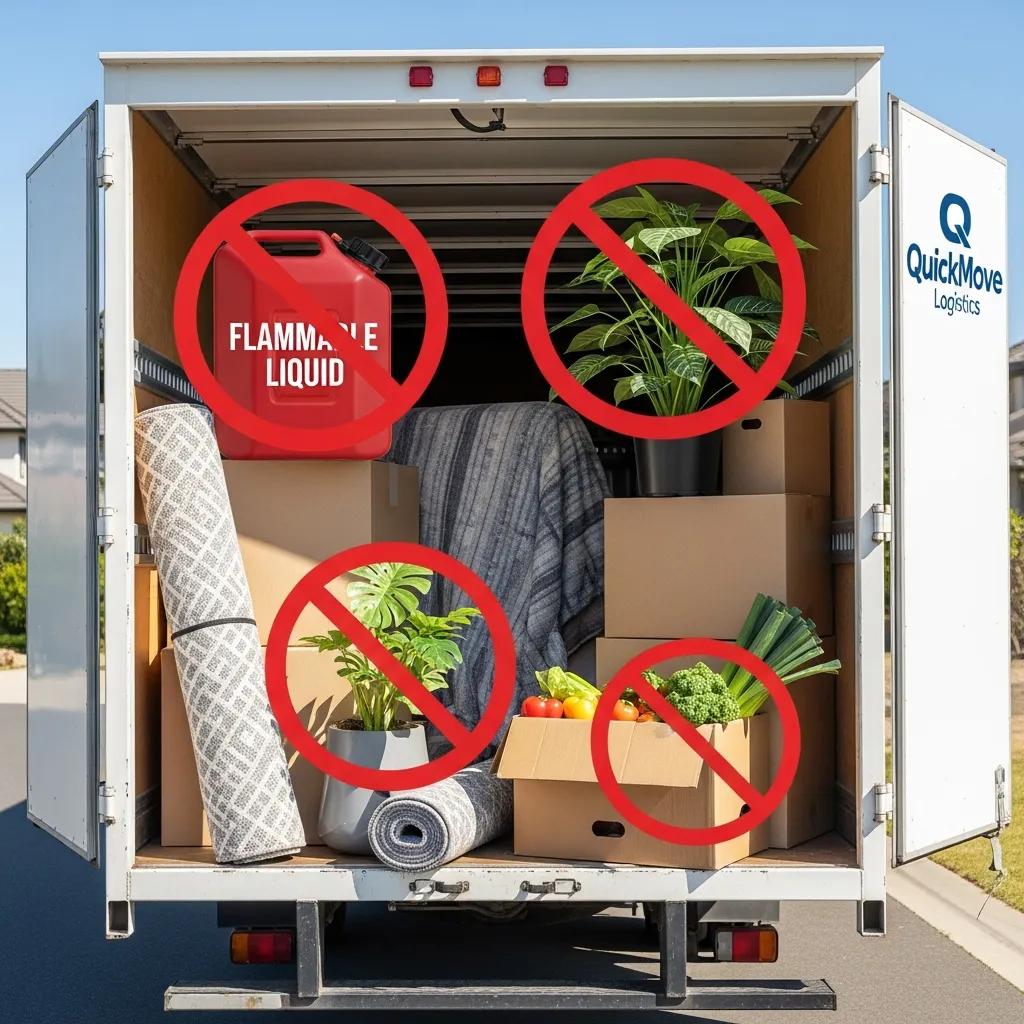
Some household items can’t travel on interstate moving trucks because they’re illegal to ship, unsafe in an enclosed trailer, or create liability for the carrier. Knowing what’s restricted helps you avoid pickup delays, fines, and surprise fees that can derail a long-distance move. This guide explains the safety and legal reasons movers refuse certain goods, lists the most common hazardous and perishable items to remove before loading, and gives practical options for disposal, donation, or personal transport. You’ll also get quick checklists, reference tables tying items to DOT and USDA concerns, and clear actions to take in Austin before your shipment leaves. Read on to learn what not to pack for a cross‑country move and how to handle items movers won’t carry so your relocation goes smoothly.
At Mountain Movers — a locally owned long‑distance and interstate mover serving Central Texas — we help Austin customers plan compliant moves and offer free long‑distance moving quotes. If you want help identifying restricted items before moving day, request a free quote from us. We operate with transparent pricing (quote = price guaranteed), licensed and insured crews (TXDMV license #008843498C), and professional 3‑person teams so inspections and pickups run without surprises. With clear communication ahead of pickup you can avoid prohibited goods and ensure your carrier meets interstate requirements. Continue below for the full list of common prohibitions and step‑by‑step handling recommendations.
Why Are Certain Items Prohibited on Long‑Distance Moving Trucks?
Items get banned because they pose regulatory, safety, or liability risks during interstate transport. The U.S. Department of Transportation classifies household hazards that can ignite, corrode, explode, or emit toxic fumes — and those goods are unsafe inside enclosed trailers. Beyond federal rules, a leaking chemical or spoiled food can contaminate other cargo, start fires, attract pests, or expose crew members to harm. Movers also set company policies based on insurance limits and safe operations, so some items are banned by policy even where the law doesn't explicitly forbid them. Knowing these reasons helps you plan: advanced scheduling gives you time to remove or properly prepare restricted items, preventing delays and keeping your long-distance move compliant and safe.
Moving restrictions stem from three overlapping concerns:
- Regulatory compliance: Federal and state rules control interstate shipment of hazardous materials.
- Protection of cargo and crew: Preventing fires, contamination, and exposure reduces risk to people and property.
- Insurance and liability limits: Movers avoid items that exceed coverage or create complex claims.
Those concerns point directly to the legal sources and operational policies that determine what you must remove before the truck is loaded.
What Legal and Safety Regulations Affect Moving Restrictions?
Federal and state regulations create the baseline for what can travel in interstate commerce. DOT rules (49 CFR) govern hazardous materials, while USDA and state agriculture departments restrict certain plants and soil. DOT hazard classes apply to flammable liquids, oxidizers, corrosives, and compressed gases, and those classifications dictate whether household items can be carried or are outright prohibited. Interstate moves can also trigger agricultural inspections when plants or soil are present, since many states limit the introduction of pests or plant diseases. Movers must follow both the regulatory framework and carrier‑specific operating rules to stay compliant on interstate routes.
Because rules vary by item and destination, identify regulated goods early and confirm whether documentation or special handling is required. Preparing a list of potential hazards and checking with your mover before you pack reduces the risk of last‑minute refusals.
How Do Liability and Company Policies Influence Prohibited Items?
Beyond federal prohibitions, moving companies enforce internal policies to limit liability and keep operations safe. Insurers often cap coverage or exclude high‑risk materials, so carriers may prohibit items like fuel containers, aerosol cans, and certain chemicals even if federal code doesn’t strictly ban them. Operational policy also focuses on crew safety — anything that can leak, ignite, or emit fumes is typically excluded to protect workers and other customers’ property.
Transparent movers explain these rules up front: pre‑move inventories, declarations for hazardous goods, and requirements to drain fuel from equipment are common. Understanding a company’s liability posture and procedures reduces surprises and speeds any claims process, which matters most on long hauls where access to replacements or disposal may be limited mid‑route.
Which Hazardous Materials Are Not Allowed on Moving Trucks in Texas?
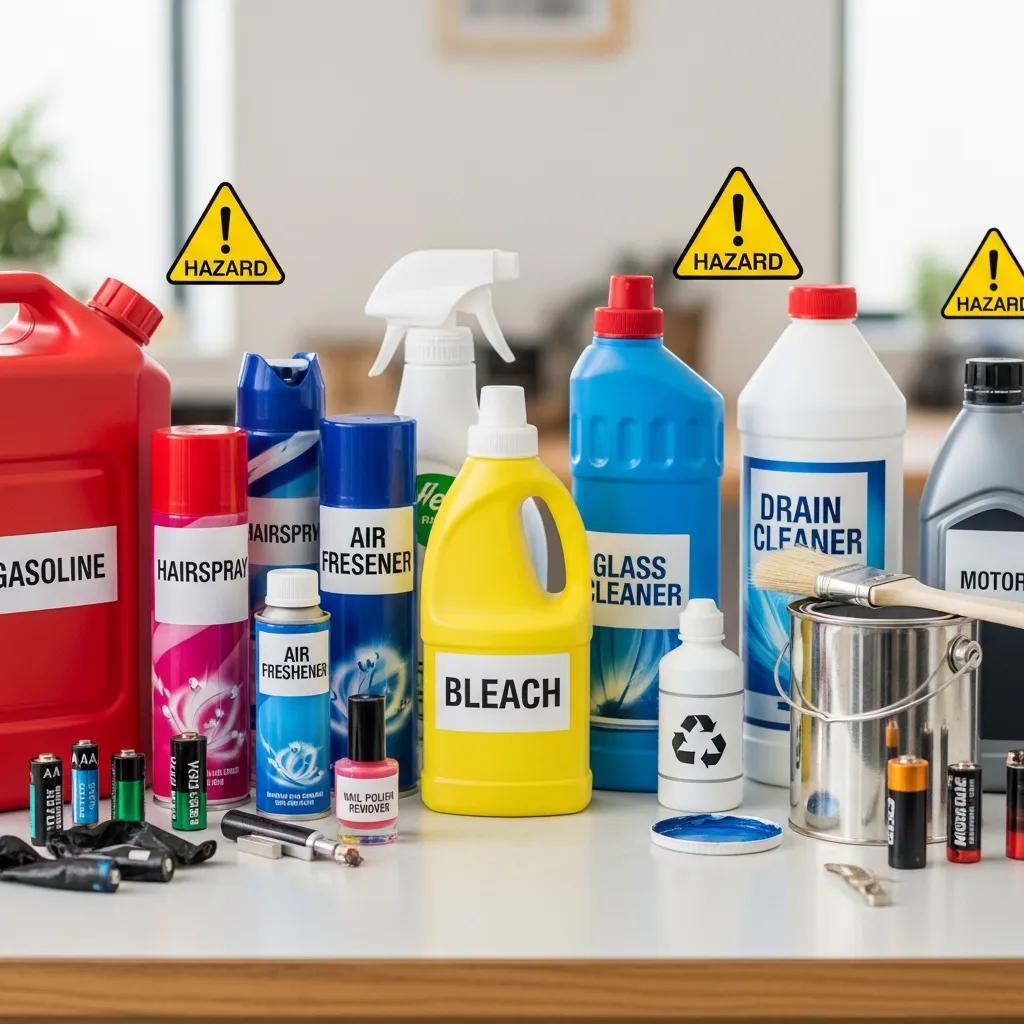
Many household hazardous materials fall into DOT hazard classes that movers will not accept on long‑distance or interstate trucks because of fire, explosion, or toxic‑release risks. These include flammable liquids and aerosols, oxidizers, corrosives, and compressed gas cylinders. Identifying these items before loading lets you arrange safe disposal or personal transport, avoids regulatory violations, and protects the rest of your shipment. The table below maps familiar household items to hazard classes and explains why movers refuse them under DOT guidance.
Common household hazardous categories include:
- Flammable liquids and solvents used for maintenance and hobbies.
- Compressed gases and pressurized cylinders found in grills and tools.
- Corrosive chemicals and strong cleaners that can damage packaging and contaminate cargo.
What Flammable Liquids and Explosives Are Prohibited?
Flammable liquids and explosive items are among the most strictly regulated household goods and are routinely refused for long‑distance moving because they present high fire and explosion risks. Examples include gasoline and other fuels, paint thinners and solvents, charcoal lighter fluid, and consumer fireworks. These substances can emit vapors that ignite with heat or spark inside a closed trailer, and their presence can lead carriers to refuse a load or trigger regulatory penalties. Disposal or personal transport is typically required instead of shipping these items.
If you find flammables while packing, don’t pack them. Instead: use up small amounts, take full fuel containers to an approved hazardous waste or recycling facility, and follow local protocols for refillable canisters. Movers enforce these exclusions strictly because even a single leaking container can endanger an entire shipment.
Why Are Corrosive Chemicals and Compressed Gases Restricted?
Corrosive chemicals and compressed gases risk container failure, chemical burns, and contamination that can escalate quickly on long hauls. Strong drain cleaners, pool acids, and some automotive fluids can eat through packaging or react with other materials, spreading damage and toxic residues. Compressed gas items — propane cylinders, certain fire extinguishers, and some aerosols — can rupture or release pressure, which is unsafe inside a trailer as temperatures and pressures change on cross‑country routes.
Preparing fuel‑or‑gas equipment usually means draining tanks, removing batteries, and documenting the work per mover policy. Because these items endanger crews and other customers’ property, movers prohibit them unless handled under special hazardous‑materials arrangements, which are rarely practical for household moves.
What Perishable Items and Live Plants Can’t Movers Transport Long Distance?
Perishable foods and live plants are commonly excluded from long‑distance shipments because they spoil, attract pests, or violate interstate agricultural rules. Fresh, frozen, and opened foods can break down during multi‑day transit, creating odors, leaks, and contamination that damage other goods. Live plants may carry pests or soil pathogens regulated by the USDA and many states; movers usually ask customers to carry plants personally or verify destination requirements. Knowing these limits helps you decide whether to consume, donate, or hand‑carry perishable items before your move.
Perishables and plants pose three main risks:
- Spoilage and odor: Perishables decay and make trailers unsanitary.
- Pest and disease transfer: Plants and soil can spread organisms restricted by destination states.
- Temperature sensitivity: Long transit times make refrigeration impractical for movers.
Why Are Fresh, Frozen, and Opened Foods Not Allowed?
Fresh, frozen, and opened foods spoil and can contaminate other items or attract pests inside an enclosed trailer. Multi‑day shipments pass through different climates and can lose refrigeration, allowing bacterial growth and causing odors or liquid damage to boxes and fabrics. Open containers are especially risky because leaks are unpredictable and messy, often requiring costly cleaning or damage claims. For these reasons, movers recommend consuming, donating, or personally transporting perishable foods instead of packing them for a long‑distance shipment.
Plan meals around your move, freeze items you’ll personally transport if timing allows, and identify donation options for unopened shelf‑stable goods. Doing this several days before moving reduces last‑minute disposal and prevents rejected boxes at pickup.
What Are the Interstate Regulations for Moving Live Plants from Austin?
Interstate movement of live plants is controlled by USDA and state agricultural rules to prevent the spread of pests and diseases. Some states require inspections, certificates, or ban certain species and soil types; others restrict movement by season. Because rules vary by destination, check the receiving state’s agriculture department guidance before trying to move plants interstate.
If you plan to bring plants: inspect and clean them, remove soil from roots if allowed, get any required phytosanitary certificates, or carry plants in your vehicle. When in doubt, hand‑carrying or rehoming plants locally in Austin is often the simplest option for long‑distance moves.
Which Valuables and Important Documents Should You Not Pack for Movers?
High‑value items and critical documents should travel with you rather than in the moving truck because movers’ liability limits often fall short of replacement or sentimental value. Cash, jewelry, original legal papers, passports, and irreplaceable heirlooms carry high loss or damage risk that insurance may not fully cover. Moving these items personally avoids complicated claims, reduces theft risk in transit or storage, and gives you immediate access at your destination. The table below compares common valuables and suggested safeguards.
Before a long‑distance move, identify valuables and plan secure transport using personal carry or insured couriers:
- Keep original IDs, wills, titles, and financial documents with you.
- Place high‑value jewelry and small electronics in your carry‑on or locked vehicle.
- Use bank services or an insured shipper for items you can’t hand‑carry.
Why Should Cash, Jewelry, and Heirlooms Be Personally Transported?
Cash, jewelry, and heirlooms are small, valuable, and often not fully covered by standard mover liability policies. Lost cash is usually unrecoverable and sentimental items can’t be replaced. Movers’ released‑value rules and replacement valuations may not match the true worth of heirlooms, and claims for high‑value losses can be long and uncertain. Transporting valuables yourself ensures continuous custody, reduces theft risk, and gives you control over secure storage while traveling.
Carrying these items also gives immediate access on arrival and avoids delays tied to insurance assessments. If you can’t hand‑carry something, consider insured shipping with documented chain‑of‑custody as a safer alternative to packing it with general household goods.
How to Secure Important Papers and Sentimental Items During a Move?
Protect important papers and sentimental objects by digitizing originals, using fireproof or lockable containers, and keeping a documented inventory with photos and descriptions. Store digital backups of passports, deeds, and financial records in an encrypted cloud folder or on a secure drive for immediate access if physical documents are delayed. For fragile or sentimental pieces, wrap in archival materials, place in a labeled box, and transport them in your vehicle rather than on the truck.
A simple pre‑move checklist: photograph each valuable, note serial numbers, and carry a short manifest with you. These steps simplify claims if something goes wrong and keep your most important items accessible during the move.
What Other Restricted Items Should You Know About for Long‑Distance Moves?
Several miscellaneous categories often trip up customers on cross‑country moves, including firearms and ammunition, fuel‑containing equipment, and limits on alcohol or certain medications. These items are governed by a mix of legal rules and mover policies; knowing typical approaches and preparing ahead avoids refusals and legal headaches. This section clarifies common rules and gives practical prep steps for these special cases.
Edge‑case items to review before loading:
- Firearms and ammunition — often restricted or requiring special handling.
- Fuel‑powered equipment — usually must be drained and tagged.
- Alcohol and prescription meds — transport depends on state and carrier rules.
Are Firearms and Ammunition Allowed on Moving Trucks?
Firearms and ammunition rules vary by mover and destination. Many companies recommend you transport firearms yourself because of liability and complex interstate laws. Ammunition is commonly restricted because of explosive risk, and some carriers ban it from household shipments. Even where transport is legal, firearms may need locked cases, documentation, and compliance with state laws — so planning to hand‑carry or use an approved, insured specialty carrier simplifies compliance.
If you do move firearms with you, transport them unloaded, in a locked case, and follow all local and destination‑state regulations. When unsure, contact the receiving state’s law enforcement or appropriate agencies to confirm any reporting or permit requirements.
What Are the Rules for Moving Equipment with Fuel and Alcohol?
Equipment that stores fuel — lawnmowers, generators, motorcycles — usually must be drained of fuel and have batteries removed to prevent leaks and ignition during transit. Movers often request proof that tanks were emptied. Alcoholic beverages can be restricted for interstate carriage under state liquor laws and carrier policies; bulk shipments may require permits and vary by destination. Prescription medications are an exception — keep them with you in carry‑on bags so you don’t miss doses and avoid problems if shipments are delayed.
Prepare fuel‑powered equipment by draining gas, running the engine briefly to remove residue, and labeling items as “fuel drained” for the mover. For alcohol collections, check state rules or personally transport valuable bottles to avoid compliance issues or confiscation.
How to Handle Prohibited Items When Moving Long‑Distance from Austin?
Handling prohibited items combines sensible disposal, donation, and personal‑transport strategies tailored to Austin and your destination’s rules. Start by inventorying items likely to be restricted — hazardous chemicals, perishable food, live plants, firearms, and high‑value jewelry — and sort each into dispose, donate, or hand‑carry categories. Austin has local disposal and donation resources that make offloading unshippable items straightforward, and a clear hand‑carry plan ensures sensitive goods arrive with you. The steps below provide a simple workflow to manage restricted items before moving day.
- Inventory and identify: List possible prohibited items at least two weeks before your move.
- Classify and act: Assign each item to consume, donate, dispose, or hand‑carry based on hazard and value.
- Coordinate disposal or donation: Schedule drop‑offs or pickups for hazardous waste and usable items.
- Communicate with your mover: Declare questionable items in writing and follow carrier instructions for drained or labeled equipment.
Completing these steps early reduces stress on moving day and helps ensure compliance with interstate rules. Clear communication with your mover prevents unexpected refusals at pickup and keeps your long‑distance shipment on schedule.
Where Can You Safely Dispose of Hazardous Materials in Austin?
Austin offers household hazardous waste collection for items such as paints, solvents, batteries, and pesticides that movers won’t carry. Using municipal drop‑off programs or designated collection events is the safest legal option. When preparing hazardous items for drop‑off, keep them in original containers when possible, label any reused containers, and consolidate small amounts into approved secondary containment. Check local resources for permanent drop‑off sites or scheduled events so you know where to take each item.
At drop‑off, separate incompatible chemicals (oxidizers from combustibles), secure lids, and avoid mixing substances. These precautions protect facility staff and ensure you meet disposal requirements before your shipment departs.
What Are the Best Practices for Personal Transport and Donation of Restricted Items?
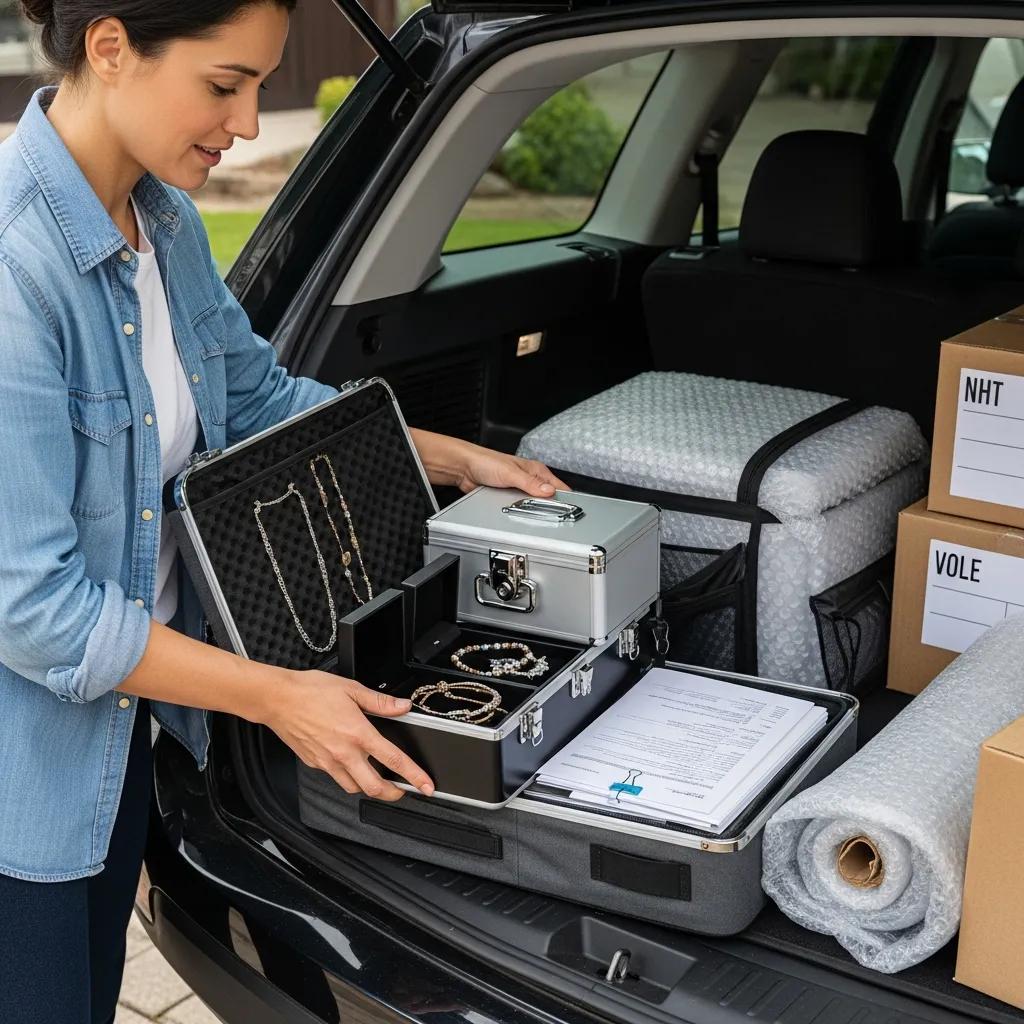
Best practices for personal transport include packing valuables and sensitive items in your vehicle, using lockboxes for jewelry and documents, and carrying medications in their original pharmacy containers. For donations, find local shelters, community centers, or nonprofit thrift programs that accept household goods and food, and schedule donations several days before your move to avoid last‑minute issues. Label equipment that’s been drained of fuel and provide a short declaration to your mover confirming the item is safe to load.
We recommend this timeline: finalize your inventory two weeks before moving, donate or dispose of unwanted items seven days before, and assemble carry‑on valuables 24–48 hours before departure. These steps help you follow mover policies and keep your long‑distance shipment safe and intact.
Mountain Movers can help Austin customers with pre‑move planning, identifying items movers typically refuse for interstate shipments, and coordinating disposal or hand‑carry plans. If you need help reviewing your inventory or want a free long‑distance moving quote, contact Mountain Movers for guidance tailored to your move. Our licensed and insured crews, transparent pricing, and Worry Free Damage Guarantee are designed to reduce surprises on moving day and help you navigate item restrictions.
We combine long‑distance moving experience with clear pre‑move communication to minimize the impact of prohibited items on your schedule. Our professional 3‑person crews and commitment to transparent pricing (quote = price guaranteed) make it easy to understand what can and cannot travel on the truck — and what alternatives you have. If you want an expert inventory review and a free quote to plan a compliant move from Austin, Mountain Movers is ready to help under our licensed, insured framework (TXDMV license #008843498C).
Conclusion
Knowing what can’t go on a long‑distance moving truck is key to a stress‑free relocation. Removing or planning for restricted items ahead of time helps you avoid delays, fines, and unexpected complications. For personalized help and to make sure your move meets all regulations, reach out to Mountain Movers for a free long‑distance moving quote. Let us help you take the first step toward a hassle‑free move.