


How to Move Heavy Items by Yourself: A Round Rock Mover's Guide
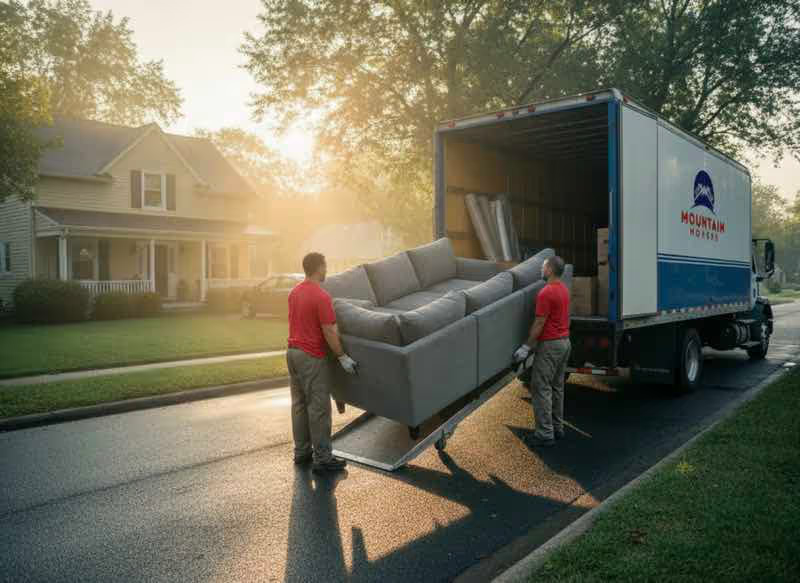
The Real Risk Isn't the Lift - It's What Happens Next
Most moving injuries don't happen during the first lift. They happen on stairs, at tight turns, and when tired arms try to set something down. Plan the whole path before you pick anything up.
Here's what surprises people. The lift itself usually goes fine. You squat, grip, and stand up. Your body's fresh and you're paying attention.
But then you have to walk. And turn. And go down fourteen stairs while you can't see your own feet.
We've moved hundreds of dressers, sofas, and safes around Round Rock. The close calls almost never happen at the start. The lift is the easy part, the carry is where it gets tricky. Grip starts to slip. Someone says "hold on, hold on." That's usually when things go sideways.
So think about where your heavy item is going. Is it a straight shot to the truck? Or does it pass a landing, a narrow hall, and a doorframe that's an inch too tight?
These are the spots where we see trouble most often:
- Stairs, especially going down. The person on the bottom ends up holding most of the weight.
- Tight turns at landings and hallways, where people twist their backs instead of moving their feet.
- Doorways. Fingers get pinched and knuckles slam into the frame.
- The set-down. Tired arms tend to drop the last six inches.
- Outside ground that isn't flat, like a sloped driveway or a curb at the street.
Notice something? None of these are about raw strength. They're about fatigue, footing, and planning.
Last summer we got a call from a family in Teravista. Two brothers had carried a solid wood armoire down their stairs on their own. They made it to the bottom just fine. Then one lost his grip on the turn into the foyer, the armoire hit the floor corner-first. It cracked a tile and tweaked his lower back. The whole thing took maybe four seconds.
That's the part nobody plans for.
Round Rock heat makes all of this harder. From June through September, a garage or truck bed feels like an oven by mid-morning. Sweaty hands slip. You get tired faster, and tired people take shortcuts.
Then there's your house. The wall at the bottom of the stairs. The banister. The floors you just had redone - A dropped item doesn't only hurt you. It can gouge wood and punch right through drywall.
So before you lift, walk the path empty-handed. Clear it of rugs, shoes, and pet toys. Measure the tight spots. Agree on one word for "stop" and another for "set down." And pick a rest spot halfway, like a landing or the front porch.
Your back will thank you.
Some items just aren't worth the gamble. A gun safe on a second floor. A sleeper sofa through a narrow stairwell. A piano anywhere. If the path looks risky, it probably is. We'd rather talk you through it on the phone than hear about it after.
Equipment That Prevents a Mid-Move Disaster
Most moving injuries don't come from weak backs. They come from bad tools, or no tools at all. We've watched it happen more times than we can count. Someone bear-hugs a dresser down the stairs. The dresser wins.
The good news? You don't need a garage full of gear. You need a few right pieces. Here's what our crews bring to every heavy item job.
- An appliance dolly with a ratchet strap. It's taller than a regular hand truck. That strap holds a fridge or washer tight against the frame.
- Furniture sliders for couches and dressers. Slip them under the legs and push. They glide over carpet and wood with way less effort.
- Lifting straps, sometimes called forearm straps. They shift the weight to your legs and shoulders. Two people can carry a dresser with straight backs.
- Moving blankets and stretch wrap. Blankets stop gouges on wood. Wrap keeps drawers and doors from swinging open on the stairs.
- Work gloves with real grip. Sweaty hands drop things, and that's a big risk in a Round Rock August.
You can rent most of this from a truck rental counter. Many hardware stores carry sliders and straps too. Just check the dolly's weight rating before you leave the lot.
So which tool do people skip most? The appliance dolly. And that's the one that matters most.
Last summer we got a call from a family in Teravista. They'd tried to slide a side-by-side fridge down the stairs of their two-story home. No dolly. It tipped on the second step. The fridge was fine, the drywall wasn't.
A dolly would've kept that fridge upright and under control. But only if it's used the right way. Here's how we do it on every job.
- Unplug the appliance and tape the doors shut. Let a freezer drain overnight first.
- Tip the appliance a few inches and slide the dolly plate fully under it.
- Wrap the strap around the middle and crank it snug. Snug, not crushing.
- Tilt it back until the weight sits over the wheels. You should feel it get lighter.
- On stairs, go one step at a time. One person works the handle up top. A spotter stays below and never directly in the path.
That spotter rule isn't optional. If the load slips, nobody should be standing where it lands.
One local tip. Don't leave a metal dolly sitting in your driveway on a Texas afternoon. The handles get hot enough to burn. Keep your gear in the shade until you need it.
Even the best tools have limits. Pianos, gun safes and pool tables need a trained crew with special boards and skids. And don't even get us started on marble tabletops…
Some loads just aren't worth the risk.
If you'd rather skip the rental counter, our movers in Round Rock TX bring every tool on this list to your door. You can get a free quote before anyone lifts a thing. Your quote won't change on moving day.


Planning the Path Before You Lift Anything
Most furniture injuries don't happen during the lift. They happen halfway there, when you hit a door that won't clear or a rug that slides under your foot.
We see this all the time. Someone gets a dresser off the floor and makes it ten feet. Then the hallway turns. Now they're holding 150 pounds and guessing what to do next.
So plan the path first. Every single time.
Walk the whole route with empty hands. Start where the item sits now and finish where it'll end up. Picture the piece already in your arms. Where will you have to turn? Where will you set it down if your grip starts to slip?
Here's the same walk-through our crews do before we touch anything heavy:
- Measure the item. Get the height, width, and depth. Include legs, handles, and knobs.
- Measure every doorway, hallway, and stair turn on the route. Write the numbers down so you're not guessing later.
- Clear the floor. Pick up rugs, cords, shoes, and toys. Prop every door fully open.
- Pick two or three rest spots along the way. These should be flat places where you can safely set the item down.
- Pad the tight corners. Lay cardboard or moving blankets where walls and door frames might get bumped.
- Check the outside path too. Know where the truck ramp lands and whether the ground is level.
- Agree on your words. Decide on "lift," "stop," and "down" before anyone grabs a corner.
That list takes about 15 minutes. It can save you a trip to urgent care.
Stairs need their own plan. Lots of two-story homes around Round Rock have a tight landing halfway up. Measure that landing on the diagonal. Tall pieces often only fit when tilted. You want to know that before you're stuck on step six.
Round Rock heat adds another problem. By early afternoon in July, a driveway in Teravista or Forest Creek can feel like a griddle. Set a dresser down on that concrete and you'll feel it through your gloves. And sweaty hands lose their grip fast. Move heavy items before 10 a.m. if you can. Keep water by the front door.
Last spring we helped a family near Old Settlers Park who'd tried a sleeper sofa on their own. It cleared the front door fine, it didn't clear the turn into the den. By the time they called us, the drywall was scraped and one of them had tweaked his back. Taking the door off its hinges would've fixed it. That and removing the sofa legs, which…
Well, you get the idea. A tape measure would've told them all of it.
But sometimes the path tells you something else. A spiral stair, a third-floor walkup, or a piece over 200 pounds is a warning sign. Some routes just aren't safe for two friends and a dolly. And that's okay to admit.
Frequently Asked Questions
When should I call a professional instead of moving a heavy item myself?
Call a professional when the path has stairs, tight turns, or the item is a piano, gun safe, or pool table. These loads need trained hands and special equipment, not just extra muscle. If you walk the path and feel unsure about a corner or a doorway, that's your sign. Our movers in Round Rock TX bring the right tools and experience to handle tricky items safely. A free quote can tell you fast if your move needs a crew.
What's the biggest mistake people make when moving heavy furniture alone?
The biggest mistake is focusing only on the lift and skipping the path check. Most injuries and damage happen on the carry, not the first lift. People forget to measure doorways, clear rugs, or plan a rest stop. They also skip tools like sliders or dollies, which makes tired arms do all the work. Walking the path empty-handed first fixes most of this before you ever touch the furniture.
Does Round Rock's summer heat really make moving heavy items more dangerous?
Yes, Round Rock heat from June through September makes moving heavy items riskier. Hot garages and truck beds make your hands sweat, and sweaty grips slip faster. Tired, overheated movers also take shortcuts, like skipping a spotter or rushing a turn. Metal dolly handles can even get hot enough to burn skin. Plan heavy lifts for early morning and keep gear in the shade until you need it.
What's the difference between a hand truck and an appliance dolly?
An appliance dolly is taller and has a ratchet strap, built for fridges and washers on stairs. A regular hand truck is smaller and works better for boxes or light furniture. The strap on an appliance dolly holds heavy items tight against the frame, so they can't tip on a step. Skipping this tool is one of the most common reasons heavy items crash on stairs in Round Rock homes.
How do I know if a hallway or staircase is too tight for a DIY move?
A hallway or staircase is too tight if the item can't clear a doorframe or landing with a few inches to spare. Measure the width of your furniture and compare it to the narrowest point on the path. Watch for landings that force a sharp turn, since that's where backs get twisted most. If the measurements are close, treat it as risky and plan for extra hands or a dolly.
What should two people agree on before carrying something heavy together?
Two people should agree on one word for stop and another for setting the item down before they lift anything. Clear signals stop confusion on stairs or tight turns, where most slips happen. Pick a halfway rest spot, like a landing or porch, so tired arms get a break. These small steps prevent the four-second accidents that crack tiles and hurt backs in Round Rock homes.







Google Reviews
518 Reviews | 4.9 Avg Rating