

Safe Car Storage in Austin TX Climate-Controlled Vehicle Protection During Your Move
In Austin, summer heat and sudden storms make secure vehicle storage a practical need during relocation or long-term travel. This page explains car storage options, preparation steps, and how moving companies protect vehicles during transition periods. Indoor and covered spaces are available. Booking takes 5–10 minutes, and you can access your vehicle during business hours. As a full-service moving company, we coordinate vehicle storage with your household move for seamless timing.





Google Reviews
518 Reviews | 4.9 Avg Rating
Vehicle Storage Protects Cars from Austin's Extreme Heat and Weather Damage
Austin's climate puts vehicles at risk when left unprotected during a move. Summer temperatures regularly hit 100°+ from June through September. That heat cracks dashboards, fades upholstery, and drains batteries faster than you expect. Rubber seals dry out and lose flexibility. Your car's interior can reach 150° when parked in direct sun.
Austin's UV index peaks May through September. Uncovered cars lose interior color and flexibility in just 30 days. Sudden storms bring hail and heavy rain with little warning. A single hailstorm can cause $1,000+ in body damage.
A secure car storage service solves these problems during your move. Indoor units keep your car safe from weather extremes. Covered spaces block sun and hail at a lower cost. Both options protect your vehicle's condition and resale value while you handle closing dates, travel, or temporary housing.
We store vehicles for clients relocating between homes in Westlake, Tarrytown, and surrounding areas. Our storage timing aligns with your moving schedule so your car stays protected exactly when you need it.
Indoor and Covered Storage Options Keep Vehicles Ready During Extended Moves
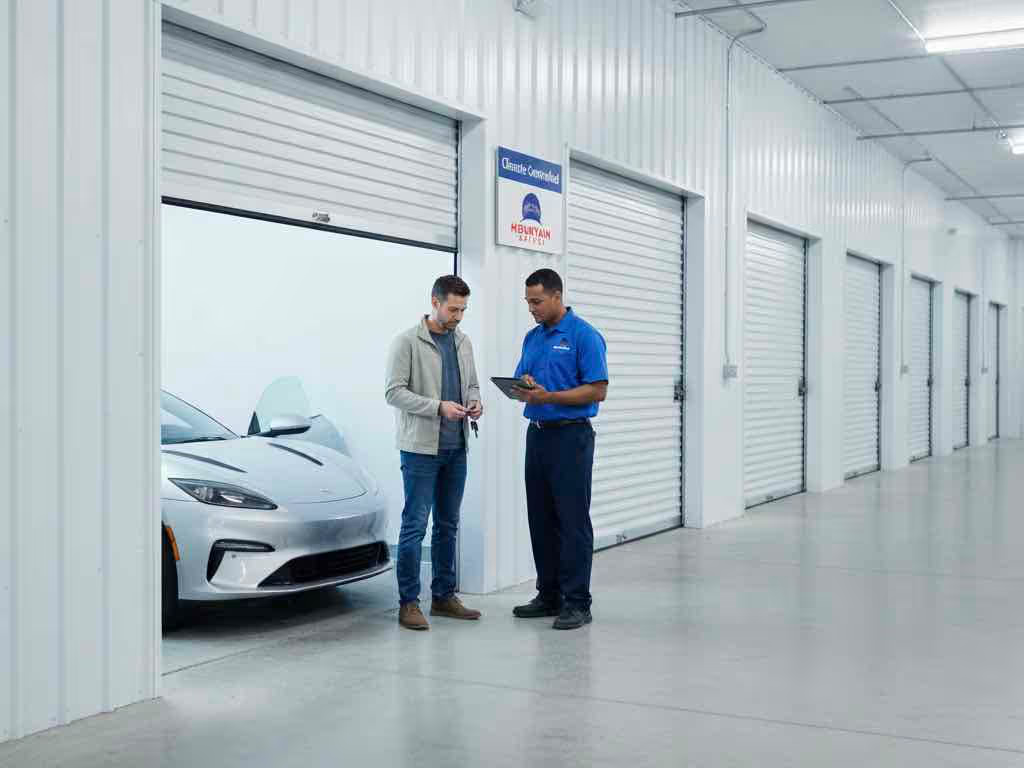
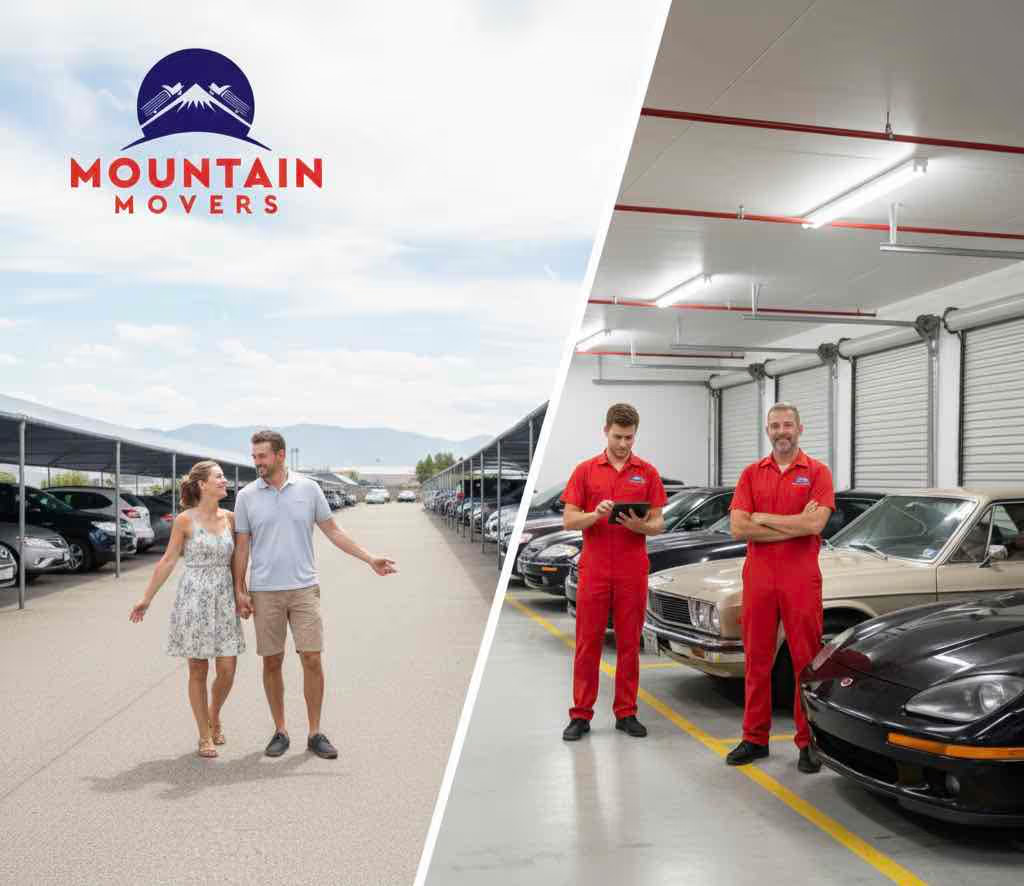
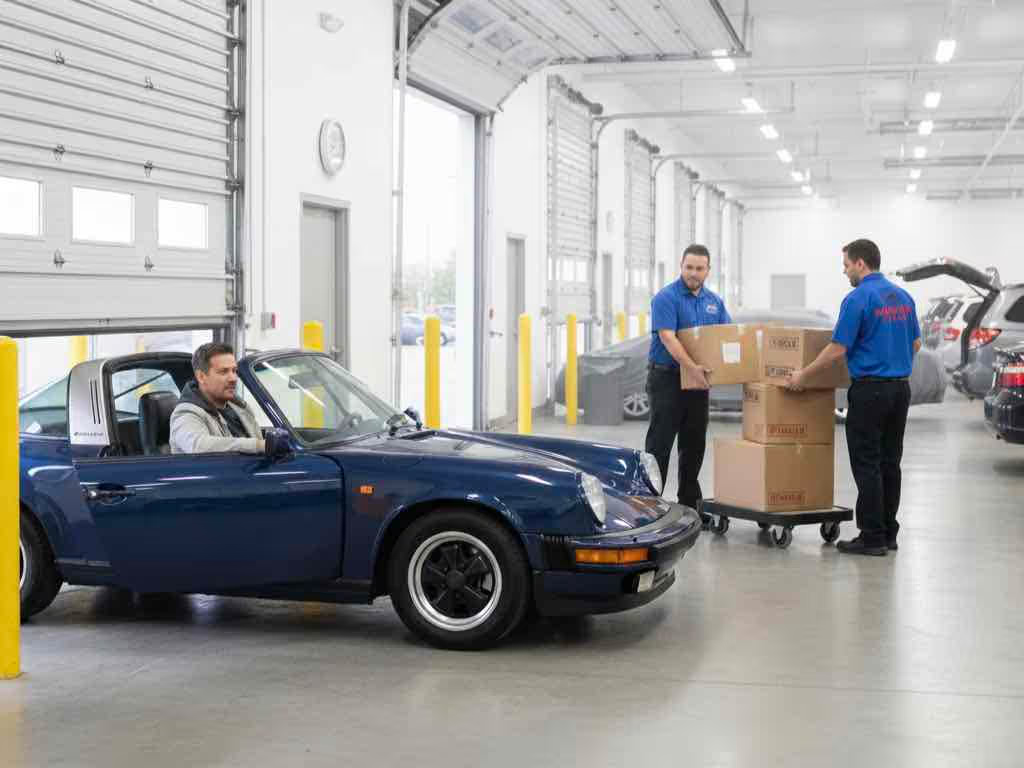
You have two main storage choices when protecting your car during a move. Indoor units offer complete protection from weather. Your vehicle stays in a secure building with stable temperatures. These units eliminate hail risk and prevent sun damage to paint and interiors. Indoor storage works best for moves lasting more than 30 days or when storing luxury vehicles.
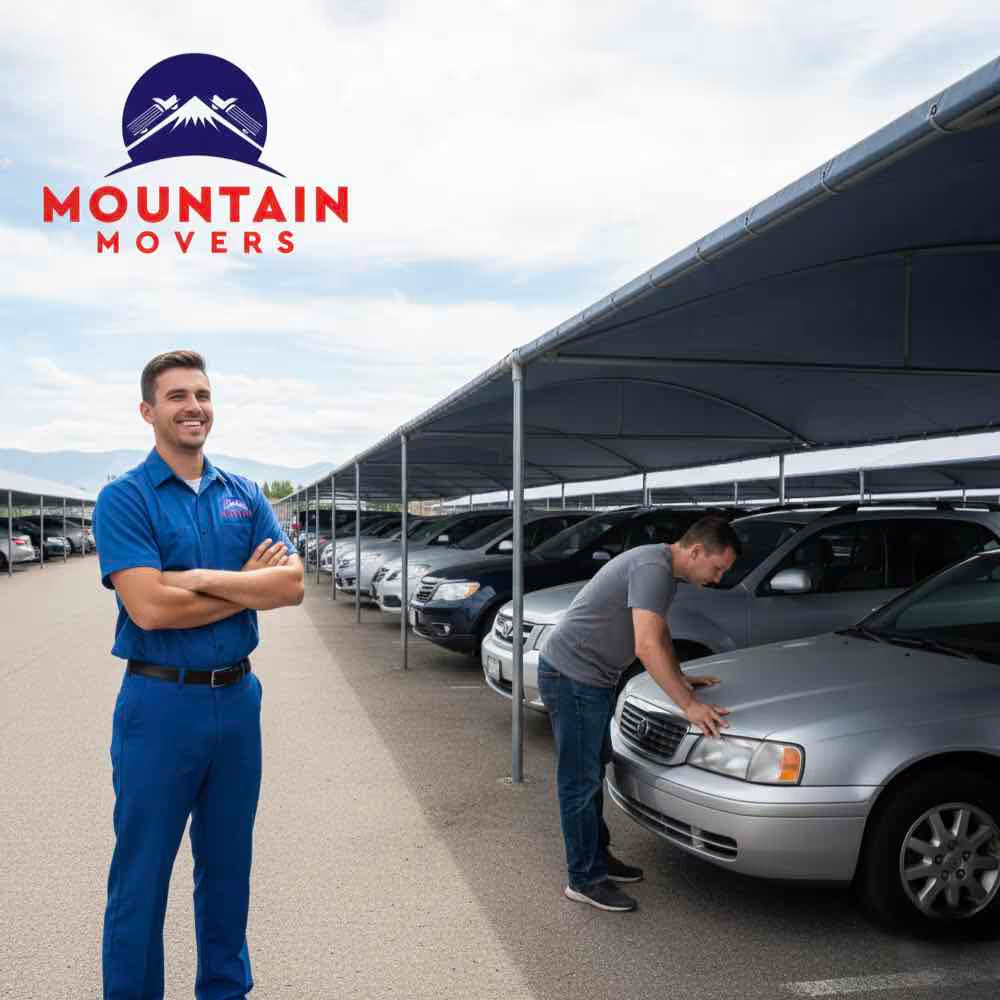
Covered storage costs about 40% less than indoor units. Your car parks under a roof that blocks sun and hail. Sides remain open, so temperatures match outdoor conditions. This option fits shorter moves or times when you need frequent access to your vehicle.
Central Texas hailstorms arrive March through May without much notice. A single storm can dent hoods, crack windshields, and damage paint. Indoor storage protects your car's resale value during these high-risk months.
Families moving between Austin neighborhoods like Hyde Park and Mueller benefit from flexible access. You can retrieve your car during business hours when you need to run errands or handle moving tasks. We help you choose the storage level that matches your timeline and budget. Both options keep your vehicle ready to drive the day you need it.
Preparing Your Car for Storage Prevents Battery and Tire Issues in Texas Heat
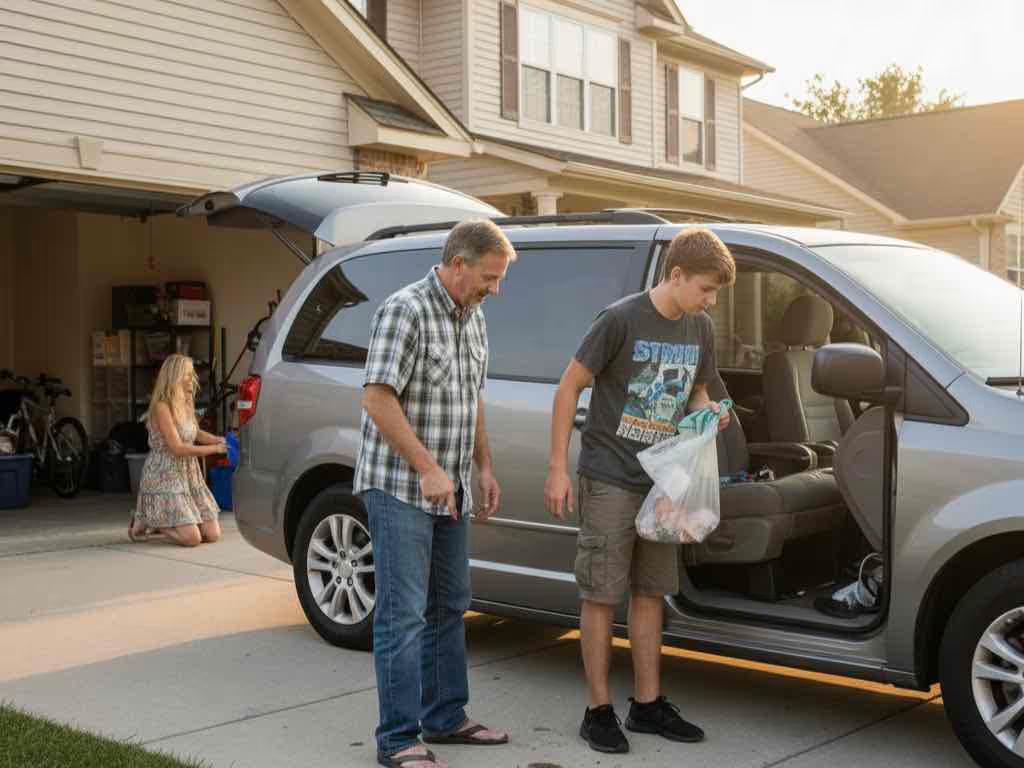
Proper preparation keeps your car ready to start when you return. Skipping these steps leads to dead batteries, flat tires, and costly repairs. Follow this checklist before placing your vehicle in storage.
Clean your car inside and out. Remove food wrappers, dirt, and moisture that cause mold in humid storage conditions. Wash and wax the exterior to protect paint from dust.
Fill your gas tank completely. Add fuel stabilizer designed for storage. This prevents fuel breakdown in Austin's high temperatures. A full tank also stops moisture from forming inside the fuel system.
Disconnect your battery or attach a trickle charger. Texas heat drains batteries 50% faster than northern climates. A trickle charger maintains the charge without overloading the battery. If you disconnect, label the cables so reconnection is simple.
Inflate tires to the maximum PSI listed on the sidewall. This prevents flat spots from forming when your car sits in one position. Check tire pressure before storage and again when you retrieve your vehicle.
Cover your car with a breathable cloth cover if storing in a covered unit. This blocks dust while allowing air circulation. Avoid plastic covers that trap moisture.
These steps take 30 minutes but save you from frustration and repair bills. We coordinate storage timing with your moving schedule so your car receives proper care from the start.
Climate-Controlled Units Safeguard Vehicle Interiors and Electronics Year-Round
Climate-controlled storage maintains temperatures between 60–80°F regardless of outdoor conditions. This steady environment protects your car's interior materials and sensitive electronics. Leather seats stay soft and crack-free. Dashboard surfaces resist warping and fading.
Modern vehicles contain computers, sensors, and entertainment systems that respond poorly to temperature swings. Climate control prevents moisture buildup that damages circuit boards. Electric vehicle battery management systems also benefit from stable temperatures.
Austin's spring months bring high humidity along with daily temperature swings of 40° or more. This combination creates condensation inside your vehicle. Mold grows on upholstery, carpets, and door panels when moisture stays trapped. Climate-controlled units eliminate this risk by managing both temperature and humidity.
Luxury vehicle owners in downtown Austin use climate-controlled storage during high-rise condo moves. The consistent environment protects premium interiors worth thousands of dollars. According to MIT research, temperature fluctuations significantly impact material durability in confined spaces. Storage over 60 days makes climate control worth the investment for any vehicle type.
We recommend climate-controlled units when you're storing your car through multiple seasons or when interior condition matters for resale value. The added cost prevents damage that would cost far more to repair.
Monthly Check-Ins and Insurance Coverage Maintain Vehicle Condition in Storage
Regular inspections catch small problems before they become expensive repairs. Monthly check-ins monitor tire pressure, fluid levels, and overall vehicle condition. A quick visual inspection spots leaks, rodent activity, or unexpected issues.
Tire pressure drops naturally over time. Low pressure creates flat spots and sidewall damage. Monthly checks let you add air before permanent damage occurs. Fluid leaks from engines, transmissions, or brake systems show up during inspections. Catching these early prevents major mechanical problems.
Insurance coverage protects your vehicle during storage. Your auto insurance policy may already cover storage situations. Call your insurer to verify coverage and any requirements. Storage facilities carry liability insurance for theft, fire, or facility damage. Ask about their coverage limits and what situations they protect against.
Moving companies in Austin coordinate storage check-ins with your household goods delivery schedules. We track your vehicle alongside your other belongings. This coordination works well for military families at Fort Cavazos storing vehicles during deployment-related moves to Austin metro areas.
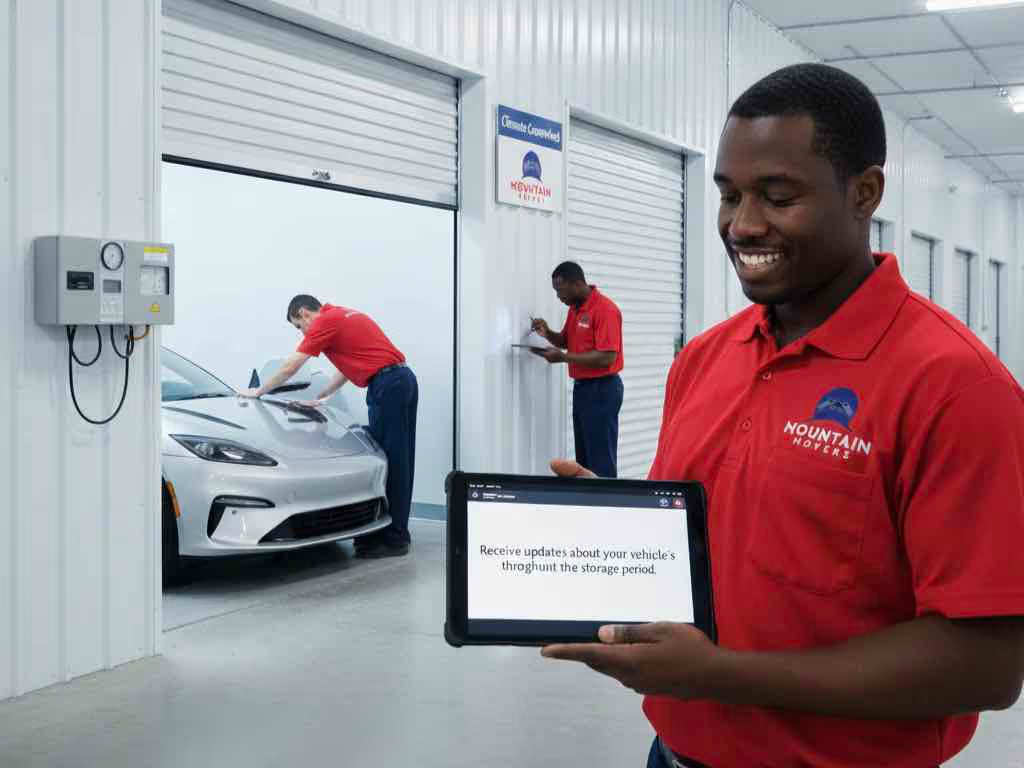
You receive updates about your vehicle's condition throughout the storage period. This peace of mind lets you focus on settling into your new home. When you're ready to retrieve your car, it's maintained and ready to drive.
Starting Your Vehicle Every Two Weeks Extends Battery Life Between Moves
Running your engine regularly keeps all systems functioning properly during storage. Start your car every two weeks and let it run for 10 minutes. This simple maintenance prevents multiple problems that occur when vehicles sit idle.
Battery charge depletes over time even when disconnected. Starting the engine recharges the battery through the alternator. Two-week intervals prevent complete discharge that shortens battery lifespan.
Engine oil circulates through the motor when you start your car. This lubrication prevents seals from drying out and cracking. Summer heat accelerates oil breakdown. Running the engine keeps fresh oil coating internal parts and prevents sludge buildup.
Fluids settle when vehicles sit motionless. Starting the car circulates transmission fluid, brake fluid, and coolant. This circulation maintains fluid effectiveness and prevents seals from sticking.
Climate-controlled storage allows longer intervals between starts. Some owners stretch to 30 days when temperature and humidity stay controlled. Standard covered or outdoor storage requires the two-week schedule in Texas heat.
Snowbirds and travelers storing cars in South Austin while relocating between seasonal homes benefit from this maintenance. We can coordinate bi-weekly starts as part of your storage service. Your vehicle stays road-ready for immediate use when you return to Austin.
Frequently Asked Questions
Can moving companies in Austin store my car while coordinating my household move?
Yes, many moving companies offer vehicle storage timed to your moving and closing dates for seamless transitions. We coordinate your car storage with your household goods so everything arrives when you need it. This eliminates the stress of managing multiple timelines.
How long can I store a car in Austin before it needs to be started?
Most mechanics recommend starting every 2 weeks in Texas heat; climate-controlled units allow 30-day intervals. Regular starts prevent battery drain and keep fluids circulating. Climate control reduces stress on your vehicle's systems.
Can I access my stored vehicle in Austin on short notice during my move?
Most facilities offer business-hour access same-day; check access terms when booking storage with your moving company. We help you choose facilities that match your access needs. Some locations offer extended hours for added convenience.
Do I need separate insurance for my car in storage in Austin TX?
Your auto policy may cover storage; verify with your insurer and ask storage facility about their liability coverage. Most standard auto insurance continues during storage periods. Storage facilities carry additional liability coverage for theft, fire, or facility-related damage.
Is covered storage enough for Austin's summer heat, or do I need climate control?
Covered blocks sun and hail but doesn't regulate temps; climate control is best for storage over 60 days or leather interiors. Covered storage works for shorter moves and standard interiors. Climate control protects luxury vehicles and prevents mold during humid months.
What neighborhoods in Austin have vehicle storage near moving routes?
South Austin, Pflugerville, and Round Rock offer storage facilities near major moving corridors like I-35 and Highway 183. These locations provide easy access during your move. We select facilities that minimize extra driving time for you.