




What defines a move as interstate versus local?
Understanding the distinctions between interstate and local moves is crucial for anyone planning a relocation. These definitions not only affect the logistics of the move but also the regulations and costs involved. An interstate move typically involves crossing state lines, which brings about specific legal requirements and federal oversight. Conversely, local moves are generally confined to a single state and have different service boundaries and regulations. This article will explore the definitions, regulations, and key differences between interstate and local moves, helping you navigate your moving options effectively.
Understanding What Defines a Move as Interstate Versus Local
A move is classified as interstate when it involves transporting goods across state lines. This classification is significant because it subjects the move to federal regulations, which govern various aspects of the moving process. Local moves, on the other hand, are defined by their geographic limitations, typically occurring within a single state. Understanding these definitions is essential for anyone considering a move, as it influences the choice of moving company, the required permits, and the overall cost of the move.
What Is an Interstate Move and How Is It Legally Defined?
An interstate move is legally defined as the transportation of goods from one state to another. This definition is crucial because it triggers federal regulations that govern the moving industry. For instance, interstate movers must be licensed by the Federal Motor Carrier Safety Administration (FMCSA) and adhere to specific guidelines regarding estimates, contracts, and consumer protections. These regulations ensure that customers are treated fairly and that their belongings are transported safely across state lines.
Which Federal Regulations Govern Interstate Moves?
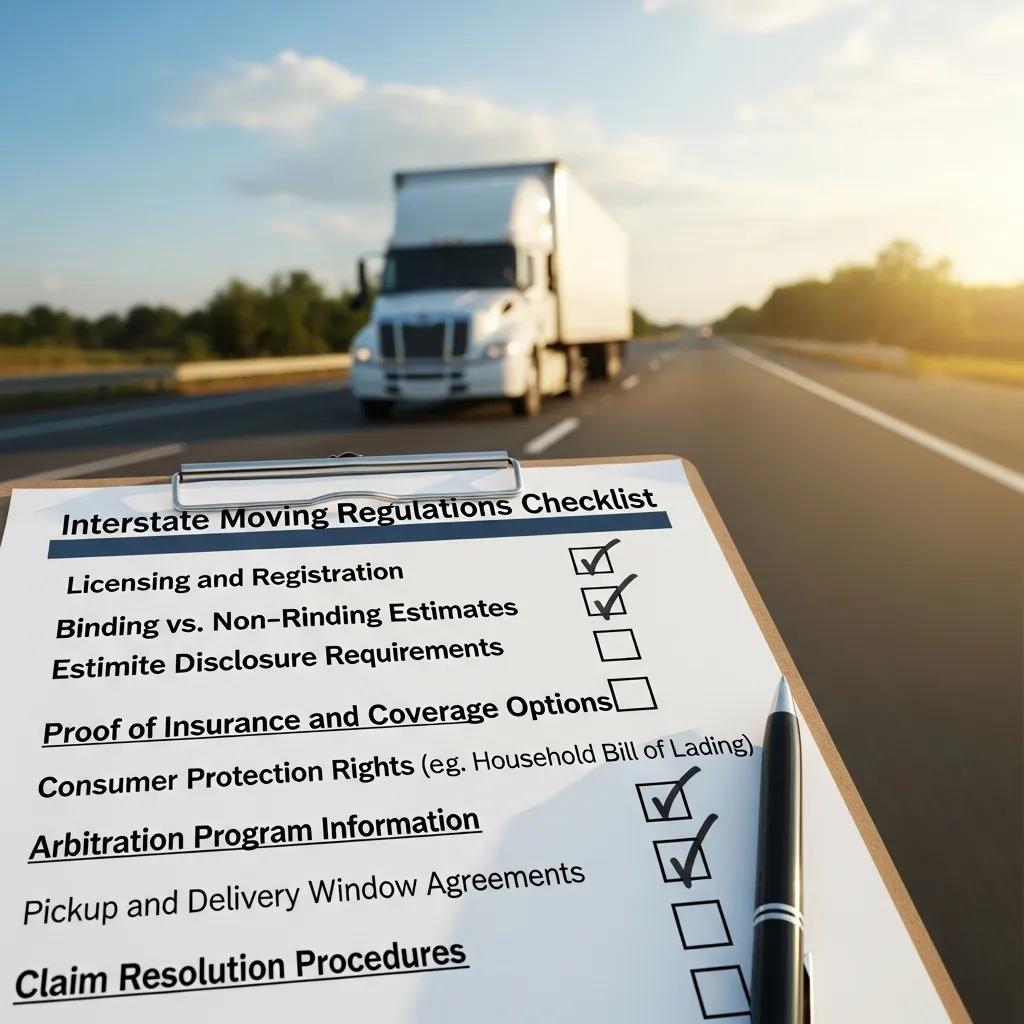
Interstate moves are governed by several federal regulations designed to protect consumers and ensure fair practices within the moving industry. Key regulations include:
- Licensing Requirements: Interstate movers must obtain a license from the FMCSA to operate legally.
- Estimate Disclosures: Movers are required to provide written estimates that outline the expected costs and services.
- Consumer Protections: Regulations are in place to protect consumers from fraudulent practices, ensuring they have recourse in case of disputes.
These regulations help maintain a standard of service and accountability among interstate moving companies.
Further emphasizing the importance of federal oversight, regulations ensure the safety and reliability of interstate commercial moving operations.
Federal Regulations for Interstate Commercial Moving
announces its decision to renew exemptions for 10 individuals from the hearing requirement in the Federal Motor Carrier Safety Regulations (FMCSRs) for interstate commercial motor
Department of Transportation, 2000
How Does Crossing State Lines Affect Moving Requirements?
Crossing state lines introduces several specific requirements that must be adhered to during an interstate move. These include:
- Prohibited Items: Certain items may be restricted or prohibited from being transported across state lines, such as hazardous materials.
- Transparent Quotes: Interstate movers must provide clear and detailed quotes to avoid hidden fees and ensure transparency.
- Insurance Options: Federal regulations require movers to offer specific insurance options to protect customers' belongings during transit.
Understanding these requirements is essential for a smooth moving experience and helps avoid potential legal issues.
How Is a Local Move Defined and What Are Its Service Boundaries?
A local move is typically defined as a relocation that occurs within a single state, often within a specific radius, such as 50 miles. The service boundaries for local moves can vary by moving company, but they generally do not involve crossing state lines. This definition is important because it influences the type of services offered, the pricing structure, and the regulatory requirements that apply.
What Are the Typical Geographic Limits of Local Moving Services?
Local moving services usually operate within a defined geographic area, which can vary significantly between companies. Common limits for local moves include:
- City Limits: Many local movers define their service area based on city boundaries.
- County Lines: Some companies may extend their services to cover entire counties.
- Distance Radius: Local moves are often defined by a specific mileage radius, typically ranging from 10 to 50 miles.
Understanding these geographic limits helps customers choose the right moving company for their needs.
Do Local Movers Require Special Licenses or Permits?
Local movers may not require the same level of licensing as interstate movers, but they still must comply with state regulations. Common requirements include:
- Street Use Permits: Some cities require permits for moving trucks to park on public streets.
- Parking Permits: Local regulations may necessitate parking permits for moving vehicles.
- Local Regulations: Each state may have specific laws governing local moving companies, including insurance requirements and safety standards.
These regulations ensure that local movers operate within the law and provide safe services to their customers.
These state-specific requirements highlight the distinct regulatory landscape for intrastate household moves, focusing on consumer protection and operational safety.
What Are the Key Differences in Cost and Services Between Interstate and Local Moves?
The cost and services associated with interstate and local moves can differ significantly. Here are some key differences:
Understanding these differences can help customers make informed decisions about their moving options.
How Do Moving Costs Vary Between Local and Interstate Moves?
Moving costs can vary widely between local and interstate moves due to several factors. For local moves, costs are often calculated based on hourly rates, which can include labor and transportation fees. In contrast, interstate moves typically involve a flat rate based on the distance traveled and the weight of the items being moved. Additionally, interstate moves may incur extra charges for services such as packing and insurance, making them generally more expensive than local moves.
The significant financial implications of interstate moves are further underscored by the substantial annual expenditure and the regulatory frameworks that influence these costs.
What Service Options Are Available for Long Distance Versus Local Moves?
When considering moving services, it's essential to understand the options available for both long-distance and local moves. Common service options include:
- Full-Service Moving: This option includes packing, loading, transporting, unloading, and unpacking.
- Self-Service Moving: Customers pack their belongings, and the moving company handles transportation.
- Storage Solutions: Many moving companies offer storage options for customers who need temporary space for their belongings.
These service options cater to different needs and budgets, allowing customers to choose the best fit for their moving situation.
How Can Customers Choose the Right Moving Company for Their Move Type?
Selecting the right moving company is crucial for a successful move. Here are some tips for customers:
- Experience and Specialization: Look for companies that specialize in your type of move, whether local or interstate.
- Licensing and Insurance: Ensure the moving company is properly licensed and insured to protect your belongings.
- Pricing Transparency: Choose a company that provides clear and detailed estimates to avoid unexpected costs.
By considering these factors, customers can make informed decisions and choose a moving company that meets their needs.
What Should You Look for in Licensed Interstate Movers?
When selecting licensed interstate movers, customers should consider several key criteria:
- Licensing and Authority: Verify that the company is licensed by the FMCSA and has the authority to operate across state lines.
- Insurance Options: Ensure the company offers adequate insurance coverage for your belongings during transit.
- Reputation and Reviews: Research customer reviews and ratings to gauge the company's reliability and service quality.
These criteria help ensure that customers choose a reputable and trustworthy moving company for their interstate relocation.
How Does Mountain Movers Support Both Local and Interstate Moves?
Mountain Movers is a moving company based in Austin and Central Texas specializing in both local and interstate moves. They offer a range of services tailored to meet the needs of their customers, including packing, loading, and transportation. With a focus on customer satisfaction, Mountain Movers provides transparent pricing and reliable service, making them a great choice for anyone planning a move in or out of Texas.




Google Reviews
518 Reviews | 4.9 Avg Rating