




Which Items Should You Move Separately During a Commercial Relocation?
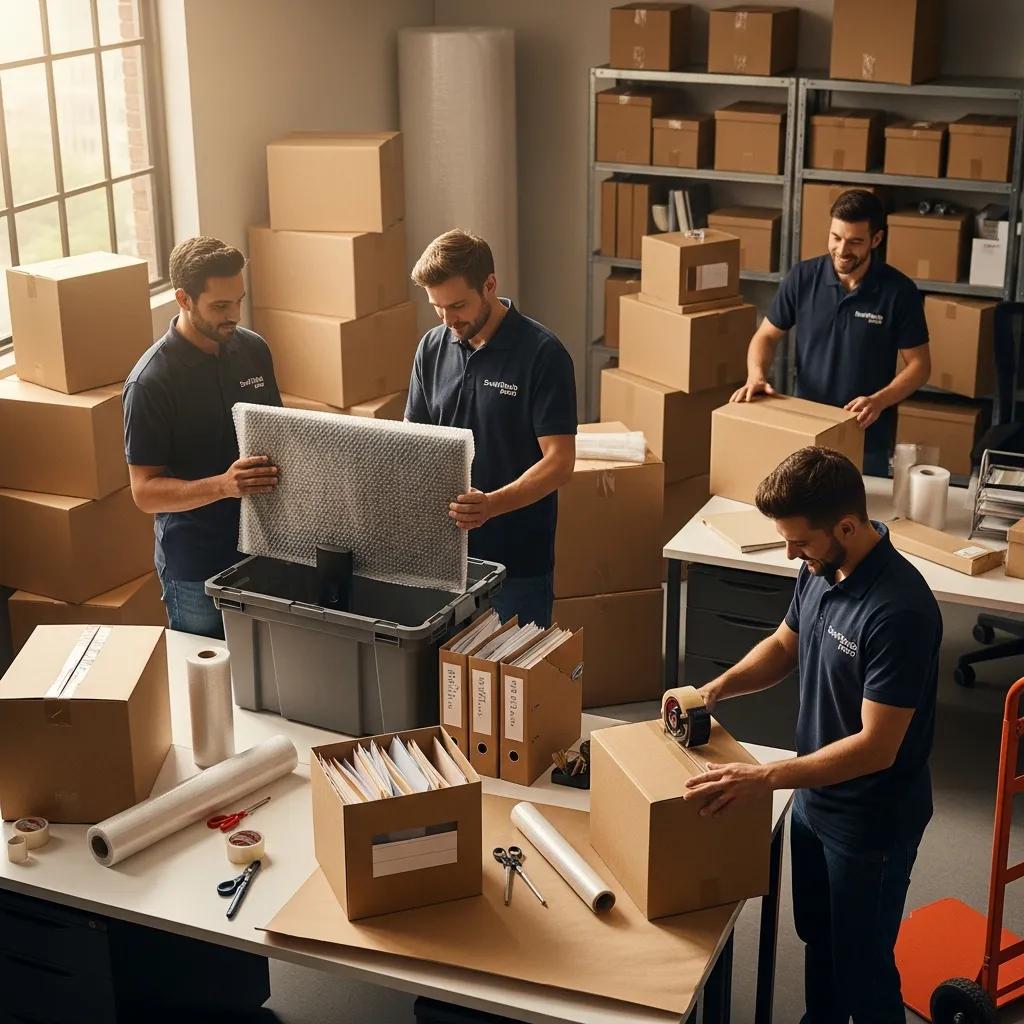
When you’re planning a commercial relocation, some things need extra care. This guide walks through the items you should move separately — from legal files and HR records to servers, personal valuables, and specialty equipment — so your transition stays organized and secure.
Relocations can create gaps where things get lost or damaged. By separating and tracking critical items, you cut risk and keep operations running. Below we outline what to set aside, how to pack it, and practical steps to protect your business during the move.
Which Important Documents Require Separate Handling in Office Moves?
Certain records need added protection to prevent unauthorized access and to meet legal or regulatory rules. Treat legal paperwork, financial records, and HR files as priority items and move them under controlled, documented procedures.
What Types of Confidential Business Documents Should Be Moved Separately?
Confidential business documents to move separately include:
- Legal Documents: Contracts, agreements, and case files that must stay secure and traceable.
- Financial Records: Tax filings, ledgers, and other financial paperwork that require restricted access.
- HR Files: Employee records, payroll data, and sensitive personal information that demand confidentiality.
How to Securely Transport Legal, Financial, and HR Files?
Follow these practical steps to keep sensitive files safe:
- Use Secure Containers: Lockable file boxes or tamper-evident bags give an extra layer of protection in transit.
- Maintain a Clear Inventory: Create a simple chain-of-custody log and check items in and out so nothing goes missing.
- Assign Trusted Handlers: Limit who transports these documents and make sure those people understand confidentiality procedures.
How Should Sensitive Electronics Be Packed and Moved Separately?

Computers, servers, and backup devices need careful packing and handling to avoid physical damage and data loss. Treat electronics as high-priority items and plan both the packing and transport steps in advance.
What Are Best Practices for Moving Laptops, Servers, and Backup Devices?
Use these trusted precautions when moving electronics:
- Back Up First: Verify backups before anything is unplugged — that’s your safeguard against accidental data loss.
- Label and Document: Tag equipment and record serial numbers, power adapters, and cable layouts for quick reassembly.
- Secure Transport: Move sensitive hardware in monitored, secure vehicles and avoid leaving devices unattended.
Which Packing Materials and Techniques Protect Fragile Office Electronics?
Protect devices with the right materials and methods:
- Anti-Static Protection: Use anti-static bags and wraps for circuit boards, drives, and other sensitive parts.
- Cushioning: Foam inserts or durable padding prevent jostling and absorb shocks.
- Clear Labeling: Mark boxes with contents and handling instructions so the Mountain Movers team knows which items are fragile.
Industry research underscores how specialized antistatic packaging improves protection for sensitive electronic components during relocation.
Antistatic Packaging for Sensitive Electronics Relocation
Antistatic packaging plays a key role in protecting electronic devices from damaging static charges. Researchers have developed polyamide 6 (PA6) combined with carbon nanotbes (MWCNT) in molten-state composites to test how well they dissipate static and protect components during handling and transport.
Polyamide 6 (PA6)/carbon nanotubes (MWCNT) nanocomposites for antistatic application: tailoring mechanical and electrical properties for electronic product …, 2024
What Personal Items Should Employees Move Separately During a Business Relocation?

Personal items are best handled by each employee to reduce loss and ensure quick access to essentials. Encourage staff to pack a small essentials kit and keep valuables with them.
Which Valuables and Essentials Should Employees Keep With Them?
Employees should retain items like:
- Personal Documents: IDs, passports, and important papers that can’t be easily replaced.
- Medications: Any prescriptions or health-related items needed during the move.
- Essential Electronics: Personal laptops, phones, and chargers required for immediate work.
How to Prepare Employee Moving Day Essentials for Immediate Access?
Make moving day easier with these habits:
- Pack an Essentials Bag: Keep key items within reach — documents, chargers, a change of clothes, and meds.
- Label Personal Boxes: Clear labels speed unpacking and prevent accidental sorting into general inventory.
- Tell the Moving Team: Point out personal items that need to stay with employees or be handled gently.
Which Specialty or Fragile Office Equipment Requires Separate Moving?
Some items need custom handling — think artwork, safes, medical or lab gear, and other delicate or heavy equipment. These require a tailored plan to move safely.
How to Handle Art, Safes, and Lab Equipment During Commercial Moves?
Follow these steps for specialty items:
- Custom Packing: Use custom crates, padded crates, or racks built for the specific item.
- Confirm Insurance: Make sure high-value pieces are covered during transport with appropriate insurance.
- Plan the Route: Avoid rough roads and schedule moves during low-traffic windows when possible.
What Are the Risks and Solutions for Moving Hazardous or Delicate Items?
Moving hazardous or delicate items raises unique risks. Mitigate them with clear procedures:
- Identify Materials: Label and document any hazardous substances so they’re handled to code.
- Follow Safety Protocols: Use trained personnel and proper containment to protect staff and property.
- Prepare for Emergencies: Have spill kits, emergency contacts, and response steps on hand.
What Items Should You Keep With You: Essential Commercial Moving Checklist?
A quick checklist helps ensure nothing critical slips through the cracks during a move. Keep an immediate-access box and a list of must-have documents and tools.
Which Documents and Items Are Critical to Transport Personally?
Items to transport personally include:
- Legal Documents: Active contracts and agreements needed for business continuity.
- Financial Records: Key accounting or banking documents that require secure handling.
- Employee Personal Items: Staff possessions that must be available right away.
How to Organize an Immediate Needs Box for Business Continuity?
Build an immediate needs box with these essentials:
- Office Basics: Pens, staplers, notepads, and a starter supply to get setup quickly.
- Communication Tools: Phones, chargers, and any devices needed to stay connected.
- Emergency Contacts: A printed list of vendors, building contacts, and team leads for quick reference.
How Does Mountain Movers Ensure Safe Separate Moving of Critical Items?
At Mountain Movers, we combine trained crews, clear processes, and local know-how to protect your most important items. We handle sensitive loads with care, provide transparent pricing, and work with building managers, HOAs, and city permitting so your move stays on schedule and compliant.
What Professional Services Support Secure Handling of Sensitive Items?
We offer specialized packing and handling services for fragile or high-value items, plus insurance options so you have extra peace of mind while we move the heavy lifting off your plate.
How Does Transparent Pricing and On-Time Guarantee Benefit Your Move?
Our straightforward estimates and on-time promise remove surprises from moving day. Clear pricing helps you plan costs, while trained crews and efficient workflows reduce downtime so your team can get back to work faster.
Conclusion
Moving a business doesn’t have to be chaotic. Prioritize documents, electronics, personal essentials, and specialty equipment for separate handling, and use simple checks — labeling, inventories, and trusted carriers — to protect what matters most. If you want help planning or executing a secure office move, reach out to Mountain Movers and we’ll walk you through it.




Google Reviews
518 Reviews | 4.9 Avg Rating