

Commercial Relocation in Austin Office Moves That Keep Your Business Running
In Austin, commercial relocation means moving office equipment, employee desks, computers, and important files. You need to plan carefully to avoid business delays. Business moves include offices, retail stores, medical clinics, and warehouses across Central Texas. Most Austin companies move on evenings or weekends. This keeps your business open during the week. As a moving company in Austin's business community, we handle the details so your team stays productive.





Google Reviews
518 Reviews | 4.9 Avg Rating
Commercial Relocation Covers Office Furniture, IT Systems, and Confidential Files
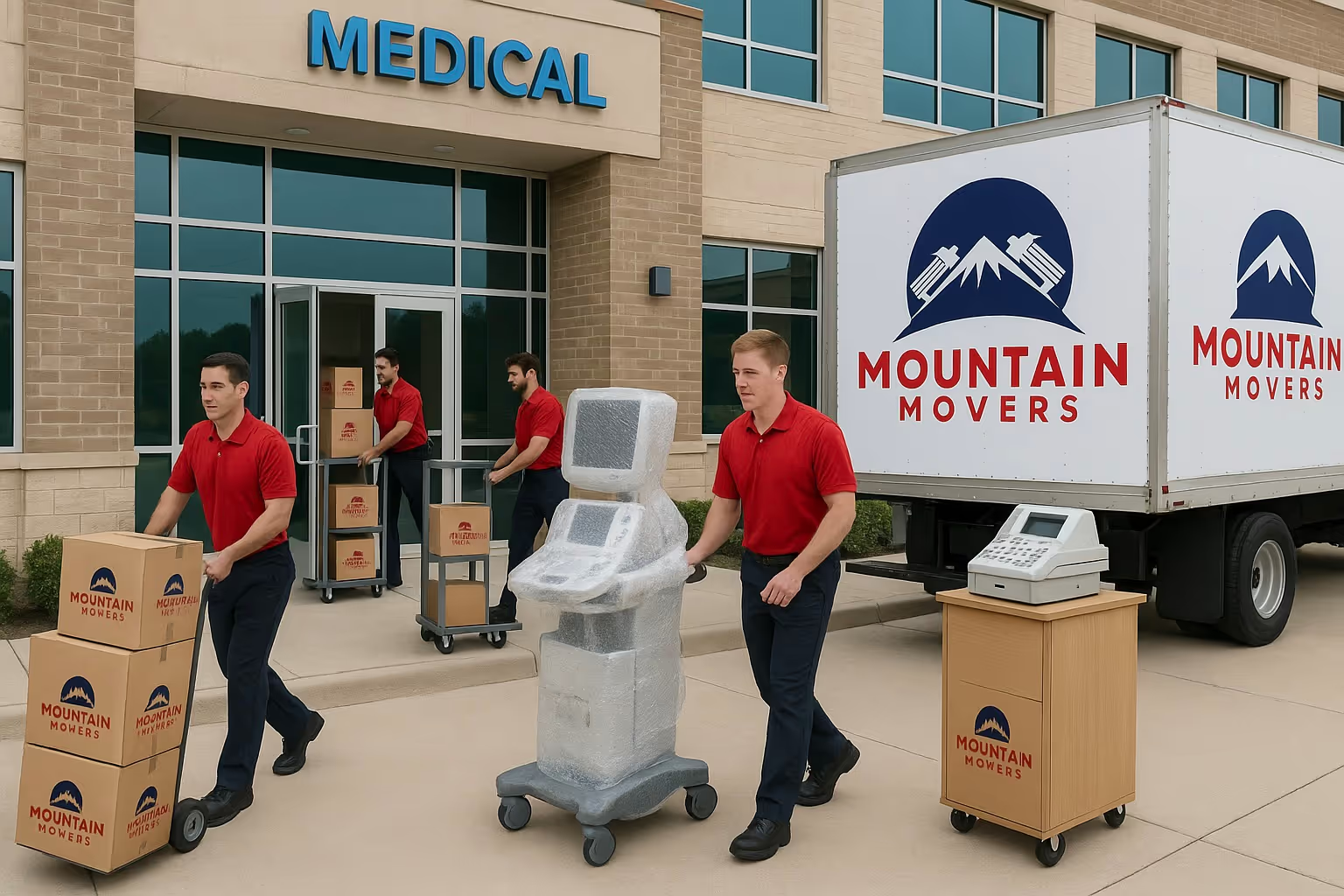
Commercial relocation moves your entire business from one place to another. This includes desks, conference tables, filing cabinets, computer monitors, printers, phone systems, and servers. Business moves are different from home moves. You also need to move client records, financial documents, and private company data safely. Our company relocation services handle these specialized requirements with the security and care your business demands. Austin businesses moving from Domain Northside shared offices to their own buildings need special packing. You must protect computers and keep files secure. Medical offices move patient records and medical equipment. Retail stores move products, shelves, and cash registers. Warehouses move heavy machines, inventory, and dock equipment. Each type of business move needs special care to protect valuable items and keep your business running.

Austin Office Moves Require Coordination Between Building Management and IT Teams
Good office moves need planning with several people. You must reserve freight elevators and schedule after-hours building access. You also need to work with network installers at your new office. Managers working in downtown high-rises or East Austin warehouses must get approval from property managers. Many Austin buildings have strict moving rules. Most allow moves only after 6 PM on weekdays or anytime on weekends. Downtown buildings require insurance papers 14 days before your move. An experienced Austin moving company understands these requirements and handles the paperwork coordination. Building managers need advance notice to reserve loading docks and freight elevators. These can book up weeks early during busy times. Your computer team should work with movers. They need to unplug servers, label cables, and plan network setup at the new space. This prevents delays when your business needs to start working again.
Professional Movers Protect High-Value Equipment and Minimize Business Downtime
Hiring trained movers lower the risk of breaking expensive office items. Professional crews know how to move monitors, printers, office chairs, and glass tables safely. They use furniture pads, custom boxes, and safe loading methods. Items stay secure during the drive. Small business owners thinking about moving themselves should consider the cost. Broken equipment is expensive to replace. Delays can also cost you business days. Professional movers work fast. They finish moves in hours instead of days. This keeps your business open and your workers productive. Austin summer heat reaches over 100°F from July to September. Electronics can overheat in hot trucks during loading. Climate-controlled trucks protect sensitive items like servers, computers, and medical devices during hot months. Professional movers also carry insurance. This covers your items during the move and gives you peace of mind.


Packing Services Handle Electronics, Modular Furniture, and Sensitive Documents Separately
Professional packers use special materials for different office items. Electronics get anti-static wrap. This stops damage from static electricity. Computers, monitors, and printers go in separate boxes with foam padding. Office furniture like cubicle walls and adjustable desks need to be taken apart. Packers label all pieces and stack them carefully to avoid scratches. Important documents like employee files, legal contracts, and client records go in locked bins. These stay sealed during the move. Office managers in Mueller or Westlake Hills planning multi-floor moves benefit from full packing services. Custom boxes protect artwork, awards, and decorative pieces in reception areas. Break room items like coffee makers and microwaves get wrapped separately from office supplies. Items not included in packing are plants, food from the break room, cleaning supplies, and dangerous materials. You should also keep employee laptops, cash, and original contracts with you. Do not load them on the truck.
Timing Your Austin Commercial Move Around Lease Cycles and Employee Schedules
Pick your move date based on when your lease ends, when employees are available, and busy moving seasons. Moving between November and February often means better availability. You have more flexibility for weekend or holiday moves. Winter months see fewer moves. This makes it easier to book your preferred time. Business owners whose leases end during these months can get better rates. Avoid moving during SXSW in March, ACL Festival in October, or UT Austin move-in weeks in August. These events create downtown traffic and limit truck availability. Most business moves happen Friday evening through Sunday. This avoids disrupting work during the week. Plan your move around employee schedules. Key staff should be there to watch packing and unpacking. Give your team at least two weeks' notice before the move. This lets employees pack personal items, label their desks, and get ready for your new space.


Commercial Move Quotes Account for Square Footage, Equipment Weight, and Floor Access
Clear quotes list every cost. This helps you compare moving companies fairly. Moving companies calculate price based on your office size, equipment weight, and labor hours needed. Quotes also include truck size, packing materials, and special fees for heavy items like safes or server racks. Teams getting bids for large office moves over 5,000 square feet should expect detailed cost breakdowns. Stair fees apply when elevators are too small or unavailable for large furniture. Downtown Austin high-rise moves often cost more. You pay extra for freight elevator scheduling, loading dock coordination, and building insurance requirements. Distance between your old and new offices affects fuel costs and travel time. Quotes should say if packing services, unpacking, and furniture assembly are included or cost extra. Get quotes in writing. Ask about extra fees that might apply on moving day. This prevents surprise charges and helps you plan your budget.
Frequently Asked Questions
Do Austin movers handle office relocations on weekends?
Yes, most Austin moving companies offer weekend and after-hours commercial moving services specifically to minimize business disruption and downtime.
The majority of professional Austin movers specialize in weekend and evening office relocations to accommodate businesses that cannot afford operational interruptions during regular work hours. Weekend moves are particularly popular for commercial clients, allowing Friday evening pack-outs and Monday morning setup in the new location. However, weekend services typically cost 10-20% more than weekday rates due to premium labor scheduling and higher demand. Some movers also offer overnight moves for businesses requiring 24/7 operations. Book weekend commercial moves well in advance, as availability fills quickly, especially during peak business relocation seasons. Discuss timing flexibility during your estimate consultation to balance cost considerations with your business continuity needs.
How far in advance should I book a commercial move in Austin?
Book commercial moves 8-12 weeks in advance, or 3-6 months ahead for large office relocations or moves during peak business seasons.
Commercial moves in Austin require significantly more advance planning than residential moves due to their complexity. For small office relocations with 10-15 employees, booking two to three months ahead is typically sufficient. Larger businesses with 50+ employees, multiple departments, or specialized equipment should schedule four to six months in advance. This timeline allows for detailed planning, inventory assessment, IT coordination, and securing weekend or after-hours moving slots that minimize business disruption. Early booking also ensures availability of specialized equipment and experienced commercial moving crews during Austin's busy seasons.
Are there restrictions on moving times in downtown Austin buildings?
Most downtown buildings limit business moves to after 6 PM on weekdays or anytime Saturday/Sunday. You must book freight elevators through property management ahead of time. Buildings also require insurance papers at least 14 days before your move date.
What items should I move separately during a commercial relocation?
Move confidential documents, financial records, employee files, backup drives, cash, keys, and high-value electronics separately for security and accessibility.
During commercial relocations, certain items require personal transport rather than going with the moving company. Critical documents like contracts, legal files, and sensitive employee records should be moved separately to maintain confidentiality and comply with privacy regulations. Backup drives, servers with proprietary data, company credit cards, checkbooks, and petty cash need direct oversight. Additionally, keep office keys, access cards, passwords, and items needed immediately upon arrival in your personal possession. High-value items like laptops assigned to executives may also warrant separate transport to ensure chain of custody and immediate availability.
Can movers disconnect and reconnect office cubicles?
Most Austin commercial movers can disassemble and reassemble standard modular cubicles, though complex or custom systems may require specialized technicians.
Commercial moving companies in Austin typically offer cubicle disassembly and reassembly services for standard modular office furniture systems from manufacturers like Steelcase, Herman Miller, and Haworth. Movers label components, carefully dismantle panels and workstations, transport them safely, and reconstruct them at your new location. However, highly customized cubicle configurations, integrated electrical systems, or specialized workstations may require manufacturer-certified technicians for proper handling. Discuss your specific cubicle system with movers during the estimate phase, as complex installations often incur additional fees and may need coordination with furniture vendors or IT professionals.
What happens if my new Austin office space isn't ready on moving day?
Good movers offer short-term storage in climate-controlled buildings. Your furniture and equipment stay protected until your new space passes inspection. Storage options keep your move on schedule even when building delays happen.