




What Should I Not Let Movers Pack? Your Practical Guide to Prohibited Items and Safe Moving Practices

Moving day mixes planning with logistics—one of the smartest choices you can make is deciding which items you should keep with you instead of handing to the movers. This guide walks through the things movers typically won’t transport—usually for safety, legal, or liability reasons—and gives clear alternatives so your move stays on schedule. You’ll learn which hazardous materials, perishables, valuables, firearms, pets, and owner-packed items need your personal attention, plus step-by-step tips for declaring high-value items and protecting yourself. We focus on practical actions, disposal and transport options in Central Texas, and the right documentation to keep your insurance valid. If you prefer professional help, Mountain Movers pairs transparent pricing with a Worry Free Damage Guarantee—request a free quote to talk through any items you plan to keep with you. Read on for quick-reference lists, checklists, and clear answers to “what not to pack” when hiring a local mover in Austin.
Which Hazardous Materials Are Movers Not Allowed to Transport?
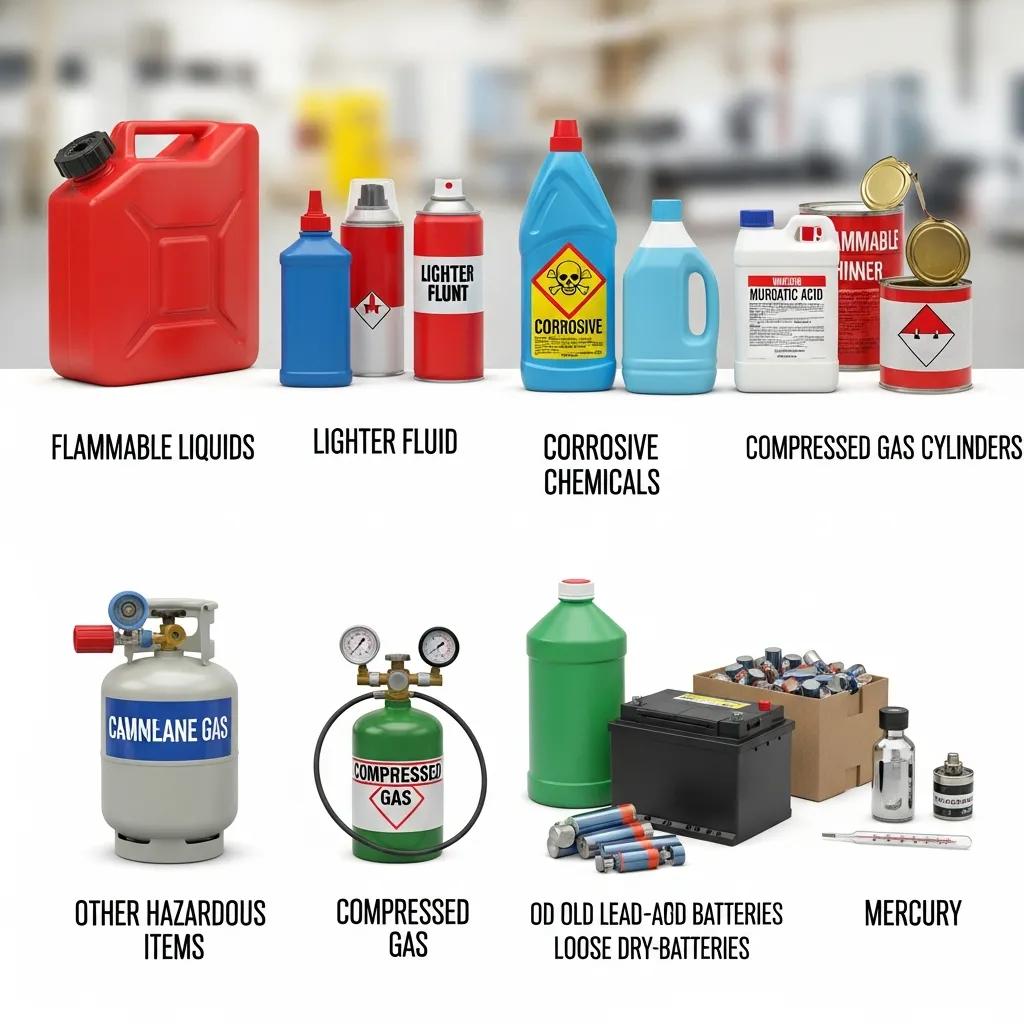
Hazardous materials are things that can catch fire, explode, corrode, poison, or harm the environment during transit. Movers refuse these items because federal and state safety rules—and significant liability—make them unsafe to ship. Common groups include flammable liquids and gases, explosives and ammunition, corrosive chemicals, toxic substances, and compressed gas cylinders. Any of these can damage property or endanger movers if packed or left unsecured in a truck, so identifying them early helps you plan proper disposal or personal transport before moving day.
Below is an easy reference that summarizes common hazardous categories, why movers prohibit them, and local disposal or transport alternatives—useful if you’re searching for “prohibited moving items Texas” or “moving company restrictions Austin.”
This compact table compares each hazard group with the usual safety or legal rationale and suggested local disposal options to help you avoid delays and reduce liability.
Use this comparison to decide whether to keep, dispose of, or personally move questionable items. Next we cover the most common flammables and how to handle them safely.
What Are Flammable Liquids and Gases Prohibited in Moves?
Flammable liquids and gases include gasoline, lighter fluid, propane cylinders, aerosol cans, and some solvents. Movers won’t transport them because vapors or leaks can ignite inside a moving truck and create serious fires. Even small amounts of gasoline or a full propane cylinder are usually not allowed; aerosol cans may be restricted unless completely empty and secured. If you find flammables while packing, set them aside, label them, and either drive them in your vehicle or take them to a hazardous waste site. Keep containers tightly sealed, store them somewhere ventilated until transport, and never pack them under heavy items. Spotting these early keeps late surprises from delaying your move.
- Common household flammables movers refuse include:Gasoline, kerosene, and dieselPropane tanks and other compressed gas cylindersPaint thinners, varnishes, and certain aerosol cans
These examples help with searches like “flammable liquids movers” and point you to the safe disposal or personal transport options that keep your move on track.
How Should Explosives and Ammunition Be Handled During Moving?
Explosives (including fireworks and hobby materials) and ammunition are tightly regulated and typically won’t be moved by household movers—handling them incorrectly creates extreme risk. Rules about ammunition vary by state and federal law, so the safest plan is to transport unloaded firearms yourself and move ammunition separately following local regulations. If you must relocate ammunition or explosives, contact local law enforcement or licensed facilities for secure storage or transport advice—don’t hide these items in ordinary boxes. When you transport ammunition personally, use rigid, clearly labeled containers, keep them locked in your vehicle and out of children’s reach, and carry proof of lawful ownership. These precautions reduce legal exposure and help avoid dangerous mistakes on moving day.
Why Should Perishable Foods and Plants Be Moved Personally?
Perishable foods and live plants often don’t survive the conditions inside a moving truck—temperature swings, no refrigeration, and rough handling can cause spoilage, leaks, or pest spread—so movers usually advise customers to transport them. Letting movers handle perishables risks foodborne illness, ruined frozen chains, and soil or pest damage that could affect other customers’ items. Transporting these yourself lets you keep frozen goods cold, avoid cross-contamination from open containers, and protect delicate plants from extreme temperatures. Below we explain which food and plant types movers will usually accept and which you should carry in your car, plus practical alternatives like donating, consuming, or hiring specialized plant movers. The next section clarifies rules for fresh, frozen, and open food items so you can make safe decisions before movers arrive.
What Are the Rules for Moving Fresh, Frozen, and Open Food Items?
Sealed, shelf-stable foods (canned goods, unopened dry goods) are usually fine to pack with movers. Fresh produce, open containers, and frozen foods that need constant refrigeration should travel in your vehicle. For frozen items, use insulated coolers—dry ice only if local laws and your vehicle allow it—or eat, donate, or discard perishables before the move. Open jars, half-used condiments, and leftovers can spill or contaminate other boxes, so pack them in clearly labeled coolers in your car. Helpful pre-move steps: plan meals to use fresh items, schedule donations to local food banks, and prepare a travel cooler for essentials to keep the cold chain intact. These steps prevent waste and avoid last-minute surprises from forgotten perishables.
- Plan meals to use fresh items before moving day.
- Pack frozen items in insulated coolers for personal transport.
- Donate unopened, nonperishable foods to local charities.
Following these rules helps avoid common mistakes people search for under “what not to pack moving company” and keeps your move clean and efficient.
Can Movers Transport Live Plants and Flowers Safely?
Most movers decline live plants because soil, water, and pests can spill or spread, and plants often suffer from heat, cold, and lack of light during transit. Short local moves might be okay for hardy plants, but longer moves risk harm. Small succulents or potted herbs can survive short drives if secured upright, but tropical or large specimens usually need personal transport or specialist handling. When you move plants yourself, prune heavy foliage, cushion pots in boxes, and don’t overwater right before transit to avoid leaks. For valuable or sensitive collections, use professional plant transporters who offer temperature-controlled handling and know quarantine rules. Proper packing increases your plants’ chances of surviving and protects other items from damage.
- Tips for safely moving resilient plants:Use sturdy boxes, secure pots with crumpled paper, and keep boxes upright.Place plants in your vehicle where you can monitor temperature.Avoid moving plants on extremely hot or cold days.
These precautions lower the risk of losing irreplaceable plants and address common questions like “can movers transport plants Austin.”
What Valuables and Important Documents Should You Keep With You?
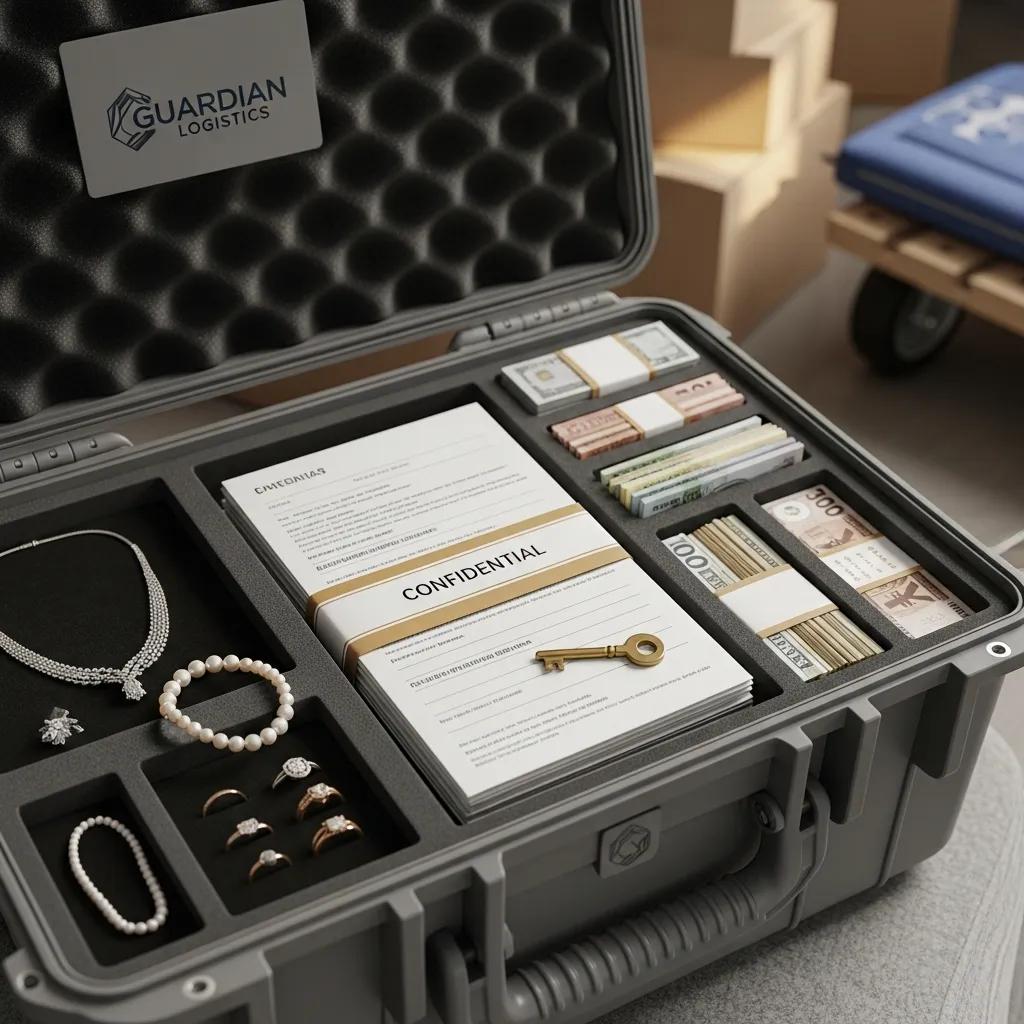
Some items are especially vulnerable to loss, theft, or damage and should travel with you instead of being packed by movers—these are items you should not move with the truck, including cash, jewelry, passports, deeds, wills, and family heirlooms. Movers' standard liability often excludes owner-packed boxes or certain high-value items unless declared and insured separately, so carrying these items yourself reduces risk and simplifies claims. Keep an inventory and carry digital and physical copies of essential documents, keeping originals on your person during the move. The table below lists common valuables among items you should not move with your movers, the risks they face, and recommended actions; the following section explains how to declare items and when to talk to your mover about handling protocols.
This comparison clarifies why searches for “valuables to move yourself” usually point to personal transport and good documentation rather than last-minute packing.
Which High-Value Items Require Personal Transport and Declaration?
Movers set different thresholds for what counts as “high value,” but items with significant monetary or sentimental worth—artwork, rare collectibles, or large cash sums—should be moved personally or declared in writing before moving day so you get the right coverage. Create a detailed inventory with photos, receipts, and appraisals when possible; note serial numbers and unique marks to support any future claims. If you plan to declare items, contact your mover ahead of time and complete their high-value declaration form so handling and insurance are clear. Mountain Movers can guide you through inventory forms and declaration steps as part of their transparent pricing. Supplemental insurance or full-value protection is often a good idea for items above standard liability limits. Proper documentation and pre-declared handling reduce disputes and clarify responsibility if damage occurs.
Why Are Cash, Jewelry, and Legal Documents Not Moved by Movers?
Cash, jewelry, and original legal documents are often excluded from standard mover liability or require a formal declaration because they’re easily lost and usually impossible to replace. Basic carrier liability is typically calculated per pound and may not cover true replacement costs for irreplaceable items. For safety, consider a bank safe deposit box before moving, or carry valuables in a locked bag while keeping copies of important documents in a separate secure place. These precautions prevent the emotional and financial fallout of losing unique items and make any claims process smoother.
- Quick checklist for safeguarding small valuables:Create photo-backed inventory entries for each item.Carry originals and high-value items in a locked, concealed container.Confirm declaration and insurance coverage with your mover before moving day.
These steps respond to common concerns about “what not to pack moving company” and protect your most important possessions.
What Are the Regulations for Moving Firearms and Ammunition?
Firearms and ammunition are regulated differently: unloaded firearms packed in proper cases and transported by the owner are often allowed, while ammunition and loaded firearms face tighter restrictions and are commonly not handled by movers. Compliance with federal, state, and local laws is essential—some places require specific transport procedures or prohibit movers from handling firearms entirely. For interstate moves, research applicable laws and plan personal transport in locked containers; store ammunition separately in secure, labeled containers and follow manufacturer and legal guidance. If you want movers involved, declare firearms in advance and verify their policy—many movers will only transport unloaded firearms in locked cases with prior notice. Knowing the rules helps you avoid legal problems and ensures safe handling during transit.
How Do Firearm Transport Laws Affect Moving Company Policies?
Federal and state laws set baseline transport rules, but many moving companies add stricter policies to limit liability and protect crews—some will refuse to load or unload firearms altogether. Movers typically require firearms to be unloaded, in locked hard cases, and declared on the inventory before move day; written documentation helps prevent confusion. Check your mover’s policy in writing and, when possible, transport firearms yourself to avoid regulatory complications—especially on interstate moves where laws change. If a mover agrees to transport firearms, get written confirmation of their handling procedures and coverage limits so you can arrange supplemental insurance if needed. Clear communication and documentation prevent last-minute refusals that could derail your timeline.
- Key customer actions regarding firearms:Verify mover policy and state laws well before moving day.Transport firearms personally when practical and lawful.If declaring firearms to a mover, get written confirmation of handling and coverage.
These measures line up with searches like “ammunition moving regulations” and “moving company restrictions Austin.”
What Are Safe Alternatives for Ammunition During a Move?
Because movers often exclude ammunition, safe alternatives include personal transport in a locked container, short-term storage with a licensed facility, or lawful disposal at authorized collection points if you no longer need it. When you carry ammunition, keep it in original packaging or a rigid container, label it clearly, and store it separately from firearms. For temporary storage, use licensed storage providers or consult local law enforcement about lawful options—never hide ammunition in general boxes or luggage movers will load. These choices protect you legally and practically and offer reliable options for questions about “ammunition moving regulations.”
Why Don’t Moving Companies Transport Pets and Live Animals?
Most moving companies avoid transporting pets and live animals because animals need climate control, monitoring, and secure enclosures—conditions that are hard to guarantee in a household moving truck. That creates unacceptable liability and logistical challenges. Personal transport or specialized pet transport services are safer. Preparing your pet includes updating vaccination records, using a comfortable carrier, and planning breaks for long drives. Below we list safe alternatives and a checklist to help owners moving pets locally or long-distance.
What Are Safe Alternatives for Relocating Pets?
Safe options include driving your pet in your vehicle so you can watch them, hiring a professional pet transport service that offers temperature-controlled transfers, or using airline-approved relocation services for long-distance moves. When traveling by car, secure pets in well-ventilated carriers with familiar bedding, avoid extreme temperatures, and bring water, small meals, and comfort items. Professional pet transporters often provide door-to-door pickup, climate control, and help with paperwork—useful for complex or interstate moves with quarantine rules. Bring vaccination and health certificates, and consult your veterinarian for pre-move guidance to ensure you meet all health requirements.
- Pet-moving checklist for owners:Obtain vaccination records and required health certificates.Use sturdy carriers with familiar bedding and a favorite toy.Plan feeding/water schedules and travel breaks to minimize stress.
Following these steps reduces the risks that lead movers to decline animal transport and helps owners prepare thoughtfully.
How Can Professional Pet Transport Services Help?
Professional pet transport services offer temperature-controlled vehicles, trained handlers, and experience with health certificates and quarantine rules—making them a good choice when personal transport isn’t practical. They can schedule pickup and delivery windows, advise on sedation with veterinary approval, and provide tracking so you know your pet’s status during transit. Costs vary with distance and needs, but the benefit is lower stress for the animal and peace of mind for the owner. When selecting a provider, check credentials, insurance for live animals, and references to ensure responsible care. The right service solves the welfare and liability concerns that keep general movers from transporting pets.
How Does Moving Company Liability Affect Owner-Packed Prohibited Items?
Moving company liability affects how loss or damage is paid for and influences what owner-packed (PBO) items you should keep. Understanding basic carrier liability versus full value protection clarifies what coverage you have and what to carry personally. Basic carrier liability usually pays a small per-pound amount, while full value protection offers broader repair or replacement coverage but may exclude owner-packed or prohibited items. The table below explains liability options, what they cover, typical cost notes, and when to buy extra protection. After the table we explain how to declare high-value or prohibited items and document them to preserve eligibility for claims.
This table shows why searches like “moving company liability owner-packed items” should lead you to make clear declarations and consider extra insurance.
What Is the Difference Between Basic Carrier Liability and Full Value Protection?
Basic carrier liability reimburses at a nominal per-pound rate, while full value protection requires the mover to repair, replace, or pay the value of lost items up to declared limits (minus any deductible). That difference means basic liability can leave you undercompensated for high-value losses, so full value protection or supplemental insurance is often smarter for art or antiques. Costs depend on declared values and shipment size, so get written estimates and clear coverage details before signing contracts. If owner-packed boxes contain valuables, standard protections may not apply—declare those items and consider appraisals or third-party insurance to fill coverage gaps. Good documentation and advance planning reduce surprises during a claim.
How Should You Declare High-Value or Prohibited Items to Movers?
Declare high-value or prohibited items in writing before move day with a detailed inventory that includes photos, receipts, serial numbers, and appraisals when possible. Complete the mover’s high-value declaration form so both parties understand handling and coverage limits. Start by listing items, estimating replacement value, and noting special handling instructions; then confirm these details in writing with your mover and keep written acknowledgment. Mountain Movers asks customers to declare extraordinary items ahead of time and can advise on declared coverage as part of their transparent pricing. Keep copies of all declarations and communications to support any future claims and to clarify responsibility during transit.
- Photograph each high-value item and gather receipts or appraisals.
- Complete the mover’s declaration form and get written confirmation.
- Buy supplemental insurance when items exceed standard coverage limits.
Taking these steps protects your financial interest and ensures clear responsibility on moving day.
Conclusion
Knowing what movers won’t pack makes your move safer and smoother. Keep hazardous materials, perishables, valuables, and pets with you—or arrange proper disposal or specialized transport—so you avoid liability and last-minute problems. If you want a hand, Mountain Movers can advise on handling, declarations, and coverage to make your transition easier. Use the resources above to plan ahead and move with confidence.
About the Author
Sarah Jenkins is a seasoned logistics expert and content contributor specializing in home relocation and practical moving advice. With over a decade of experience in the moving industry, including several years working with local movers in Central Texas, Sarah provides actionable insights to help individuals and families navigate the complexities of moving day. Her expertise focuses on safety regulations, efficient packing strategies, and understanding mover liability, ensuring a smooth and stress-free transition for her readers.