

How to Move a Refrigerator: Protect Your Appliance During the Move



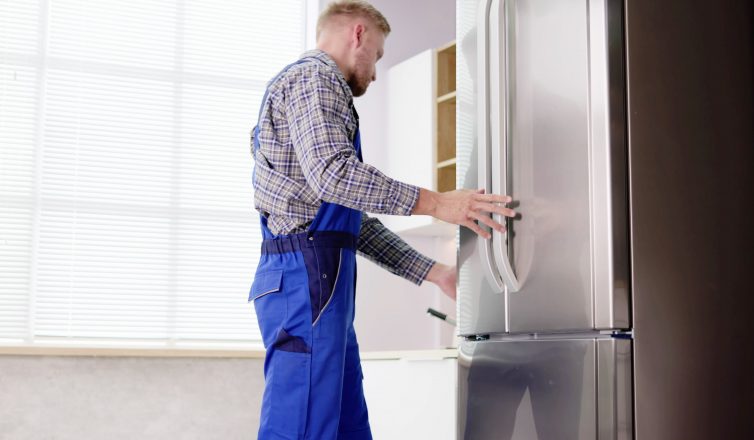
How to Move a Refrigerator Safely — Protect Your Appliance During the Move

Moving a refrigerator is one of the trickiest parts of any move: it’s heavy, has delicate parts, and often connects to water and power. This guide walks you through preparing, moving, and caring for your fridge so you avoid leaks, mechanical damage, and scratched floors or walls — especially useful for moves around Austin and Central Texas. You’ll get clear, step-by-step prep instructions (defrosting, cleaning, securing shelves), a list of the right tools and protective materials, safe lifting and loading techniques to keep everyone injury-free, plus post-move settling and restart steps to protect the compressor. We also explain when it makes sense to hire pros and what a local Austin team can handle for you. Read on for practical checklists, quick equipment comparisons, timing guidance for reconnecting power and water, and short action lists for each stage of the move.
What Are the Essential Steps to Prepare Your Refrigerator for Moving?
Preparing the fridge correctly lowers the chance of leaks, mold, and damage to the appliance or your home. The basic prep sequence — emptying, defrosting, cleaning, disconnecting utilities, and securing shelves — removes moisture and stops loose parts from shifting. A consistent prep routine also speeds up loading and reduces time spent handling the unit, which protects floors and reduces risk. Below is a concise, numbered checklist you can follow quickly.
- Empty all food and remove loose items: pack perishables separately and wrap glass or fragile inserts.
- Unplug the refrigerator and allow it to fully defrost so melting ice won’t pool during transport.
- Wipe interior surfaces with mild detergent and baking soda to remove residue and neutralize odors.
- Shut off and cap the water line for ice makers or dispensers, and secure the power cord out of the way.
- Remove or secure shelves and drawers, tape doors with moving tape or stretch wrap, and protect the exterior with moving blankets.
These basics set a safe foundation. The following sections explain safe defrosting, how to fasten internal parts, and how to protect plumbing lines for the move.
How Do You Defrost and Clean Your Fridge Before Moving?

Defrosting and cleaning make sure the fridge is dry and sanitary before transport so you don’t end up with leaks or bad smells after jostling. Start by unplugging and removing all food, then place towels or trays to catch meltwater. You can speed thawing safely with cool water or a fan, but avoid direct heat that could damage components. Clean the interior with mild dish soap and baking soda or a cleaner recommended by the manufacturer, and pay attention to the drip pan and door gaskets where mold can form. After cleaning, leave doors propped open to air out and use absorbent towels or moisture packets to help dry the interior. Once dry, secure removable parts so they won’t shift in transit.
How Should You Secure Doors, Shelves, and Water Lines?
Securing doors, shelves, and the water line protects the fridge’s components and prevents scratches or leaks. Use moving straps or ratchet straps to keep doors closed without sticking tape to painted surfaces; stretch wrap or moving tape is fine short term, but avoid duct tape that can pull finishes. When possible remove shelves and drawers, wrap them in paper or blankets, and box them. If you leave shelves in place, pad them with foam and strap them down so they don’t slide. Shut off the water, cap the supply line or use a sanitary cap to stop drips, then coil and fasten the line to the back of the unit. Turn off the icemaker and empty any remaining ice. These steps make lifting and loading safer for everyone involved.
If you’d rather skip the prep work, a local professional crew can handle defrosting, secure packing, and supply the right equipment to reduce risk and save time.
Mountain Movers is a family-owned moving company in Austin and Central Texas that includes appliance moving as part of full-service residential and commercial moves. If you want a low-stress option, our crews will prep your fridge, secure it with blankets and straps, and give clear pricing up front — request a free quote to compare a DIY move with professional handling.
Which Equipment Is Necessary for Safe Refrigerator Moving?

The right equipment makes a heavy lift much safer: appliance dollies, moving straps, protective blankets, and floor protection reduce strain, stabilize the load, and prevent surface damage. An appliance dolly with strap anchors and stair-capable wheels helps with vertical moves, while tie-down straps keep the fridge from tipping or sliding in the truck. Moving blankets and corner guards protect finishes, and ram board or floor pads guard hardwood and tile. Crew PPE like gloves and steel-toe shoes protect hands and feet, and extra tools such as sliders or ramps help with tight thresholds. Here’s a quick list of the essentials and why they matter.
- Appliance dolly: Built for heavy loads and stair navigation.
- Moving straps: Secure the fridge to the dolly and truck to prevent movement.
- Moving blankets and corner guards: Shield exterior surfaces and edges.
- Floor protection: Protects hallways, thresholds, and the truck bed from scratches.
Below is a practical equipment comparison to help you decide whether to rent gear or hire movers who bring their own supplies.
This table helps you weigh renting equipment for a single move against hiring pros who bring the gear and know-how.
What Tools Facilitate Moving Heavy Appliances Like Refrigerators?
Specialized tools lower injury risk and make handling predictable at every stage: lifting, stabilizing, and transport. A rated appliance dolly with a sturdy toe plate and strap points is key for vertical moves and stairs — pick one rated above your fridge’s weight and with pneumatic wheels for rough ground. Use ratchet straps and cam buckles rated for appliance loads to keep the unit secure; multiple straps reduce rotation. Moving blankets, stretch wrap, and corner protectors stop scratches, and ramps or liftgates simplify truck loading. If you’re undecided about renting equipment or hiring movers, factor in the cost of possible damage or injury from doing it yourself.
How Does Floor Protection Help During Refrigerator Transport?
Floor protection saves you from expensive repairs to hardwood, tile, and trim by creating a sacrificial path between the fridge and your home. Use ram board for long hallways, adhesive slide pads for short carries, or layered moving blankets over thresholds. The idea is to spread the load and avoid concentrated pressure or scuffs. Lay protection along the full route from the fridge to the truck and secure it loosely so it doesn’t create trip hazards; add corner guards for doorframes and trim. The small cost of temporary protection is worth it compared with refinishing floors later, and it also speeds the movers’ path so you avoid repeated handling.
What Are the Best Techniques for Moving and Transporting a Refrigerator?
Good technique focuses on body mechanics, team coordination, and keeping the refrigerator upright to protect the compressor. Always use at least two people, agree on short commands, lift with your legs, keep the weight close, and maintain a neutral spine. When loading onto a dolly, tilt the fridge correctly, place straps so the center of gravity rests against the backplate, and test stability before you move. Transport upright whenever possible — tilting can let compressor oil flow into refrigerant lines and cause damage after the move. These steps prepare you for the practical lifting and routing tips that follow.
- Agree on a clear path and commands with your partner before lifting.
- Tilt the fridge slightly so the dolly’s toe plate can slide under, then settle it onto the dolly.
- Use ratchet straps to secure the appliance to the dolly and prevent backward sliding.
- Move slowly, use spotters for tight turns or stairs, and keep the unit upright at all times when possible.
Research underscores how improper loading and insecure loads can cause damage to goods and increase injury risk during unloading, which is why securement matters.
Safe Appliance Loading & Securement for Transport
Improper loading and poor load securement inside a trailer can damage packages and their contents, and can lead to injuries during unloading. The paper reviews common loading mistakes and recommends proper methods to reduce those risks.
Load securement and packaging methods to reduce risk of damage and personal injury for cargo freight in truck, container and intermodal shipments, J Singh, 2014
Those securement practices form the foundation for safe lifts and for negotiating obstacles during the move.
How Do You Safely Lift and Load a Refrigerator Onto a Dolly?
Safe lifting and loading start with planning, proper dolly placement, and synchronized movement to avoid strain or drops. Place the dolly against the fridge base and tilt the appliance just enough for the toe plate to slip under the front lip. One person should guide the fridge while the other controls the dolly. Lift together using leg power, tilt the unit into a slightly reclined dollied position so the weight rests on the backplate, then secure it with ratchet straps attached to the dolly’s anchors. Use simple commands like "lift", "tilt", and "secure" and always test stability before crossing thresholds or ramps. These steps reduce the chance of drops and make truck loading safer.
Why Is Upright Transport Crucial and How to Navigate Stairs and Doorways?
Keeping the refrigerator upright matters because tipping or laying it on its side can allow compressor oil to enter refrigerant lines, which can cause compressor failure when you restart it. For narrow doorways, measure clearances in advance, remove doors or handles if needed, and protect trim with corner guards; when space is very tight, professional movers can remove doors or use low-profile techniques. For stairs, use a dolly rated for stair work, add an extra crew member for control, and consider mechanical stair climbers or platform dollies for multi-flight moves. These approaches protect both the fridge’s mechanics and its finish during difficult carries.
What Post-Move Care Is Required for Your Refrigerator?
After the move, let the fridge settle based on how it was transported, reconnect utilities carefully, and monitor operation. If it was tilted at any point, allow compressor oil and refrigerant time to return to their proper places before powering up. After the waiting period, level the unit, reconnect the water line with proper fittings and check for leaks, then plug it into a dedicated outlet and set the temperature. Watch temperatures and sounds over the next 24 hours — if you hear odd noises, see persistent warmth, or notice leaks, call an appliance technician or contact your mover for guidance. The table below summarizes typical waiting times by transport scenario.
How Long Should a Refrigerator Sit After Moving Before Reconnecting?
If your fridge stayed upright the whole time, waiting 2–4 hours is usually enough for things to settle. If it was tilted or laid on its side at all, wait 8–24 hours so compressor oil can drain back where it belongs. Before plugging in, visually inspect for shifted parts or leftover moisture and check your owner’s manual for any model-specific guidance. Waiting the right amount of time reduces the chance of motor burnout or poor cooling after the first power-up.
What Are the Steps to Reconnect and Restart Your Fridge Safely?
Reconnect and restart in the right order: level the unit first, then reconnect utilities to avoid leaks or electrical issues. Use adjustable feet or shims to get the fridge level so doors seal evenly. Reattach the water line with approved fittings, turn the supply on slowly, and check all joints for leaks — only test the icemaker after you’re sure the connection is dry. Finally, plug it into a dedicated outlet, set the thermostat to the recommended starting temperature, and monitor performance and sounds over the next day. If the fridge runs too long, makes odd noises, or fails to cool properly, call a service technician or the mover who handled the transport.
Why Should You Hire Professional Refrigerator Movers in Austin, TX?
Hiring pros lowers the risk of injury, appliance damage, and home repairs because trained crews bring the right equipment and local know-how. Professionals arrive with dollies, straps, blankets, floor protection, and team protocols that speed lifts and secure truck loading while minimizing time in risky positions. Local Austin movers also know common home layouts, stair setups, and narrow doorways — that experience helps them plan routes and avoid costly trial-and-error carries. Working with a trusted provider also gives you clear pricing and less stress, so you can focus on other parts of your move. The table below shows how professional features translate to reduced risk and real benefits.
That’s why many homeowners choose professionals: to protect time, money, and the appliance itself.
What Are the Benefits of Choosing Mountain Movers for Appliance Moving?
Mountain Movers is a family-owned Austin team serving Central Texas. We focus on stress-free moves, clear upfront pricing, and treating your belongings like they’re our own. Our services include local and long-distance residential and commercial moves, packing, and appliance/heavy-item moving, so we can handle prep, secure transport, and final placement as part of a full move. A local crew reduces coordination headaches, uses knowledge of Austin-area homes (like narrow staircases), and gives you a single point of accountability for appliance handling. If you want a team that brings equipment and local experience, request a free quote to see how professional help compares to a DIY move.
How Do Professionals Prevent Damage and Save Time Compared to DIY Moves?
Pros save time and prevent damage through experience, standard procedures, and the right equipment — so you avoid improvised fixes and repeated attempts to fit awkward corners. Movers use rated dollies, straps, floor protection, and blankets to control every carry from kitchen to truck, which cuts the chance of scratches, dents, or compressor harm. They plan routes, measure clearances, and load the truck efficiently to secure the fridge in transit, reducing move time and the chance of rework. Compared with many DIY efforts, hiring trained movers usually results in a smoother move with fewer surprises and less stress.
For dependable, local appliance prep and transport in Austin and Central Texas, request a free quote from Mountain Movers and compare professional benefits against DIY time and risk.
Mountain Movers serves Central Texas with family-owned values, transparent pricing, and appliance-handling experience — request a free quote to review options and schedule appliance transport.
Conclusion
Moving a refrigerator safely takes careful prep, the right gear, and the right techniques to protect the appliance and your home. Follow the steps above or consider professional help to reduce risk and save time. For a smooth move in Austin and Central Texas, Mountain Movers offers local expertise and appliance-handling experience — request a free quote today and let us protect your investment.