

Why Hire Commercial Movers: How Austin Businesses Get a Smooth, Low‑Stress Office Move



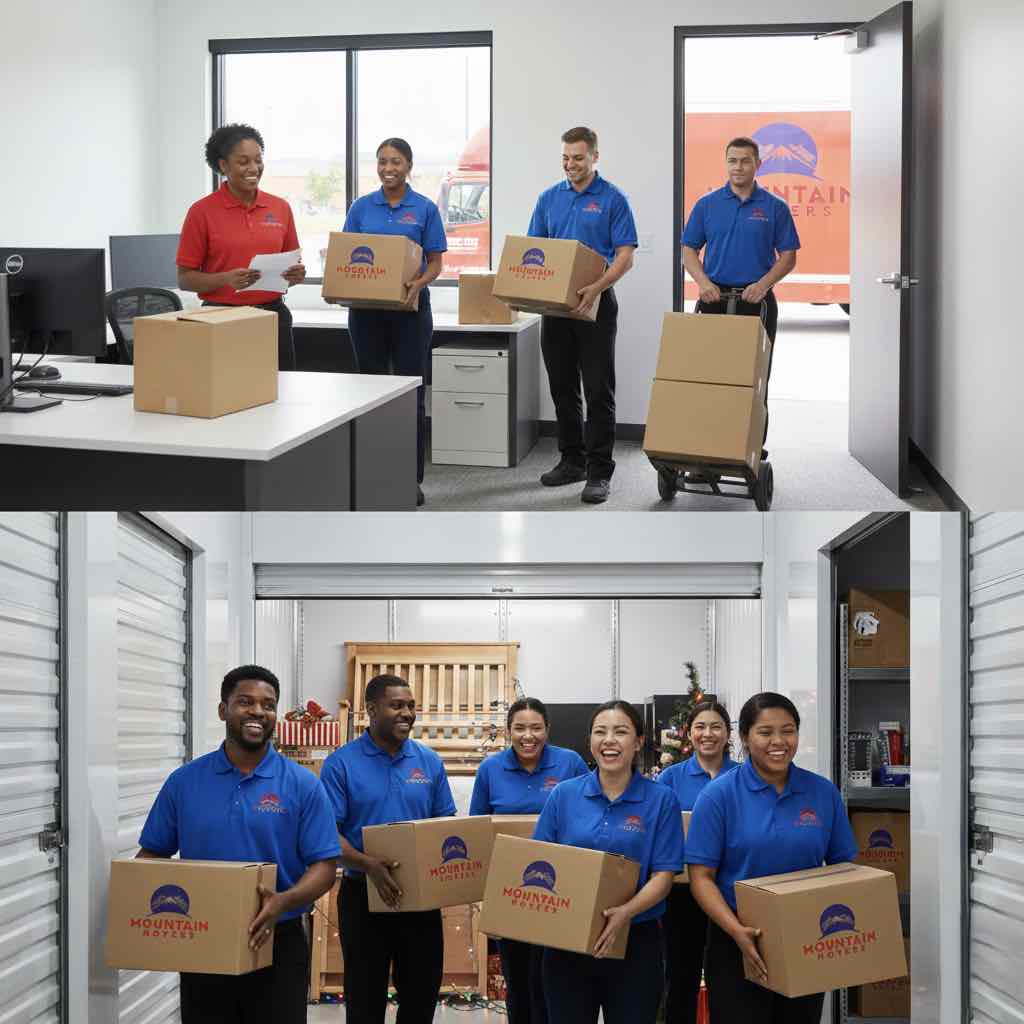

Commercial movers are specialist teams that plan and carry out office relocations so your business stays running. Combining project management, the right equipment, and experienced crews, they cut downtime, protect assets, and get teams back to work faster. Below we explain how commercial movers stage relocations, safeguard IT and office gear, and use professional packing and setup to reopen quickly. You’ll find practical tactics for reducing downtime, the insurance and handling practices that protect high‑value items, and project‑management steps that lower stress for owners and staff. The guide also includes checklists, comparison tables, and actionable advice tailored for Austin and Central Texas so decision‑makers can evaluate partners and know when to bring in professionals.
How Do Commercial Movers Minimize Business Downtime During Office Relocation?
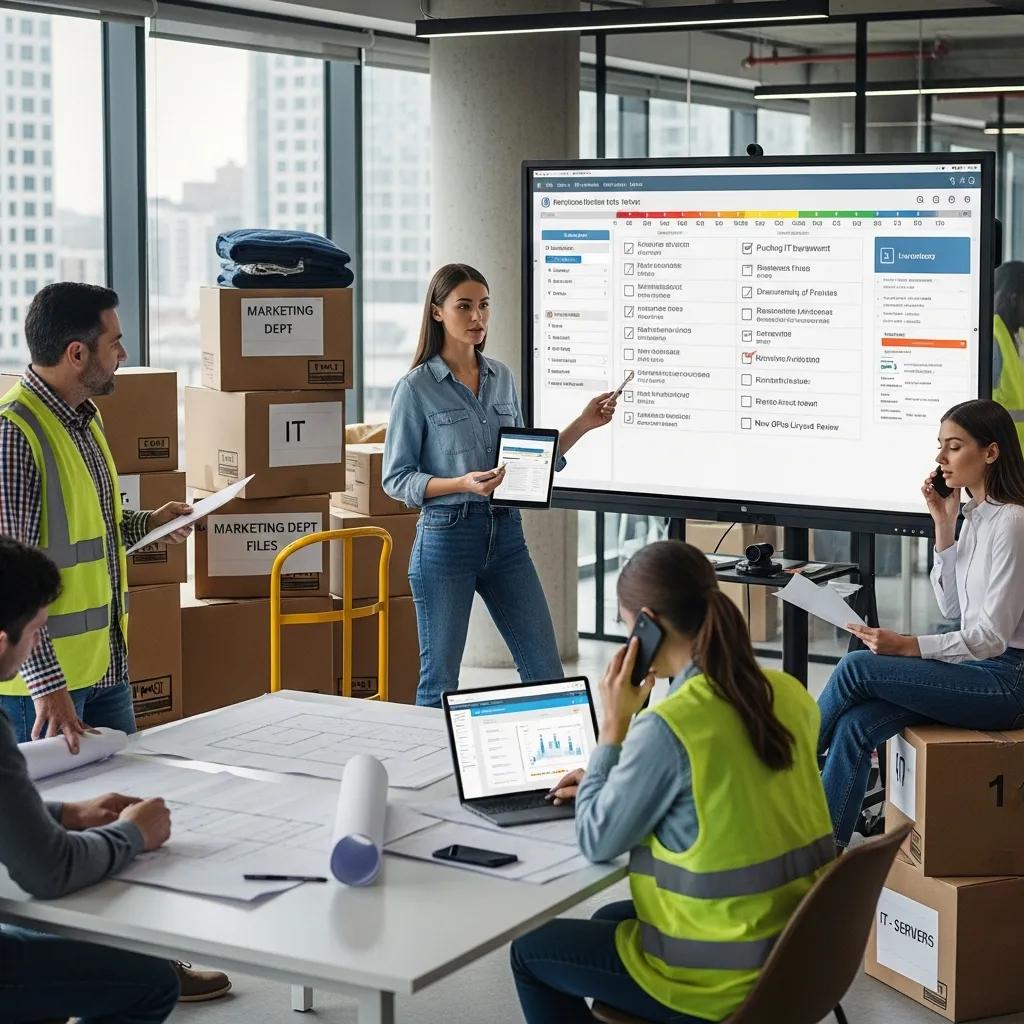
Commercial movers reduce downtime through careful planning, off‑hours work, and efficient, trained crews that complete critical tasks quickly and predictably. Acting as project managers and logistics coordinators, they sequence activities—IT shutdown, equipment crating, staged transports, and onsite setup—so systems are offline only for the shortest necessary windows. The result is fewer billable hours lost, less client disruption, and a faster return to full productivity. Below are the most effective tactics teams use to limit downtime during a commercial relocation.
- Advance scheduling and off‑hours moves to shift heavy work outside core business times and compress downtime.
- Staged or phased relocations that move departments in sequence so critical teams keep operating.
- Dedicated project managers who coordinate IT shutdown/restart, vendor timing, and contingency responses.
These tactics work together: scheduling and staging reduce overlapping interruptions while a project manager keeps each phase on track. That coordination typically cuts total offline hours compared with ad hoc moves. The table below compares common downtime‑reduction tactics and the practical impact they deliver during planning discussions.
This comparison shows why pairing off‑hours work with staging and experienced coordination consistently reduces total downtime versus informal approaches. The next section outlines the planning steps that make those tactics reliable.
Mountain Movers Austin commercial and office moving services focus on minimizing downtime through staged plans and experienced crews. For Austin and Central Texas businesses that need a clear timeline and transparent costs, we can build a tailored operational plan — GET A FREE QUOTE and CALL (737) 230-6190. That plan gives decision‑makers the confidence to commit and the tactical steps to realize the savings above.
What Strategic Planning Ensures Seamless Business Transitions?
Planning starts with a thorough site survey and stakeholder alignment to set priorities, dependencies, and acceptable outage windows. A move plan documents critical assets, sequences tasks by department, and assigns roles—move coordinator, IT lead, and facilities contact—to prevent duplication and delays. Contingencies are built in, with backup timelines and staging areas ready if a phase runs long or equipment needs special handling. A basic checklist covers asset inventory, floorplan mapping, IT shutdown steps, and a phased timeline that reduces risk and gives clear milestones to drive execution.
Advance surveys and stakeholder meetings also reveal hidden constraints—stairs, elevator windows, server room access—that shape timing and resource needs. Clear role assignments and contingency plans lower the odds of surprises and speed recovery, which leads into how reduced downtime boosts productivity and revenue continuity.
How Does Minimizing Downtime Boost Employee Productivity?
Less downtime means employees spend more time on billable work and less time on move logistics. When moves are staged and IT systems are restarted quickly, teams avoid the ripple effects of missed deadlines, postponed client calls, and lost momentum. For example, a marketing team can resume campaigns the next day, or IT can complete a server migration during a planned off‑hours window with rollback plans in place.
Those productivity gains add up: lower lost revenue from delayed client work and reduced internal labor costs tied to the move. The next section covers the asset protection practices that support those productivity benefits.
Why Is Protecting Office Equipment and Assets Crucial with Insured Commercial Moving?
Protecting office equipment and high‑value assets during a move reduces the financial and operational risks of damage, data loss, or theft. Professional movers pair careful handling with insurance verification to mitigate those hazards. Carrier liability often provides basic coverage, but supplemental valuation or third‑party insurance and documented handling practices give stronger protection for servers, workstations, and specialized machinery. Chain‑of‑custody records, custom crating, and climate‑controlled transport are common steps that cut exposure in transit. The table below matches equipment types with typical handling and coverage practices so you can align protection to asset value.
Insured moving services combine physical handling techniques with insurance options to create layered protection based on sensitivity and replacement cost. The comparison below clarifies expectations between standard carrier limits and supplemental protections.
This table shows how matching handling practices to equipment types informs insurance choices and claim documentation. The next subsection explains techniques expert movers use for sensitive IT gear.
Mountain Movers provides insured commercial moving services with documented handling practices for high‑value office equipment. For details on coverage levels or a tailored valuation, contact Mountain Movers — GET A FREE QUOTE and CALL (737) 302-6566. This connects readers who prioritize insured handling to the practical techniques described next.
How Do Expert Movers Handle Sensitive Office Equipment Safely?
Expert movers follow a step‑by‑step process: pre‑move IT inventory and labeling, secure shutdowns and cable mapping, custom crating for servers, and coordination with IT for restart sequencing. Anti‑static materials, climate‑controlled vehicles, and lift teams for heavy racks lower mechanical and electrostatic risk in transit. Movers also keep hardware bags with numbered fasteners and a chain‑of‑custody log showing who handled each item and when. These practices reduce damage risk and speed verification and restart at the destination.
Consistent execution of these steps reduces hardware‑related delays and creates traceable handoffs that simplify insurance claims if needed. The following subsection covers how coverage options differ and what to ask before you sign a contract.
What Insurance and Liability Coverage Safeguards Your Business?
Commercial move insurance typically includes carrier minimum liability—limited per‑pound reimbursement—and optional supplemental valuation or third‑party insurance for higher replacement coverage. Ask movers to confirm carrier limits, explain supplemental valuation options, and provide written coverage and claims procedures before the move. Itemized inventories, pre‑move condition reports, and signed chain‑of‑custody logs are essential to support claims and reduce disputes. Asking about limits, deductibles, and claim timelines helps you pick protection that matches your risk tolerance.
Confirming coverage and documentation ahead of time avoids surprises and speeds recovery if damage occurs. Next we cover how professional packing and setup further reduce friction when reopening.
What Makes Professional Packing and Setup Essential for Efficient Commercial Moves?

Professional packing and setup speed reopening by keeping items organized, labeled, and reinstalled to a planned floorplan so teams don’t waste time hunting for equipment or rebuilding workstations. Systematic packing—color coding, asset tagging, and first‑day kits—prioritizes what needs to be available immediately and cuts unpacking time. Inventory control and staged setup let movers place and reconnect workstations in logical zones, and certified furniture reassembly restores ergonomic layouts. The list below summarizes core packing and setup services that drive faster recovery.
- Systematic labeling and color‑coded zones to guide fast placement and unpacking.
- Asset tagging and inventory control to track equipment and speed IT reconnection.
- Disassembly and certified furniture reassembly to match floorplans and safety standards.
These services reduce errors, avoid repeat trips, lower direct labor costs, and shorten the time for employees to return to full productivity. The table below links service components to their business benefits so you can see the value.
Intro to packing services comparison: Professional packing pairs organization with physical services to accelerate operational turnout; the table that follows shows how each component delivers measurable advantages.
This comparison shows how focused packing and setup shorten return‑to‑work timelines and reduce errors. The next sections dive into specific techniques and reassembly protocols.
Which Packing Techniques Streamline Unpacking and Setup?
Effective packing focuses on clarity and priority: color‑coded boxes by department, pre‑labeled boxes with contents and destination, and critical‑item kits with tools and essentials for day one. Asset tags with unique IDs tie physical items to an inventory list so IT can map devices to users and prioritize network and server connections. Fragile items get custom cushioning and separate handling routes to avoid damage during busy moves. Together, these methods cut the time needed to locate items and restore workflows at the destination.
Consistent labeling and asset tagging reduce confusion and speed IT reconfiguration, which leads into how disassembly and reassembly are handled for furniture and fixtures.
How Are Disassembly and Reassembly Managed for Office Furniture?
Disassembly and reassembly follow documented processes: crews photograph original setups, tag parts, and store fasteners in labeled bags to ensure quick reconstruction. Teams follow sequenced reassembly checklists tied to the destination floorplan so furniture returns to the exact intended spots, and quality checks verify structural integrity and placement. Movers log any damage found during reassembly and offer repair or replacement options per the agreed protection plan. These steps keep the workspace functional and safe as employees return.
Clear documentation and quality checks reduce post‑move adjustments and make for a smoother handoff to facilities or operations teams. That brings us to how movers reduce stress for owners and staff.
How Do Commercial Movers Reduce Stress for Business Owners and Employees?
Commercial movers cut stress by taking operational responsibility: providing a single move coordinator, publishing transparent schedules, and offering turnkey services like packing and disposal so leadership and staff aren’t pulled into logistics. A designated project manager serves as the single point of contact for vendors, IT, and facilities, consolidating decisions and preventing conflicting instructions. Clear communications—pre‑move briefings, daily status updates, and escalation protocols—keep stakeholders informed and calm. The list below captures core project‑management and people‑focused practices that lower stress during relocation.
Recognizing the stress and resistance employees can feel during a move highlights why these professional strategies matter.
Reducing Employee Stress in Office Relocation
This chapter covers the resistance and stress that commonly affect staff during an office relocation and offers guidance for managing employees through the change.
The office relocation sourcebook: A guide to managing staff throughout the move, 1996
- Dedicated Project Manager: One person manages the timeline and decisions so others can keep working.
- Employee Communication Plans: Advance notices, clear role guidance, and day‑of expectations to reduce uncertainty.
- Turnkey Support Services: Packing, setup, and disposal services that remove burdens from staff.
These practices let leadership focus on business continuity instead of logistics. The next subsection outlines project management responsibilities that make that possible.
What Project Management Practices Alleviate Moving Logistics Burden?
Good project management assigns a move coordinator, builds a detailed timeline with milestones, and runs pre‑move briefings to align internal teams and external vendors. The coordinator manages vendor windows, keeps the equipment inventory current, and conducts contingency drills for critical phases like server migration so roles and escalation paths are clear. Regular status updates keep leadership informed, and after‑action reviews capture lessons for future moves. This disciplined approach lowers uncertainty and helps each phase finish on schedule.
With clear responsibilities and communication cadences, the move becomes a managed project rather than an operational crisis, which ties directly to tactics for preserving employee morale during the transition.
How Is Employee Morale Maintained During Office Relocation?
Morale holds up with transparent communication, phased relocations that limit disruption for individuals, and temporary or quiet workspaces so staff can stay productive during busy move windows. Advance notices, FAQs, and clear points of contact reduce anxiety and set realistic expectations about timelines and roles. Offering practical support—packing help for personal desks or straightforward IT reconnection instructions—signals that leadership cares and helps teams focus on their work. These steps protect productivity and keep teams working together through the change.
Preserving morale during a move protects institutional knowledge and client service levels. The final section explains why many local businesses pick a family‑owned mover for this work.
Why Choose Mountain Movers as Your Trusted Commercial Moving Partner in Austin?
Mountain Movers is a local, family‑owned commercial moving partner offering transparent pricing, custom commercial solutions, and coverage across Austin and Central Texas. Our family values show up as personalized attention and flexibility to adapt to unique site constraints, plus clear, up‑front quotes with no hidden fees. Turnkey commercial services include packing, staging, and dedicated project management designed to minimize downtime and keep your operation running. If you want one local partner who aligns with your timeline and budget, reach out — GET A FREE QUOTE and CALL (737) 230-6190.
For quick reference, key differentiators include:
- Personalized project management and local Austin logistics experience to reduce on‑site surprises.
- Transparent, itemized pricing to help stakeholders forecast costs with no hidden fees.
- Turnkey commercial services—packing, setup, and options for phased or off‑hours moves to minimize interruption.
These strengths bring accountability and local knowledge to your move. The sections below offer examples of how family values and tailored services translate into real benefits for Austin and Central Texas businesses.
How Do Family-Owned Values and Transparent Pricing Benefit Your Move?
Family ownership often means a hands‑on approach and direct accountability—useful when you need flexible scheduling and fast problem solving. Transparent pricing—clear quote breakdowns and early discussion of potential extras—helps finance teams compare scenarios and avoid surprise charges. Often the same team that gives the estimate oversees the move, improving continuity and responsiveness on moving day. These advantages reduce friction and create clearer expectations around timeline and cost.
That accountability builds trust and keeps your move running smoothly. Next we outline how tailored solutions serve different local industries.
What Tailored Solutions Serve Austin and Central Texas Businesses?
Tailored solutions include off‑hour moves to avoid traffic and client hours, phased relocations that keep critical teams online, specialized IT coordination for server and telecom transitions, and long‑distance options when interstate moves are required. Different industries benefit from different packages: tech startups often need fast IT reconnection and phased workstation moves, law firms value discrete scheduling and secure handling, and retail operations prioritize minimal downtime during peak sales. Choosing the right package starts with a needs assessment that matches services to your operational priorities and downtime tolerance.
Custom packages aligned to industry needs help businesses find the right balance of speed, protection, and cost. That practical alignment leads to a clear next step for decision‑makers.
Conclusion
Hiring professional commercial movers makes office relocations far more efficient and less risky for Austin businesses. By cutting downtime, protecting valuable assets, and providing experienced project management, movers help you transition smoothly while maintaining productivity and morale. If you want to simplify your next office move, Mountain Movers offers tailored solutions that fit your operations and budget. Contact us today to see how we can help — request a free quote!