

How to Pack Legos for Moving




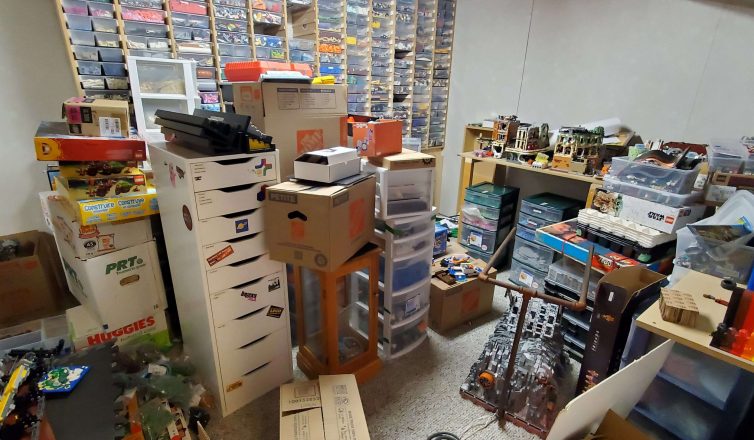
How to Pack Legos for Moving: Practical Tips and Professional Services in Austin

Moving a large LEGO collection comes with its own headaches: thousands of tiny pieces, fragile assemblies, and sets that mean a lot emotionally — and sometimes financially. This guide walks you through the key choices (do you disassemble or move builds intact?), plus straightforward sorting, packing, and labeling workflows that save time and keep sets complete. If you'd rather not do it yourself, Mountain Movers — a family-owned, top-rated moving company serving Central Texas — offers packing services. Request a free quote or call (737) 230-6190. Our message is simple:
Relax — we’ll take care of the packing. Our team carefully packs and secures your items so they arrive safely.
This article explains why careful packing matters, how to choose between disassembly and moving assembled models, step-by-step techniques for both approaches, and how professional packers can cut risk and stress. Use these tips and checklist-style steps to keep your sets intact, protect rare pieces, and make unpacking and reassembly much smoother.
Why Proper LEGO Packing Matters for Your Move
Packing LEGO the right way protects the pieces themselves and the value — sentimental or monetary — of your collection. Good packing prevents missing parts, reduces breakage of delicate elements, and keeps instruction manuals and minifigures in good shape. Some modern or limited-edition sets can appreciate in value, so avoiding scratches, warped baseplates, or crushed sections matters. Staying organized while you pack also makes unpacking faster and lowers stress on moving day.
What Can Go Wrong If You Pack LEGO Poorly?
Poor packing often leads to lost pieces, snapped hinges, or cosmetic damage that lowers a set’s usability and value. Tiny items like minifig accessories or specialty studs can slip into packing gaps and disappear, which makes reassembly slow and frustrating. Thin parts — antennae, flags, or other projections — can break or scratch, and loose instruction booklets can tear or stain. Collectors want complete, well-preserved sets, so investing time in careful packing pays off for both sentimental and resale reasons.
How Proper Packing Protects Your LEGO’s Value
Good packing preserves set completeness, prevents damage, and creates a record you can use for resale or insurance claims. Organized packaging plus a photo inventory helps you keep track of rare pieces and manuals, which keeps market value intact. Protective steps like separating small parts, cushioning fragile areas, and stabilizing baseplates prevent structural failures that make reassembly difficult. These simple precautions save time and money after the move and give you confidence your collection will arrive ready to display or sell.
Should You Disassemble Your LEGO Sets Before Moving?
Whether to disassemble depends on set size, fragility, display priorities, and how much time you have before moving day. Taking sets apart saves space and protects delicate connections but requires a reliable inventory system. Large, sturdy display models can sometimes travel better assembled if you can properly stabilize and crate them — trading packing work for less reassembly later. The table below compares risk, packing time, space efficiency, and reassembly effort for disassembled, assembled, and hybrid approaches to help you choose.
Quick comparison of options so you can pick the approach that fits your collection and timeline.
In short: disassembly wins for space and protection; keeping sets intact saves reassembly time but needs solid stabilization for safe transport.
Pros and Cons of Disassembling LEGO Models

Disassembling lowers volume and makes it easier to protect small or delicate parts, but it requires a disciplined labeling and inventory system. Pros: better use of box space, simpler cushioning for grouped parts, and safer handling for fragile bits when separated into zip-top bags or small containers. Cons: it takes time, you must keep instructions paired with parts, and tiny connectors can get lost if bags aren’t labeled and photographed. For big collections, a hybrid approach — taking apart most sections while leaving sturdy sub-assemblies intact — often balances speed and protection.
When to Keep LEGO Sets Assembled During a Move
Keep sets assembled when a model is large, structurally sturdy, or when disassembly could damage rare parts. If a build forms one solid structure with few fragile projections, stabilizing it in a clear bin or custom crate can be faster and safer than disassembly. If you’re short on time and have professional crating or secure vehicle placement available, leaving display pieces intact makes sense. Look for sturdiness, display importance, and packing support when making the call.
Best Techniques for Packing Disassembled LEGO Pieces
If you disassemble, follow a simple workflow: sort by set or part type, bag small elements, keep instructions with labeled containers, and photograph everything. Sorting cuts reassembly time and prevents parts from getting mixed together, while clear labeling makes unpacking predictable. Use resealable bags for small pieces, clear bins for grouped sub-assemblies, and a master inventory sheet to track bag numbers and set names. Below is a short, practical checklist to follow.
Step-by-step checklist for sorting and packing disassembled pieces.
- Set up a workspace and lay out instruction manuals next to each set.
- Sort parts into resealable bags by bag number, part type, or color.
- Label each bag with the set name and bag number, then photograph the contents.
- Group labeled bags into clear bins or small boxes for transport.
- Keep a master inventory sheet or digital photo list to match bags when unpacking.
These steps make unpacking predictable and cut the time needed to rebuild — which leads to choosing the right materials for the job.
Comparison of common packing materials for disassembled LEGO pieces, focusing on protection, organization, cost, and ease of unpacking.
Mix bags for small parts, bins for complete groupings, and boxes for transport to keep pieces safe, organized, and easy to find.
How to Sort and Organize LEGO Pieces for Moving
Follow a predictable order: prepare, separate, bag, label, and document. Match instructions to each set and organize pieces by bag number or part category so rebuilding follows the original sequence when possible. Store resealable bags inside larger labeled bins to keep related bags together and stop small pieces from shifting during transit. Photograph each bag and its labeled container to build a digital inventory you can check during unpacking.
Which Packing Materials Work Best for Disassembled LEGOs?
Pick materials that balance protection, visibility, and handling: resealable bags for small elements, clear bins for grouped sets, and bubble-lined boxes for heavier or odd-shaped parts. Zip-top bags stop tiny pieces from escaping and are cheap; clear bins let you see contents without opening them. Protect manuals in waterproof sleeves or sealed envelopes. Use permanent markers, pre-printed labels, and numbered tags to keep everything organized for reassembly.
How to Secure Assembled LEGO Models for Safe Transport
Securing assembled models focuses on three things: remove vulnerable components, stabilize and cushion the build, and pick the right packaging and vehicle spot. Bag fragile elements separately, wrap baseplates, and use stretch wrap or custom crates to keep structures rigid. Place models low and flat in the vehicle away from shifting cargo, and use internal supports or foam inserts to relieve stress on connections. The table below shows common protection methods and when to use them.
Quick reference: protection methods, what fragility they handle, and which set sizes they suit best.
This helps you decide between DIY wrapping and professional crating and leads into a simple checklist for protecting fragile parts.
Steps to Protect Fragile Parts on Built LEGO Sets
Start by identifying removable fragile pieces — antennae, flags, or minifig accessories — and bag them with labels for reattachment. Reinforce the build’s base with a rigid board or a cut-to-fit foam sheet to spread stress and avoid pressure points. Add internal supports where you can, like temporary dowels or foam blocks tucked under heavy sections. Photograph the model from multiple angles to document fragile spots and fastening points for reassembly or insurance.
How to Use Wrapping and Cushioning Materials Effectively
Layer your protection: a thin plastic film can hold loose elements, followed by soft cushioning around projections, and finish with an outer layer that prevents abrasion. Use bubble wrap sparingly on delicate parts; fill large voids with foam or crumpled packing to stop shifting. For greener packing, reuse clean plastic bins and repurpose foam inserts when possible. Tape ends securely and avoid compressing the build.
How Professional LEGO Packing Services in Austin Help

Professional packers bring the right materials, experience, and systems to lower risk and save you time. Mountain Movers offers packing services for delicate and valuable items, focusing on stress-free moves, transparent pricing, and careful handling that protects both sentimental and monetary value. Pros can custom-crate large display models, provide photo inventory documentation, and advise whether to disassemble or crate each set. Below are the specific services we offer and how they solve common LEGO packing challenges.
What Specialized Packing Services Does Mountain Movers Offer?
Mountain Movers provides tailored packing for fragile and high-value items; our crew carefully packs and secures your belongings for safe transport. Services include choosing the right packing materials, custom crating for display models, and inventory/photo documentation to keep track of parts and manuals. We emphasize clear pricing and dependable crews so collectors can focus on other moving details while experienced packers handle the logistics and protection strategies LEGO collections need.
How Can Professional Packers Make Your LEGO Move Stress-Free?
The professional process starts with a pre-move consultation to assess your collection, followed by on-site packing using the right mix of bags, bins, cushioning, and custom supports, and ends with secure transport and careful vehicle placement. Professionals know how to stabilize assembled models, pick proper crating materials, and communicate clearly about costs and timelines. Transparent pricing and a documented inventory build trust and help ensure everything arrives complete. For collectors short on time or seeking the lowest risk, hiring pros often means less total effort and better protection.
Common Questions About Moving LEGO Collections
Collectors often ask about labeling, inventorying, and best unpacking and reassembly practices. Clear, repeatable systems cut confusion and get your display back up faster. A consistent labeling format, paired with photos and a master inventory, helps verify contents and simplifies reassembly. Unpack larger stable sets first and use labeled bags to follow instruction sequences. Below are practical labeling and unpacking suggestions to keep things predictable and low-stress.
How Should You Label and Inventory Your LEGO Sets for Moving?
Keep labels simple and consistent: box/bin number, set name, bag numbers included, and a short contents note. Photograph each labeled container for a master inventory. Store instruction manuals in clearly marked envelopes or sleeves and place them with the set’s main bin. Maintain a digital or printed master inventory listing box numbers and set names to speed searches after the move. This reduces misplaced parts and makes verification easy if a box is opened during transit.
- Label example: "Box 3 — Modular Café — bags 1–4 — minifigs + manuals."
- Photo example: take a top-down shot of each labeled bag with its marker visible.
- Inventory tip: track box numbers and set names in a single spreadsheet or printed list.
Following this system keeps unpacking organized and leads to faster reassembly.
Tips for Unpacking and Reassembling LEGO Collections
Unpack by stability and display priority: start with large, intact sets, then move to bagged sections using your photos as a reference. Set up a reassembly area with trays or shallow containers to keep open bags tidy and avoid mixing pieces. Use your inventory photos and labeled bags to follow the original build sequence, and group parts by bag number before attaching sub-assemblies. If you’re short on time, consider professional unpacking services that mirror packing workflows to restore displays quickly and with minimal fuss.
This wrap-up ties packing, labeling, and transport strategies together and gives a clear path to getting your collection back on display. If you want to skip the worry and hand the whole process off, Mountain Movers can pack and transport your collection — request a free quote or call (737) 230-6190 to discuss how we can help.
Conclusion
Packing your LEGO collection carefully preserves both the pieces and what they mean to you, and it makes the move far less stressful. Follow the practical tips here or let the pros handle it — Mountain Movers offers packing services and free quotes to make moving easier. Trusting experienced movers with your collection lets you focus on settling into your new home.