

How to Pack Mirrors for Moving




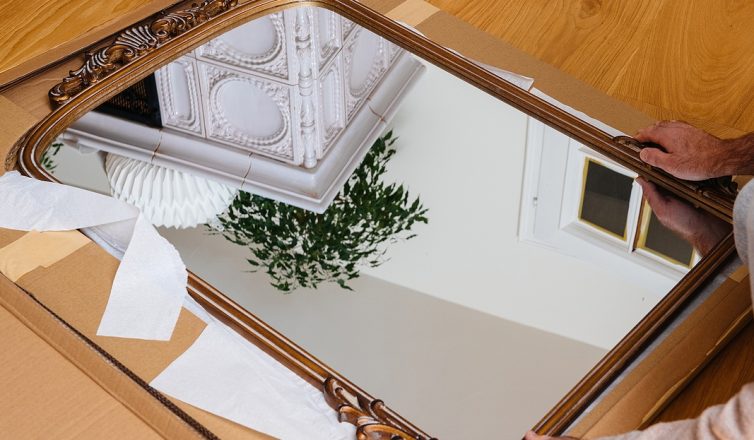
How to Pack Mirrors for Moving — Practical Tips and Pro Services for Safe Transport

Mirrors are some of the trickiest things to move — one hard knock and glass can shatter, frames can split, and safety becomes a concern. This guide walks you through how to pack mirrors properly and when it makes sense to call professional movers for insured handling. You’ll learn why good packing matters, which supplies actually protect glass and frames, and a clear, step‑by‑step routine to prepare, wrap, box, and secure mirrors for transit. We also cover solutions for oversized or oddly shaped mirrors, DIY alternatives when you don’t have a specialty box, and proven loading and handling tips to avoid damage. Use the checklists and quick decision tools here to choose DIY methods or contact a local Austin team — like Mountain Movers — to manage fragile items safely and efficiently.
Why Proper Mirror Packing Matters for a Damage‑Free Move
Packing mirrors the right way cuts the risk of breakage, prevents scratches, and keeps frames from flexing or cracking. A well‑packed mirror soaks up shocks, eliminates pressure points that cause spidering, and travels upright to reduce bending and vibration damage. The best approach pairs rigid containment with layers of cushioning so mirrors stay still and protected in the truck — which lowers repair or replacement costs and reduces claims. The sections below list the common risks and show how each protective step stops them.
A methodical approach to risk — identify, protect, monitor — makes a big difference in preventing damage during moves.
Risk Management Strategies for Safe Mirror Transport
Risk management breaks down into repeatable stages: identify and assess hazards, choose an appropriate control model, then monitor results. These steps can be applied to shared processes while considering strategic limits and objectives.
What Risks Do Mirrors Face During a Move?
Mirrors are vulnerable to a few predictable hazards: direct impact from dropped objects, sideways pressure from shifting cargo, and abrasion from rubbing against other items. One blunt strike can crack the glass; repeated vibration can loosen frame mounts or split antique frames. Changes in humidity and temperature can weaken adhesives or finishes, raising the chance a frame separates. Knowing these risks helps you choose the right protection — corner guards, a rigid box, or full crating — for each mirror.
How Proper Packing Protects Your Mirrors
Good packing protects mirrors by combining shock absorption, immobilization, and a moisture/dust barrier: cushioning layers soften impacts, rigid boxes stop bending, and corner reinforcement shields vulnerable edges. Immobilizing the mirror prevents glass‑to‑glass contact and reduces vibration that leads to tiny fractures. Moving blankets and sealed wrap keep moisture and dirt off frames and hardware. Together, these measures prevent the most common failure modes for mirrors in transit.
Which Materials Work Best for Packing Mirrors?
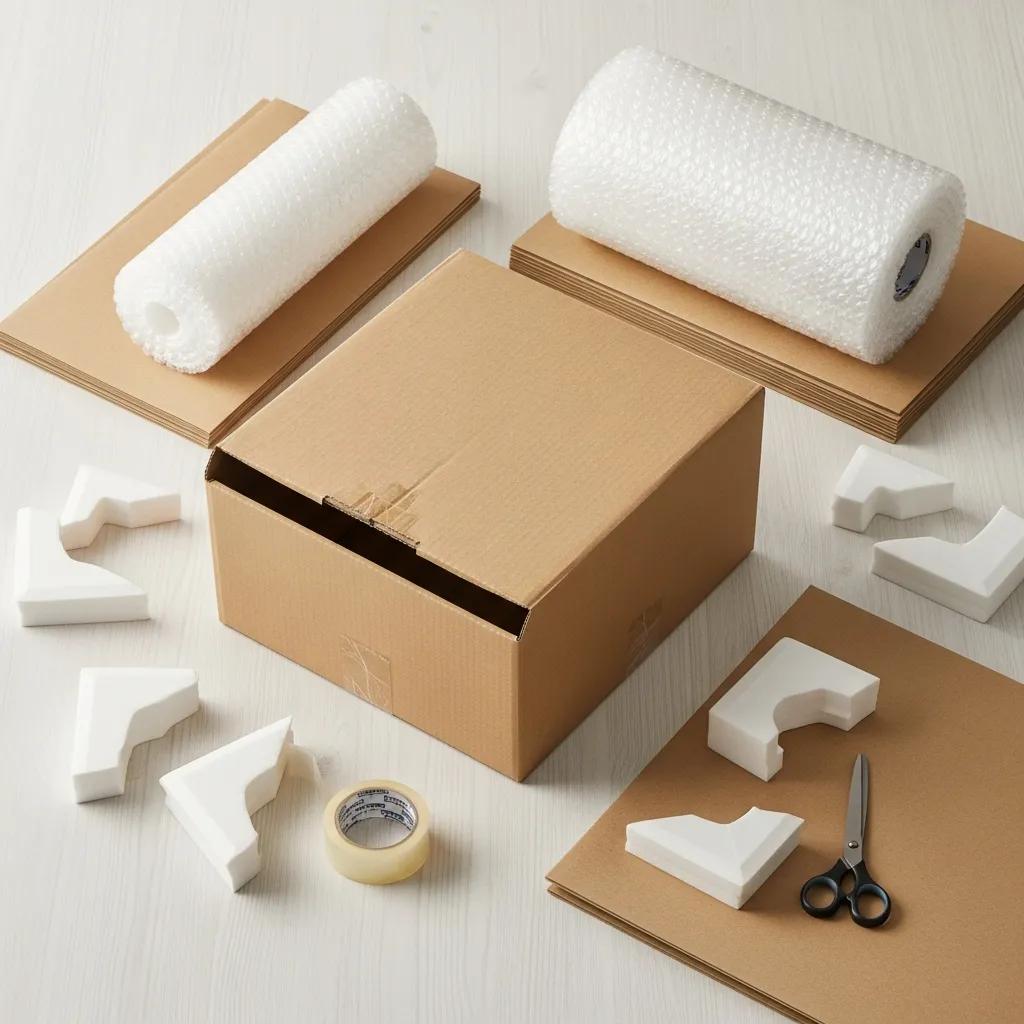
Picking the right supplies is the first step to keeping mirrors intact. For most pieces you want packing paper to stop scratches, bubble wrap for shock absorption, cardboard corner protectors for edge strength, and a sturdy mirror box or crate for structure. Quality tape, stretch wrap, and moving blankets add sealing and surface protection. For large, antique, or high‑value mirrors, opt for specialty mirror boxes or custom crates. Mountain Movers uses these same materials in Austin and can supply or install them as part of a full‑service pack.
Different materials serve specific roles — the table below helps you decide which to use and when.
Bottom line: protect the glass first, reinforce corners next, and give mirrors rigid containment for the best results.
Essential Packing Supplies for Mirror Protection
Must‑have supplies: clean, non‑abrasive packing paper; multiple layers of bubble wrap; rigid corner protectors; an appropriately sized mirror box or crate; strong packing tape; and moving blankets. Start with paper to avoid scratches, then add overlapping bubble layers to absorb shock and prevent pressure points. Corner protectors redirect force away from fragile edges, and a solid box or crate keeps mirrors from flexing or being crushed by shifting cargo.
Key dos and don'ts:
- Do use clean, acid‑free packing paper on the glass to avoid residue.
- Do use at least two layers of bubble wrap for small mirrors and three for larger pieces.
- Don't attach duct tape or other strong adhesives directly to the glass.
Investing in double‑walled boxes and thicker bubble wrap pays off — better protection means fewer damage claims. The next section explains how to pick the right box size.
How to Choose the Right Mirror Moving Box
Measure your mirror’s height, width, and frame depth and add 2–4 inches for padding and corner protectors. Standard single‑piece mirror boxes work for most small‑to‑medium mirrors; for large, antique, or irreplaceable pieces choose double‑walled boxes or a custom wooden crate. When in doubt, crate it — custom crating adds stability, makes handling easier, and supports insurance claims for valuable items.
Step‑by‑Step Process to Pack a Mirror for Moving
Packing a mirror follows a simple order: prep the surface and hardware, protect the glass, reinforce edges and frame, box or crate the mirror, then label and document the packed item. Each step targets a specific risk — cleaning removes grit, wrapping prevents scratches and absorbs shocks, and solid boxing immobilizes the item in transit. Work methodically and photograph the condition before and after packing to support any insurance claims. The short checklist below summarizes the main actions covered in the detailed steps that follow.
- Prepare and remove hanging hardware before packing.
- Wrap surfaces with packing paper, bubble wrap, and blankets.
- Reinforce corners and place the mirror in a sturdy box or crate.
- Immobilize, seal, label, and photograph the packed mirror.
The table below matches tools to actions and highlights safety tips for each phase.
Following this checklist is usually enough for safe local moves; professional packers can do the same steps faster and with insurance backing. Mountain Movers in Austin offers full‑service packing using these methods and can provide a free quote if you prefer a hands‑off option.
Prepare and Protect Mirror Surfaces Before Packing
Start by gently cleaning the mirror with a soft cloth to remove dust and fingerprints, then dry it completely so moisture isn’t trapped. Secure or remove hanging hardware and pack small parts separately in labeled bags to prevent scratches. Only use painter’s tape on the glass (for an “X” or to hold cracked pieces) if recommended — avoid strong adhesives that can damage finishes. Good prep reduces scratches, keeps frames steady, and makes wrapping faster and safer.
Wrap and Cushion Mirrors Effectively
First wrap the glass in packing paper to prevent abrasion, then add overlapping layers of bubble wrap with the bubbles facing outward for better shock absorption. Finish with a moving blanket for extra protection. Use two layers of bubble wrap for small framed mirrors and three or more for large or antique pieces; add foam panels where appropriate. Put corner protectors on before the final blanket, and secure layers with tape applied to the wrap — not the glass. Use stretch wrap over blankets to keep padding from shifting during transit.
Secure Mirrors Inside Boxes for Safe Transport
Immobilize mirrors inside the box by filling gaps with crumpled packing paper, foam blocks, or custom inserts so nothing moves. Reinforce box seams with heavy‑duty tape and add external banding or straps for big packages or long trips. Clearly mark boxes with instructions like “FRAGILE” and “THIS SIDE UP,” and include photos inside and outside the box to document condition. Proper internal bracing and documentation reduce damage risk and make claims easier if anything does go wrong.
Packing Large Mirrors and Mirrors Without Specialty Boxes
Large mirrors or those without a dedicated box need crating, palletizing, or strong DIY alternatives that emphasize rigidity and upright support to prevent flexing. For oversized pieces, a wooden crate with internal bracing is the safest option — it prevents bending and provides secure anchor points for straps. If you don’t have a mirror box, build a cardboard “sandwich” with two rigid sheets, corner bracing, and internal padding, then wrap with moving blankets and stretch wrap for short moves. The sections below outline professional crating basics and stepwise DIY options for safe handling.
Best Techniques for Packing Oversized Mirrors
Professional crating for oversized mirrors uses plywood panels, foam supports, and edge cleats to eliminate flex and absorb shocks during loading and transit. Crates often include skids or a pallet base to make forklift or dolly handling easier and to keep the mirror upright — the safest transport orientation. For long‑distance moves, palletizing and strapping the crate secures it to the truck and integrates with restraint systems for added safety.
Packing Mirrors Without a Mirror Box
If you don’t have a mirror box, make a rigid cardboard sandwich from two sheets of double‑wall cardboard, add corner protectors, and fill the cavity with layered padding like foam and bubble wrap. Wrap the outside with moving blankets and stretch wrap, then reinforce the assembly with wooden cleats or ratchet straps so it doesn’t flex during handling. Load the wrapped sandwich upright against a flat surface and strap or wedge it to keep it from tipping. This DIY approach works for short local moves but isn’t ideal for long distances or high‑value mirrors — in those cases, professional crating is safer.
How to Transport Packed Mirrors Safely

Safe transport depends on correct positioning, solid bracing, and clear instructions to movers so mirrors stay upright and away from heavy or shifting items. Upright placement against a padded wall is key — flat stacking increases the risk of bending and breakage. Use truck anchor points, straps, or vertical racks to secure mirrors, and place padding between adjacent items to avoid contact. The checklist below covers loading best practices.
Loading best practices for mirrors:
- Load mirrors vertically against a padded wall or upright rack — never flat under heavy items.
- Secure mirrors with straps to anchor points or an E‑track system to stop tipping.
- Keep mirrors away from heavy furniture and use padding on both sides.
Best Practices for Loading Mirrors in Moving Trucks
Place mirrors upright on a flat, padded surface near an anchor point so they resist lateral forces and flexing. Use straps or ratchet systems to secure them to the truck wall or E‑track and add wedges or blocking at the base to stop movement. Don’t stack items against the face of the mirror — use lightweight padding between upright pieces instead. Clear, visible labels and simple handling instructions improve compliance and reduce accidental mishandling.
Handling Mirrors to Prevent Damage
Always use at least two people for medium and larger mirrors. Lift with controlled motions, keep hands on the frame, and carry the mirror vertically. Use mirror dollies or padded panel carts when available to reduce drop risk and strain. Wear gloves for a better grip, keep the path clear, and avoid twisting or sudden turns that can stress frames or mounts. These practices protect both people and the mirror during moves.
When to Hire Professional Mirror Packing Services in Austin
Call in professionals for large, antique, or high‑value mirrors, for long‑distance moves, or if you don’t have the time, tools, or confidence to pack them safely. Professionals bring trained crews, efficient packing sequences, and specialty materials and crating options that most DIYers can’t match — which lowers damage risk and claim rates. If you live in Austin and want a hands‑off option or insured packing, request a free quote from a local company. The table below compares DIY and pro choices so you can match your project to your budget, schedule, and risk tolerance.
This comparison helps you choose what balances time, cost, and peace of mind. For items where value or complexity is high, professional packing is often the smarter choice.
Why Choose Mountain Movers for Mirror Packing?
Mountain Movers is an Austin‑based moving team that focuses on clear pricing, dependable crews, and full‑service packing that treats your belongings like they matter — because they do. Our packers use professional materials and proven methods — from double‑walled boxes and corner reinforcement to custom crating for oversized mirrors — to lower the chance of damage and simplify handling during loading. Hiring professionals speeds the process, gives you insured protection for fragile items, and frees you from the time and heavy lifting. For Central Texas homeowners with bulky or valuable mirrors, that expertise often translates to fewer claims and smoother moves.
How to Get a Free Quote for Mirror Packing in Austin
To get an accurate free quote, have the basics ready: mirror dimensions, the number of mirrors, whether pieces are framed or antique, the move date, and pickup and delivery addresses. Photos help remote estimates — and for complex or high‑value items we can schedule an in‑home or virtual survey to size up crating needs. Request a free quote through the mover’s contact options and be ready to discuss insurance, packing scope, and timing so the estimator can give a clear price. With that info, a pro can recommend full‑service packing or targeted protection that fits your needs.
Conclusion
Packing mirrors well protects both your investment and your peace of mind. Use the right materials and follow the steps above to keep mirrors intact through a move. If you’d rather skip the hassle, Mountain Movers offers professional packing services tailored to fragile items — request a free quote and let our team handle the rest for a stress‑free move.