

How to Pack Pillows for Moving: Tips for Maximum Protection




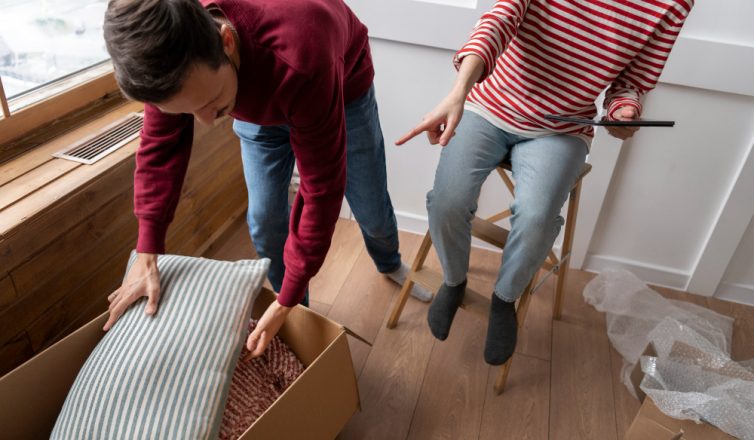
How to Pack Pillows for Moving — Practical Steps to Keep Them Safe and Stress-Free
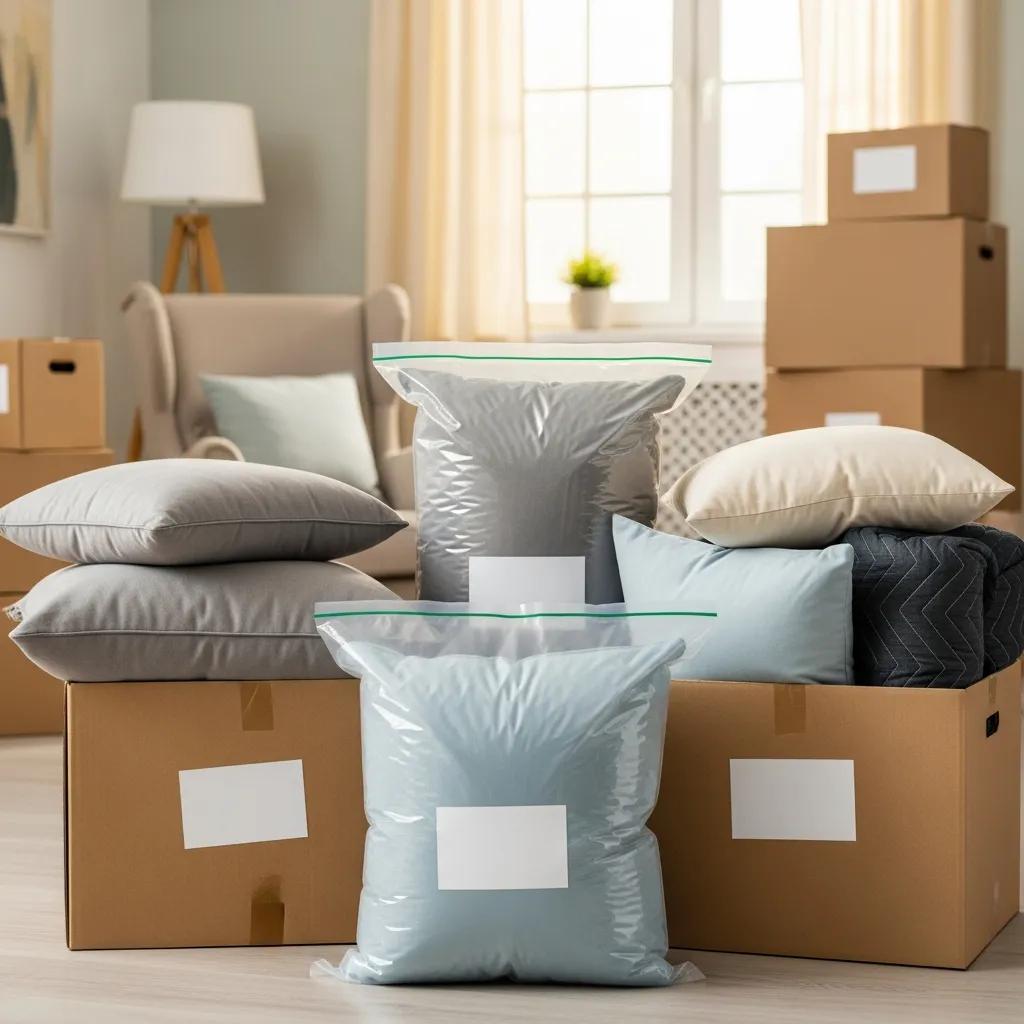
Packing pillows the right way keeps them clean, holds their shape, and saves space on moving day. This guide walks you through the most reliable methods — from vacuum sealing and heavy-duty plastic to boxing and using furniture drawers — so you can block moisture, dirt, and crushing. You’ll get clear DIY steps, tips for memory foam, down, and decorative pillows, and advice on when hiring professionals makes sense to avoid replacement costs and extra hassle. If you'd rather leave it to the pros, Mountain Movers in Austin and Central Texas offers expert packing services and free quotes — call (737) 230-6190 for a no-pressure estimate. Below we also list useful supplies, hiring criteria, and simple unpacking steps to restore loft and freshness fast.
Why Proper Pillow Packing Matters When You Move
Packing pillows properly prevents dirt, preserves shape, and cuts replacement costs by reducing damage during transit. Good packing blocks common threats — dust, moisture, and compression — and helps pillows keep their loft and comfort after the move. Protecting your pillows also preserves sleep quality and the value of nicer bedding, which adds up to long-term savings. The next sections break down the risks pillows face and how the right packing choices address each one so you can pick the best approach for your pillow types and moving timeline.
What Risks Do Pillows Face During Moving?
Pillows can pick up dirt, get damp, be flattened, tear on sharp edges, or develop odors and mildew if stored wrong. Dust soils covers and can work into fillings; moisture — especially in humid weather — causes mildew in sealed containers. Compression can permanently damage memory foam and flatten other fills, while friction against boxes can cause snags and tears. Simple steps — like using waterproof barriers, padding, and avoiding prolonged compression — cut these risks and make the packing methods that follow more effective.
Common moving threats to pillows and quick prevention:
- Dust and dirt — keep pillows in sealed bags or boxes.
- Moisture and humidity — add moisture barriers and desiccant packets.
- Compression damage — don’t use long-term vacuum compression on sensitive fills.
- Tears and snags — wrap pillows in soft layers or use fabric bags.
How Does Proper Packing Preserve Pillow Comfort and Value?
The right packing protects loft, prevents odors and mildew, and extends a pillow’s useful life by reducing physical and environmental stress. Breathable covers suit down, sealed bags work for many synthetics, and boxes protect memory foam — each choice safeguards the fill and the cover that deliver comfort. A well-packed pillow is less likely to need replacing, so you keep the comfort you already paid for. Understanding how packing method affects structure and comfort helps you prioritize which pillows need the most care; the next section shows step-by-step DIY options.
Best DIY Methods to Pack Pillows for Moving

Good DIY packing balances protection, space savings, and the pillow’s sensitivity. Vacuum-seal bags save room and keep out dust and moisture but can harm memory foam. Heavy-duty plastic bags are budget-friendly moisture barriers but offer limited crush protection. Sturdy boxes give structure and reduce crushing when you add padding, and furniture drawers can work as improvised containers if they’re lined and secured. Below are easy, practical steps for vacuum sealing and boxing, plus a comparison to help you pick the right method for each pillow.
Quick vacuum-seal steps for most synthetic and down-alternative pillows:
- Wash and dry the pillow (or cover) completely to prevent mildew.
- Place the pillow flat in a quality vacuum-seal bag without overstuffing.
- Seal per the bag instructions and remove air in short, even bursts with a vacuum.
- Label the bag and don’t stack heavy items on compressed pillows during transport.
Vacuum sealing saves space and shields pillows from dust and moisture — but avoid it for memory foam and don’t leave sensitive fills compressed for long periods.
Different DIY packing options trade space efficiency for fill protection; the table below helps you weigh those trade-offs.
Different DIY packing methods balance space efficiency with fill protection.
How to Use Vacuum Seal Bags for Space-Saving and Protection?
Vacuum-seal bags cut volume and block dust and moisture by removing air, but they need careful prep and time limits to avoid damaging fills. Wash and dry pillows or covers first — any trapped dampness will cause mildew. Use rated vacuum bags without overfilling, follow sealing instructions, and pull air out in short bursts to protect seams. Reserve vacuum sealing for synthetics and down-alternatives, and avoid compressing memory foam or delicate feather fills for long stretches so loft and resilience remain intact.
Pros and cons at a glance:
- Advantages: Big space savings, clean transport, easy to label.
- Limitations: Can harm long-term fill recovery; not for memory foam.
- Best use: Short-to-medium moves with synthetic or washable pillows.
These precautions help your vacuum-sealed pillows arrive compact and clean without compromising structure.
Pros and Cons of Plastic Bags, Boxes, and Furniture Drawers
Choosing between heavy-duty plastic, boxes, and drawers comes down to cost, protection, and how items will be handled. Thick plastic is cheap and water-resistant for short runs but can tear and won’t stop crushing. Boxes give rigid protection when lined with cushioning but take more room. Drawers can work for short moves if you secure and pad them. Think about how movers will stack items, what else is in the truck, and transit time when deciding which container fits each pillow.
Practical recommendations:
- Use boxes for memory foam and valuable decorative pillows.
- Use thick plastic bags for short local moves, with cushioning inside.
- Use furniture drawers only when you can stabilize and protect the contents.
Often a mixed approach works best: box fragile or expensive pillows and vacuum-seal or bag bulkier, less sensitive pillows to save space.
How to Pack Different Pillow Types for the Best Care
Pillow materials need different handling: memory foam dislikes compression, down needs airflow, synthetics tolerate squeezing, and decorative pillows need surface protection. Matching the method to the material preserves comfort and avoids avoidable replacements. The table below gives clear recommendations and cautions per pillow type, followed by detailed tips for memory foam, down, and decorative pillows.
Type-specific packing guidance helps prevent permanent damage and keeps sleep quality intact after the move.
Special Care for Memory Foam Pillows
Memory foam relies on open cells and bounce-back, so too much compression or heat can permanently reduce loft. Don’t vacuum seal memory foam. Instead, use a large, sturdy box or a breathable fabric bag so the foam stays uncompressed and ventilated. Add soft padding around edges to prevent movement, mark the box fragile, and avoid heavy stacking to preserve the foam’s structure so pillows recover shape quickly once unpacked.
These rules naturally lead into handling tips for down, feather, and decorative pillows, which need different balances of breathability and protection.
How to Pack Down, Feather, and Decorative Pillows Safely
Down and feather pillows need breathable protection to avoid crushed loft and trapped moisture; decorative pillows need surface protection for fabrics and trim. Use cotton or canvas covers for down and feather, then place them loosely in boxes or breathable bags for medium-length moves — avoid airtight compression. For decorative pillows, wrap each in a pillowcase or soft tissue, protect corners with bubble wrap if needed, and put them in a shallow box filled to prevent shifting. These steps protect both filling and fabric so pillows arrive ready to use or need only light restoration.
Material-specific precautions help each pillow type arrive in the best possible condition.
When to Choose Professional Pillow Packing Services

Professional pillow packing pays off when you’re short on time, moving high-value bedding, coordinating a large move, or transporting delicate items that need specialty materials and experience. Pros bring the right supplies, know which methods suit each pillow type, and work efficiently to cut your prep time. Hiring professionals lowers the risk of damage and replacement costs and lets you focus on other move-day tasks. Below we outline how a local team like Mountain Movers can help in Austin and Central Texas.
Why Hire Mountain Movers for Pillow Packing?
Mountain Movers offers local packing services in Austin and Central Texas with attention to detail and the right materials for each pillow type. Their crews come stocked with boxes, breathable covers, cushioning, and moisture barriers and use packing methods that reduce compression and dampness risks. Working with a local, family-run company simplifies coordination on moving day and comes with transparent pricing and a focus on stress-free service — call (737) 230-6190 for a free quote to learn about packing options. Professional packing is especially helpful for fragile decorative pillows, premium bedding, or when you simply want the job done right and quickly.
This explains the practical advantages of outsourcing packing when DIY might risk damage or take too much time.
How Professional Packing Saves Time, Cuts Stress, and Protects Pillows
Experienced packers speed up preparation with trained teams and ready supplies, which shortens packing time and reduces the mental load on you. Technicians know which materials fit each pillow type, how to label and stack items safely, and how to secure bedding in the truck to prevent shifting and crushing. The result: fewer damaged items, fewer replacements, and a more predictable moving day — often worth the cost for large or complex moves. When time, pillow value, or humidity risk is high, professional packing gives clear protection and efficiency advantages over DIY.
Once you decide between DIY or professional help, the next section lists essential supplies and tips so you can execute either option well.
Essential Packing Supplies to Protect Pillows During a Move
A short list of good-quality supplies covers most pillow protection needs: vacuum-seal bags for compressible synthetics, heavy-duty plastic as a moisture barrier, sturdy boxes with padding for structure, packing paper or bubble wrap for cushioning, and breathable covers for down and decorative pillows. Choosing the right plastic gauge, a reliable vacuum bag, and the proper box grade ensures durability during stacking and transit. Also consider silica gel packets and clear labeling to prevent mildew and make unpacking easier. The list and table below show core supplies and when to use them.
Core supplies for protecting pillows during a move:
- Vacuum seal bags (for compressible synthetics)
- Heavy-duty plastic or contractor bags (as moisture barriers)
- Sturdy corrugated boxes with packing paper or bubble wrap
- Breathable fabric covers and soft inner wraps for delicate fills
- Silica gel packets, labels, and strong tape for sealing and ID
Which supplies you buy depends on which pillows you want to protect most and how long they’ll be in transit.
Which Materials Work Best for Cushioning and Moisture Protection?
Cushioning and moisture protection serve different jobs: packing paper and bubble wrap stop abrasion and movement, while heavy plastic and vacuum bags keep moisture and dust out. Bubble wrap protects trims and corners; crumpled packing paper fills empty space and stabilizes boxes. For humid moves, use thick plastic or sealed vacuum bags plus silica gel packets. Always start with dry pillows — trapping moisture is the main cause of mildew. Match cushioning thickness to how fragile the pillow is to give the right level of protection.
Picking the right mix of cushioning and moisture barriers protects both fabric surfaces and internal fills from transit hazards.
How to Choose Quality Packing Supplies for Different Pillow Types
Select supplies based on bag gauge, box grade, and padding thickness relative to pillow value and sensitivity: higher box grades for heavy stacking and thicker bags for long-distance or humid moves. For vacuum bags, choose heavy-duty seals and puncture-resistant material; for boxes, use double-walled corrugated options for memory foam and prized decorative pillows. For breathable protection, use cotton or canvas covers rather than thin plastic with down or feather fills. These rules reduce tears, compression damage, and moisture issues while matching your spending to the replacement cost of each pillow.
Following these selection tips helps you protect what matters most without overspending on low-risk items.
How to Unpack and Restore Pillows After Your Move
Unpacking starts with airing, gentle fluffing, and inspection so pillows regain loft and freshness. Remove plastic and covers in a dry, ventilated room and give pillows time to breathe; memory foam may need several hours to a day to return to shape. For down and feather pillows, shake and air them in indirect sunlight or a shaded, ventilated spot to redistribute fill and remove minor odors. The checklist below gives simple restoration steps so pillows are ready to use quickly.
Post-move restoration checklist:
- Unpack in a dry, ventilated room and remove all plastic seals.
- Fluff by hand and let pillows rest flat to regain loft.
- Air out for several hours; use indirect sunlight for feather/down if safe for the fabric.
- Spot-clean or launder covers as needed before returning to regular use.
These steps reduce long-term damage and help your pillows feel fresh in their new home.
Best Practices to Fluff and Air Out Pillows
Fluffing and airing varies by pillow type: memory foam should be unwrapped and allowed to return to room temperature without aggressive squeezing, while down and synthetics benefit from repeated manual fluffing and short airing sessions. For memory foam, remove seals and lay the pillow flat in a low-humidity room to let cells recover; avoid direct heat. For down and feather pillows, take them outside to a shaded, breezy spot for a few hours and shake periodically to redistribute fill. Gentle handling during this phase helps pillows regain comfort without stressing seams or fabric.
Following these practices prepares pillows for everyday use and reduces lingering odors or flattening.
How to Keep Pillow Shape and Freshness Long-Term
Keep pillows in shape with weekly fluffing, pillow protectors during everyday use, and seasonal storage in breathable containers. Use protectors to block oils and sweat, rotate pillows regularly for even wear, and wash covers per manufacturer instructions. For long-term storage, breathable bags and silica gel packets keep items dry without compressing fills. Regular care extends pillow life and keeps them comfortable after the disruption of moving.
Simple, consistent care after your move preserves the benefits of careful packing and restores sleep quality faster.
Conclusion
Packing pillows right protects their shape, keeps them clean, and makes settling into your new home easier. Use the methods and supplies that match each pillow’s material and your move’s length to avoid damage and save space. If you’d like professional help, Mountain Movers offers tailored packing services in Austin and Central Texas — reach out for a free quote and make your move smoother from start to finish.