

How to Pack Records for Moving: Expert Tips for Safe Transport




How to Pack Records for Moving: Expert Tips for Safe Transport of Your Vinyl Collection

Your vinyl collection is more than discs — it’s hours of listening, careful curation, and often real sentimental or monetary value. Moving records calls for more care than tossing books into a box. This guide walks you through why vinyl needs special handling, which materials and boxes work best, and a clear step-by-step process to reduce scratches, ring wear, and warping. You’ll get practical cleaning tips, the right way to pack records upright, and loading and temperature strategies for both short and long moves. Along the way we’ll note when it makes sense to hire pros for fragile or large collections. Read on for short lists, quick-reference tables, and numbered steps built for a safe, low-stress move.
If you’re local to Central Texas and want an expert hand, Mountain Movers is a family-owned moving company that offers specialty packing for items like vinyl. We focus on transparent pricing and careful handling. Below you’ll find DIY best practices and the points to consider when deciding whether professional help is the right choice.
Why Do Vinyl Records Require Special Care During a Move?
Vinyl albums are thin polymer discs inside paper or cardboard sleeves, and that makes them vulnerable to pressure, abrasions, and heat. Because vinyl softens with heat and scratches easily from dust and friction, common moving mistakes — like stacking records flat or stuffing them into generic boxes — can cause irreversible damage. Poor handling leads to warping, extra surface noise, torn sleeves, and reduced resale or listening quality. Knowing these risks helps you pick the right materials and techniques to protect sound and cover condition during transit.
What Risks Can Damage Vinyl Records During Moving?
Surface scratches happen when dust and friction wear the grooves, so limiting contact and using anti-static inner sleeves helps. Ring wear and seam damage come from lateral movement inside a box; firm vertical packing and dividers stop jackets from rubbing against the disc edge. Breakage and crushed corners are possible when boxes are overfilled or dropped, especially if records are stacked flat or mixed with heavy items — keeping LPs upright and limiting box weight reduces that risk. In Central Texas, summer heat also increases warping risk, which we cover next.
How Does Temperature and Handling Affect Record Safety?
Vinyl starts to lose dimensional stability after prolonged exposure to roughly 125°F (52°C); direct sun or a hot truck can soften discs and cause permanent warps. Handle records so they’re not stacked flat, avoid exposing boxes to direct sun during loading, and never put heavy objects on top of record boxes. For warm-weather moves, load and transport records in shaded, ventilated, or climate-controlled conditions and try to avoid midday loading when truck interiors get hottest. These precautions lead into choosing the right packing materials for the job.
What Are the Essential Packing Materials for Vinyl Records?

The right combination of boxes, sleeves, and cushioning is the biggest factor in preventing damage. Use materials that address the three main threats — abrasion, pressure, and environment — by pairing anti-static inner sleeves, protective outer sleeves, and sturdy double-walled record boxes. Pick acid-free and anti-static options when possible, reinforce box bottoms and seams, and have labels and tape ready so boxes stay upright and easy to identify. The quick-reference table below compares common packing items so you can prioritize what to buy.
A short rundown of the most useful supplies helps you assemble a simple kit for a safe move.
Combining structural support, electrostatic protection, and external jacket protection gives the best results. Below we break down box choices and sleeve options in more detail.
Which boxes and sleeves you choose will affect your packing method and how many records a box should safely hold.
Which Boxes Are Best for Moving Vinyl Records?
Record-specific double-walled corrugated boxes give the right fit and side strength that generic boxes lack, and they help prevent lateral movement that causes ring wear. Keep box weight manageable — aim for under 30 pounds (13.6 kg) per box — and spread large collections across multiple boxes to avoid compression and strain. Reinforce bottoms with heavy-duty tape, protect corners, and consider cardboard dividers for mixed loads. For DIY reinforcement, fold extra corrugated sheets into the bottom and tape thoroughly to avoid seam failure during transport.
Properly packed boxes stay stable during loading, which leads into the next section on sleeves and wrapping for direct disc protection.
What Protective Sleeves and Wrapping Materials Should You Use?
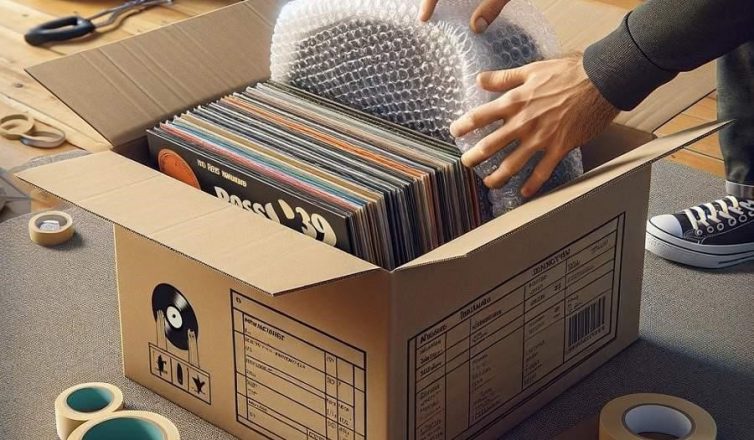
Anti-static inner sleeves are your first line of defense against dust and groove abrasion, while acid-free outer sleeves protect album jackets from scuffs and moisture. For high-value pressings, add a layer of bubble wrap around the jacket and consider placing the wrapped record in its own small box or padded mailer to isolate it from lateral pressure. Avoid PVC sleeves (they can react with jackets over time); choose polyethylene or rice-paper inner sleeves and clear polypropylene outer sleeves for best results. These choices cut static, stop sleeve migration, and help preserve archival integrity during the move.
Choosing the right sleeves ties directly to the packing sequence below so each record gets the protection it needs.
How to Pack Vinyl Records Step-by-Step for Moving?
A simple, consistent sequence prevents common mistakes — cleaning, sleeving, cataloging, upright packing, and labeling form the backbone of a reliable process. Prepare records and sleeves first, pack upright like books with labels visible, fill gaps to stop lateral movement, and finish with clear labels and fragile markings. The numbered how-to below is optimized for quick reference so you can follow each step before and during your move. The checklist table that follows helps match protection to record condition and value.
Use this roadmap to move from preparation to sealed, labeled boxes that stand up to handling and transport.
This chart shows how protection scales with value and leads into the cleaning and packing steps below.
How Should You Prepare and Clean Records Before Packing?
Start with a soft anti-static brush to remove loose dust, then use a microfiber cloth and a record-cleaning solution made for vinyl to lift embedded particles. Avoid household detergents or abrasive cloths. Inspect inner sleeves and replace any that are torn so the disc sits snugly without rubbing. Photograph or inventory high-value records for insurance before packing. Clean one record at a time and let surfaces dry fully before sleeving. Proper cleaning lowers noise and reduces the chance that grit will damage grooves during transit.
With clean, sleeved records ready, the next step is packing upright and filling gaps to prevent movement inside the box.
What Is the Correct Way to Pack Records Vertically and Securely?
Pack records upright with spines or labels facing out so you can identify contents without opening the box. Put heavier jackets toward the bottom for balance, and use lightweight foam or corrugated fillers to remove lateral play. Don’t overload boxes — keep them liftable and compressively stable. Tape bottoms and seams well, mark boxes "FRAGILE — RECORDS" and add an arrow for orientation so movers know to keep them upright. These habits reduce pressure points, protect jacket shape, and make unpacking easier.
Storing records vertically is a widely accepted best practice for preserving vinyl integrity.
Vertical Storage Prevents Vinyl Warping and Damage
Discs are traditionally stored vertically to prevent warping and to prevent stacking too much weight on the bottom discs, which can cause damage.
Proper packing leads into vehicle placement and transport choices that further protect your collection.
How Should You Handle and Transport Your Record Collection Safely?
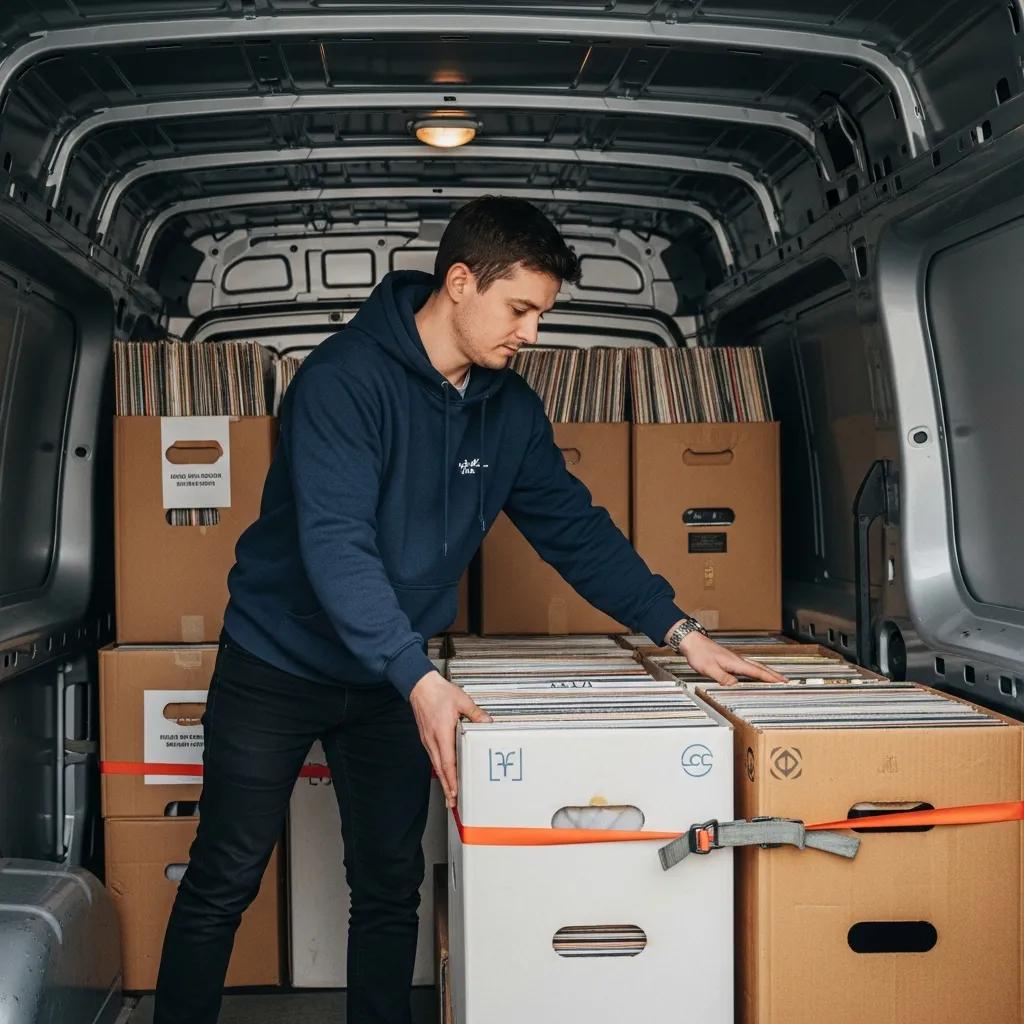
Loading order, placement inside the vehicle, temperature control, and how boxes are handled all affect whether your records arrive undamaged. Load record boxes last so they sit on top of other items and avoid compression. Place boxes upright against stable surfaces and secure them with straps or bracing to stop lateral shifting. For long-distance moves or extreme weather, consider climate-controlled transport to keep vinyl below critical temperatures and reduce warping risk. These choices help you weigh convenience against safety and decide whether DIY or professional transport suits your collection.
Remember: professional movers can offer climate-controlled vehicles and specialized handling, which matters for high-value or long trips.
Use the transport comparison table below to choose the option that fits your budget and risk tolerance.
Climate control and secure placement significantly reduce warping and damage risks. Below are specific loading and temperature tips.
What Are Best Practices for Loading and Avoiding Damage During Transport?
Load record boxes last and place them on a flat, stable surface where they’ll stay upright and braced. Use straps, cargo nets, or tie-downs to prevent lateral shifting, and don’t put heavy furniture or appliances on top of record boxes. If stacking is unavoidable, keep stacks low and use rigid boards between layers to distribute weight — but whenever possible keep record boxes on top. These steps make a measurable difference in transit safety.
How Can You Prevent Warping and Temperature Damage in Transit?
Keep records below high-risk temperatures by avoiding midday loading, parking in shade, and using climate-controlled cabins or truck compartments when possible. Insulating with thick blankets inside trailers can moderate rapid temperature swings, and inspect boxes on arrival for early signs of warping or moisture so you can act quickly. For long moves or hot months, prioritize climate-controlled transport or schedule moves during cooler parts of the day. These measures complement good packing and can justify professional service for valuable collections.
Why Choose Professional Record Packing Services Like Mountain Movers?
Professional packing adds value through trained handling, specialty materials, and logistics know-how — all of which reduce the handling your collection sees. When a collection is large, valuable, or you’re short on time, a specialist team can provide consistent packing, insured transport, and peace of mind. Mountain Movers is a family-owned Central Texas mover that emphasizes transparent pricing and careful handling. Below are concise reasons to consider professional help when the stakes are high.
What Makes Mountain Movers Experts in Packing Vinyl Records?
Mountain Movers is a family-owned moving company based in Austin offering local and long-distance moving and packing services, with an emphasis on personalized attention and careful handling of specialty items. We give clear upfront quotes with no hidden fees and send trained crews that follow packing best practices for fragile objects. Serving Central Texas, we offer insured, turnkey solutions for collectors who want to minimize personal handling and logistical hassle.
Professional services also reduce stress through faster packing and insured transport — explained next.
How Can Professional Services Reduce Stress and Ensure Safe Transport?
Hiring pros moves the core tasks — cleaning, sleeving, packing, loading, and transport — to trained crews, which cuts the number of times records are handled and lowers cumulative risk. Professionals have access to specialty materials, consistent packing workflows, and vehicle setups that limit temperature exposure and movement. Transparent quotes help avoid surprises. For many collectors, the time saved and reduced worry outweigh the cost, especially when a single damage incident would be costly. Choose based on risk tolerance, collection size, and how involved you want to be.
How Can You Request a Free Quote for Professional Vinyl Record Moving Services?
You’ll get a faster, more accurate free quote if you provide clear details about your collection and move. Share an inventory count, note special items, give origin and destination, and flag access constraints like stairs or elevators so crews can estimate labor and materials. Mountain Movers offers a free-quote call-to-action and a direct phone contact for tailored estimates; calling with specific information speeds the process and improves quote accuracy. The steps below show what to prepare before you call.
What Information Do You Need to Provide for an Accurate Quote?
Give a concise inventory including total records, counts of rare or high-value pressings, and whether you want packing-only or full-service moving so labor and materials can be estimated. Share origin and destination, preferred move dates, and any access issues like stairs, elevators, or long carries that affect time and equipment. Say if you need climate-controlled transport or insured valuation options, and include photos of large or rare items when possible. The short template below helps ensure you don’t miss anything when you call.
Here is a short template you can use when requesting a quote:
- Move type and dates: "Local/long-distance, preferred dates"
- Quantity: "Approximate number of LPs and number of rare/boxed sets"
- Services requested: "Packing only / full service / climate-controlled"
- Access notes: "Stairs, elevator, parking constraints"
- Contact: "Name and best phone number"
This template streamlines quote conversations and helps both you and the mover get to a clear estimate and schedule.
Conclusion
Protecting your vinyl during a move preserves both value and sound quality. With the right packing steps and materials you can greatly cut the risk of damage. Whether you handle the move yourself or bring in pros, knowing these best practices will make relocation smoother. For personalized help, reach out to Mountain Movers for a free quote today.