

How to Pack Wine Glasses for Moving: A Step-by-Step Guide



How to Pack Wine Glasses for Moving: A Step‑by‑Step Guide to Keep Your Stemware Safe

Packing wine glasses is one of the most stressful parts of any move — stems are fragile, rims chip easily, and many pieces carry memories you don’t want to lose. This guide walks you through the exact supplies, wrapping methods, box arrangements, and labeling tips that keep bowls, stems, and bases protected from loading to unpacking. You’ll also get a pro view on how trained packers work and when it makes sense to hire help. Mountain Movers is a local option that removes the guesswork with packing services built around Stress‑Free Moving, professional care, transparent pricing, and convenience. Call (737) 230-6190 to get a free quote if you’d rather have experts handle delicate stemware. Follow the numbered steps, glance at the material tables, and use the FAQ to solve common problems before moving day.
Why Is Proper Packing Essential for Wine Glasses During a Move?
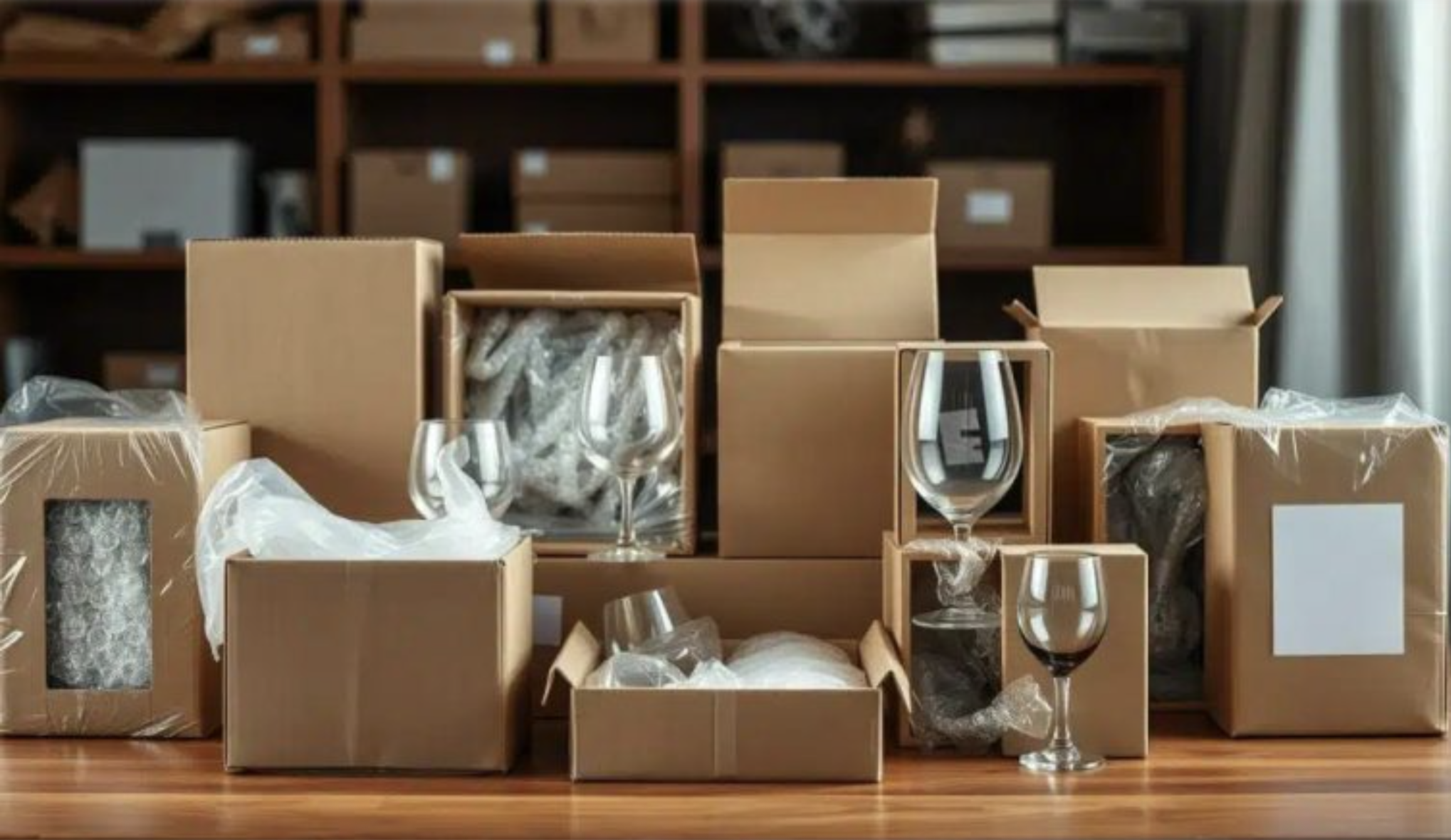
Good packing reduces the forces that chip, crack, or shatter glass by keeping each piece isolated from impact, vibration, and pressure. When each glass is wrapped, supported with the right void‑fill, and placed in a structured box or divider, movement inside the container is limited and shocks are sent away from thin rims and stems. Proper packing also cuts replacement costs, lowers the chance of injury from broken glass when unpacking, and protects sentimental or irreplaceable items. Here are the main reasons to take the time to pack correctly.
- Stops direct impacts that cause chips and breaks during loading and transit.
- Limits vibration and pressure points that lead to hairline cracks over long moves.
- Saves money and time you’d spend replacing or matching stemware.
Packing well is the first step. Next, we look at the specific risks wine glasses face when they aren’t packed right.
What Risks Do Fragile Wine Glasses Face Without Proper Packing?
Improperly packed wine glasses face several hazards. Direct blows to rims and bowls can chip or shatter pieces outright. Continuous vibration during transit lets stems flex and rub against boxes or neighboring items, causing stress fractures that sometimes only show after unpacking. Other risks include heavy stacks on top of fragile boxes, weak or single‑wall boxes that collapse, and mixing different sizes without dividers so glasses knock together. Long moves with big temperature swings can also make thin crystal more brittle, increasing the chance of thermal stress or shock. Knowing these failure modes helps you pick materials and methods that move force away from the most vulnerable parts.
That’s also what professional packers focus on — here’s how they do it.
How Does Professional Packing Ensure Safe Transport of Stemware?
Professional packers lower breakage by following repeatable procedures: they inspect each piece, choose the right disposable or reusable protection, and use consistent wrapping and boxing patterns that limit movement. Pros often use dishpack boxes with dividers, triple‑wrap high‑value items, and apply uniform padding and void‑fill so every glass gets the same level of care. On the truck they place fragile boxes away from heavy loads, on flat surfaces, and secure them with straps or load bars to prevent shifting. These steps cut breakage far below typical DIY results and give clear expectations for careful handling on both local and long‑distance moves.
What Are the Essential Packing Materials Needed for Wine Glasses?

Picking the right supplies is the foundation of safe stemware packing. Good materials absorb shock, stop scratches, and keep pieces separated. Essentials are dishpack or heavy‑duty boxes, plenty of packing paper for stuffing and wraps, bubble wrap for high‑risk items, cardboard dividers or foam pouches for isolation, plus quality packing tape and a marker for labeling. If you want greener options, reusable foam pouches or rented dishpack kits reduce waste while still protecting glass. The table below helps you match material strengths to the fragility and value of your pieces.
This quick guide helps you choose the right supplies for each set. Next we compare cushioning options in more detail so you can balance protection and sustainability.
Which Packing Supplies Provide Optimal Cushioning and Protection?
Cushioning materials trade off conformability, durability, and environmental impact. Packing paper is inexpensive, compostable, and great for internal support and burrito‑style wrapping when paired with an outer cushion. Bubble wrap offers targeted impact resistance and is ideal for very thin rims, though it’s less eco‑friendly. Foam pouches and molded inserts give consistent protection and are reusable, which lowers long‑term cost for repeated moves or storage. The best approach mixes materials: paper for internal stuffing, foam or bubble wrap for outer padding, and dividers to keep pieces apart — this balances shock protection, cost, and waste.
Research supports choosing cushioning materials and packaging structures carefully to improve vibration resistance and overall protection during transit.
Optimizing Cushioning Materials for Fragile Item Transport
A practical takeaway from comparative studies is that selecting the right cushioning material, designing the packaging structure thoughtfully, and validating anti‑vibration performance are closely linked to protection effectiveness.
The Comparative Analysis of Cushion or Shock Absorption Characteristic of Commonly-Used Cushion Packaging Materials, 2012
Once you’ve picked cushioning, choose the right box and reinforce it properly — the next section explains how.
How to Choose the Right Boxes and Protective Materials for Fragile Glassware?
Pick dishpack or double‑walled boxes rated for fragile items and avoid boxes that leave large empty gaps around glasses. Smaller boxes limit internal movement and are easier to handle; if you must pack many glasses together, use sturdy dishpack dividers so each piece has its own cell. Reinforce the bottom with an H‑pattern of tape and consider double‑boxing very valuable crystal by placing the packed inner box inside a slightly larger outer box with void‑fill between. Clearly mark box orientation and avoid placing fragile boxes at the bottom of a stack — keeping them on top or in a dedicated fragile section in the truck reduces compression damage.
How to Pack Wine Glasses Like a Pro: Step-by-Step Instructions
Follow these ordered steps — from prep to labeling — to get reliable, professional results at home. The list below is a practical checklist you can use on moving day.
- Gather supplies: dishpack boxes, packing paper, bubble wrap or foam pouches, dividers, tape, marker.
- Clean and dry each glass; photograph and note high‑value pieces for your inventory.
- Stuff the bowl with crumpled paper, then burrito‑wrap the glass starting at the bowl and working toward the stem.
- Add stem protection (paper collar or foam), then wrap an outer cushioning layer of bubble wrap or a foam pouch.
- Place each wrapped glass in a divider cell or foam slot — stem down if using dividers, or upright if the box supports it.
- Fill voids with crumpled paper or air cushions, avoiding overpacking that stresses rims.
- Seal the box with tape in an H‑pattern and label with room, FRAGILE, and THIS SIDE UP.
- Load fragile boxes last into the truck, keep them upright, and secure them to prevent shifting.
Those steps create a repeatable process. The following subsections go deeper on preparation, wrapping technique, arrangement patterns, and labeling best practices.
What Preparations Are Needed Before Packing Wine Glasses?
Start with a clear, padded workspace: a table with a soft cover and good light. Sort glasses by type and value so you can wrap similar sizes together. Wipe each glass with a lint‑free cloth and let it dry completely to avoid trapped moisture. Photograph valuable or unusual pieces and jot a quick inventory for insurance and easier unpacking. Keep all supplies at hand so you can work in batches — that’s faster and reduces handling mistakes.
With prep done, move on to the wrapping steps that protect bowls and stems during transport.
How to Wrap and Secure Each Wine Glass for Maximum Protection?
Use layered wrapping: place crumpled packing paper inside the bowl for support, then wrap the bowl in a paper burrito, fold additional paper around the stem, and finish with bubble wrap or a foam pouch. For very thin rims or expensive crystal, add an extra outer layer or a padded sleeve to protect the rim. Use small pieces of tape to hold paper in place — never tape directly to the glass — and keep stems straight while wrapping to avoid torsion. Working methodically, expect about 2–4 minutes per glass; grouping similar sizes speeds the process.
After wrapping, arranging glasses correctly in the box prevents contact and spreads force away from delicate points.
How Should Wine Glasses Be Arranged and Secured Inside Moving Boxes?
Place glasses in divider cells or foam compartments so each bowl is isolated and can’t touch neighbors. If you don’t have dividers, create thick paper nests between glasses. Pack glasses upright if stems are short and the box has deep dividers; for sturdier pieces you can invert them for a lower center of gravity — but be consistent inside each box. Fill any remaining space with crumpled paper or soft void‑fill to stop slosh and absorb shock. Load boxes so heavy items aren’t sitting on fragile boxes, and keep fragile boxes accessible to avoid extra handling.
Labeling and sealing are the final steps before transport.
What Are Best Practices for Labeling and Sealing Boxes Containing Wine Glasses?
Seal boxes with good packing tape in an H‑pattern across top and bottom to keep seams closed; reinforce corners where stress concentrates. Clearly label each box with the destination room, the word FRAGILE, and orientation arrows or THIS SIDE UP to guide movers. Add a short inventory on the side so you can find specific sets quickly when unpacking. Finally, track which boxes contain high‑value or insured glass and tell your movers about any special handling instructions in advance.
What Professional Tips Does Mountain Movers Offer for Packing Fragile Stemware?
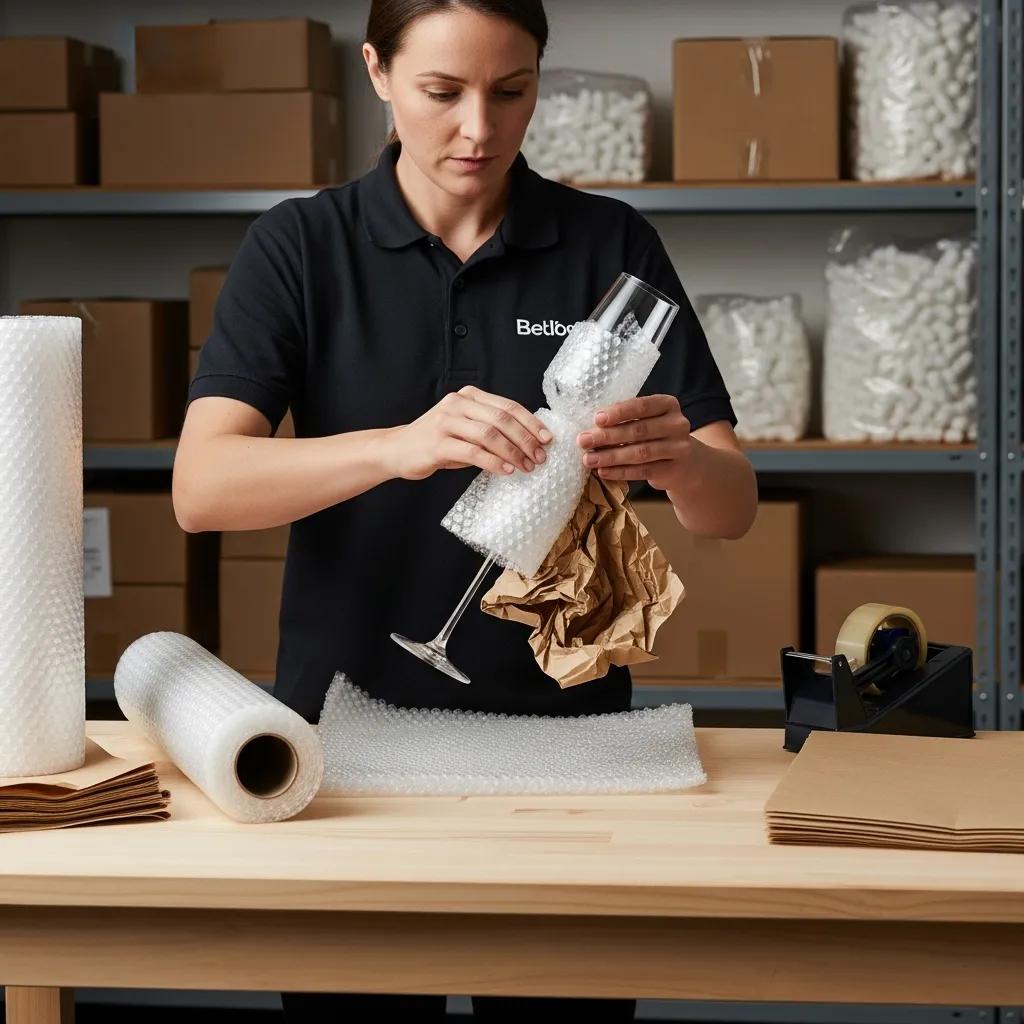
Pros rely on repeatable systems that scale whether they’re packing a single heirloom or an entire set. Mountain Movers uses standardized wrapping sequences, industry‑grade dishpack boxes and dividers, and strategic truck placement to reduce impact and compression damage. Below are pro tips you can use at home, followed by a short service breakdown showing what professional packing delivers and why it’s worth considering for valuable or time‑crunched moves.
- Sort by bowl diameter and use dishpack dividers to eliminate rim‑to‑rim contact.
- Pre‑wrap stems with a paper collar to prevent twisting and rubbing in transit.
- Pack glasses last into boxes and load them first on the truck so they stay secure and upright.
These pro strategies speed packing and reduce breakage. The table below describes common packing services and the benefits customers receive.
This comparison shows how professional techniques translate to less risk and more peace of mind. Below we explain the operational differences and why a pro service can be the right choice.
How Do Expert Packers Handle Delicate Wine Glasses Differently?
Expert packers move at a deliberate pace that balances speed with care: they pack in uniform batches using the same wrapping steps for every piece to avoid variation. They stock professional supplies tailored to fragile ware and keep packing stations organized for efficiency and cleanliness. On moving day, trained handlers place fragile boxes in protected truck zones, use tie‑downs or load stabilization, and avoid stacking patterns that concentrate weight on delicate items. These process controls and team coordination reduce the common handling mistakes that cause breakage in DIY moves.
Why Choose Mountain Movers Packing Services for Stress-Free Moving?
Mountain Movers centers packing services on a promise of Stress‑Free Moving backed by professional care, transparent pricing, and convenience for customers across Austin and Central Texas. Our teams follow fragile‑item protocols — inspection, consistent wrapping, and safe truck placement — to lower breakage rates and save you time on move day. If you’d rather be hands‑off or you own valuable crystal, hiring pros removes uncertainty and labor from fragile packing. Call (737) 230-6190 to get a free quote and talk through packing options tailored to your needs.
Those service guarantees often make the difference for people with busy schedules or particularly valuable stemware.
What Are Common Questions About Packing Wine Glasses for Moving?
This FAQ answers common concerns quickly so you can find practical solutions fast. Use these short answers with the detailed steps above when you prepare for your move.
What Is the Best Way to Pack Wine Glasses Without Bubble Wrap?
If you don’t have bubble wrap, use multiple layers of packing paper with solid internal stuffing and double‑boxing for primary protection. Start by stuffing the bowl with crumpled paper, then wrap the glass in several sheets burrito‑style and add a paper collar around the stem. Place each wrapped glass into a sturdy divider cell or a dense paper nest inside a small box, then set that box inside a larger one with void‑fill between for extra shock absorption. Professionals still prefer bubble wrap for very thin or valuable crystal, but paper‑only methods can protect standard stemware when done carefully.
How Do You Pack Fragile Glasses to Prevent Breakage?
Prevent breakage with three core actions: wrap each glass individually, provide both internal stuffing and external cushioning, and eliminate movement inside the box. Support bowls with packing paper, add a padded outer layer (foam or bubble), and separate pieces with dividers or dense filler. Seal and label boxes clearly and place fragile boxes on top of heavier loads in the truck. Individual wrapping, secure separation, and correct loading form the backbone of safe glassware transport.
What Materials Are Needed to Pack Wine Glasses Safely?
Essentials include dishpack or double‑walled boxes, plenty of packing paper, bubble wrap or foam pouches for outer protection, cardboard dividers or foam inserts, durable packing tape, and a permanent marker for labeling. Optional extras are packing peanuts or air pillows for void‑fill and stretch‑wrap for double‑boxing. Buy a little more paper and tape than you think you’ll need to avoid interruptions mid‑pack.
How Can I Ensure My Wine Glasses Arrive Intact After a Long-Distance Move?
For long moves, increase protection with higher‑grade materials, photograph and document valuables, and consider professional packing or custom crates for very expensive items. Insure valuable sets through your mover or third‑party insurance, avoid extreme temperature exposure in transit, and ask that fragile boxes ride in climate‑stable, secure parts of the truck. If you’re worried about long transit times or multiple transfers, hiring professional packers reduces risk and provides a documented chain of custody for your fragile items.
If you’d like help from trained packers, contact Mountain Movers for an estimate and packing coordination. For a stress‑free move with professional handling, call (737) 230-6190 to get a free quote and discuss packing options tailored to your stemware.
Conclusion
Packing wine glasses well preserves both sentimental and monetary value. With the right materials and techniques you can cut the risk of breakage dramatically. If you prefer to skip the work, professional packers who specialize in fragile items offer consistent protection and peace of mind. Contact Mountain Movers today to explore packing solutions built to fit your move.