

How Many Moving Boxes Do I Need





How Many Moving Boxes Do I Need? Your Ultimate Austin Packing Guide

Figuring out how many boxes you need is the single most practical move to cut stress, control cost, and keep your Austin move running smoothly. This guide shows how to estimate box counts by home size and room, which box sizes work best for different items, and how to tweak counts for specialty pieces and greener options. You’ll find quick rules of thumb for studio through multi‑bedroom homes, a room‑by‑room counting method, and packing tips that save trips and prevent damage. We also walk through using a moving box calculator and explain when professional packing removes the guesswork — including how to request a free quote from Mountain Movers. Read on for clear checklists, easy tables, and step‑by‑step examples to make your Central Texas move predictable and cost‑effective.
Why Accurate Moving Box Estimation Matters for Your Austin Move
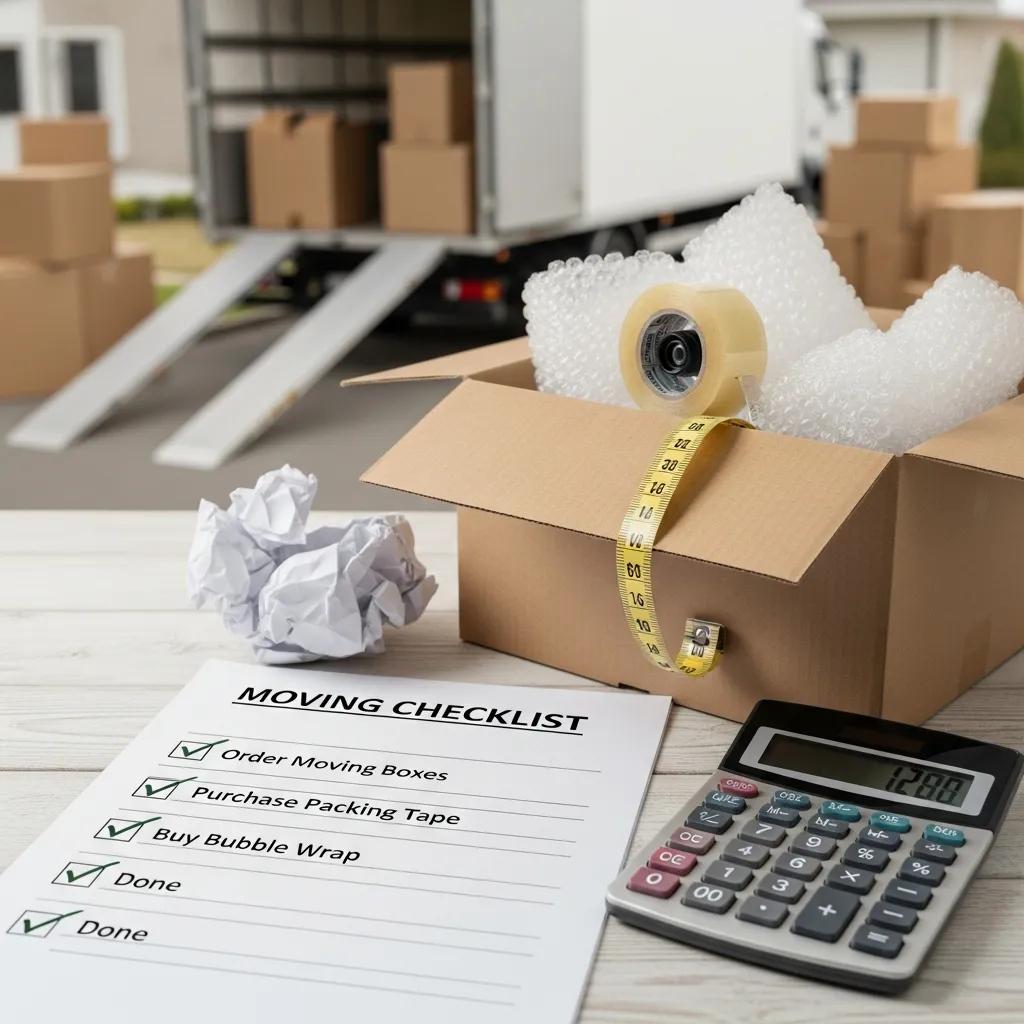
Getting box counts right shapes logistics, keeps costs down, and sets realistic timelines whether you hire movers or go DIY. When you know how box quantities affect truck space, labor and packing supplies, you avoid surprise charges and last‑minute delays that often balloon moving budgets.
Good estimates also keep people and things safer: the right box sizes reduce lifting strain and lower breakage risk, which protects your belongings and your schedule. For many Austin households, a smart box mix and an accurate count are the difference between a single efficient move and multiple costly trips.
Estimating well prevents the common scramble for supplies on moving day. Underestimating leads to rushed packing, overloaded boxes, and extra labor costs; overestimating creates waste and unnecessary hauling. A practical estimate pairs likely box counts with a quick declutter before packing. If you’d rather skip the guesswork, professional packers can validate your numbers and supply a measured plan — request a free quote from Mountain Movers to compare an expert estimate to your DIY tally.
How Does Estimating Boxes Prevent Last-Minute Moving Stress?
Estimating ahead gives you a clear checklist of materials and tasks to finish before movers arrive, cutting interruptions and emergency runs to the store. Running out of medium boxes mid‑pack forces rushed decisions, makeshift protection that risks breakage, and delayed loading that can push your move into evening hours. Planning lets you reserve essentials like dish packs, wardrobe boxes, and reinforced small boxes for heavy items.
Start packing room by room and prioritize critical boxes — essentials, valuables, kitchen items — so you can access priority things even if the schedule slips. A short pre‑move inventory helps avoid stress: note high‑density items (books, canned goods), list fragile collections, and flag specialty pieces like pianos or large TVs. Matching that checklist to typical box counts gives you a defensible buffer that prevents last‑minute runs and reduces downtime or surprise fees for extra labor or truck space.
How Can Proper Box Estimation Optimize Moving Costs and Efficiency?
Right‑sizing your box mix cuts labor time because movers handle lighter, more stackable containers and can load the truck efficiently. Using a few oversized boxes instead of a mix of mediums and smalls increases handling time and damage risk; a balanced mix fits tighter in the truck and can cut the number of trips. Accurate counts also make it easier to compare renting reusable crates versus buying single‑use boxes and to decide whether hiring pro packers is a cost‑effective choice.
Smarter box use improves packing density and reduces wasted cubic feet on the truck, which lowers long‑distance move costs and local hourly charges. A practical rule: use small boxes for heavy items, medium boxes for kitchenware and books with cushioning, and large boxes only for lightweight bulky items. That mix stacks better and protects fragile contents — helping you make data‑driven packing and hiring decisions.
How Many Moving Boxes Do I Need Per Apartment or Home Size?
Estimating by dwelling size gives a fast baseline you can adapt to your lifestyle. Ranges vary because hobbies, collections, and home offices change volume a lot; the table below offers practical starting ranges and a sensible buffer for decluttering or specialty items. Use these as a baseline for the moving box calculator or an onsite estimate if you hire pros.
This reflects common Austin scenarios, from compact urban studios to family homes with full kitchens and home offices. After you pick a base count, adjust for high‑volume spaces like garages, hobby rooms, and book collections to refine your order or rental plan. The sections that follow break these ranges down by unit size and item mixes.
How Many Boxes Are Needed for a Studio or 1-Bedroom Apartment Move?
Studios usually need a tighter mix because furniture is minimal; expect about 15–30 boxes depending on kitchenware and books. A 1‑bedroom with a full kitchen typically needs 25–40 boxes: more small boxes for heavy items, several medium boxes for dishes and electronics, and a dish pack if you have lots of plates and glassware. Clothing can go in wardrobe boxes or vacuum bags to reduce box counts and speed unpacking. Decluttering rarely‑used items before packing reliably cuts the boxes you’ll need.
Inventory high‑density items like books or canned goods and use sturdy small boxes for them to avoid overloading larger cartons. Packing room by room keeps weight manageable and improves stackability when loading. If you own specialty pieces — guitars, framed art — account for specialty boxes or protective padding to keep them safe. Those choices guide planning for 2‑bedroom and larger homes.
What Is the Box Count for 2-Bedroom and Larger Homes in Austin?
Two‑bedroom homes commonly land between 35–55 boxes, with kitchen, kids’ rooms, and a home office driving the upper range when fully furnished. A typical 3‑bedroom household often needs 50–80 boxes because multiple bedrooms, living spaces, and storage areas increase volume. Collections, bulky low‑density items (pillows, comforters), and lots of kitchen gear push counts higher; significant decluttering can lower totals a lot. Treat high‑density items (books, records) separately — they use more small boxes and can skew an average estimate.
Also factor in edge cases like downsizing or hoarding, which change planning. For larger or specialty moves in Austin — pianos, antiques, or commercial relocations — expect extra padding and crate needs beyond basic box counts. A room‑by‑room inventory matched to box sizes gives the most reliable prediction for truck volume and packing labor.
Which Moving Box Sizes Should I Use for Different Items?
Picking the right box size matches contents to strength and weight limits to avoid damage and improve stackability. Small, medium, and large boxes each have jobs: small boxes for heavy, dense items; medium boxes for kitchenware and books; large boxes for light, bulky goods. Specialty boxes — wardrobe, dish packs, TV boxes — protect specific items and speed packing when used correctly.
Match box strength (ECT rating) and size to what's inside to avoid mid‑move failures and keep the truck stackable. When unsure, pick a stronger small or medium box instead of a weak oversized box for heavy goods. The next sections cover best practices for small boxes with heavy items and medium/large boxes for bulky or fragile belongings.
What Are the Best Small Moving Boxes for Heavy Items and Books?
Small boxes are ideal for heavy items because they limit weight per container and make carrying safer; choose boxes with higher ECT ratings for books or canned foods. Keep heavy boxes under 30–40 pounds, distribute weight evenly, and fill gaps with crumpled paper or honeycomb packing to prevent shifting. Reinforce seams with extra tape and don’t overfill so lids close securely. Label heavy boxes clearly so movers stack them on the bottom and keep fragile items off the top.
Using small boxes for books keeps your inventory manageable and lowers the chance of soft‑bottom failures during transit. They’re easier to carry up stairs or through narrow hallways, and clearly labeled small boxes speed loading and protect both contents and carriers.
How Do Medium and Large Boxes Suit Kitchenware, Linens, and Bulky Items?
Medium boxes balance weight and size for kitchenware and small appliances — enough room for cushioning without exceeding safe lifting limits. Pack dishes with bubble wrap or paper between pieces, putting heavier items on the bottom and lighter ones above. Reserve large boxes for low‑density bulky items like pillows, comforters, and stuffed toys since these fill volume but stay light, preserving stackability and minimizing breakage risk.
For fragile kitchenware, consider double‑boxing or using dish packs with dividers to limit movement. Keep a consistent packing pattern — plates vertical, cups nested, bowls padded — so unpacking and stacking are predictable. These techniques reduce damage and make truck placement safer.
How Can I Use the Mountain Movers Moving Box Calculator to Estimate Boxes?
Our moving box calculator asks about rooms, major furniture, and specialty items, then suggests a box mix and counts tailored to your inputs. It converts room inventories into box types and quantities while factoring common Austin home patterns. Use the calculator as your baseline, then adjust for collections, seasonal items, or large appliances. Mountain Movers built the tool to match typical Central Texas profiles with practical box mixes and packing options.
Follow the calculator’s step‑by‑step recommendations to build a packing list and an order for boxes and supplies; after you run the numbers, you can request a professional review or a free quote to confirm the plan. The calculator is especially helpful when rooms have mixed items or specialty pieces like pianos, which change packing needs. If you want human validation, our team can review your results and provide a no‑cost quote to confirm box counts and labor estimates.
How Does the Moving Box Calculator Work for Austin Residents?
The calculator asks for dwelling type, bedroom and bathroom count, key rooms (kitchen, office), and notable specialty items, then maps those inputs to box types and quantities. For example, a 2‑bedroom Austin apartment with a full kitchen, home office, and a moderate book collection might return about 35 boxes: roughly 8 small, 18 medium, 6 large, and 3 specialty boxes, plus padding and tape. Treat that result as a baseline — subtract boxes if you plan a big declutter or add a buffer if you have many fragile or collectible items. Local things to keep in mind: older Austin homes can have narrow staircases, and common specialty moves like upright pianos increase padding and crate needs.
Using the calculator’s breakdown helps you buy only what you need and gives a clear inventory to share with movers for accurate quotes. The next section explains how to request a free packing quote based on your calculator output.
How Can I Get a Free Quote for Packing Services in Austin?
To request a free packing quote, call Mountain Movers at (737) 302-6566 or send your calculated box list through our contact form to schedule a review or onsite estimate. Be ready to share dwelling type, number of rooms, notable specialty items (pianos, large TVs), and whether you want full packing or fragile‑only packing — that helps us validate your calculator totals and recommend exact quantities. If you prefer an in‑person assessment, an onsite walkthrough gives the most precise quote because estimators can see built‑ins, closet volumes, and storage areas that affect box counts and packing time.
Mountain Movers is fully licensed locally; when you call, ask about packing packages and how box counts translate into labor and material estimates so you can compare DIY versus professional costs. Requesting a free quote verifies your plan and helps you decide whether to buy boxes, rent reusable crates, or book our packers for a stress‑free move.
What Are Expert Packing Tips to Maximize Box Usage and Protect Fragile Items?

Efficient packing blends smart box choices, proper cushioning, and a clear labeling system to cut handling time and protect valuables. Start with a room‑by‑room inventory, use box sizes matched to item density, and group items by fragility and priority to streamline loading and unloading. Label each box with room, a short contents summary, and an unpacking priority to speed setup at your new place. Below are core tactics our movers and packers use to maximize space and reduce damage.
- Use small boxes for heavy items: keep weights manageable and prevent box failure while lifting.
- Wrap fragile items individually: use paper or bubble wrap and don’t mix fragile pieces with heavy goods.
- Fill gaps to prevent shifting: use crumpled paper, packing peanuts, or towels to immobilize contents.
How Should Fragile Items Be Packed Safely in Moving Boxes?
Start with the right container — dish pack boxes with reinforced walls and dividers for plates are a good example — then add layered protection inside. Wrap each fragile piece, put heavier items on the bottom, and cushion between items and at the box base; double‑box high‑value items for extra security. Clearly mark fragile boxes and indicate which side is up so handlers know orientation. For very delicate collections or antiques, professional packers offer specialized materials and crating that greatly reduce damage risk.
Dish packs and specialty padding reduce the need for excessive taping and keep items from touching during transit, lowering breakage rates. If you need added protection or an insurance‑ready pack, pro packing services provide materials and techniques beyond standard DIY options.
What Are Efficient Strategies for Packing Clothes, Linens, and Labeling Boxes?
Wardrobe boxes keep hanging clothes wrinkle‑free and make closet‑to‑closet transfers fast. Vacuum‑seal bags shrink bulky linens and cut box counts for seasonal storage. Rolling casual clothes and folding dress clothes into wardrobe boxes balances space savings and usability on arrival. Labeling should be simple: room name, short contents list, and priority level (1–3) to speed unloading and let you place priority boxes in easy‑to‑reach spots.
A consistent labeling system — color codes, numbered lists, or a master spreadsheet — speeds unpacking and reduces time spent hunting for essentials. The goal is to know what’s inside without opening every box.
What Eco-Friendly and Specialty Moving Box Options Are Available in Austin?
Sustainable options include recyclable single‑use boxes, reusable rental crates, and specialty boxes for fragile items; each choice balances environmental impact, cost, and convenience. Recyclable corrugated boxes are cheap and widely available, while reusable plastic crates cut waste and can be delivered and picked up for a fee. Specialty boxes like wardrobe and dish packs protect contents better than generic cartons and can reduce replacement costs after a move, making them worth the investment for fragile or high‑value items.
Pick an eco‑friendly option based on priorities: immediate cost savings versus long‑term waste reduction and convenience. If sustainability matters, try a hybrid approach: recyclable boxes for low‑risk items and rented crates for fragile or frequently moved goods.
What Are the Benefits of Using Eco-Friendly Moving Boxes and Materials?
Eco materials cut landfill waste and often use recycled fibers, lowering your move’s environmental footprint. Reusable crates eliminate single‑use cardboard, improve packing density and stackability, and often lock together for safer transport. There may be a modest premium for reusable or specialty packaging, but you can save on replacements and disposal after moving. For sustainable moves, combining recycled boxes with targeted reusable crates strikes a practical balance between cost and environmental responsibility.
Many local programs and movers offer buy‑back or pickup for used boxes, which reduces disposal hassle and supports reuse. Ask about these options when planning your packing strategy to match cost and sustainability goals.
When Should Specialty Boxes Like Wardrobe or Dish Pack Boxes Be Used?
Use wardrobe boxes when you have lots of hanging garments or want a closet‑to‑closet transfer, and choose dish pack boxes for large sets of plates, stemware, and other fragile kitchen items. Specialty boxes pay off when they cut packing time and significantly reduce breakage risk versus generic cartons — especially for expensive dishware, collectibles, or professional equipment. TV boxes and mattress bags protect oversized electronics and bedding during transport, minimizing replacement and cleaning costs afterward. Reserve specialty boxes for items where damage would be costly or unpacking speed matters.
If you’re unsure whether to rent or buy specialty boxes, compare replacement costs versus rental and consider professional packers for high‑value or complex packing needs. Mountain Movers can advise on when specialty packaging makes sense as part of our free quote and packing consultation.
Conclusion
Estimating your moving box needs accurately sets you up for a smoother, more cost‑effective Austin move. Knowing the right box sizes and counts helps you cut stress, avoid damage, and make the most of your moving budget. Ready to lock in a plan? Use our moving box calculator or request a free quote from Mountain Movers — we’ll help you plan an efficient move that fits your schedule and budget.