

How to Move a Piano: Step-by-Step Guide for Safe and Efficient Moving




Austin Piano Moving: Expert Care, Local Know‑How
Moving a piano combines heavy lifting, fragile parts, and careful logistics. This guide lays out clear, Austin-focused steps to move a piano safely and efficiently. You’ll learn why pianos are difficult to relocate, how to prep your home and instrument, the step-by-step moving workflow, best practices for loading and transport, post-move care, and cost factors that help you decide between a DIY job and hiring pros. We cover uprights and grands, list essential gear, and give practical decision points so you can avoid damage and injury. Read on for concise checklists, gear comparisons, and focused tips to protect the soundboard, keyboard, pedals, and cabinet — and know when to request a local, transparent quote.
Why Is Moving a Piano Challenging and How Can You Prepare?
Pianos present three main problems: heavy weight, awkward shape, and internal sensitivity. Their mass often sits off-center, legs and lids stick out, and delicate parts like the soundboard and strings don’t tolerate shocks. That mix raises the risk of injury, property damage, and costly instrument problems. Preparing ahead — measuring routes, gathering padding and hardware, and planning manpower and tools — reduces those risks. The sections below explain the technical hazards in plain terms and offer a practical pre-move checklist so you can decide whether a DIY move makes sense or if you should hire professional piano movers.
What Makes Piano Moving Complex and Risky?
Pianos are difficult because of their weight, shifting balance, and fragile internal parts that don’t like impact, tilt, or vibration. Uprights usually weigh 300–700 pounds; baby grands and full grands can range from 500–1,200+ pounds. Balance changes when legs or lids are removed, which raises the chance of tipping or dropping during lifts. Internal components — especially the soundboard and strings — are vulnerable to shock and humidity changes, which can cause expensive tonal or structural damage. Knowing these mechanical and acoustic risks helps you protect the instrument and choose safe lifting and transport methods for uprights and grands alike.
Recognizing how fragile musical instruments are reinforces the need for careful, preventive handling during any move.
Preserving Musical Instruments: Damage Prevention & Conservation
Musical instruments are often unique pieces of cultural heritage and require careful conservation to prevent damage. Preservation focuses on measures that reduce risk and protect materials across different construction types. Effective conservation follows stages of examination, investigation, and protection, because the many materials used in instruments can introduce varied risks during handling and relocation.
How to Plan and Prepare Your Home and Piano for Moving?
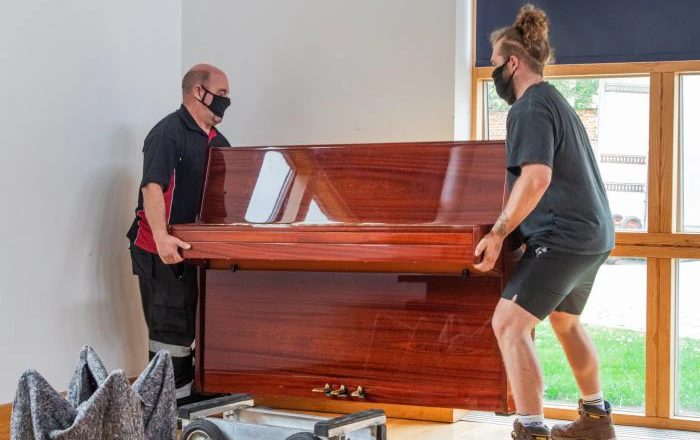
Preparation starts with accurate measurements and route planning. Measure the piano (height, width, depth) and every doorway, stair width, turn, and elevator you’ll use. Mark tight spots and protect floors and walls with runners and corner guards to prevent cosmetic damage. Gather supplies — moving blankets, straps, a piano dolly or skid board, and a ramp — and assemble a capable team with clear roles for lifting, guiding, and spotting the instrument. If your measurements reveal tight corners, narrow stairs, or awkward removal points, treat those as red flags and consider hiring specialized piano movers for a safer, faster move.
What Are the Essential Steps to Move a Piano Safely?
A safe piano move follows five straightforward phases: plan, protect, lift/move, load/transport, and post-move care. Each phase focuses on minimizing shock and preserving tuning and structure. Planning covers route and stair assessment; protecting secures keys, pedals, and the case with blankets and corner guards; lifting/moving uses dollies, straps, and coordinated team lifts; loading secures the piano in the truck with tie-downs and blocking; post-move care includes inspection and acclimation to the new space.
- Plan the route and measure clearances so you know what fits and where obstacles are.
- Protect moving parts: close and lock the keyboard lid, remove loose pieces, and pad the cabinet with blankets and corner guards.
- Use a proper piano dolly or skid board and keep the piano in the recommended orientation; lift with coordinated signals and stabilizing straps.
- Load the piano onto the truck with a ramp or lift gate, brace it against the truck wall, and secure with ratchet straps and blocking to prevent shifting.
- After arrival, inspect the instrument, place it away from vents and windows, and let it acclimate before scheduling a tuning.
These steps cover common, safe scenarios — but if you face tight staircases, very heavy grands, or antiques, contact Mountain Movers for a free quote to compare professional, insured options.
How Do You Load and Transport a Piano Securely?

Secure loading and transport rely on the right gear, correct weight placement in the truck, and solid bracing to stop movement that can damage the cabinet or internal mechanics. Use ramps, loading plates, ratchet straps, and blocking to keep the piano stable during acceleration, braking, and turns. Position the piano near the truck’s front wall to reduce bounce and vibration. Before loading, pad the piano heavily, lock the keyboard lid, and secure any removed legs or lyre. Place the piano so its center of mass sits over the truck’s strongest section to control front-to-back weight. The equipment table below pairs common tools with typical uses so you can choose the right setup for an upright versus a grand.
Match gear to the scenario and combine it with correct bracing and weight distribution to lower the chance of in-transit damage. The next section explains each item and capacity considerations so you can prepare accurately.
What Equipment Is Needed for Loading and Transporting a Piano?
Choose equipment that fits the piano’s weight and your property’s access limits. A piano dolly rated for the instrument’s weight and that secures to the frame is essential for apartment and single-level moves. Use a skid board when you need to slide the piano onto a truck or through tight doorways. Heavy-duty ratchet straps with multiple anchor points prevent shifting in transit; ramps or loading plates provide controlled elevation changes into trucks. Packing supplies — moving blankets, corner protectors, and moisture-barrier wrap — protect finishes and sensitive parts. Picking the right mix of gear reduces the chance of damage during loading and transport.
How to Ensure Safe Loading, Weight Distribution, and Transport?
Safe loading means bracing the piano against the truck wall, keeping the heavy end toward the vehicle front, and blocking under the piano to prevent lateral movement. Use several ratchet straps placed low and high to control tipping and sliding, and cushion under and around the instrument to damp vibrations reaching the soundboard and strings. Drive smoothly, avoid sudden braking, and check straps at stops to maintain tension. If anything shifts, re-brace immediately to prevent irreversible damage. These steps reduce shock and help preserve tuning until post-move inspection and acclimation.
How to Care for Your Piano After the Move?

Post-move care is a quick inspection, controlled acclimation, and a timely tuning. Right after delivery, check the cabinet, legs, and pedals for visible damage. Play scales to listen for dead notes or buzzing that could indicate internal problems. Let the piano settle into the new room’s temperature and humidity for several weeks before major tuning or regulation, and keep it away from direct sunlight, vents, or exterior doors. The table below lists post-move actions, why they matter, and suggested timing so you can prioritize inspections and service scheduling.
Follow this sequence to protect tonal integrity and structural health. The next subsection covers inspection detail and acclimation steps.
What Are the Post-Move Steps for Piano Acclimation and Inspection?
Start with a careful visual and functional check: look for cracks or finish damage, confirm legs and casters are secure, and play scales to spot dead notes or buzzing. Test the pedals for proper feel and listen for loose hardware that may need a technician. Place the piano in its final room and keep it stationary; if you have a hygrometer, monitor humidity and only add a humidifier or dehumidifier if swings are significant. These steps prepare the piano for responsible tuning and long-term care.
When and Why Should You Schedule Piano Tuning After Moving?
Most moves require a tuning because temperature and humidity changes alter string tension and pinblock stability, shifting pitch. We recommend scheduling a tuning two to six weeks after the move so the instrument can settle and avoid repeated adjustments during acclimation. If you notice pitch instability, dead notes, or mechanical noises immediately, contact a piano technician sooner to check for transport damage. For high-value or antique pianos, get an earlier inspection and a tailored tuning plan to protect delicate voicing and structure.
What Are the Costs and Benefits of Hiring Professional Piano Movers in Austin?
Hiring professional piano movers in Austin gets you trained handlers, specialized gear, and insurance that lower the risk of damage and liability. Pros know stair carries, tight corners, and disassembly/reassembly for grands, and they bring dollies, skid boards, ramps, and truck bracing to secure the piano. Benefits include clear pricing and upfront quotes, insured services that protect your investment, and custom solutions for unusual access or antique instruments. The table below highlights cost drivers so you can estimate local piano moving factors and make an informed hiring decision.
These comparisons show how piano type, stairs, distance, and insurance affect price and why professionals can provide value that offsets risk. The next section offers sample ranges and clarifies common cost factors in Austin.
How Much Does Piano Moving Cost in Austin and What Factors Affect Pricing?
Piano moving costs in Austin vary. Local moves can range from about $200–$600 for straightforward upright moves to over $1,000 for complex jobs involving grands, many stairs, or specialized crating. Key price drivers are piano type (upright vs. grand), number and difficulty of stairs, travel distance, whether legs or lyres must be removed, and insurance or custom crating. Add-on services like in-home pickup, climate-controlled transport, or rush scheduling will raise the price. Ask providers for transparent, itemized estimates so you can see how stairs, disassembly, and insurance affect the total.
Why Choose Mountain Movers or Your Piano Moving Needs?
Mountain Movers is a family-owned Austin moving company that focuses on careful instrument moves, insured services, and straightforward, upfront quotes. Our teams bring the right equipment and training for stairs, tight corners, and grand lifts, and we treat valuable instruments with the care you’d expect from a local business. For complicated piano moves or if you want a stress-free, insured option, request a free quote from Mountain Movers and we’ll walk you through the plan and pricing.
What Are Common Questions About Piano Moving?
Below are concise answers to common piano-moving questions to help you decide whether DIY is realistic or if you should call pros. If any answer points to high risk — many stairs, large grands, or antiques — consider requesting a free, insured quote from Mountain Movers.
Can You Move a Piano Yourself Safely?
Generally, DIY piano moves aren’t recommended for most homeowners. A safe DIY move is only realistic when conditions are ideal: an upright piano, a level route, plenty of strong helpers, a proper piano dolly, and good protective materials. DIY moves raise the chance of personal injury, property damage, and instrument harm if weight, balance, or access challenges exceed your team’s abilities. If stairs, tight corners, or heavy grands are involved, hire professionals with the right equipment and insurance. If you attempt a DIY move, follow strict lifting protocols, use straps and a dolly, and stop to call pros at the first red flag.
What Types of Pianos Do Professional Movers Handle?
Professional movers handle many piano types — uprights, consoles, spinets, studio uprights, baby grands, and concert grands — each needing specific techniques and sometimes partial disassembly. Uprights usually move upright on dollies and are easier on level routes. Grands often require leg removal, lyre disassembly, and horizontal crating or hoisting for stair carries. Antique or high-value pianos need custom padding, climate-aware handling, and insured transport to protect finishes and internal parts. When you book movers, tell them the piano type and access constraints so they can bring the right gear and plan.
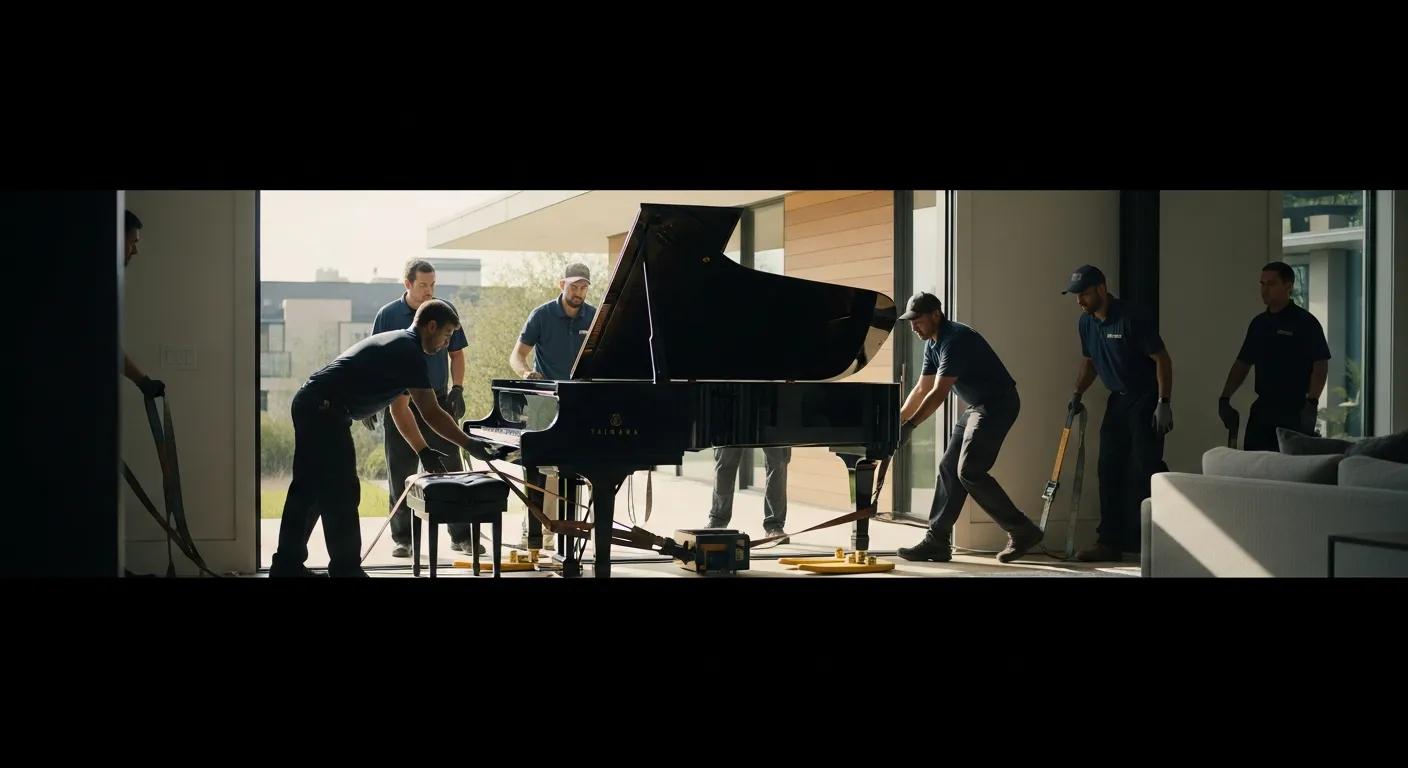
- Upright Pianos: Common at home; moved upright on dollies with a four-person team for most local moves.
- Baby/Grand Pianos: Require leg removal and specialized rigging; best handled by trained professionals.
- Antique/High-Value Instruments: Need custom crating, climate-awareness, and insured handling.
Conclusion
Moving a piano safely takes planning, the right equipment, and respect for the instrument's vulnerabilities. Follow the steps in this guide, and don’t hesitate to call professionals when access or weight make a DIY move risky. In Austin, Mountain Movers provides experienced, insured piano moving services and transparent quotes to protect your instrument and give you peace of mind. Contact us for a free quote and let our local team handle your piano relocation with care.
Conclusion
Successfully relocating a piano requires careful planning, specialized equipment, and an understanding of the instrument's unique needs. Follow the recommended steps to reduce risk and ensure a smooth move. If you prefer professional assistance, Mountain Movers offers expert, insured services tailored to your situation. Reach out today for a free quote and let us help protect your valuable instrument during its move.