

How to Move Commercial Gym Equipment Safely and Efficiently



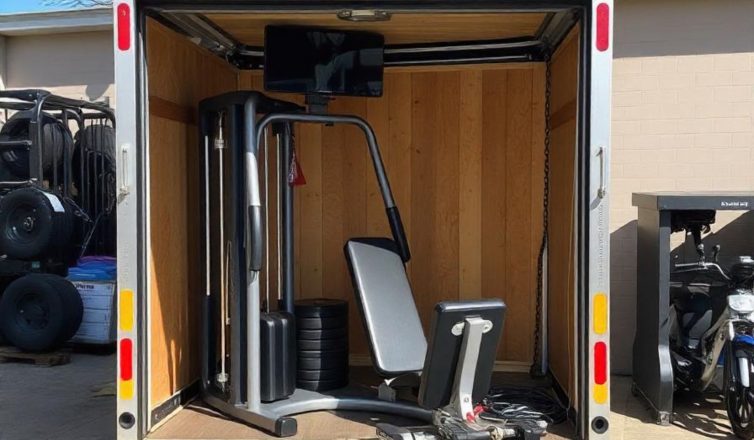
Move Commercial Gym Equipment in Austin — Safe, Fast, and Stress-Free

Moving commercial gym equipment is a complex job: machines are heavy, often contain sensitive electronics, and keep your facility running. This guide walks through how professional movers plan, disassemble, transport, and reinstall commercial fitness equipment with safety and efficiency in mind — protecting staff, preserving assets, and cutting downtime. If you operate in Austin and want a turnkey option, Mountain Movers is a local, family-owned team that handles heavy industrial equipment with clear pricing and coordinated schedules. Call 737-230-6190 or request a quote on our website to start a site assessment. Below you’ll find step-by-step procedures, tool and technique breakdowns, calibration and reassembly checklists, cost-driver explanations, and a practical preparation checklist to keep your facility operational during the move.
Why Is Professional Commercial Gym Equipment Moving Essential?
Professional moving for commercial gym equipment means using careful planning, protective packing, and trained crews so machines arrive intact and return to service quickly. A thorough pre-move assessment plus experienced handling reduces injury risk, prevents equipment damage, and helps preserve manufacturer warranties. The real benefits are measurable: safer crews, preserved equipment, and faster reopen times. That matters because gym machines contain electrical consoles, precision motors, and tensioned weight stacks that can be ruined by improper lifting or shifting. For Austin facilities with tight access, load limits, or building rules, trained movers handle permitting and route planning to avoid unexpected delays and extra costs. Mountain Movers provides specialized handling and transparent pricing — call 737-230-6190 to schedule a site survey or get a free quote.
Framing equipment moves within broader logistics research highlights why planning and operations matter for safe, repeatable results.
Sport Equipment Logistics Management & Operations
This paper examines the often-overlooked field of sport equipment logistics: how equipment is moved and stored for teams and events, what organizational structures are used, and how operations are managed. It outlines the scope of equipment logistics and proposes a conceptual framework based on core logistical services.
How does the ball get onto the pitch? Equipment logistics management in sport organizations, C Pott, 2025
Here are three immediate reasons to hire professionals, and a quick contrast with DIY attempts.
- Safety: Certified crews use safe-lift techniques and PPE to prevent injuries and lower workers’ comp exposure.
- Equipment protection: Correct disassembly, padding, and securement keep consoles, motors, and frames safe in transit.
- Reduced downtime: Thoughtful scheduling, after-hours moves, and accelerated reassembly get your machines back online faster.
Those points highlight why professional relocation is usually the smarter choice — next we’ll look at the risks of skipping experts.
What Are the Risks of Moving Gym Equipment Without Experts?
Handling gym equipment without professionals raises clear risks that can increase costs and liability. The most immediate danger is employee injury: lifting a treadmill or a loaded weight stack incorrectly can cause serious musculoskeletal harm and costly claims. Equipment damage is common when consoles, motors, and cable systems aren’t secured — electronics and calibration-sensitive parts can fail after rough handling. You may also void warranties if manufacturers require certified disassembly. Facility damage — scuffed floors, dented door frames, and damaged freight elevators — can happen when routes aren’t pre-surveyed. Avoiding these issues takes trained crews, the right tools, and proper planning, which is why professional handling is usually a cost-effective way to reduce risk.
How Do Specialized Movers Minimize Damage and Downtime?
Specialized movers cut damage and downtime through site surveys, inventory controls, tailored packing, and scheduling that fits your business. A typical process starts with a detailed pre-move assessment to log serial numbers, manufacturer notes, and access limits; that inventory drives the disassembly and protection plan. Movers use moving blankets, anti-static wrap, and custom crating for consoles and exposed electronics, and they stage machines so high-value or high-use pieces are reassembled first. Scheduling is coordinated with facility managers for after-hours moves or phased relocations so parts of the gym can stay open. Certified technicians handle reassembly and calibration on-site and run test cycles so you can reopen quickly. These steps reduce repair incidents and shorten downtime — read on for the step-by-step workflow we use for actual moves.
What Is the Step-by-Step Process for Moving Commercial Gym Equipment?

We follow a repeatable workflow so every move meets the same safety and quality standards: Planning → Disassembly → Packing → Loading → Transport → Reassembly → Calibration. Each phase starts with the site survey and inventory that flag constraints, and each delivers a clear outcome: safe transport and operational readiness. This staged approach prevents surprises, keeps teams coordinated, and creates accountability with labeled parts and documented inventories. Below is a numbered summary of each phase to help you plan timelines and responsibilities.
- Planning: Perform a site survey that documents equipment, access routes, measurements, permits, and ideal scheduling windows to avoid peak hours.
- Disassembly: Follow manufacturer instructions to remove consoles, rails, and bolt assemblies while labeling and bagging hardware for reassembly.
- Packing: Wrap sensitive parts with anti-static film and heavy blankets, and secure moving components like weight stacks to prevent shifting.
- Loading: Use dollies, pallet jacks, and hoists where appropriate, and arrange loads for proper weight distribution and securement.
- Transport: Select the right vehicle, confirm tie-down points, and add padding to stop movement during transit.
- Reassembly: Reattach frames, torque bolts to spec, reconnect power and sensors, and replace protective covers.
- Calibration: Run manufacturer diagnostics, perform test runs, and log acceptance testing before handing equipment back to staff.
This sequence clarifies who does what and leads into how we assess and plan each move.
How Is Commercial Gym Equipment Assessed and Planned for Moving?
A full pre-move assessment checks access points, dimensions, and operational limits to produce a route map and resource plan. Movers measure doorways, elevator sizes, stair turns, ceiling heights, and loading access, and they review permits and building rules that might affect timing. Inventory each piece — serial number, weight, and manufacturer disassembly notes — to create a parts list and labeling system for reassembly. Scheduling considers peak hours and member communication so after-hours or phased moves reduce disruption. Assessments also identify floor and wall protection needs and which machines require professional calibration after reassembly. This step-by-step planning keeps disassembly and packing predictable and introduces tailored handling guidance for common equipment types.
What Are the Best Practices for Disassembling and Packing Gym Machines?
Disassembly and packing should follow manufacturer directions, use consistent labeling, and layer protection to keep electronics and mechanical parts safe. Start by powering down and recording console settings, then remove detachable consoles, safety rails, and loose accessories into labeled bags and boxes. Wrap control modules with anti-static material, protect motor housings with foam or bubble wrap, and immobilize weight stacks with transport pins or straps to prevent internal movement. Keep hardware grouped by machine and step, and use photos or QR-coded labels to make reassembly straightforward. The table below pairs common machines with typical issues and recommended handling so crews and managers have a quick reference.
Disassembly and packing comparison for common gym equipment:
Which Specialized Tools and Techniques Ensure Safe Gym Equipment Transport?
The right tools and methods combine mechanical advantage with protection to move heavy, delicate equipment safely and efficiently. Common tools include appliance dollies for upright machines, hydraulic lifts for vertical transitions, pallet jacks for consolidated loads, furniture skates for even weight distribution, and ratchet straps for securement. Trucks should have solid tie-down points, air-ride suspension when available, and enough cargo space to avoid stacking that stresses frames or consoles. Techniques include team-lift choreography with clear roles, stepwise lifting to protect backs, and floor protection to avoid building damage. Choosing tools and securement methods that minimize vibration and impact protects motors and electronics. The table below clarifies typical tools, when to use them, and safety notes.
Below is a concise EAV table that clarifies which specialized tools are commonly used, when, and why.
What Advanced Tools Do Movers Use for Heavy and Delicate Equipment?
For very heavy or awkward items, movers use hoists, motorized lifts, and custom crating. When stairs or narrow corridors rule out dollies, hoists and sling systems give vertical control while spotters guide alignment. Motorized stair climbers let crews descend treadmills and weight machines safely by spreading weight over multiple contact points. For sensitive electronics, custom foam-lined crates protect consoles and control boards from shock and moisture. Moving blankets, anti-static wrap, and sealed containers prevent abrasions and electrostatic discharge. Matching tools to the situation ensures a smooth transition from the facility floor to the truck and reduces the chance of injury or property damage.
How Are Lifting and Loading Techniques Optimized for Safety?
Safe lifting and loading combine proper biomechanics, team coordination, and tested securement protocols. Crews use team-lift techniques from safe-lift training: bend at the knees, keep the load close, and assign a lead communicator to coordinate movement. Strap patterns are chosen to prevent load shift and keep the center of gravity stable; tie-downs are tested before departure. Floor and wall protection — ram boards, runner mats, and corner guards — prevent facility damage during routing. A post-load check confirms even weight distribution and properly tensioned straps to minimize in-transit movement. These practices lower injury rates and equipment claims, and lead into the reassembly and calibration steps that follow transport.
How Is Commercial Gym Equipment Reassembled and Installed After Moving?

Reassembly returns machines to safe, working condition through manufacturer-aligned mechanical fastening, electrical reconnection, and careful calibration. Start by verifying returned parts and cross-checking photos or labeled hardware from disassembly. Follow torque specs and fastening sequences to maintain structural integrity and warranty compliance. After mechanical reassembly, reconnect power and run diagnostics so consoles and sensors report correctly; address any alerts before testing. Keep calibration records and obtain signed acceptance to protect liability and confirm readiness for staff training. These principles feed directly into a step-by-step calibration checklist used by professionals.
What Are the Steps for Proper Reassembly and Calibration?
Reassembly follows a locked sequence: reconcile hardware, complete mechanical fastening, validate electrical connections, then perform diagnostic calibration. First, confirm all parts and fasteners against labeled bags or photos and assemble major frames using manufacturer torque specs. Next, reconnect power and data cables, handling sensitive modules with anti-static precautions and running initial console boots. Then run calibration routines — speed checks for treadmills, tension tests for resistance machines, and safety switch verification — and log results. Finally, perform supervised test runs with incremental loads to confirm consistent operation before staff handoff. Following this order ensures machines come back online with documented performance metrics.
How Do Professionals Ensure Equipment Is Ready for Use?
Professionals confirm readiness through operational testing, staff walkthroughs, and formal acceptance documentation. Tests include load cycles, extended motor runs, and user-scenario checks so consoles and mechanics behave as expected. Staff walkthroughs show safe use, note any temporary restrictions, and transfer calibration logs and maintenance notes to the facility manager. A signed acceptance closes the job, preserves warranty records, and documents liability coverage. This final QA step completes the relocation and connects to the cost-benefit analysis facility leaders use when choosing professional help.
What Are the Costs and Benefits of Hiring Commercial Gym Equipment Movers in Austin?
Hiring commercial gym equipment movers bundles labor, specialized tools, materials, and scheduling into a clear cost structure that usually outweighs DIY risks once you factor in downtime and repair exposure. Common cost items include labor hours, equipment rental (hoists, lifts), packing materials, transport vehicle time, and permit or parking fees. The benefits are shorter downtime, fewer repair bills, preserved warranties, and lower liability exposure for staff injuries. Local conditions — elevator access, loading docks, and city permits — affect pricing and are captured in the site survey for an accurate estimate. Mountain Movers provides transparent quotes and free site surveys to help you budget the full cost; call (737) 230-6190 for a free quote so your estimate accounts for both direct move costs and avoided risks.
Below is a cost-component table that explains common line items and the value they provide for commercial gym moves.
How Is Transparent Pricing Structured for Gym Equipment Moves?
Transparent pricing breaks out labor, equipment, materials, and travel so facility managers see exactly what they’re paying for and why. Labor is typically quoted by crew size and hours for disassembly, loading, transport, reassembly, and calibration; specialized equipment rentals appear separately when needed. Materials and protection items — custom crating, blankets, anti-static wraps — show up as line items to protect high-value parts, while permits and parking fees cover building-specific needs. Accurate quotes usually follow an in-person or video site survey to capture access constraints and scope; that avoids hidden fees and aligns expectations. Clear pricing helps managers compare options and avoid the higher downstream costs of damage or extended downtime.
What Are the Advantages of Choosing Local, Family-Owned Movers?
Local, family-owned movers bring practical advantages: local building knowledge, personal accountability, and faster response times compared with larger national chains. Local teams know Austin’s permitting rules, downtown access limits, and traffic patterns, which helps scheduling and reduces on-site delays. Family-owned crews tend to prioritize customer service and direct communication, offering a single point of contact for follow-up. That community accountability often shows up as extra care during handling and a willingness to adapt plans to minimize disruption. Ask for local references and a detailed site assessment to confirm a provider’s capabilities match your technical needs — next, practical prep steps your staff can take before movers arrive.
How Can You Prepare Your Fitness Center for a Stress-Free Equipment Move?
Preparing a fitness center for a move takes clear communication, orderly inventory, and staging plans that prioritize essential equipment so member disruption is minimal. Start with a communications plan that notifies members about closures or phased relocations, and assign staff to manage access control, asset tagging, and final cleaning. Set up labeled staging areas for disassembled parts and secure storage for lockers and personal items to avoid delays. Coordinate with building management for elevator reservations, loading dock windows, and permits to prevent last-minute holdups. These actions reduce move-day confusion and let you phase reinstallation so revenue-generating machines return online quickly.
Below is a concise checklist your business should use to prepare before the mover arrives.
- Inventory and tag all machines and accessories with unique IDs and photos.
- Notify members of closure windows and post temporary schedules.
- Clear space around equipment, remove personal items, and unlock access panels.
- Reserve parking, loading docks, and freight elevators with building management.
- Assign staff points of contact for movers and document acceptance procedures.
What Should Businesses Include in Their Gym Relocation Checklist?
A good relocation checklist covers communication, inventory, access coordination, and contingency plans to avoid scope creep on move day. Notify members and staff about schedules, set staging zones for packed equipment, and document serial numbers and photos for insurance and warranty records. Coordinate with building management to secure elevator windows and loading dock access, and confirm parking for moving vehicles. Prepare contingency plans for items that may need vendor support, like certified technicians for medical or complex cardio equipment. These items reduce surprises and support a phased move that preserves core operations.
How Can You Minimize Downtime During the Move?
Minimize downtime with phased moves, after-hours or weekend scheduling, and prioritizing high-use machines for early reassembly so you can reopen faster. Move nonessential equipment first and keep a core set operational until final stages. Schedule heavy lifts outside peak hours and deploy rapid reassembly teams that focus on treadmills and key cardio or strength stations to restore revenue-generating areas quickly. Temporary rentals or partner facilities can bridge member needs while reassembly continues. These tactics, combined with professional handling, usually cut downtime versus DIY moves. To start planning and get a transparent quote, call Mountain Movers at (737) 230-6190.
Conclusion
Hiring professional movers for commercial gym equipment relocation protects people and machines and minimizes downtime so your facility can get back to business quickly. With the right tools, planning, and experienced crews, you avoid common DIY pitfalls like damage and injury. For a smooth transition, consider Mountain Movers — a local, family-owned team focused on transparent pricing and efficient logistics. Contact us to request a free quote and begin planning your move with confidence.