

How to Pack Bedding for Moving: Top Tips for Efficient Packing




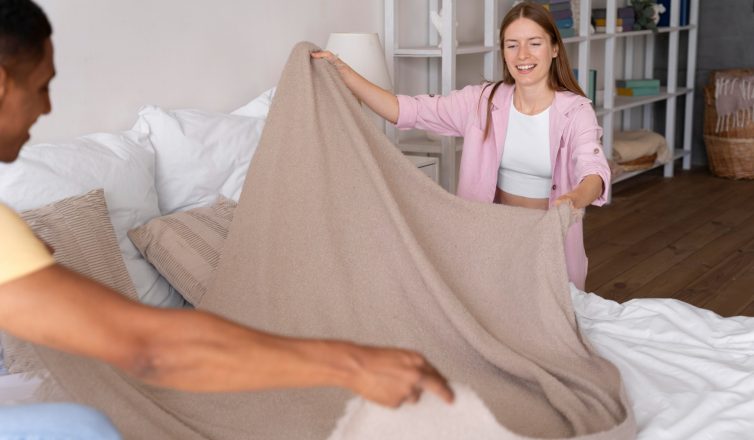
Packing Bedding for Your Move — Simple, Space-Saving Tips to Keep Things Calm

Bedding covers sheets, pillowcases, blankets, comforters, duvets, pillows, and mattress protectors. Pack them well and you’ll save space, keep fabrics clean, and avoid moisture damage during transit. This guide walks you through reliable folding and rolling methods, when to use vacuum-seal bags, which boxes and bags work best, and how to organize bedding boxes so unpacking is quick and low-stress. Good bedding packing lowers the chance of stains, mildew, and compression damage, makes better use of truck space, and helps ensure your first night in the new place is comfortable. You’ll get step-by-step protection advice, space-saving strategies, material recommendations, labeling systems, and clear decision points on whether to hire pros. Find fast-answer lists, three quick comparison tables, and checklists that use common moving supplies and proven packing logic. Read on to learn how to pack sheets, protect down-filled comforters, compress pillows safely, and assemble an “open first” box with the essentials you’ll need right away.
Why Proper Bedding Packing Matters for a Smooth Move
Packing bedding correctly protects fabrics, shrinks volume, and speeds unpacking by combining protection with efficient loading. Bedding is bulky and vulnerable to dirt and moisture, so tools like vacuum-seal bags, mattress covers, and sturdy boxes keep textiles clean and dry in transit. Efficient packing also frees up truck space, improves weight distribution, and can cut the number of trips — which saves time and money. In humid areas, controlling moisture in transit prevents mildew and preserves fabric quality. Clear labeling and organization mean less time hunting for bedding after you arrive.
Professional packers reduce these risks with repeatable techniques, consistent materials, and systems that prioritize humidity control and load stability. Mountain Movers offers packing services using professional supplies and trained crews for local and long-distance moves, which is a good option if you want a hands-off solution. Before deciding DIY or pro, think about your timeline, how many items you have, and whether down or delicate fabrics need special care.
How Proper Packing Keeps Bedding Safe from Damage and Moisture
Good packing isolates textiles from dirt and controls air and moisture, which cuts down on mildew and stains during transport. Vacuum-seal bags and mattress covers form barriers that limit dust and humidity; sealed boxes and plastic moving bags protect against splashes and grime during loading. The core idea is barrier creation: when bedding is clean and fully dry, sealing it prevents moisture from getting in and stops microbial growth — especially important in warm or humid weather. Always wash and dry items before packing to avoid trapping moisture and to reduce the risk of odors or mildew.
Once you understand how moisture behaves, space-saving techniques follow naturally, since protection and compression often happen together to maximize truck space.
What Space-Saving Benefits Come from Smart Bedding Packing?
Compressing bedding cuts the volume of bulky items so you can load the truck more efficiently and stack boxes with better balance. For example, vacuum-seal bags can shrink a comforter by roughly 50–70% depending on fill and fabric, freeing room for other boxes and possibly reducing trips. Packing efficiently also reduces the number of oversized boxes, lowers weight concentration, and helps avoid shifting during transit. Put heavier boxes low and toward the front of the truck to keep balance and reduce movement damage.
Those space savings add up: fewer boxes means faster packing and unpacking, less mover labor, and a smaller chance of leaving items behind. That’s exactly what professional packers aim for when they balance protection with smart load planning.
Best Techniques for Packing Different Types of Bedding

Different bedding needs different handling: sheets and linens fold neatly into medium boxes, bulky comforters either compress or go in large boxes, and delicate or down-filled items require care to avoid permanent compression. The right method balances protection, space savings, and fabric care: keep sheet sets together with pillowcases tucked inside, use vacuum-seal bags for synthetic comforters, and box high-loft down rather than compressing it for long periods. Choosing box sizes and bag types by item prevents overweight boxes and fabric stress, and grouping by room makes unpacking faster and less error-prone.
Below is a quick reference to help you pick the best approach for common bedding pieces.
How to Pack Sheets and Linens: Folding and Box Tips
Sheets pack best when you keep each set together: fold matched fitted and flat sheets, tuck pillowcases inside, and place the set in a medium box that’s still easy to lift. You can roll sheets to reduce creases. Label medium boxes by room and contents so movers place them correctly and you avoid heavy, awkward lifts. If you expect high humidity or long storage, add tissue or a small plastic liner for extra protection.
These folding and boxing choices lead directly into how to handle bulky comforters and the trade-offs between vacuum compression and boxing for protection.
Best Way to Pack Comforters and Duvets with Vacuum-Seal Bags
Vacuum-seal bags dramatically reduce the volume of comforters and duvets, which works well for synthetic fills and short-term moves. Steps: make sure the item is completely dry, choose a bag that fits, place the comforter in the bag, smooth out large air pockets, seal, and use a vacuum to compress to the level you want. For down duvets, limit how long they stay compressed or opt to box them instead so you don’t flatten the loft or damage the fill. Clearly label compressed bags with contents and note if an item is down so handlers know to treat it gently.
Compression vs. boxing comes down to fill type and how long items will be compressed: synthetics tolerate compression well; natural down does better with gentler handling and shorter compression periods.
How to Pack Pillows and Blankets for the Move
Pillows and blankets pull double duty: they can be compressed to save space, rolled to reduce wrinkles, or used as padding for fragile items. Differentiate pillows by fill — synthetic pillows compress and bounce back, while down pillows should be boxed or only lightly compressed and given time to loft after unpacking. Blankets roll well for quick access and minimal creasing, or go in vacuum bags if storage space is critical; avoid long-term compression for wool and other natural fibers to prevent damage. Use pillows and blankets as cushioning around breakables to cut down on extra packing materials and make linen boxes more functional.
Sorting pillows and blankets by material and intended use helps you decide whether to compress, box, or use them as packing filler.
Compression and Rolling Techniques for Packing Pillows
Compression works when used carefully: synthetic pillows go in compression bags and can be vacuumed down for quick savings in space, while down pillows should only be compressed briefly if necessary and are best transported in breathable bags or boxes. Rolling is a gentler alternative that cuts bulk without heavy compression — roll pillows tightly and place them in long bags or wardrobe boxes to preserve shape. After unpacking, let down pillows sit for several hours to regain loft and, if possible, air them outside to speed recovery. Label pillow boxes with fill type and any re-fluffing notes.
These techniques balance space-saving with protecting loft, and they lead into the best practices for blankets.
How to Pack Blankets for Maximum Space and Protection
To pack blankets, roll for easy access and fewer creases, or vacuum-seal for maximum compression when items are synthetic or will be stored briefly. Stack blankets in large boxes with a plastic liner if stacking is needed, and put heavier blankets on the bottom so lighter ones don’t get crushed. For wool or delicate fibers, choose breathable cotton bags or large boxes and separate layers with acid-free tissue to prevent abrasion and allow airflow. Add a simple color-coded label to each blanket box indicating fabric type and destination room for faster sorting at the new home.
Picking the right method for each blanket protects fabrics and saves space, which ties into the next section on essential packing materials.
Which Packing Materials You’ll Need to Move Bedding Safely

The right supplies — medium and large boxes, vacuum-seal bags, mattress covers, packing tape, and a reliable marker — help bedding arrive clean and intact while shrinking bulk. Each item has a purpose: boxes give structure and stackability; vacuum bags cut loft and volume; mattress covers shield large surfaces from dirt and moisture; and labels with tape keep everything secure and readable. Using professional-grade materials is especially helpful for long-distance moves and repeated handling. Think about cost versus use life when deciding whether to buy or rent supplies for a one-time move.
Pros often include premium materials in packing packages; knowing what’s provided makes it easier to choose between DIY and hiring help.
Mountain Movers supplies industry-standard vacuum bags, mattress protection, and professional boxes with their packing services — a simple way to get both materials and trained crews bundled together. If you prefer DIY but want pro-quality supplies, prioritize mattress covers and heavy-duty boxes for the biggest protective impact.
Below is a compact table to help you pick materials and see when pros typically include them.
Which Boxes and Bags Work Best for Bedding?
Medium boxes are great for sheets and linens to avoid heavy, awkward lifts, while large boxes or wardrobe boxes handle bulky comforters and heavy blankets for better stacking. Plastic moving bags are cheap and flexible for quick moves, but they don’t stack well and offer less protection against crushing. Mattress covers protect mattresses from moisture and dirt during loading, and clear garment bags or wardrobe boxes work if you want to hang quilts or comforters instead of folding. Distribute weight evenly, tape seams securely, and don’t overfill boxes so they remain safe to lift and stack.
Choosing the right container for each bedding type reduces damage and speeds both loading and unloading, and it connects directly to how vacuum and mattress bags protect fabrics.
How Vacuum Seal Bags and Mattress Bags Protect Bedding
Vacuum-seal bags create an airtight barrier that cuts dust and humidity exposure and reduces bulk by removing trapped air. Mattress bags give overall surface protection from dirt, spills, and moisture so you can move mattresses without directly exposing them. Best practices: confirm items are completely dry before sealing, label bags with contents and fabric type, and avoid long-term compression for natural fills like down to protect loft. Using compression for volume and mattress bags for surface protection gives layered defense against common moving hazards.
Knowing how these items protect bedding helps you label and organize boxes for fast unpacking and less post-move hassle.
How to Organize and Label Bedding Boxes for Easy Unpacking
Label boxes by room and include a brief content note to speed setup on arrival and cut stress. A simple system uses room stickers or color codes plus a short description (for example: “Bedroom 1 — Linens: King sheets, 2 pillowcases”). Use durable markers or printed labels that won’t smudge, and put labels on at least two sides so they’re readable no matter how boxes are stacked. Pack an “Open First” box with essentials — a fitted sheet, pillowcase, and a spare blanket — so you can make a bed on night one without digging through everything.
Below is a practical table linking labeling methods to use cases and example color codes to make your choice simple.
Labeling and Color-Coding Strategies That Work
Combine a clear room name with a short content line and an optional color sticker for instant recognition — this helps movers and you get boxes into the right rooms. Use durable markers, printed labels, or colored tape that resist smearing, and place labels on two sides of each box so they’re visible regardless of orientation. For bigger moves, keep a master inventory linking box numbers to contents so you can locate items without opening multiple boxes. These simple steps shave time off unpacking and make coordination with movers or helpers smoother.
Good labeling also supports an effective “open first” plan so essential bedding is available the moment you need it.
How to Prepare an “Open First” Box with Essential Bedding
An “Open First” box should have enough to make one or two beds right away: a fitted sheet, a flat sheet, two pillowcases, a pillow, and a lightweight blanket or throw for arrival night. Put these in a clearly marked small box or duffel and keep it with you in your car rather than on the moving truck so you have immediate access. Add a small note with bed-making instructions or which bed the set fits, and attach a bright “OPEN FIRST” sticker so it doesn’t get buried. This guarantees a restful first night and cuts early unpacking stress.
Having open-first essentials ready also helps you decide whether to hire pros for the heavier packing tasks later on.
When to Consider Professional Packing Services for Bedding
Hire professionals when time is tight, volumes are large, items are special (heirloom quilts, expensive down), or humidity and long-distance transport raise the stakes. Pros reduce handling mistakes, bring premium materials, and follow organized packing and loading plans. If you don’t have time, have lots of bulky items, or prefer a turnkey experience, professional packing is worth considering. For long-distance moves, better moisture protection and fewer handling steps often justify the cost. Compare the total value of materials, trained labor, and faster unpacking when you weigh DIY against pro help.
- Stress-free turnkey packing: Professionals pack bedding methodically so you don’t manage supplies or timing.
- Professional materials and techniques: Trained crews use mattress covers, vacuum solutions, and the right boxes to lower damage risk.
- Transparent pricing and reliable teams: Clear quotes and dependable local crews reduce surprises on moving day.
- Local expertise: A local company understands regional humidity and transport issues that affect textiles.
If you want a professional assessment or a custom packing plan, request a quote and confirm which materials and services are included. Ready to compare options? Request a "Get a Free Quote" to explore cost versus convenience.
Benefits of Choosing Mountain Movers for Bedding Packing
Mountain Movers brings practical benefits: trained packers who use pro-grade materials to protect delicate fabrics, clear labeling and inventory to speed unpacking, and local know-how to reduce humidity-related risks during Central Texas moves. The team approach cuts the time you spend preparing, lowers the chance of packing mistakes, and can include moving-day organization to simplify loading and unloading. For large households or long-distance moves, these advantages often outweigh the labor cost by preventing damage and smoothing logistics. Ask for a detailed quote so you know exactly which supplies and services are included and can compare that value to DIY alternatives.
How Professional Packers Handle Bedding for a Low-Stress Move
Professional packers follow a consistent process: pre-move assessment to flag special items, select the right materials (boxes, vacuum bags, mattress covers), pack and label systematically, load with proper weight distribution, and offer optional unpacking to place bedding where you want it. They treat bedding as both cargo and comfort — protecting surfaces while making sure essential sets are clearly marked for immediate use. Quality checks at loading and delivery confirm compressed items are labeled and delicate fills are boxed instead of over-compressed. This end-to-end approach reduces stress, speeds setup in your new home, and cuts post-move tasks for you.
These pro steps are easy to emulate if you choose DIY, and they show how expertise plus the right supplies protect bedding best.
Conclusion
Packing bedding the right way protects your fabrics and makes the move smoother and less stressful. Techniques like vacuum sealing, mattress covers, and clear labeling save space and make essentials easy to find when you arrive. Whether you pack it yourself or bring in pros, understanding these strategies improves the moving experience. Want help? Explore our packing services to simplify your next move.