

How to Pack Clothes for Moving




.jpg)
How to Pack Clothes for Moving — Smart, Simple Methods from Local Pros

Moving is a headache, and clothes are often the part that slows everything down. This guide walks you through practical ways to pack clothing so you save space, avoid wrinkles, and speed up both packing and unpacking. You’ll get clear how-tos for rolling, bundle-wrapping, vacuum bags, and when folding is the smarter choice — plus tips for moving hanging garments, protecting delicates, and paring down your wardrobe before the big day. We also explain when a pro packing service in Austin makes sense. Throughout, helpful keywords like packing clothes for moving, rolling clothes for moving, wardrobe boxes for clothes, and packing services Austin appear naturally so you can find local solutions fast. Keep reading for step-by-step instructions, quick comparisons, checklists, and practical advice that cuts time and stress.
Good wardrobe care and systematic storage have mattered for generations — and a little planning goes a long way.
Systematic Clothing Storage & Care for Moving
The ideal appearance of clothing cannot long be maintained without a systematic management of clothing in storage and the reconditioning of garments for wear. These are the secrets of a well-controlled wardrobe.
Care of Clothing, 1927
What Are the Best Ways to Pack Clothes for Moving?
Packing clothes efficiently starts with matching the method to the garment. Your goal is to balance space savings with wrinkle prevention and pick the right supplies. The top approaches — rolling, folding with tissue, bundle-wrapping, and using suitcases or packing cubes — either compress air (so you save room) or protect a garment’s structure (so it won’t crease). Mixing methods lets you cut down on boxes and labor while keeping clothes in good shape. Below we list the most useful methods, note their strengths, and show when to use each one.
Here’s a quick rundown of the most effective packing methods and why they work:
- Rolling Clothes: Great for casual fabrics — saves space and keeps items from shifting.
- Folding with Tissue: Keeps structure in dress shirts, suits, and tailored pieces.
- Bundle Wrapping: Wraps multiple items around a central core to reduce creases.
- Suitcases & Packing Cubes: Portable and perfect for grouping outfits for easy unpacking.
Combine these methods: use your suitcase for travel-ready looks, packing cubes for small items, and rolling for bulk casual wear to get the best of both space and garment care. Next, we’ll show the correct rolling technique and when folding wins out.
How Does Rolling Clothes Save Space and Prevent Wrinkles?
Rolling compacts fabric and removes air pockets, so it saves space and helps items stay put in transit. To roll a T-shirt properly: lay it flat, fold the sleeves in, then roll from the hem up toward the collar, compressing as you go. Pack rolls tightly together in boxes or suitcases to keep them compressed. Rolling works best on knits, T‑shirts, leggings, and other casual pieces — avoid rolling structured items like blazers and dress shirts, which can develop permanent creases. For extra wrinkle protection, slip in thin tissue between layers or use small packing cubes to stabilize rolls and make unpacking faster.
Rolling cuts wasted space and reduces friction that causes creases. Next we cover when folding is the better choice.
When Should You Fold Clothes Instead of Rolling?
Folding is the safer choice for structured garments — dress shirts, suits, boned dresses, and coats — because it preserves shape and puts less tension on seams and shoulders. For dress shirts: button the collar, use acid-free tissue or a thin cardboard insert to keep form, and fold along the shirt’s natural lines. For suits, use suit bags or fold with padding across shoulders to avoid deformation. Always place tissue between folds and pack these items in a sturdy box so they won’t get crushed; label boxes “hang/fragile” if you want them unpacked first. Save rolling and vacuum compression for unstructured, casual textiles.
Proper folding leads into how to move garments that should stay hanging.
How to Pack Hanging Clothes for Moving Without Damage?

Keeping garments on hangers is the best way to protect shape, avoid crushing, and reduce handling. Wardrobe boxes, garment bags, and DIY options each have trade-offs in protection, price, and how easy they are to move. Which you choose depends on how many hanging items you have, how valuable they are, and how the truck will be loaded. Below we explain wardrobe boxes, compare common hanging solutions, and outline safe DIY methods so you can decide whether to do it yourself or call in professional help.
Compare your hanging-clothes options to pick the right route for your move.
Wardrobe boxes offer the best protection by keeping clothes upright and limiting contact. Garment bags are fine for short drives or moving items by car. DIY trash-bag covers are cheap but should only be used for quick moves or temporary storage. Next we’ll dive into how wardrobe boxes work in practice.
What Are Wardrobe Boxes and How Do They Work?
Wardrobe boxes are tall cardboard boxes with a built-in hanging bar so you can move clothes straight from your closet onto hangers and into the box. Most hold a row of 20–30 garments depending on spacing and fit easily in moving trucks for stacking and secure transport. To use one: transfer hanger‑to‑hanger into the box, lock the bar in place, close the top if needed, and label the box with its contents and destination room. Wardrobe boxes cut handling time and are ideal for suits, coats, and dresses that must stay hung.
If you don’t have wardrobe boxes, the next subsection covers quick DIY hanging hacks — and their risks.
Can Trash Bags Be Used as a DIY Solution for Hanging Clothes?
Trash bags can work as a quick cover: slip a bag over the hanger, thread the hook through a small opening, and secure the top to keep dust out. This helps against light dirt but offers almost no cushioning and can trap moisture, so it’s best for short drives or temporary storage. Don’t seal the bottom if anything is damp, and avoid this method for valuable or delicate garments. For long moves or high-value pieces, garment bags or wardrobe boxes are a safer bet.
If DIY isn’t right for you, professional handling is the next practical option — many moving companies include wardrobe-box services.
Mountain Movers ATX offers professional wardrobe-box handling and secure hanging-clothes transport across Austin and Central Texas. If you have a lot of hanging garments or pieces you care about, our team can pack them for you, recommend the best containers, and reduce handling time on moving day. To get a free packing quote or talk wardrobe-box options, call us or use our online free-quote form — a short inventory helps us recommend the smartest approach for your move.
What Are Effective Space-Saving Packing Hacks for Clothes?
Saving space means using compression where safe, choosing the right containers, and packing in the right order. Vacuum seal bags, rolling, packing cubes, and moving dresser drawers can all shrink volume while keeping items organized — each has trade-offs in wrinkle risk and handling. While packing a kitchen focuses on fragile protection, clothing prioritizes space efficiency. Below we compare approaches and list practical hacks so you can pack bulky items like jackets and shoes without wasting space.
Use these space-saving tricks to fit more into boxes while protecting your clothes.
- Use vacuum seal bags for bulky, wrinkle-tolerant items like sweaters and linens to compress volume significantly.
- Pack shoes in boxes with tissue or shoe trees to keep shape, and place them at the bottom of suitcases or boxes for stable weight distribution.
- Reserve packing cubes for socks, underwear, and small items to keep boxes organized and speed unpacking.
Apply these tactics by prioritizing items by fragility and fabric type. Next we explain the mechanics and cautions for vacuum seal bags and when moving dresser drawers makes sense.
This table shows vacuum bags deliver the biggest volume savings but can stress delicate fibers. Rolling and packing cubes strike a better balance between space and crease prevention. Now let’s look closer at vacuum seal bags.
How Do Vacuum Seal Bags Maximize Packing Efficiency?
Vacuum seal bags pull out air to shrink bulky items — often cutting volume by 50–75% for things like heavy sweaters and blankets. To use them properly: start with dry clothes, seal the bag according to the manufacturer, then remove air with a hand pump or vacuum. Don’t over-compress delicate fabrics and avoid vacuuming items that need airflow for long-term storage — compression can damage fibers over time. Best uses are for heavy knits and linens when you’ll unpack soon after the move; avoid silk, lace, and structured garments that can crease or lose shape.
After vacuum bags, consider whether moving clothes in dresser drawers is practical for your situation.
Is Using Dresser Drawers for Moving Clothes Practical?
Moving clothes in dresser drawers can save time if the drawers are sturdy and secured so they won’t slide open. It does make furniture heavier and sometimes awkward to carry. If you keep clothes in drawers, lock or strap them, pad the piece, and reinforce with moving straps. Many pros recommend removing drawers and packing them separately or using the dresser as a container only if it’s light and will be handled by a crew. The right choice depends on the dresser’s weight, your vehicle, and whether you’ll have professional help.
With furniture choices decided, the next priority is protecting delicate clothes and accessories.
How to Pack Delicate Clothes and Accessories Safely?
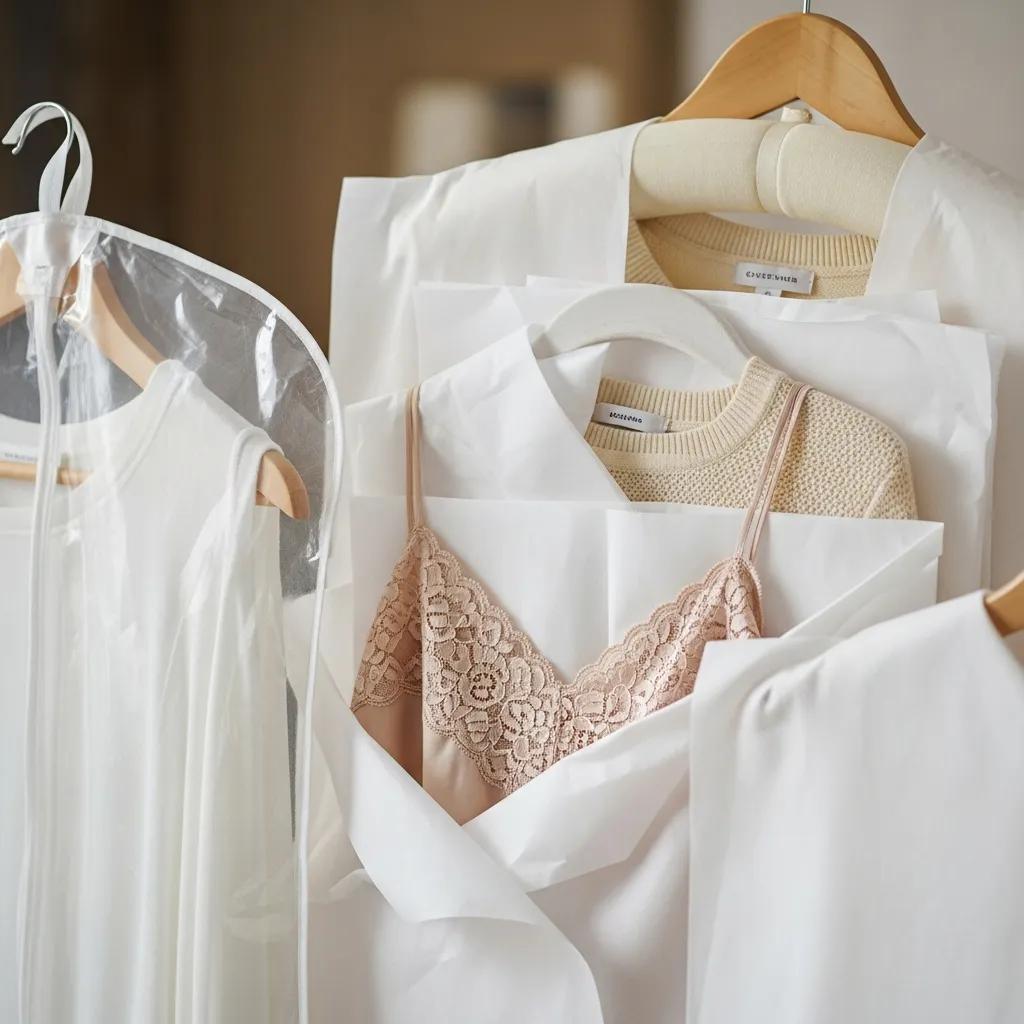
Protecting delicate clothes means layering protective materials, choosing breathable containers, and using small secure solutions for jewelry and tiny valuables. Acid-free tissue, padded hangers, garment bags, and jewelry rolls each play a role — tissue prevents creasing, padded hangers keep shoulder shape, and jewelry rolls stop tangles. The table below shows common delicate items, suggested materials, and packing tips so you can choose the right protection for each piece.
Layer protection thoughtfully to avoid irreversible damage during transit.
Breathable protection is key for delicate fabrics; padding and careful folding prevent abrasion and preserve embellishments. Next, we cover where to source materials and how to layer protection effectively.
What Materials Protect Delicate Fabrics During a Move?
Good materials include acid-free tissue paper, breathable garment bags, padded hangers, and sturdy boxes with secure lids. Use acid-free tissue between folds to prevent lasting creases and discoloration, choose padded hangers for heavier coats to maintain shoulder shape, and place folded delicates in shallow boxes lined with tissue to limit movement. For moisture-sensitive items, pick breathable containers instead of airtight plastic so air can circulate and mildew risk stays low. A layered approach — tissue, soft fabric wrap, then a garment bag — gives the best protection during transit.
Once clothing is secure, don’t forget small valuables like jewelry that need their own protection.
How to Pack Jewelry and Small Accessories Securely?
Use small rigid containers, jewelry rolls, or pill boxes to stop tangling and scratching, and keep an inventory of high-value pieces. Wrap each item in soft tissue and place them in labeled compartments inside a rigid box, or use a jewelry roll with separate pockets for necklaces and rings. Keep especially valuable items with you rather than in packed boxes, and list them on a simple inventory. For larger collections, use resealable bags inside a padded container and carry that container yourself. Pack a “first-day essentials” bag with a few favorite accessories so you can unpack those first and avoid hunting for basics.
With valuables secured, the next step is decluttering and organizing before packing to reduce what you must move.
How to Declutter and Organize Clothes Before Moving?
Decluttering before a move saves time, cuts moving costs, and makes sure you’re only taking what you’ll actually use. A simple workflow — sort into keep/donate/sell/seasonal piles, pack a “first-day essentials” bag, and stage boxes by destination room — speeds packing and unpacking. Sorting by season and frequency of use helps you decide what to keep, and prepping donation or sale items early avoids last-minute stress. Below is a quick checklist plus a short note on the practical benefits of donating or selling items before moving.
Getting help to declutter before a move is a common part of relocation planning and can smooth the whole process.
Decluttering Assistance for Home Relocation
The caseworker had helped with general information, and with decluttering in preparation for the move, and had also helped with the actual move itself.
Decisions about the “if,”“when,” and “how” of moving home: Can a relocation service help? A Welsh case study, 2019
Run this checklist to declutter efficiently and cut the number of boxes you’ll pack and carry:
- Sort Clothing into Four Piles: keep, donate, sell, recycle.
- Pack a "First-Day Essentials" Bag: two outfits, sleepwear, underwear, and a few toiletries.
- Use Seasonal Sorting: pack off-season items separately and label them clearly.
- Schedule Donation Drop-Off or List Items for Sale: handle logistics before moving day.
Working through this checklist reduces load, lowers costs, and makes unpacking far easier at your new home.
What Are the Benefits of Sorting Clothes by Season?
Sorting by season cuts unpacking time and helps you decide what needs to be within reach. Separate summer and winter items into clearly labeled boxes, store off-season clothes compactly, and avoid unpacking the entire closet at once. This step also highlights pieces you no longer wear and points to donation opportunities. For Austin and Central Texas, focus on lightweight layers and breathable fabrics, and tuck heavier winter items away — it saves space and simplifies daily life in your new place.
Seasonal sorting often makes donating or selling items an obvious next step.
How Can Donating or Selling Clothes Reduce Moving Stress?
Donating or selling clothes eases moving by shrinking what you need to pack, trimming moving costs, and giving you momentum as you resolve possessions ahead of the move. Prepare donation items by laundering, bagging, and labeling them, then schedule drop-off or pickup so they’re gone before moving day. Sell higher-value pieces through local marketplaces or consignment shops to offset expenses and reduce your inventory. In Austin, there are plenty of local donation centers and online options — planning these actions early avoids last-minute decisions and lowers moving-day stress.
Pre-move decluttering is widely recommended and is often the subject of dedicated advice and literature.
Pre-Move Decluttering Strategies for Households
For a subset of households, we also attempted to secure pre-move interviews, but the six books written for family members were closer in tone to mainstream decluttering literature.
Downsizing: Confronting our possessions in later life, D Ekerdt, 2020
After decluttering, many people choose to outsource packing. A targeted professional-packing option can save time and protect high-value items. Mountain Movers ATX provides full or partial packing services tailored to your decluttered inventory — request a free quote by phone or via our online free-quote form and have your move date, pickup and drop-off addresses, and a rough inventory ready. Professional packing after decluttering often lowers labor hours and can reduce overall moving cost by putting crew time where it matters most.
When Should You Consider Professional Packing Services in Austin?
Hire professional packers when you don’t have the time, when you’re moving a large wardrobe, or when you own many delicate or high-value garments that need special handling. Pros offer full or partial packing, specialty packing for delicate items, and wardrobe-box handling to preserve shape and reduce handling. Bringing in professionals speeds loading and unloading and gives you transparent pricing and experienced care. To decide, weigh time savings and risk reduction against cost, and prepare an inventory so local providers can give an accurate free quote. The list below highlights common reasons to hire help.
Signs it’s time to hire pros for clothes packing:
- You have a large volume of hanging garments, gowns, or suits that need wardrobe boxes.
- You don’t have time to pack because of work or scheduling constraints and want a turnkey solution.
- You own many delicate, designer, or sentimental items that need specialized protection.
Those points lead naturally to the specific advantages you’ll see from a trusted local mover.
What Are the Advantages of Hiring Mountain Movers ATX for Clothes Packing?
Choosing Mountain Movers ATX means professional care, clear pricing, and turnkey packing options that cut stress and protect garments for both local and long-distance moves in Austin and Central Texas. Our team handles wardrobe boxes, delicate fabrics, and organized labeling so unpacking goes faster and your clothes arrive in good shape. As a local, family-oriented mover we deliver personalized service and transparent quotes so you know labor and materials up front. If your move includes many hanging items or delicate pieces, professional packing is a practical way to protect what matters and save time.
To request a free quote, have your move date, origin and destination addresses, and a basic inventory of clothing and specialty items ready — this helps us provide a targeted estimate for full or partial packing services. Call our local number or submit your details through the free-quote form to schedule an on-site or virtual assessment. Listing any unusually large or delicate items ahead of time helps ensure the quote matches the true scope of work and avoids surprises on moving day.
How to Request a Free Quote for Packing Services in Austin?
Requesting a free packing quote is easy: gather your move date, pickup and drop-off addresses, and a short inventory of clothing volume and specialty items, then contact the mover to schedule an estimate. When you call, describe how many wardrobes you have, how many boxes you expect, and any fragile or high-value garments. If you prefer, arrange a virtual walkthrough or on-site estimate for greater accuracy. Use the free-quote process to compare full versus partial packing and confirm whether wardrobe boxes, garment bags, or specialty crating are included. Clear details upfront improve quote accuracy and help you decide if professional packing is worth the investment.
With accurate information in hand, you can plan a move that blends DIY steps with professional help where it saves the most time and risk.
Conclusion
Packing clothes well saves time and keeps your wardrobe wearable when you arrive. Use rolling, wardrobe boxes, vacuum bags, and decluttering to streamline the process — and consider professional packing for delicate or high-volume wardrobes. If you want help, Mountain Movers ATX is ready to pack, protect, and move your clothes so your next day in a new home starts easier. Contact us to learn more or get your free quote.